

Vepudu Karam Podi Recipe
Malayalam വേപുഡു കാരം പൊടിTamil வேபுடு காரம் பொடிKannada ವೇಪುಡು ಕಾರಂ ಪೊಡಿTelugu వేపుడు కారం పొడి
- Prep10 min
- Cook15 min
- ServesMakes roughly 100 g of podi, enough for
- DifficultyEasy
- DietVegan
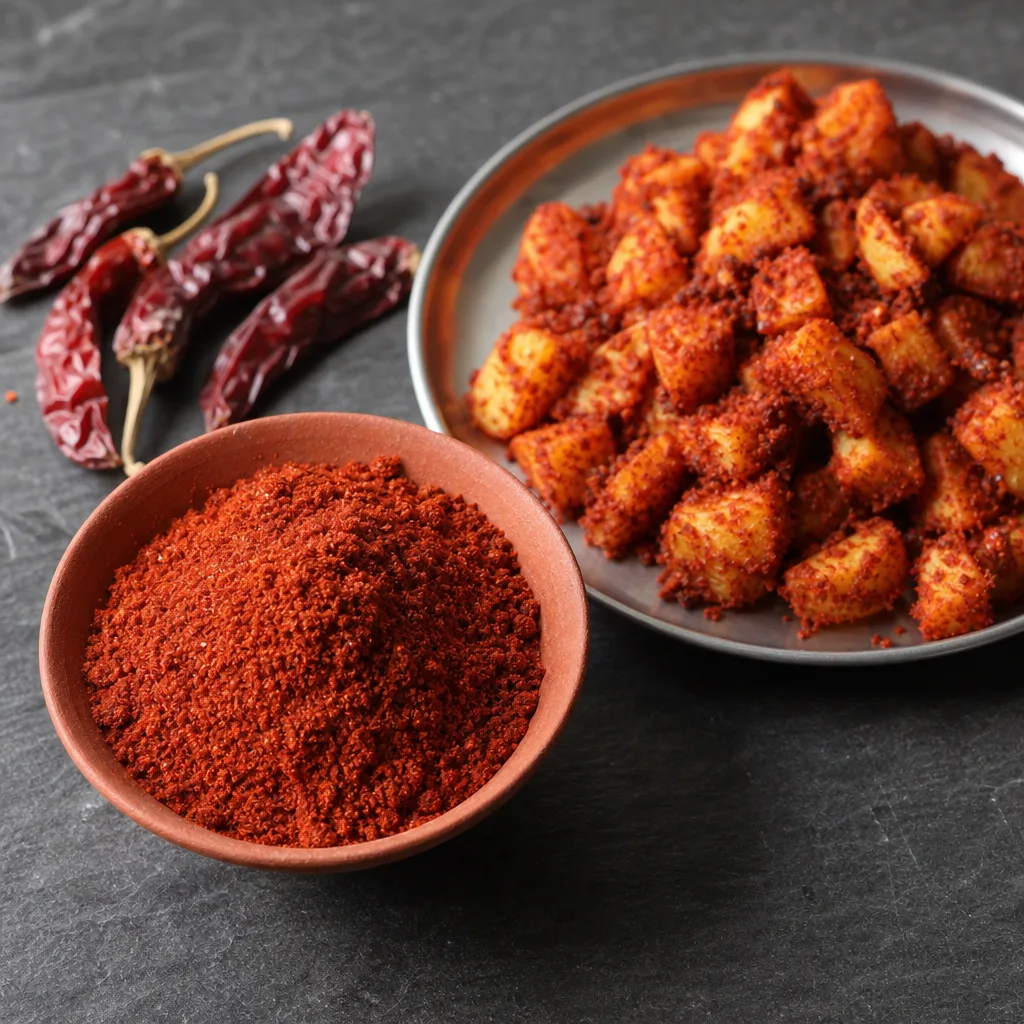
Vepudu karam podi is the spice powder you reach for when finishing a dry vegetable fry — vepudu — in an Andhra kitchen. It goes in at the end, tossed through potatoes, raw banana, brinjal, or bitter gourd in the last minute of cooking, coating everything in heat and fragrance. It is not a table condiment the way gun powder is; it is a cooking powder, made to go into the pan.
The Rayalaseema version is uncompromising in its heat. Guntur or Byadagi chillies are the backbone, and black pepper adds a second layer of sharpness that is different from chilli heat. Cumin and garlic round it out. No coconut, no lentil filler, no sweetness. The powder should smell of roasted chilli and pepper the moment the jar is opened.
Households differ mainly in the chilli variety they use and in whether they include garlic. Families that dry-roast a small head of garlic with the skin on and grind it in produce a podi that keeps slightly less long but has more depth. Others leave garlic out entirely and add a little more black pepper instead. Both are correct. What is not negotiable is roasting each ingredient separately and letting everything cool fully before grinding.
Ingredients (serves Makes roughly 100 g of podi, enough for )
For the podi
Method
Heat the pan
Set a heavy iron or thick-bottomed kadai over low heat. Let it warm for two minutes before adding anything. A properly warm pan roasts evenly; a cold pan makes the chillies sweat instead of dry-roast, and you will taste the difference.
Roast the garlic
If using garlic, place the unpeeled cloves in the dry pan over low heat. Turn them every minute or so for 8 to 10 minutes until the skin is charred in patches and the cloves feel soft when pressed. Remove and set aside to cool. The skin protects the garlic from burning and the slow roast drives off the raw sharpness.
Roast the black pepper
Add the peppercorns to the same dry pan over low heat. Stir continuously for 2 to 3 minutes until they are fragrant and have turned a shade darker. They will begin to pop lightly. Remove immediately and spread on a plate to cool.
Roast the cumin
Add the cumin seeds to the pan over low heat. Stir for 1 to 2 minutes until they darken slightly and release a warm, nutty smell. Watch carefully — cumin burns faster than pepper. Remove and cool on the same plate as the pepper.
Roast the dried chillies
Add the dried red chillies to the pan over the lowest heat you can manage. Press them gently with the back of a spatula and turn them every 30 seconds for 3 to 4 minutes. They should darken slightly, puff a little, and smell deeply roasted rather than raw. If they begin to smoke heavily or turn black, remove them at once. Remove and spread on a separate plate to cool completely. Do not rush this cooling; grinding warm chillies traps steam and makes a damp, clumped podi.
Peel the garlic
Once the roasted garlic is cool enough to handle, peel off and discard the charred skin. The cloves inside will be golden and slightly shrunken. Set them aside.
Grind to a coarse powder
Once all the ingredients are fully cool, transfer the chillies, peppercorns, cumin, and peeled garlic to a dry mixer jar. Grind in short pulses to a moderately coarse powder — not a fine dust. The texture should be granular, not smooth. Over-grinding generates heat and releases the chilli oils, making the powder clump. Pulse, check, pulse again.
Season and check
Add salt, pulse once or twice to mix, then taste a small pinch on your palm. Adjust salt. The powder should be intensely hot, sharp from the pepper, and smell of roasted chilli with a faint roasted garlic note underneath.
Cool and store
Spread the finished podi on a wide plate and let it come to room temperature before transferring to a dry, airtight glass jar. Any warmth trapped in the jar will create condensation and shorten shelf life. Stored properly in a cool, dry place away from steam, it keeps well for 3 to 4 weeks.
How to serve
Tossed through dry vepudu preparations in the final minute of cooking: potato vepudu, raw banana vepudu, brinjal vepudu, bitter gourd vepudu. A teaspoon or two is added to the pan with a little gingelly oil or the cooking oil already in the pan, then the cooked vegetable is tossed through it. Also used to season boiled eggs before a quick pan-fry.
Served with: Tossed through dry vepudu preparations in the final minute of cooking: potato vepudu, raw banana vepudu, brinjal vepudu, bitter gourd vepudu. A teaspoon or two is added to the pan with a little gingelly oil or the cooking oil already in the pan, then the cooked vegetable is tossed through it. Also used to season boiled eggs before a quick pan-fry.
Cook's tips
Chilli choice is everything
Guntur chillies give the authentic Rayalaseema heat — they are very hot. If cooking for people who are not accustomed to this level, replace half the Guntur chillies with Byadagi chillies, which give deep red colour with less fire. Do not use Kashmiri chillies; they will make the podi mild and sweet in a way that is out of place here.
Roast each ingredient alone
Every ingredient has a different roasting time and temperature. Roasting them together means some will burn before others are done. The extra few minutes of separate roasting is not optional.
Garlic is optional but consider it
Households that skip garlic produce a podi that is sharper and keeps longer — up to six weeks. Households that include it get more rounded depth. Both are traditional. If you skip garlic, increase black pepper by half a teaspoon to compensate.
Keep the grinder dry
Even a drop of moisture in the mixer jar will make the podi clump. Wipe the jar and blade thoroughly and let them air-dry before use. If you have ground wet ingredients recently, dry the jar in a low oven for a few minutes and cool it before grinding.
How much to use
For a vepudu serving four people, one to one-and-a-half teaspoons of podi is usually enough. Add it with a small splash of oil in the last minute of cooking and toss quickly on high heat. Adding it too early makes it bitter.
Regional variations
Telangana version adds white sesame seeds; some coastal Andhra households include dried curry leaves and a small amount of roasted chana dal for body; Nellore versions occasionally add a pinch of asafoetida.
Glossary
- Vepudu వేపుడు
- Telugu word for a dry fry or sauté, typically of vegetables or meat with spices.
- Karam కారం
- Telugu word for heat or spiciness; also used to refer to chilli-based spice mixtures.
- Podi పొడి
- Telugu and Tamil word for a dry powder or ground spice mix.
- Kadai కడాయి
- A deep, wide iron or steel cooking pan used across South India for dry-roasting and frying.
- Guntur chilli గుంటూరు మిర్చి
- A variety of dried red chilli from Guntur district, Andhra Pradesh, known for extreme heat and deep red colour; one of the hottest commercially available Indian chilli varieties.
Two things decide whether this podi is worth making: the quality and variety of the dried chillies, and the patience to roast each ingredient separately over genuinely low heat. Rush either of those and you get a raw-smelling, unevenly flavoured powder that does not transform the vegetable it is meant to finish. Get them right and a teaspoon of this in the pan does more work than a full masala.
More Chutneys, Podis & Pickles recipes
Allam Pachadi
Traditional Rayalaseema-style allam pachadi with fresh ginger, Guntur chillies, tamarind and jaggery. Served with pesarattu and idli.
Ellu Thogayal (Sesame Chutney)
Traditional Iyer-style ellu thogayal: thick, coarsely ground sesame paste with urad dal, dried red chillies and tamarind. Served with rice or idli.
Poondu Chutney (Tamil Nadu Brahmin Style)
Traditional Tamil Brahmin poondu chutney with raw garlic, roasted chana dal, dried red chillies, and tamarind, tempered in gingelly oil. Served with…
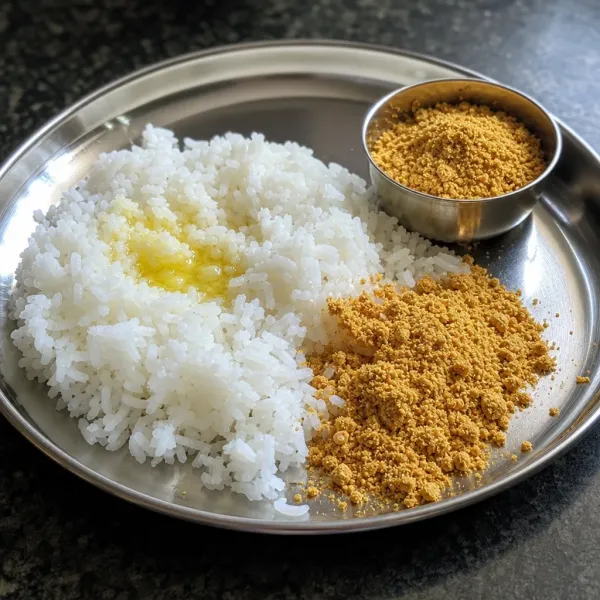
Paruppu Podi
Traditional Tamil Brahmin paruppu podi made with dry-roasted toor dal, black pepper, and asafoetida. Mixed with ghee and rice for a simple, satisfyin…
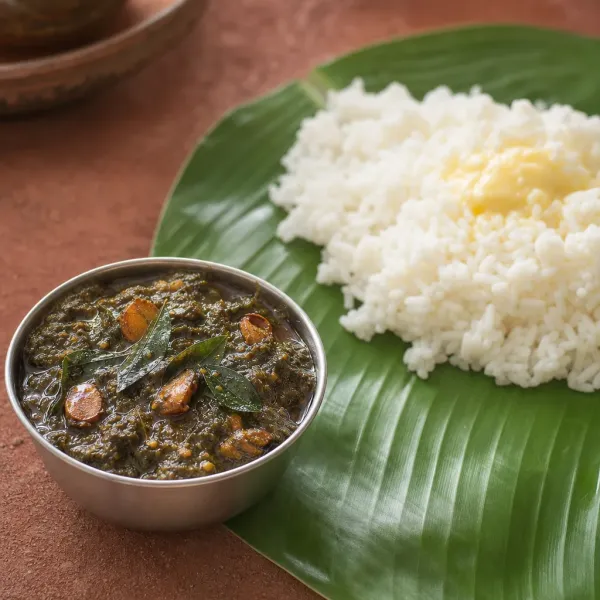
Gongura Pachadi (Andhra Gongura Pickle, Long-Keeping)
Traditional Rayalaseema gongura pickle with gingelly oil, Guntur chillies and garlic. Keeps for weeks. Step-by-step Andhra household method.
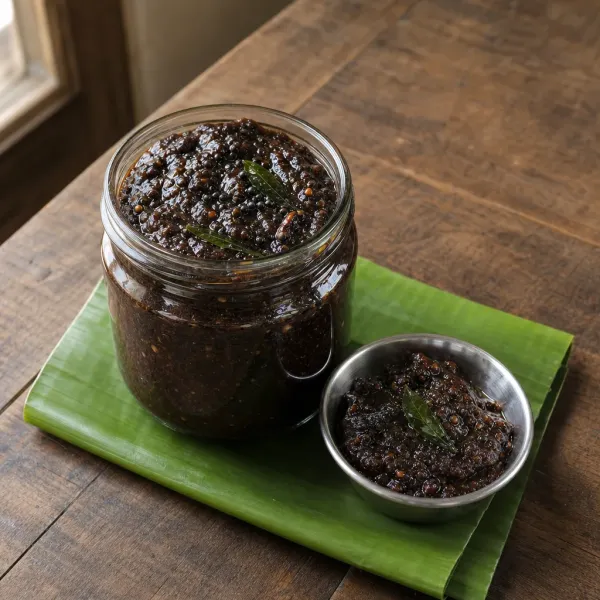
Pulikachal
Traditional Iyer-style pulikachal: tamarind cooked down with gingelly oil, fresh-ground spice powder, and a tempering of mustard and curry leaves. Ma…