

Poondu Chutney (Tamil Nadu Brahmin Style) Recipe
Malayalam വെളുത്തുള്ളി ചട്ണിTamil பூண்டு சட்னிKannada ಬೆಳ್ಳುಳ್ಳಿ ಚಟ್ನಿTelugu వెల్లుల్లి చట్నీ
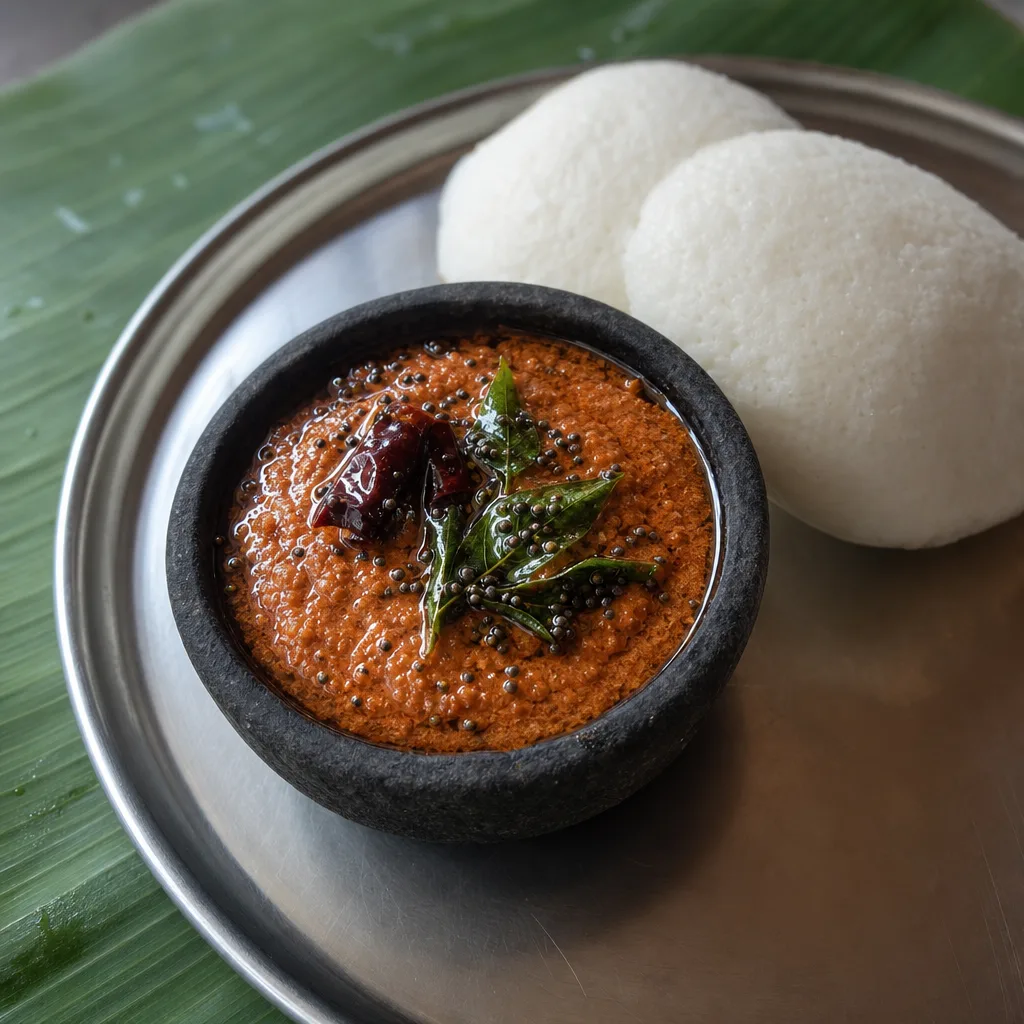
- Prep10 min
- Cook12 min
- Serves4
- DifficultyEasy
- DietVegan
This is the chutney that sits beside idli or dosa in a Tamil Brahmin household and makes everything else on the plate feel optional. It is sharp, pungent, and deeply savoury, with the raw edge of garlic softened just enough by dry-roasting the dal and chillies before grinding. The tamarind holds it together and keeps the garlic from overwhelming everything.
The method is quick but the order matters. You roast the chana dal first, then the chillies in the same pan, then you grind everything together with raw garlic and tamarind. The garlic is not cooked before grinding. That rawness is the point. A tempering of gingelly oil, mustard seeds, and curry leaves goes over the top at the end.
Households differ mainly on the number of chillies and the size of the garlic cloves used. Some cooks add a small piece of coconut for body, though the stricter Brahmin household version does not. The consistency varies too: some grind it to a smooth paste, others leave it slightly coarse so the garlic has texture. Both are right.
Ingredients (serves 4)
For grinding
For tempering
Method
Dry-roast the chana dal
Place a small heavy pan over medium-low heat. Add the chana dal and stir it constantly for 3 to 4 minutes until it turns pale gold and smells nutty. Do not let it brown deeply or it will taste bitter. Tip it onto a plate to cool.
Roast the dried red chillies
In the same dry pan over low heat, add the dried red chillies and press them lightly with a spatula for 30 to 40 seconds, turning once. They should darken slightly and smell toasty but must not char. Remove them immediately and set aside with the dal.
Grind to a paste
Put the cooled roasted dal, roasted chillies, peeled garlic, tamarind, and salt into a wet grinder or a small mixer jar. Grind without water first for 30 seconds to break everything down. Then add water one tablespoon at a time, grinding between additions, until you reach a thick, slightly coarse paste. The chutney should hold its shape on a spoon, not pour. Taste for salt and tamarind.
Scrape into a serving bowl
Transfer the ground chutney to a small steel or stone bowl. Spread it out slightly so the tempering can coat the surface evenly.
Prepare the tempering
Heat the gingelly oil in a small tempering ladle or a tiny pan over medium heat until it shimmers and a mustard seed dropped in sputters immediately. Add the mustard seeds and let them pop fully, about 20 seconds. Keep a lid nearby as they jump.
Finish the tempering
Once the mustard seeds have popped, add the broken dried red chilli and curry leaves. They will crackle and spit in the oil. Add the asafoetida, swirl the pan once, and immediately pour the entire tempering over the chutney in the bowl. Do not stir it in yet; let it sit for a minute so the heat of the oil gently warms the surface of the paste.
Stir and serve
Fold the tempering through the chutney just before serving. The chutney should be thick and rust-red, with a sharp garlic smell and a warm heat from the chillies. Serve at room temperature.
How to serve
Idli, plain dosa, or soft uthappam. In Kongunad homes it also appears alongside rice and rasam as a side relish.
Served with: Idli, plain dosa, or soft uthappam. In Kongunad homes it also appears alongside rice and rasam as a side relish.
Cook's tips
Garlic variety matters
Small Indian garlic cloves are more pungent than the large imported variety. If you use large cloves, reduce the quantity slightly or the chutney will be aggressively sharp rather than rounded.
Pottu kadalai versus raw chana dal
Pottu kadalai is already roasted and sold ready to use in most Tamil Nadu shops. If you have it, skip step one. If you use raw chana dal instead, roast it more carefully as it takes longer to cook through and can stay raw in the centre.
Consistency after refrigeration
The gingelly oil solidifies in the refrigerator and the chutney thickens. Bring it to room temperature before serving and stir well. It keeps for two days refrigerated.
Do not cook the garlic before grinding
The rawness of the garlic is what gives this chutney its character. Cooking it first produces a milder, sweeter paste that is a different dish entirely.
Chilli heat
Five Guntur chillies make a moderately hot chutney. Byadagi chillies give deep colour with less heat. Adjust the count to your household's tolerance, but do not go below two or the chutney loses its backbone.
Regional variations
Chettinad poondu chutney uses more dried red chillies and sometimes includes pepper; Mappila-influenced versions from Tamil Nadu's Muslim households add shallots and use coconut oil.
Glossary
- Poondu பூண்டு
- Garlic in Tamil.
- Pottu kadalai பொட்டுக்கடலை
- Roasted husked chana dal, sold ready-to-eat in Tamil Nadu; used as a binding and thickening agent in chutneys.
- Nallennai நல்லெண்ணெய்
- Gingelly oil, cold-pressed sesame oil used as the cooking and tempering fat in Tamil Nadu.
- Perungayam பெருங்காயம்
- Asafoetida, used in small quantities in Tamil Brahmin cooking as a flavour base in place of onion and garlic in some dishes, though garlic is accepted in Iyer households.
- Kudampuli കുടംപുളി
- Gamboge or Malabar tamarind, specific to Kerala fish curries; not used in this dish, which uses ordinary tamarind.
Two things decide whether this chutney works: the garlic must be raw when it goes into the grinder, and the gingelly oil must be genuinely hot when the mustard seeds go in. Rush the tempering with lukewarm oil and you lose the nutty, slightly smoky note that lifts the whole paste.
More Chutneys, Podis & Pickles recipes
Gongura Pachadi (Andhra Gongura Pickle, Long-Keeping)
Traditional Rayalaseema gongura pickle with gingelly oil, Guntur chillies and garlic. Keeps for weeks. Step-by-step Andhra household method.
Pulikachal
Traditional Iyer-style pulikachal: tamarind cooked down with gingelly oil, fresh-ground spice powder, and a tempering of mustard and curry leaves. Ma…
Allam Pachadi
Traditional Rayalaseema-style allam pachadi with fresh ginger, Guntur chillies, tamarind and jaggery. Served with pesarattu and idli.
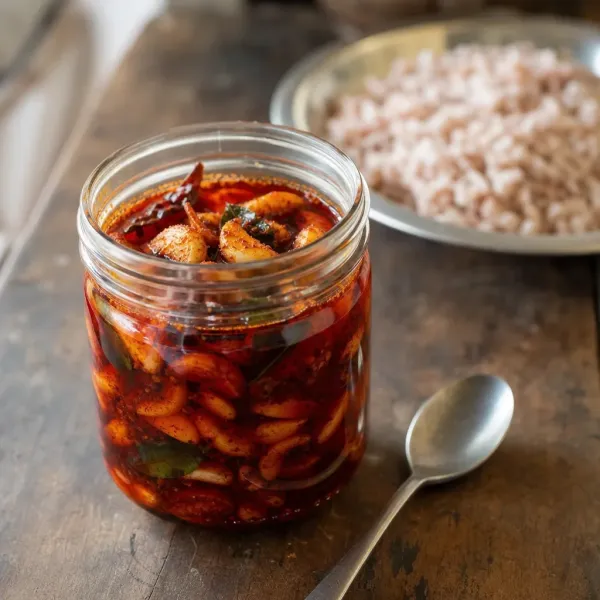
Veluthulli Achar
Traditional Malabar-style garlic pickle in coconut oil with Kashmiri chilli and vinegar. A fiery, long-keeping condiment from the Mappila kitchen.
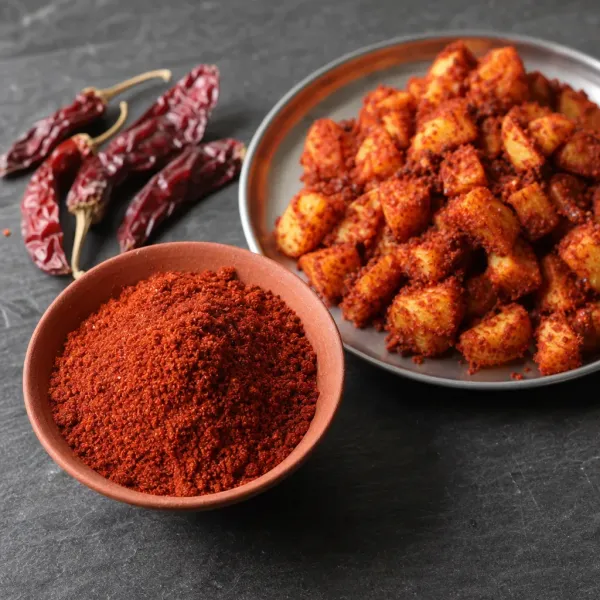
Vepudu Karam Podi
Traditional Rayalaseema vepudu karam podi: dry-roasted Guntur chillies, black pepper, cumin and garlic ground to a coarse powder for finishing Andhra…
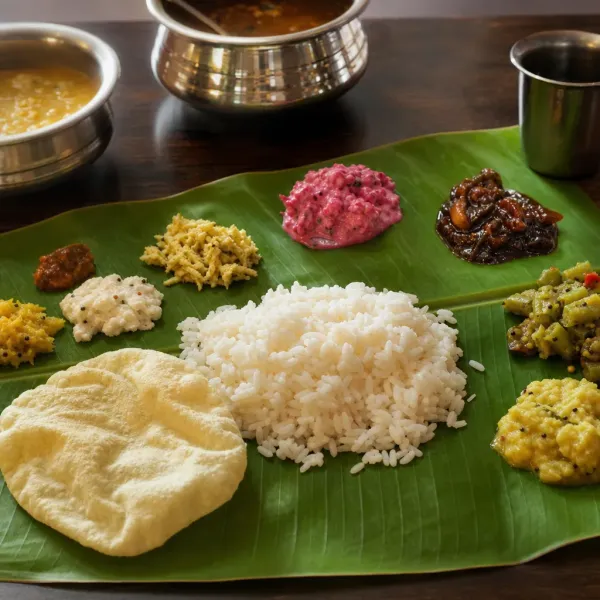
Puli Inji
Traditional Kerala puli inji recipe for sadya – fresh ginger and tamarind cooked to a thick, dark condiment with jaggery and coconut oil tempering.