

Paruppu Podi Recipe
Malayalam പരിപ്പ് പൊടിTamil பருப்பு பொடிKannada ಬೇಳೆ ಪುಡಿTelugu పప్పు పొడి
- Prep5 min
- Cook20 min
- ServesMakes roughly 200 g, enough for 6 to 8 m
- DifficultyEasy
- DietVegan
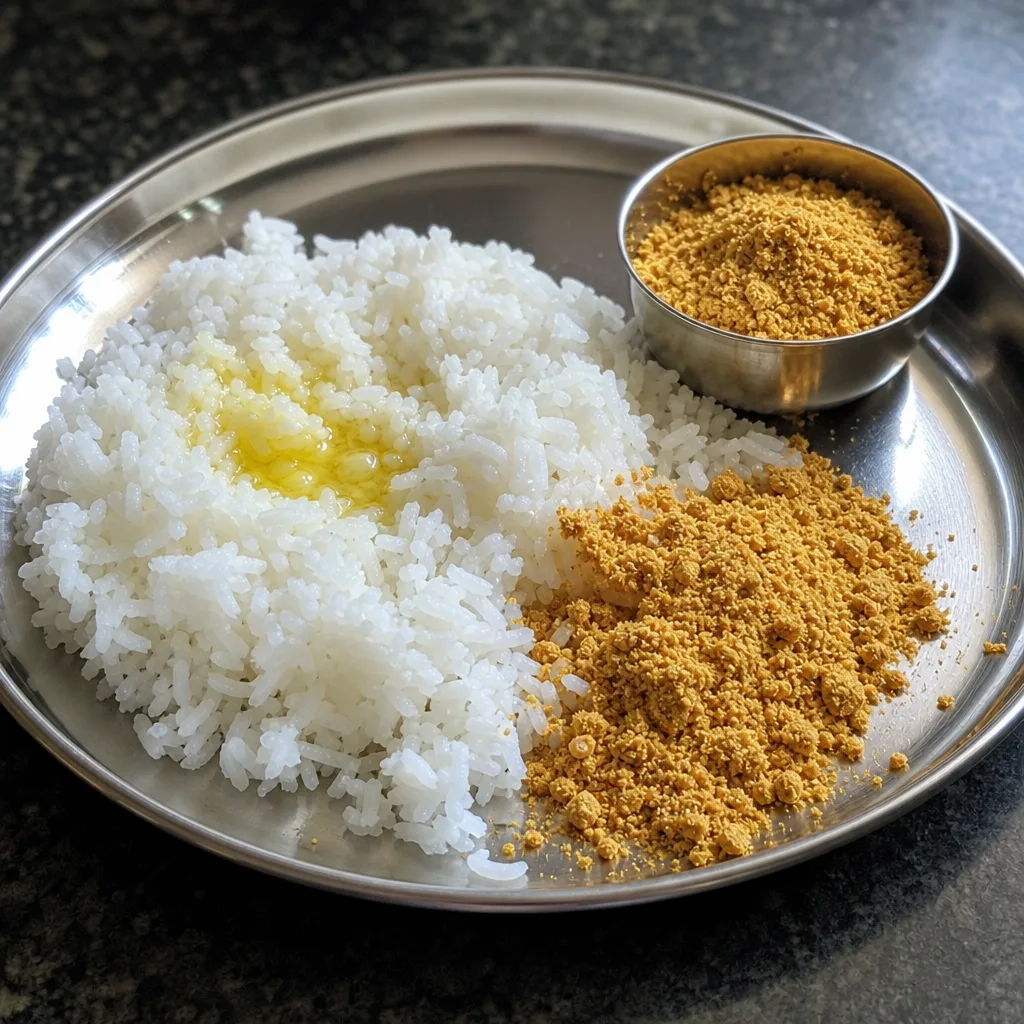
Paruppu podi is a dry roasted lentil powder that Tamil Brahmin households keep in a steel tin on the kitchen shelf. It is eaten with plain cooked rice and a generous pour of ghee: the rice is mixed until every grain is coated, and that is a complete meal. Simple, deeply satisfying, and gone from the tin faster than you expect.
The base is toor dal, dry-roasted until it smells nutty and turns a shade darker. Black pepper gives heat rather than dried red chillies in the classic Iyer version, though some families add one or two red chillies as well. Asafoetida is essential; without it the podi tastes flat. The ratio of pepper to dal decides the character of the batch: more pepper makes it sharp and warming, less makes it gentle enough for children.
Every family has its own proportion kept in memory rather than written down. Some add a little roasted cumin. Some include a handful of roasted chana dal for body and a slight sweetness. The version here is the straightforward household form: toor dal, pepper, cumin, asafoetida, and salt, roasted separately so nothing burns, then ground together to a coarse powder.
Ingredients (serves Makes roughly 200 g, enough for 6 to 8 m)
For the podi
Method
Heat the pan
Place a heavy iron or thick-bottomed kadai over medium-low heat. Let it warm for a minute before adding anything. A hot pan at the start causes the dal to colour unevenly.
Roast the toor dal
Add the toor dal to the dry pan. Stir continuously with a wooden spatula or shake the pan. Roast for 10 to 12 minutes over medium-low heat until the dal turns a deep golden-beige and smells unmistakably nutty, like roasted chickpeas. A few dal will darken more than others; that is fine. Do not let them turn dark brown or they will taste bitter. Tip the roasted dal onto a wide plate to cool.
Roast the peppercorns
In the same pan over low heat, add the black peppercorns. Stir for 1 to 2 minutes until they begin to smell fragrant and you hear one or two pop. Do not walk away; pepper burns quickly. Tip onto the same plate as the dal.
Roast the cumin
Add the cumin seeds to the pan. Stir for 30 to 45 seconds over low heat until they darken slightly and release their aroma. Tip onto the plate.
Roast the asafoetida
If using the solid block, break off a small piece (about ¼ tsp worth) and add it to the warm pan off the heat, or on the lowest flame. It needs only 20 to 30 seconds; it will puff slightly and turn a shade darker. If using powder, add it to the pan for just 10 seconds, stirring. Add it to the plate. Let everything cool completely before grinding. Grinding warm spices makes the powder damp and sticky.
Grind to a coarse powder
Once everything is at room temperature, transfer to a dry mixer-grinder jar. Pulse in short bursts rather than running the motor continuously. Aim for a coarse, slightly gritty powder, not a fine flour. The texture should feel like coarse semolina when you rub it between your fingers. Over-grinding makes it dense and pasty when mixed with ghee.
Season and store
Tip the powder into a bowl, add salt, and mix well. Taste: it should be savoury, nutty, warmly spiced, and clearly salty. Adjust salt. Once satisfied, transfer to a completely dry steel or glass jar with a tight lid. Stored away from moisture, it keeps well for three to four weeks at room temperature.
How to serve
Hot cooked rice (ideally short-grain raw rice or sona masoori) mixed with a generous spoonful of ghee and a portion of paruppu podi. Some households also serve it alongside a simple rasam or plain yoghurt rice at the end of a meal.
Served with: Hot cooked rice (ideally short-grain raw rice or sona masoori) mixed with a generous spoonful of ghee and a portion of paruppu podi. Some households also serve it alongside a simple rasam or plain yoghurt rice at the end of a meal.
Cook's tips
Why everything is roasted separately
Dal takes 10 to 12 minutes; cumin takes under a minute. If you add them together, the cumin is charred before the dal is ready. Roast each ingredient alone and you control the result.
Solid asafoetida versus powder
The solid block (compounded asafoetida) has a stronger, cleaner aroma. The powder is convenient but often mixed with flour, so use slightly more. Either works; just do not skip it.
Moisture is the enemy
The grinder jar, the storage jar, and the spoon you use to scoop must all be bone dry. Even a little moisture causes the powder to clump and shortens its shelf life significantly.
Adjusting heat
1½ tsp of black pepper gives moderate warmth. Reduce to 1 tsp for a gentler podi, or increase to 2 tsp if your household likes it sharp. Some families add one dried red chilli roasted with the dal; that is a genuine variation, not a mistake.
Chana dal addition
Many Iyer households add 2 tablespoons of roasted chana dal (pottu kadalai, the pre-roasted kind sold ready to use) at the grinding stage. It adds body and a slight sweetness. If you use raw chana dal, roast it separately until golden before adding.
Regional variations
Andhra households make a similar podi with toor dal and dried red chillies but add curry leaves and sometimes roasted chana dal in different ratios; Udupi Brahmin kitchens make a milder version with more coconut and less pepper, meant to be eaten fresh rather than stored.
Glossary
- Toor dal பருப்பு
- Split and hulled pigeon peas, the primary lentil in South Indian cooking.
- Perungayam பெருங்காயம்
- Asafoetida; the dried resin of Ferula species, used in small quantities for its strong savoury aroma.
- Podi பொடி
- Dry powder or spice blend in Tamil; used for chutneys and condiments eaten with rice or tiffin.
- Pottu kadalai பொட்டுக்கடலை
- Roasted chana dal; split chickpeas that have been dry-roasted and are sold ready to use.
Two things decide this podi: roasting the dal long enough and slowly enough to develop a deep nuttiness without any bitterness, and keeping every surface dry from start to finish. Get those right and the rest follows.
More Chutneys, Podis & Pickles recipes
Ellu Thogayal (Sesame Chutney)
Traditional Iyer-style ellu thogayal: thick, coarsely ground sesame paste with urad dal, dried red chillies and tamarind. Served with rice or idli.
Curry Leaf Chutney (Karivepaku Pachadi)
Traditional Andhra Telugu karivepaku pachadi: curry leaves dry-roasted and ground with tamarind, urad dal, and red chillies into a thick, aromatic ch…
Vengaya Chutney
Traditional Tamil Iyer onion chutney made with slow-fried shallots, roasted chana dal, dried red chillies, and gingelly oil. Served with idli and dos…
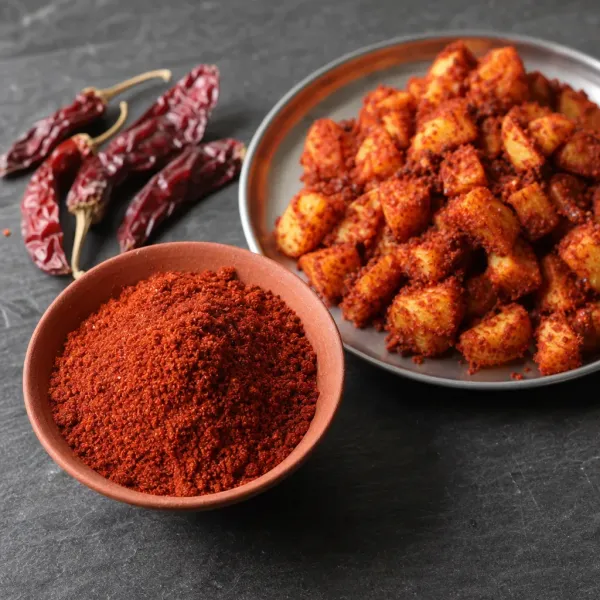
Vepudu Karam Podi
Traditional Rayalaseema vepudu karam podi: dry-roasted Guntur chillies, black pepper, cumin and garlic ground to a coarse powder for finishing Andhra…
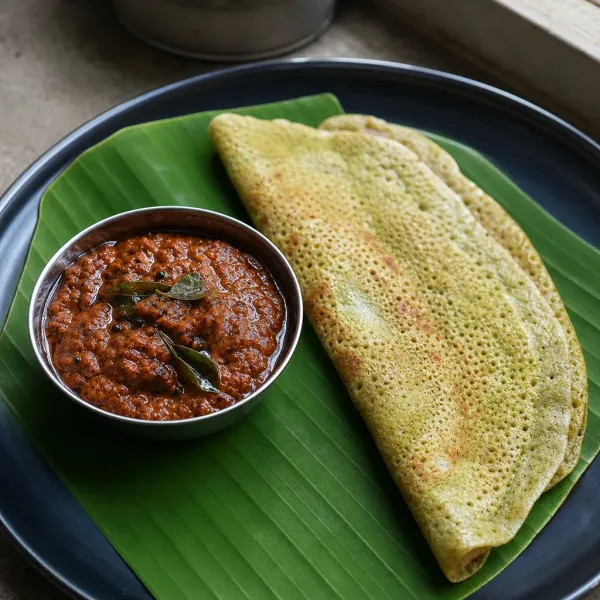
Allam Pachadi
Traditional Rayalaseema-style allam pachadi with fresh ginger, Guntur chillies, tamarind and jaggery. Served with pesarattu and idli.
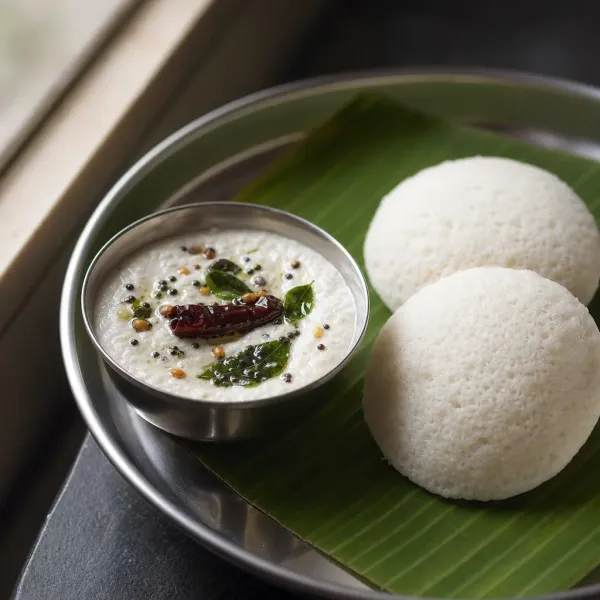
Coconut Chutney (Thengai Chutney)
Freshly ground coconut chutney from a Tamil Brahmin kitchen: coconut, pottukadalai, green chilli, and a gingelly oil tempering. Ready in 15 minutes.