

Vellayappam Recipe
Malayalam വെള്ളയപ്പംTamil வெள்ளையப்பம்Kannada ವೆಳ್ಳಯಪ್ಪಂTelugu వెళ్ళయప్పం
- Prep20 min
- Soak / ferment10 hr
- Cook40 min
- Serves4
- DifficultyMedium
- DietVegetarian
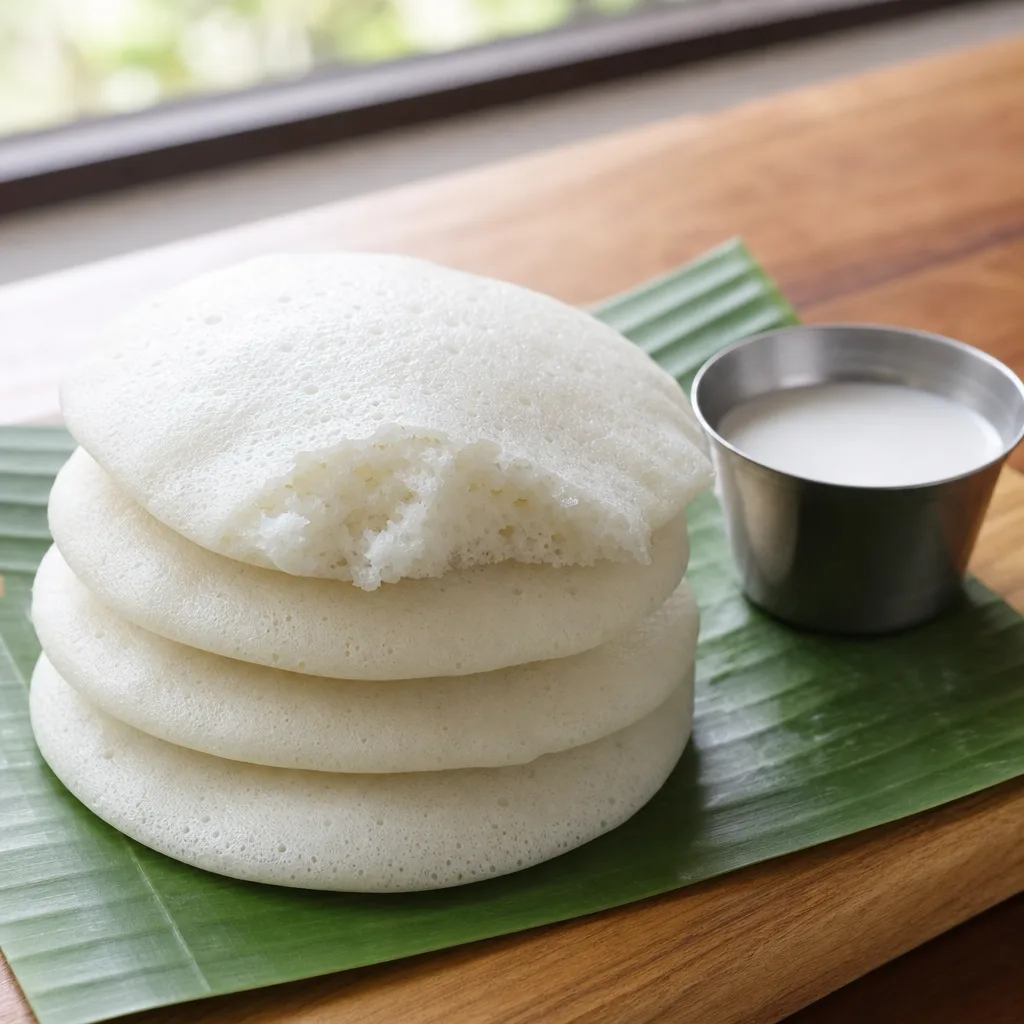
Vellayappam is a thick, soft, entirely white fermented rice pancake. It is not appam: there is no thin lacy rim, no bowl shape, no browning anywhere. The pancake is uniformly pale and spongy from edge to centre, with a fine open crumb from fermentation. It is cooked covered so that the top steams and sets without any colour.
In Nasrani homes across Kottayam, Ernakulam and Thiruvalla, this is a Sunday morning breakfast, unhurried and made in quantity. The batter is ground the previous evening and left to ferment overnight. A small portion of cooked rice goes into the grind; this is what gives vellayappam its particular softness, different from the slight chew of plain appam. The pancake is thicker than appam and is eaten flat, not folded.
Households differ mainly in the rice ratio and in whether they use a cast-iron tawa, a non-stick pan, or a traditional appa chatti. Some cooks add a pinch of sugar to help fermentation along in cooler weather. The batter should smell pleasantly sour and yeasty by morning, not sharp or alcoholic.
Ingredients (serves 4)
For the batter
Method
Soak the rice
Wash the pachari in two or three changes of water until the water runs fairly clear. Cover with cold water by at least 5 cm and leave to soak for 4 to 6 hours. The grains should break easily between your fingers when ready. Drain completely before grinding.
Activate the yeast
Combine the dry active yeast and sugar in a small cup with 3 tablespoons of warm water (it should feel comfortably warm on your wrist, not hot). Stir and leave for 8 to 10 minutes. The mixture should turn frothy and smell yeasty. If nothing happens after 10 minutes, the yeast is dead; start again with a fresh sachet.
Grind the batter
Put the drained soaked rice, cooked rice and grated coconut into a wet grinder or a powerful mixer-grinder. Begin grinding, adding warm water in small additions. Grind for 15 to 20 minutes in a wet grinder, or 8 to 10 minutes in a mixer-grinder, until the batter is very smooth with no gritty feel when you rub a little between your fingers. The batter should flow off a spoon in a thick, steady ribbon, thicker than dosa batter.
Add yeast and ferment
Pour the batter into a large vessel; it will rise, so leave at least one-third of the vessel empty. Stir in the activated yeast mixture. Cover loosely with a plate or a clean cloth and leave in a warm corner of the kitchen overnight, or for 8 to 10 hours. In hot weather this can be ready in 7 hours; in cooler months it may need 12. The batter is ready when it has risen visibly, smells pleasantly sour and yeasty, and has small bubbles across the surface.
Season the batter
Add salt to the fermented batter and stir gently from the bottom to incorporate it evenly without knocking out all the air. Taste and adjust. The batter should be pourable but not watery; if it has thickened overnight, add a tablespoon or two of water to loosen it back to a thick, flowing consistency.
Heat the pan
Place a heavy cast-iron tawa or a non-stick pan over medium-low heat. Vellayappam is cooked on low, not high heat; high heat will brown the bottom before the centre sets. Lightly grease the surface with a few drops of coconut oil wiped across with a folded piece of cloth or kitchen paper. The pan is ready when a drop of batter sizzles gently and holds its shape rather than spreading instantly.
Pour and spread
Pour a ladleful of batter (roughly 80 to 90 ml) onto the centre of the pan. Using the back of the ladle or a circular motion of the pan, spread it gently to a round of about 15 cm in diameter and 5 to 6 mm thickness. This is thicker than a dosa; do not try to spread it thin.
Cover and cook
Place a lid over the pan immediately. Cook on low heat for 3 to 4 minutes. The vellayappam is ready when the top surface looks set and dry with no wet batter visible, the edges have pulled away slightly from the pan, and the underside is pale cream, not golden. There should be no browning at all. If the bottom colours before the top sets, your heat is too high.
Remove and rest
Lift the vellayappam off with a flat spatula. It should come away cleanly. Place on a plate and cover loosely with a cloth to keep soft while you cook the remaining batter. Wipe the pan lightly with oiled cloth between each one. The pan should not be so hot that the oil smokes.
Serve immediately
Vellayappam is best eaten within minutes of coming off the pan. It softens and becomes slightly sticky as it cools. Serve stacked on a plate or banana leaf, covered with a second banana leaf or a cloth to hold the warmth.
How to serve
Sweetened coconut milk (thenga paal); chicken or mutton stew (ishtew); kadala curry; or ripe banana with a little sugar — these are the traditional accompaniments in Nasrani homes and none of them are part of the vellayappam itself.
Served with: Sweetened coconut milk (thenga paal); chicken or mutton stew (ishtew); kadala curry; or ripe banana with a little sugar — these are the traditional accompaniments in Nasrani homes and none of them are part of the vellayappam itself.
Cook's tips
Toddy as leavening
The oldest method uses fresh kallu (toddy) instead of yeast: add 3 to 4 tablespoons of fresh toddy to the ground batter and ferment for 6 to 8 hours. The flavour is slightly different, more complex and mildly tangy. Toddy is not reliably available in all households today, which is why dry yeast has become the common substitute.
The cooked rice matters
Do not skip the cooked rice. It is not a shortcut; it is what makes vellayappam distinctly softer and less chewy than appam. Leftover matta rice works well and adds a faint nuttiness, though plain white rice is more common.
Fermentation in cool weather
If your kitchen is cool, place the covered vessel inside a switched-off oven with just the oven light on. That gentle warmth is usually enough. Do not use a warm oven; you want around 28 to 32 degrees Celsius, not higher.
Batter consistency after fermentation
The batter thickens overnight as the starches absorb water. Always check consistency before cooking and loosen with a little water if needed. A batter that is too thick will give you a dense, undercooked centre.
No browning is the goal
If your vellayappam is turning golden or brown underneath, the heat is too high. This is the most common mistake. Low, patient heat is not optional here; it is the whole method.
Regional variations
Mappila households in Malabar make a similar thick appam sometimes called kallappam, leavened with toddy; some Kottayam Nasrani households add a little cooked rice flour rather than whole cooked rice to the batter.
Glossary
- Pachari പച്ചരി
- Raw, unparboiled white rice used in Kerala for grinding batters; distinct from the parboiled matta rice used for eating.
- Thenga paal തേങ്ങാ പാൽ
- Freshly extracted coconut milk; when served as an accompaniment to vellayappam it is usually lightly sweetened with sugar.
- Kallu കള്ള്
- Fresh toddy, the naturally fermented sap of the coconut palm, traditionally used as a leavening agent in Kerala appam batters.
- Ishtew ഇഷ്ടു
- The Nasrani-style mild coconut milk stew of chicken or vegetables, a classic accompaniment to vellayappam and appam.
- Appa chatti അപ്പ ചട്ടി
- The shallow, slightly concave cast-iron pan traditionally used for cooking appam; some households use it for vellayappam too.
Two things decide whether vellayappam works: the fermentation and the heat. If the batter has not fermented long enough, or the yeast was weak, the pancake will be dense and flat with no spongy crumb. If the heat is even slightly too high, the bottom browns before the top can set. Get those two right and the rest follows.
More Breakfast & Tiffin recipes
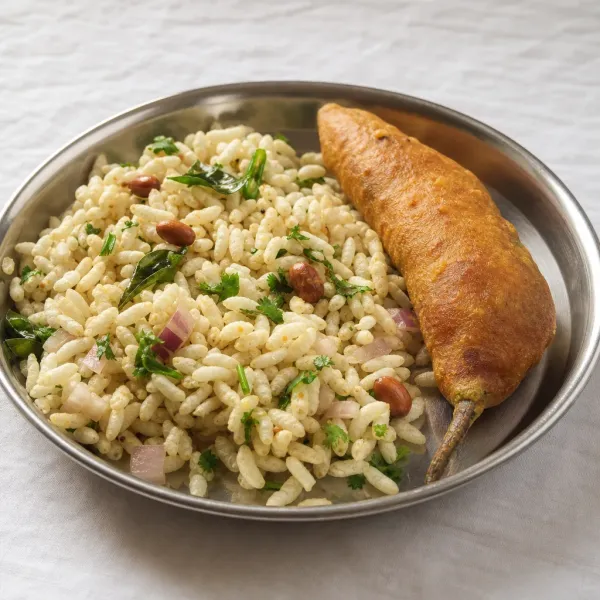
Uggani
Traditional Rayalaseema uggani recipe: soaked borugulu tossed with mustard tempering, roasted peanuts, green chilli and lemon. Ready in 25 minutes.
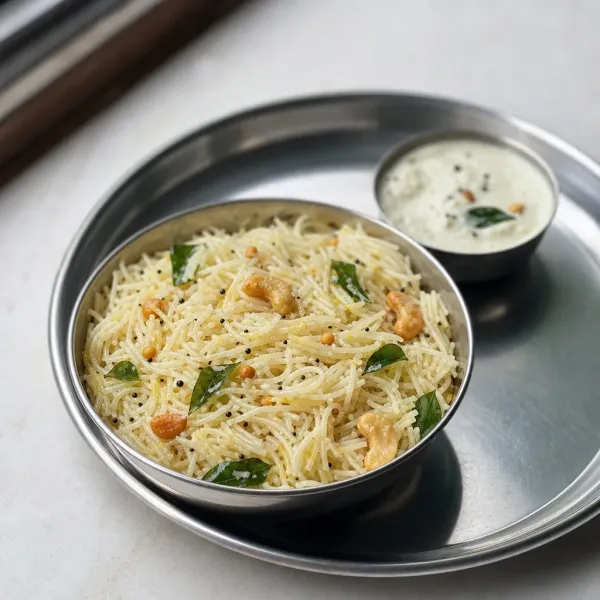
Semiya Upma
A light, traditional Iyer-style semiya upma made with roasted vermicelli, ghee, and a simple mustard-urad dal tempering. Ready in 30 minutes.
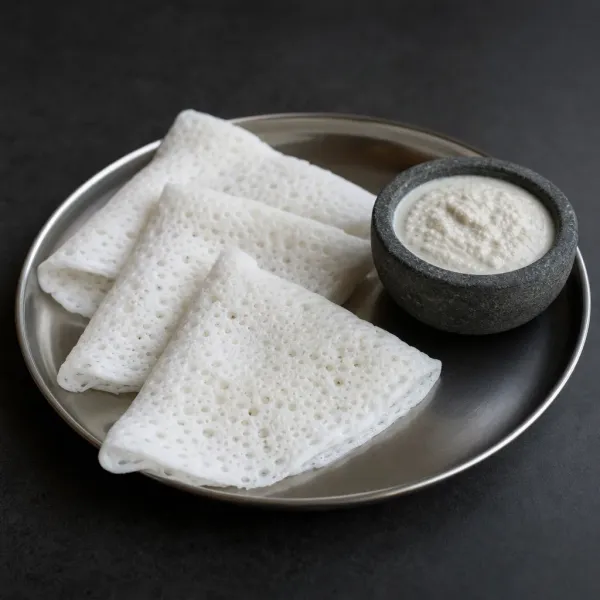
Neer Dosa
Traditional Mangalorean neer dosa made with raw rice and fresh coconut. No fermentation, cooked on one side only. Soft, white and lacy.
Rava Upma
Classic Tamil Brahmin rava upma made with dry-roasted semolina, gingelly oil, shallots and curry leaves. Step-by-step traditional method.

Vattayappam
Traditional Nasrani vattayappam: soft steamed sweet rice cake made with raw rice, fresh coconut and toddy. Step-by-step Kerala recipe with fermentati…
Rava Dosa
Traditional Tamil Iyer rava dosa with semolina, rice flour and gingelly oil. No fermentation, lacy and crisp. Step-by-step home kitchen method.