

Rava Upma Recipe
Malayalam റവ ഉപ്മTamil ரவை உப்மாKannada ರವೆ ಉಪ್ಮಾTelugu రవ్వ ఉప్మా
- Prep10 min
- Cook20 min
- Serves4
- DifficultyEasy
- DietVegetarian
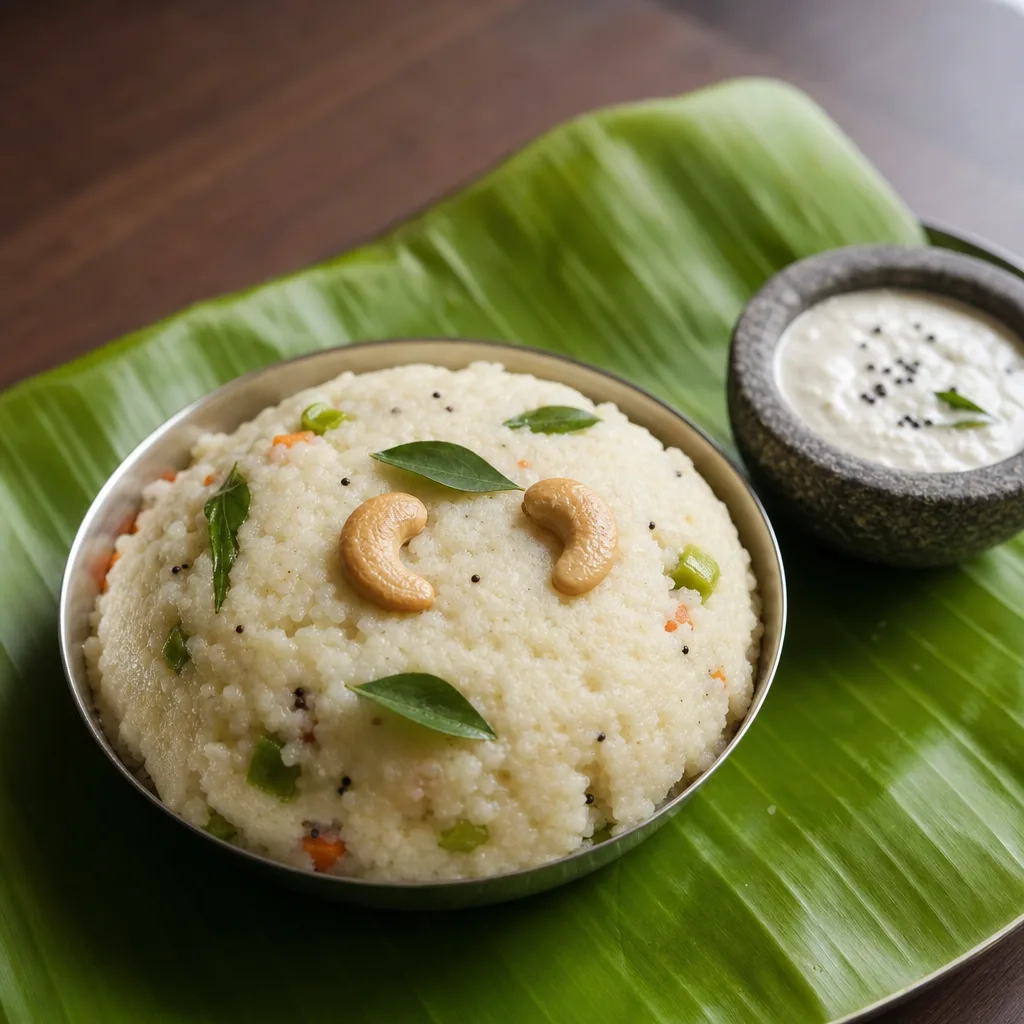
Rava upma is a weekday breakfast dish in Tamil Brahmin homes, made quickly from pantry staples. The rava is dry-roasted first, always, and that single step separates a fluffy upma from a gluey one. In an Iyer kitchen it is cooked in gingelly oil with a small amount of ghee stirred in at the end, and the tempering is restrained: mustard, urad dal, curry leaves, green chilli, ginger, and a handful of cashews if the household is feeling generous that morning.
The water ratio is the thing cooks argue about. Most Iyer households use two and a quarter to two and a half cups of water for every cup of rava, and they bring the water to a full rolling boil before the rava goes in. Add the rava too soon, before the boil is hard, and you get lumps. Add it too slowly and you also get lumps. It goes in all at once and you stir immediately and fast.
It is eaten at breakfast, sometimes at evening tiffin. Households differ on whether to add onion: strictly orthodox kitchens leave it out entirely, others add shallots. Some add a small piece of ginger, some skip it. The version here includes shallots and ginger, which is the more common everyday household practice.
Ingredients (serves 4)
For roasting
For the tempering and base
Method
Dry-roast the rava
Put a heavy kadai or thick-bottomed pan on medium heat. Add the rava with no oil and stir it continuously with a flat ladle. In 5 to 7 minutes it will turn fragrant and feel dry and sandy when you press it between your fingers; a few grains will just begin to colour at the edges. Do not let it brown. Tip it out onto a plate and spread it to cool.
Measure and heat the water
In a separate small pot, bring the 480 ml of water to a full boil and keep it on the lowest flame so it stays hot. Having hot water ready is not optional: if you add cold water to the tempered pan, the timing falls apart.
Temper the oil
In the same kadai, heat the gingelly oil on medium flame. When it shimmers, add the mustard seeds and wait for them to pop fully, about 30 seconds. Add the urad dal and the dry red chilli and stir until the dal turns pale gold, about 45 seconds. Do not let the dal go dark brown or it will taste bitter.
Fry the cashews
Add the cashew halves and stir for 30 to 40 seconds until they are lightly golden. They continue to cook after you add the other ingredients, so pull back before they look done.
Add aromatics
Add the green chilli, ginger, shallots, and curry leaves in that order. Stir on medium heat for 2 to 3 minutes until the shallots soften and turn translucent. They should not colour.
Bring in the boiling water
Pour the hot water into the kadai carefully, as it will sputter. Add salt and stir. Raise the heat and bring it back to a hard rolling boil. This step matters: the water must be at a full boil, not a simmer, when the rava goes in.
Add the rava
Reduce the flame to medium-low. Add the roasted rava all at once and stir immediately and continuously with a firm hand. Lumps form in the first 30 seconds if you pause. Keep stirring as the rava absorbs the water and swells, about 2 minutes.
Steam on low heat
Once the rava has absorbed all the water and the mixture comes together as a soft mass, reduce the flame to the lowest setting. Cover with a lid and cook for 3 minutes. This short steam finishes the cooking through and removes any raw-flour taste.
Finish with ghee
Lift the lid, add the teaspoon of ghee, and fold it in gently. The upma should be soft, fluffy, and separate-grained rather than sticky or wet. Taste for salt. Serve immediately; upma stiffens as it cools.
How to serve
Coconut chutney, or a small bowl of sugar and a ripe banana on the side. Some households serve it with a thin sambar.
Served with: Coconut chutney, or a small bowl of sugar and a ripe banana on the side. Some households serve it with a thin sambar.
Cook's tips
The roasting step cannot be skipped
Unroasted rava turns gluey and smells raw. If you are in a hurry, spread the rava on a tray and roast it in a dry oven at 160 °C for 8 minutes, stirring once halfway. Cool before using.
Water ratio
Fine Bombay rava needs roughly 2¼ to 2½ cups water per cup of rava. Coarse rava absorbs more. Err on the side of slightly more water; you can cook off excess, but you cannot undo a dry, grainy upma.
Onion-free version
Orthodox Iyer households that avoid onion simply omit the shallots. The dish is still complete. Do not add any substitute.
Leftovers
Upma stiffens in the refrigerator. To reheat, sprinkle a tablespoon of water over it, cover, and warm on low heat, stirring gently. It will loosen. Do not microwave without covering or it dries out completely.
Gingelly oil
Use the pale, untoasted gingelly oil (nallennai) common in Tamil Nadu, not the dark toasted sesame oil used in Chinese cooking. The flavour is mild and nutty, not sharp.
Regional variations
Karnataka households use more ghee and sometimes add coconut; Kerala versions often include shallots and curry leaves in greater quantity and finish with grated coconut; Andhra upma may be spicier with green chillies and less tempering fat.
Glossary
- Rava ரவை
- Fine semolina milled from durum wheat, used across South India for upma, kesari and idli batter.
- Nallennai நல்லெண்ணெய்
- Untoasted gingelly (sesame) oil used as the primary cooking fat in Tamil Nadu.
- Chinna vengayam சின்ன வெங்காயம்
- Small shallots, the standard allium in Tamil cooking, sharper and more fragrant than large onions.
- Urad dal உளுந்து
- Split black gram, used whole in tempering to add a nutty crunch.
- Kadai கடாய்
- A deep, wide, round-bottomed iron or steel pan used for frying and cooking.
Two things decide whether this works: roasting the rava properly until it smells toasted and feels dry, and pouring it into genuinely boiling water, not warm water. Get those right and the upma will be fluffy and light. Rush either step and no amount of stirring will rescue it.
More Breakfast & Tiffin recipes

Vattayappam
Traditional Nasrani vattayappam: soft steamed sweet rice cake made with raw rice, fresh coconut and toddy. Step-by-step Kerala recipe with fermentati…
Semiya Upma
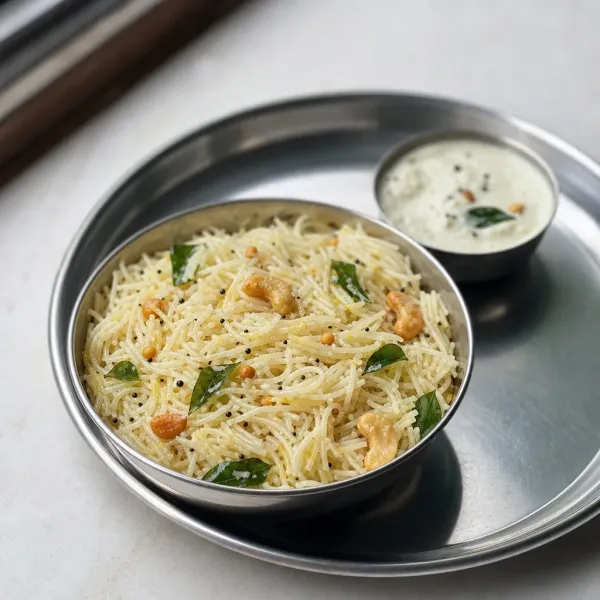
A light, traditional Iyer-style semiya upma made with roasted vermicelli, ghee, and a simple mustard-urad dal tempering. Ready in 30 minutes.
Rava Dosa
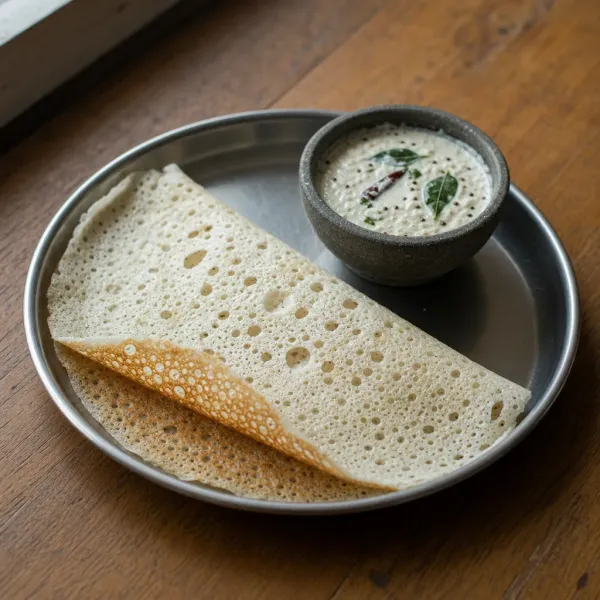
Traditional Tamil Iyer rava dosa with semolina, rice flour and gingelly oil. No fermentation, lacy and crisp. Step-by-step home kitchen method.
Uttapam: Tamil Brahmin Household Style
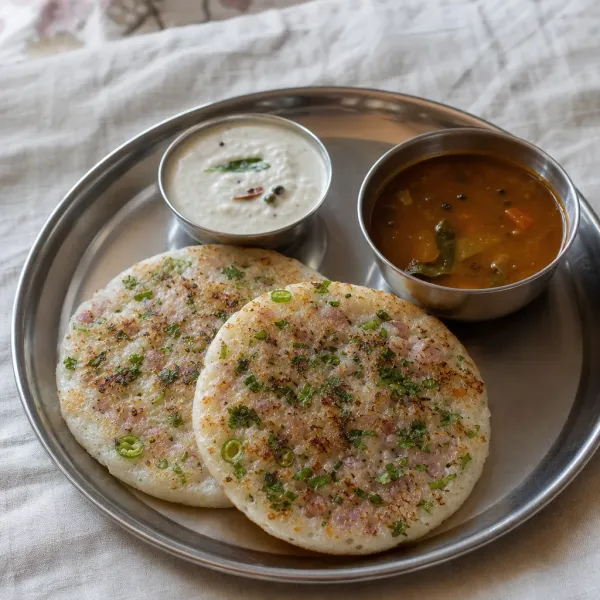
Traditional Tamil Brahmin uttapam made from fermented rice and urad dal batter, topped with shallots, green chilli and coriander. Step-by-step method.
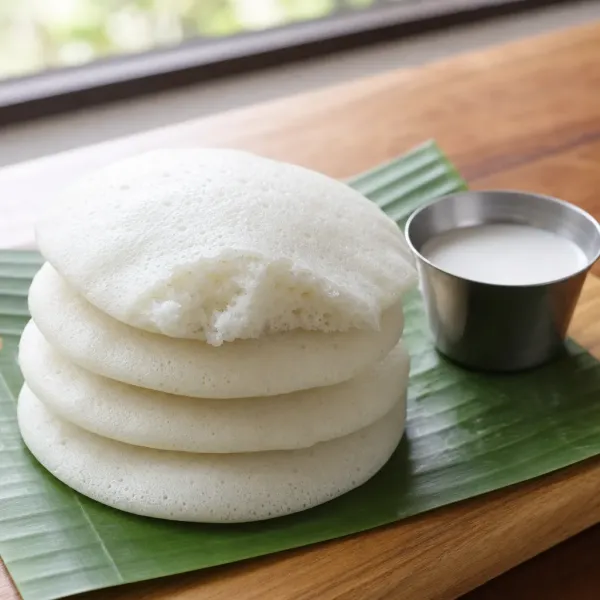
Vellayappam
Traditional Kerala Nasrani vellayappam recipe: thick, soft, pale fermented rice pancake made with pachari and coconut. Overnight batter, cooked cover…
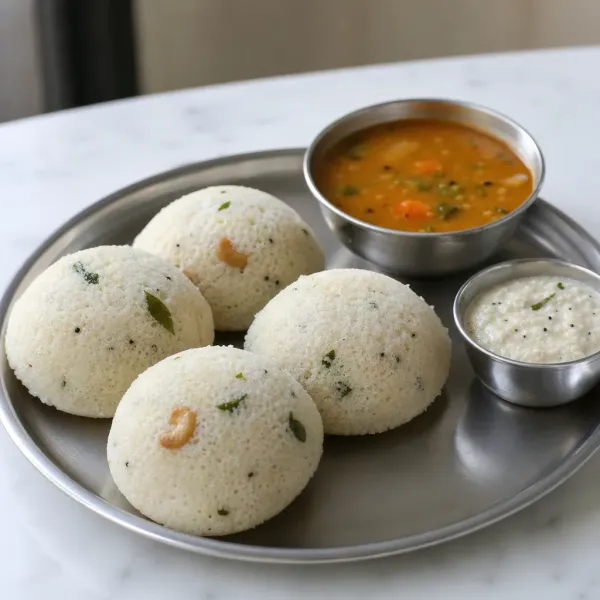
Rava Idli (Karnataka Style)
Traditional Karnataka rava idli made with ghee-roasted semolina, fresh curd and no fermentation. Soft, pale and ready in under an hour.