

Rava Dosa Recipe
Malayalam റവ ദോശTamil ரவா தோசைKannada ರವಾ ದೋಸೆTelugu రవ దోస
- Prep20 min
- Cook40 min
- Serves4
- DifficultyEasy
- DietVegetarian
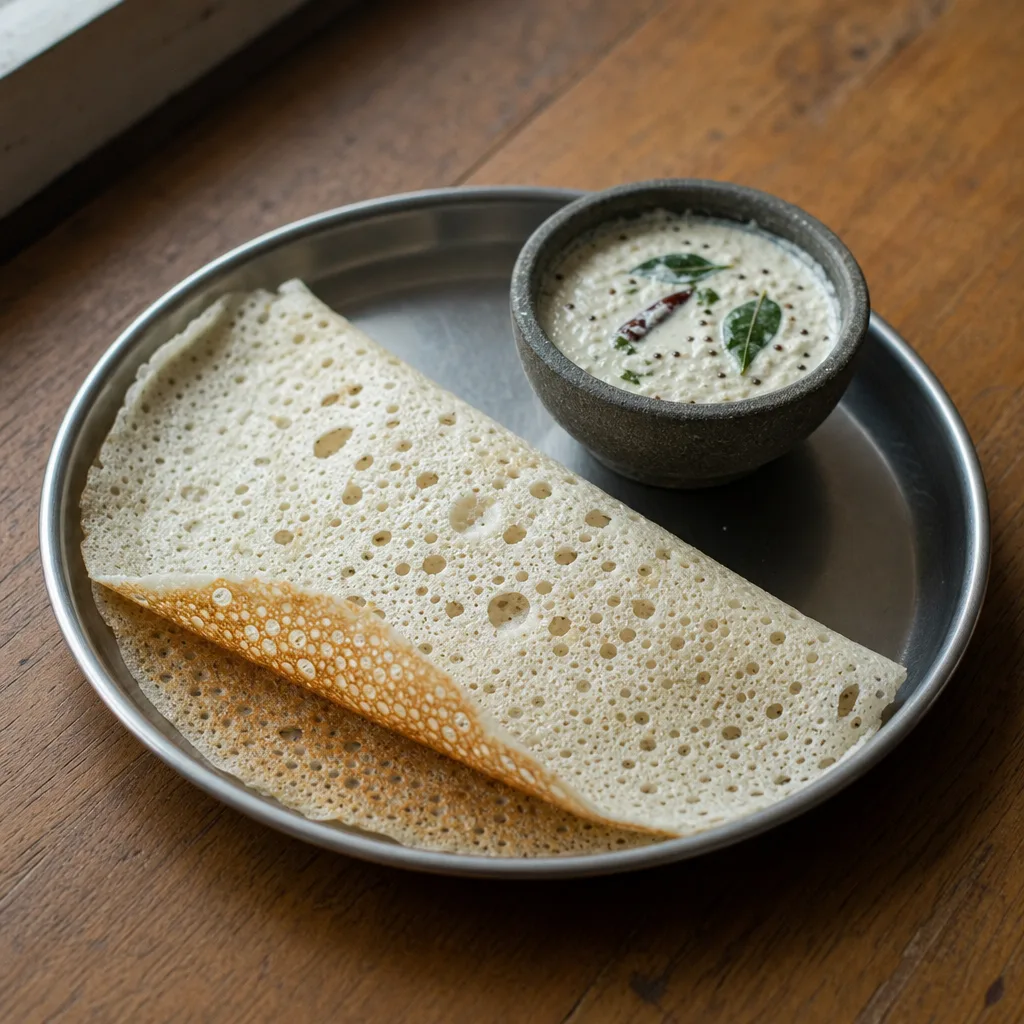
Rava dosa belongs to the everyday Tamil Brahmin kitchen as a quick breakfast when there is no fermented batter ready. The batter comes together in minutes and can go straight onto the pan. That immediacy is the whole point. It is not a substitute for a regular dosa; it is its own thing, thin and lacy and faintly crisp, with a texture that a fermented batter cannot produce.
The batter is much thinner than you expect, almost like water with a little body to it. You pour it from a height and let it run into the gaps rather than spreading it with the back of a ladle. Rushing the pour or using a thick batter gives you something leathery rather than the open, perforated surface the dosa is known for. The resting time of fifteen to twenty minutes after mixing matters: it allows the semolina to hydrate and the batter to settle to the right consistency.
In Tamil Iyer homes this is eaten with coconut chutney and sometimes a small bowl of sambar. Some households add finely chopped shallots and curry leaves directly into the batter; others keep it plain and serve it with a wet chutney. Both are correct. The onion version is probably more common in home kitchens today, but the plain version is older.
Ingredients (serves 4)
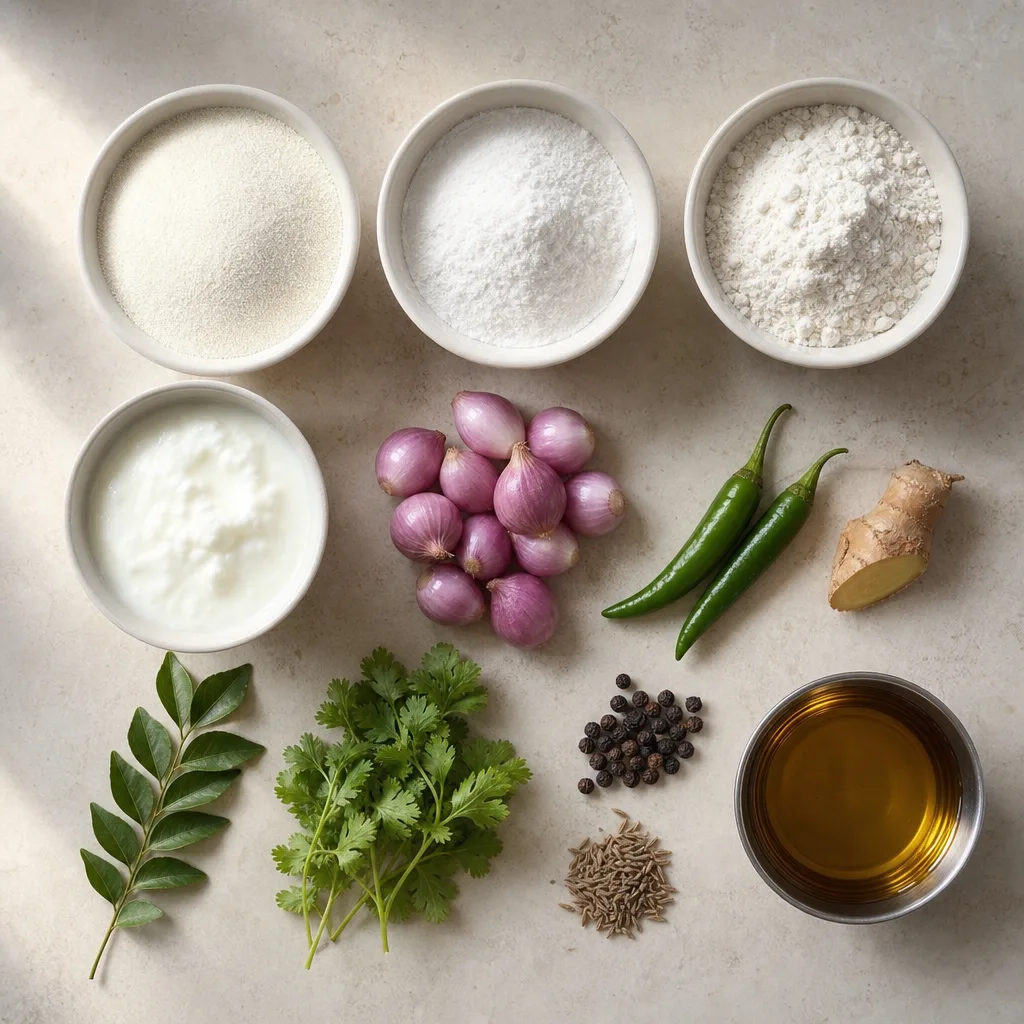
For the batter
To stir into the batter
For the pan
Method
Mix the dry flours
In a wide mixing bowl, combine the semolina, rice flour, maida and salt. Stir them together dry for a moment so they are evenly distributed. This brief mixing prevents pockets of maida clumping when the liquid goes in.
Add the curd and water
Add the sour curd first and mix it into the flours, then pour in 600 ml of water gradually, stirring as you go. The batter will look alarmingly thin and almost watery. That is correct. It should flow freely off a ladle with no resistance. If it feels even slightly thick, add the remaining 100 ml of water.
Add the aromatics and rest the batter
Stir in the chopped shallots, green chilli, ginger, curry leaves, coriander, crushed pepper and cumin. Mix well. Set the bowl aside for 15 to 20 minutes. During this time the semolina absorbs water and swells slightly; the batter will thicken a little. Check the consistency again before you start cooking and loosen with a splash of water if needed.
Heat the pan
Place a heavy iron tawa or a flat cast-iron pan over medium-high heat. Let it heat for 3 to 4 minutes until it is genuinely hot throughout. Sprinkle a few drops of water on the surface; they should skitter and evaporate in under a second. If they sit and bubble slowly, the pan is not hot enough.
Season the pan
Cut a small piece of onion, dip it in a little oil and rub it across the entire surface of the pan. This is the traditional way to season the tawa before each dosa and prevents sticking. Do this between every dosa, not just the first one.
Pour the batter
Stir the batter each time before ladling, because the semolina settles quickly. Hold the ladle about 15 cm above the pan and pour the batter in a wide circle starting from the outside edge and moving inward. Do not spread it with the ladle. The batter will run into the gaps on its own and form a thin, holey sheet. Gaps and holes are what you want.
Drizzle the oil
Immediately drizzle about 1½ to 2 tsp of gingelly oil around the edges of the dosa and a few drops over the surface. The oil will sizzle and help the edges lift and crisp. Do not be stingy with the oil here; it is what gives the edges their colour and the surface its texture.
Cook until the edges lift
Cook on medium-high heat without covering. After 2 to 3 minutes the edges will turn golden and begin to lift away from the pan on their own. The surface will look dry and set, not wet or translucent. If the edges are not lifting, the pan is not hot enough or the batter is too thick.
Flip briefly if needed
Once the underside is golden and the dosa slides easily when you shake the pan, flip it with a thin spatula. Cook the second side for no more than 30 to 45 seconds. Many cooks in Tamil households do not flip at all once the top is fully set and dry; either way is acceptable. The dosa should be pale on top and golden-brown and lacy on the underside.
Remove and serve immediately
Slide the dosa onto a plate and serve at once. Rava dosa loses its crispness quickly as it steams itself. Do not stack them. Cook and serve one at a time, or keep finished dosas in a single layer on a warm plate.
Repeat with the remaining batter
Return the pan to heat for a minute between dosas. Rub with the oiled onion again. Stir the batter before each pour. The pan must be hot for every single dosa; if you let it cool between batches the batter will stick and the holes will not form.
How to serve
Coconut chutney (ground fresh coconut with green chilli, ginger, and tempered with mustard and curry leaves); a small bowl of sambar on the side in many households.
Served with: Coconut chutney (ground fresh coconut with green chilli, ginger, and tempered with mustard and curry leaves); a small bowl of sambar on the side in many households.
Cook's tips
Why the batter must be thin
If the batter is thick it spreads into a solid sheet with no holes and the texture becomes rubbery rather than lacy. When in doubt, add more water. The batter should pour like thin buttermilk.
Semolina settles fast
Stir the batter before every single ladle. If you forget, the first half of the pour will be watery and the second half will be thick, and the dosa will cook unevenly.
Pan temperature is everything
A cold or warm pan gives a pale, soft, stuck dosa. The pan must be hot enough that the batter sets on contact. If your first dosa sticks, scrape it off, wipe the pan, heat it longer, and try again.
Gingelly oil versus coconut oil
In Tamil Nadu this dosa is made with gingelly oil. Coconut oil can be used and is common in Kerala households that make this, but it changes the flavour noticeably. Use what is correct for the kitchen you are cooking in.
Resting time is not optional
Fifteen minutes of resting lets the semolina hydrate. Batter poured immediately after mixing produces a grainy, uneven dosa. The rest also allows the gluten in the maida to relax slightly, which helps the lacy structure hold together.
Batter does not keep well
The semolina continues to absorb water and the batter thickens over time. If you have leftover batter after an hour, thin it again with water before the next round. Do not refrigerate and use the next day; the texture suffers.
Regional variations
Karnataka households use a slightly higher proportion of maida and sometimes add coconut; Andhra versions often include more green chilli and ginger; hotel-style rava dosa across Tamil Nadu uses a thinner batter poured in a wide spiral.
Glossary
- chiroti rava சிரோட்டி ரவை
- Fine-ground semolina, finer than the coarse semolina used for upma; gives a smoother batter and a more delicate dosa.
- maida மைதா
- Refined plain white flour, used in small quantities in rava dosa batter to help the lacy holes hold their shape during cooking.
- gingelly oil நல்லெண்ணெய்
- Cold-pressed sesame oil used in Tamil Nadu cooking; has a distinct nutty flavour and a higher smoke point than raw sesame oil.
- tawa தவா
- Flat iron griddle used for making dosas and rotis; a well-seasoned cast-iron tawa is preferred for even heat distribution.
- sambar onion சாம்பார் வெங்காயம்
- Small South Indian shallot, sharper and more fragrant than a large onion; the correct allium for this dish.
Two things decide whether this works: the batter must be thin enough to run freely and find its own gaps when poured from a height, and the pan must be genuinely hot before every single dosa. Get those two things right and the lacy, crisp result follows on its own.
More Breakfast & Tiffin recipes
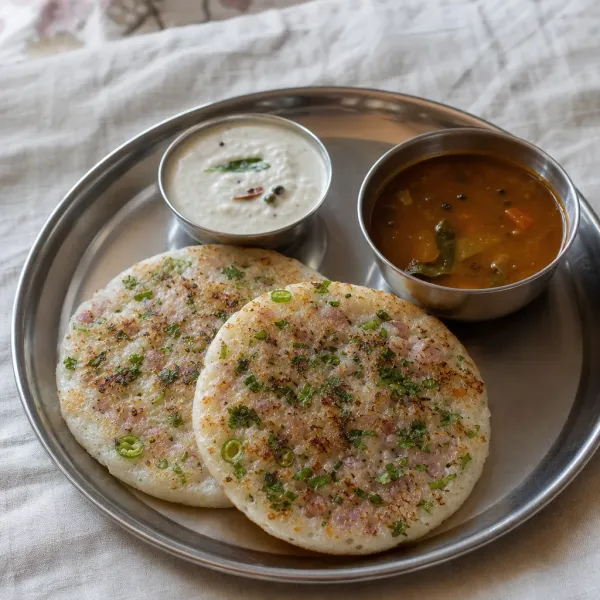
Uttapam: Tamil Brahmin Household Style
Traditional Tamil Brahmin uttapam made from fermented rice and urad dal batter, topped with shallots, green chilli and coriander. Step-by-step method.
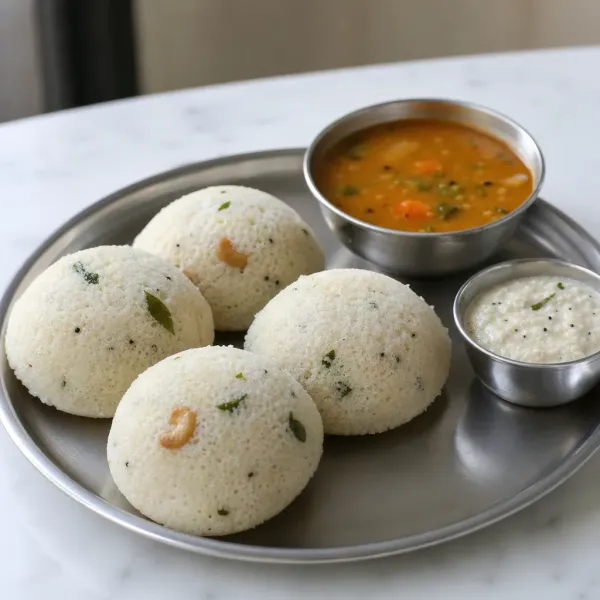
Rava Idli (Karnataka Style)
Traditional Karnataka rava idli made with ghee-roasted semolina, fresh curd and no fermentation. Soft, pale and ready in under an hour.
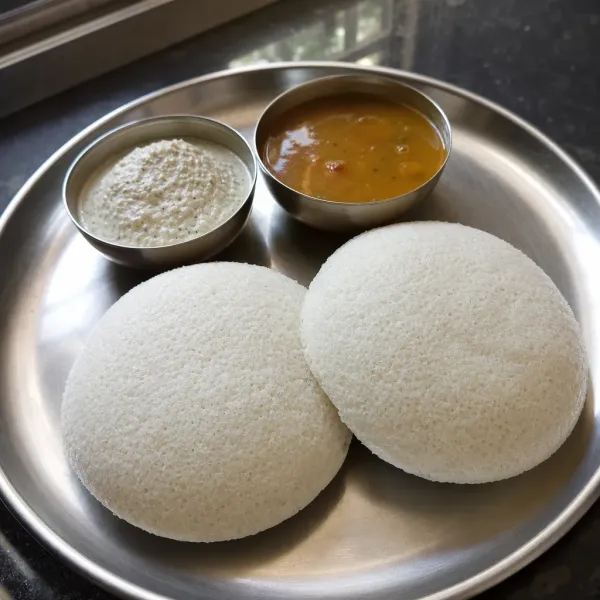
Thatte Idli
Soft, wide Karnataka-style thatte idli made with idli rice, urad dal and avalakki. Traditional household recipe with fermentation tips and steaming m…

Vattayappam
Traditional Nasrani vattayappam: soft steamed sweet rice cake made with raw rice, fresh coconut and toddy. Step-by-step Kerala recipe with fermentati…
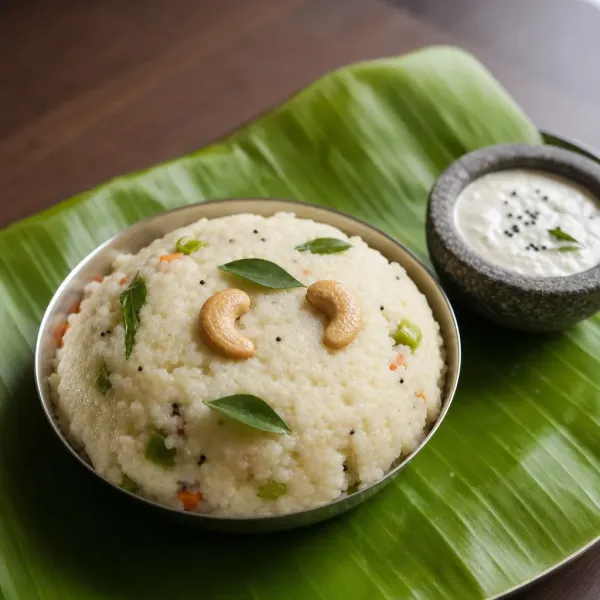
Rava Upma
Classic Tamil Brahmin rava upma made with dry-roasted semolina, gingelly oil, shallots and curry leaves. Step-by-step traditional method.
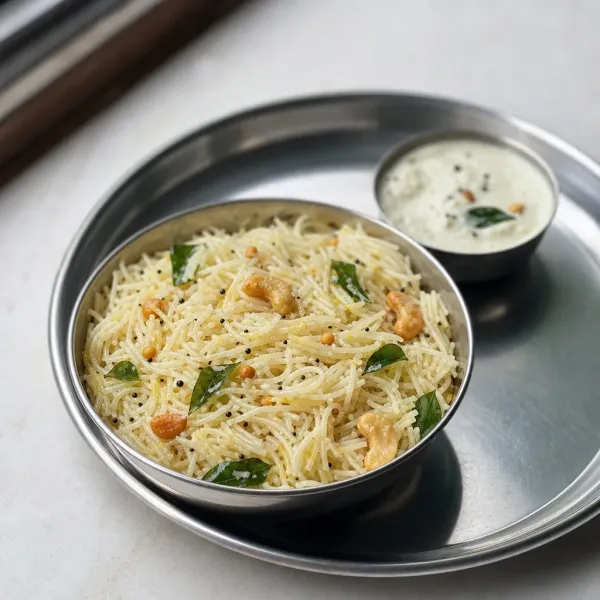
Semiya Upma
A light, traditional Iyer-style semiya upma made with roasted vermicelli, ghee, and a simple mustard-urad dal tempering. Ready in 30 minutes.