

Pudina Chutney Recipe
Malayalam പുദീന ചട്ണിTamil புதினா சட்னிKannada ಪುದೀನ ಚಟ್ನಿTelugu పుదీనా చట్నీ
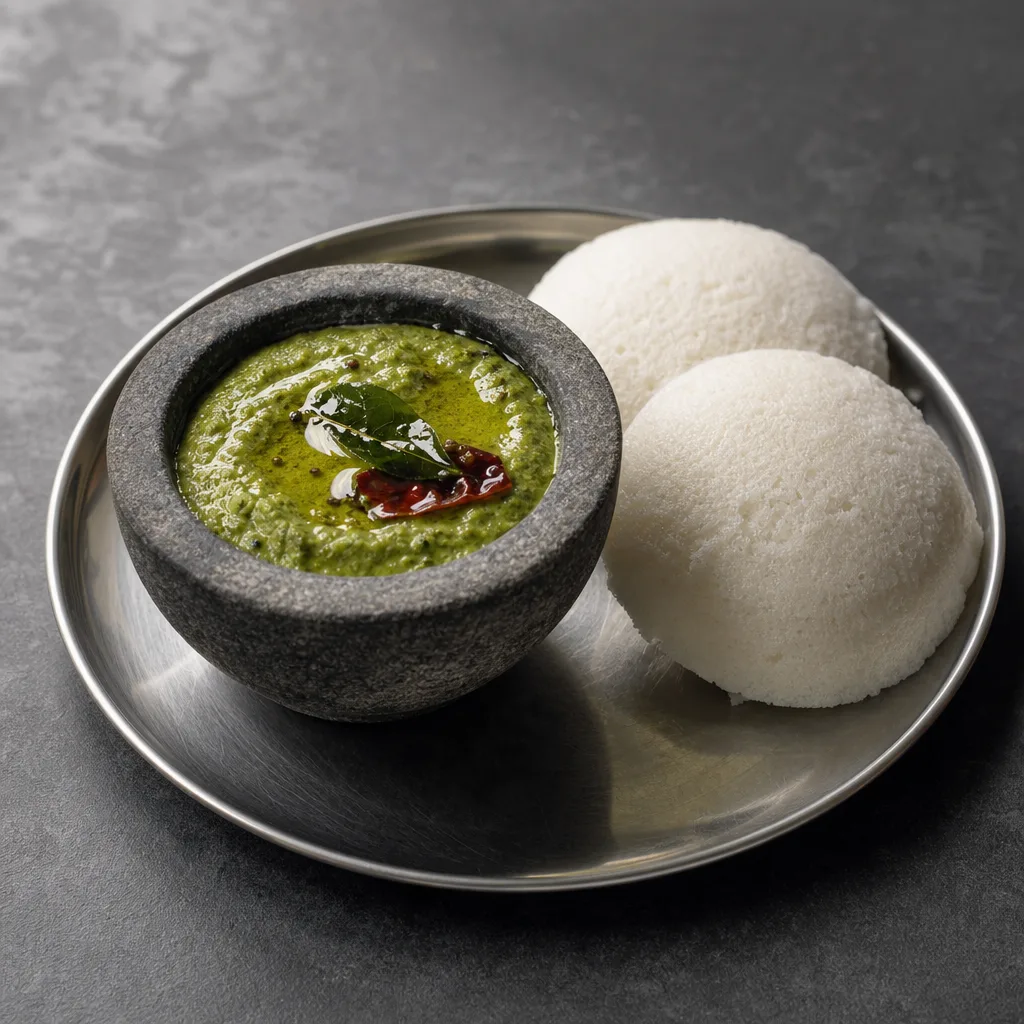
- Prep10 min
- Cook5 min
- Serves4
- DifficultyEasy
- DietVegan
This is the chutney that appears at breakfast in Iyer households alongside idli or dosa, particularly on days when fresh mint is plentiful in the kitchen garden. It is bright green, cool-smelling, and sharp with tamarind. The coconut gives it body without making it heavy.
The Brahmin Tamil version contains no onion and no garlic. The heat comes entirely from green chilli, and the sourness from a small piece of tamarind rather than lemon. Some families add a teaspoon of roasted chana dal for a slightly thicker, nuttier result, but the simpler version with only coconut is equally common.
The tadka is done in gingelly oil, which is the correct fat for Tamil chutneys and kuzhambu. The mustard must finish spluttering before the curry leaves go in, or they will not crisp properly. The chutney is served immediately or within the hour; it loses its vivid colour and fresh smell if it sits too long.
Ingredients (serves 4)
For grinding
For the tadka
Method
Soak the tamarind
Break the tamarind into the 2 tablespoons of warm water and leave it for 5 minutes. Squeeze it well with your fingers and extract the pulp. Discard the fibre. You need only the strained liquid.
Wash and dry the mint
Pick the leaves from the stems. Wash them in two changes of water and spread them on a clean cloth for a minute. Excess water makes the chutney thin and pale. You do not need them bone dry, just not dripping.
Grind to a smooth paste
Put the mint leaves, grated coconut, green chilli, and tamarind pulp with salt into a wet grinder or a heavy stone grinder. Grind without adding water first; the moisture in the coconut and tamarind is usually enough to get it moving. Add water a teaspoon at a time only if the grinder is struggling. You want a smooth, thick paste, not a loose liquid. Taste for salt and chilli.
Check the consistency
Lift a spoonful and let it fall back. It should drop in a slow, thick ribbon, not run like water. If it is too thick, add half a teaspoon of water and pulse once more. Transfer to a small bowl.
Make the tadka
Heat the gingelly oil in a small iron or steel tadka pan over medium heat until it shimmers. Add the mustard seeds and keep the pan moving gently. Wait until every seed has popped and the sound dies down completely. If you add the curry leaves while the mustard is still popping, the oil will spit badly.
Add the chilli and curry leaves
Drop in the broken dried red chilli and let it darken for a few seconds. Add the curry leaves and stand back; they will crackle loudly. Let them crisp for 10 seconds. The oil should smell fragrant and nutty, not burnt.
Finish and serve
Pour the entire contents of the tadka pan over the ground chutney. Stir once gently to combine. Serve within the hour. The chutney is at its best while the mint is still bright green and the tadka oil is still warm on top.
How to serve
Idli, plain dosa, or soft uthappam. Also eaten as a side with soft rice and sambar in some households.
Served with: Idli, plain dosa, or soft uthappam. Also eaten as a side with soft rice and sambar in some households.
Cook's tips
Why it turns dark
Mint oxidises quickly once ground. Grinding it with the coconut and tamarind together slows this slightly, but the chutney will still darken after an hour. Do not make it the night before.
Stone grinder versus mixie
A wet grinder gives a smoother result and does not heat the paste. A mixie works fine but runs hot; grind in short pulses and let it rest between them so the heat does not cook the mint and kill the colour.
Tamarind versus lemon
Some families use a small squeeze of lemon instead of tamarind. It gives a cleaner sourness but a slightly less complex flavour. The traditional Iyer version uses tamarind.
Chana dal addition
A teaspoon of raw chana dal, dry-roasted until pale golden and cooled before grinding, gives the chutney more body and a mild nuttiness. Add it at the grinding stage with the other ingredients.
Regional variations
Mappila (Kerala) version includes shallots and garlic; Andhra version uses more green chilli and less coconut; non-Brahmin Tamil versions often add roasted chana dal for body.
Glossary
- Pudina புதினா
- Fresh mint; Mentha spicata is the most common variety used in South Indian cooking.
- Nallennai நல்லெண்ணெய்
- Gingelly oil, also called sesame oil; the traditional cooking fat for Tamil chutneys and kuzhambu.
- Tadka தாளிக்கல்
- The tempering step in which whole spices are fried briefly in hot oil to release their flavour before being poured over a dish.
- Kudampuli കുടംപുളി
- Gamboge or Malabar tamarind, used in Kerala fish curries; distinct from the tamarind (puli) used in this Tamil recipe.
Two things decide this chutney: how dry the mint leaves are before grinding, and how patient you are with the mustard seeds in the tadka. Wet leaves make a thin, pale paste. Mustard seeds pulled off the heat too early leave a raw, bitter note in the oil. Get those two right and the rest follows.
More Chutneys, Podis & Pickles recipes
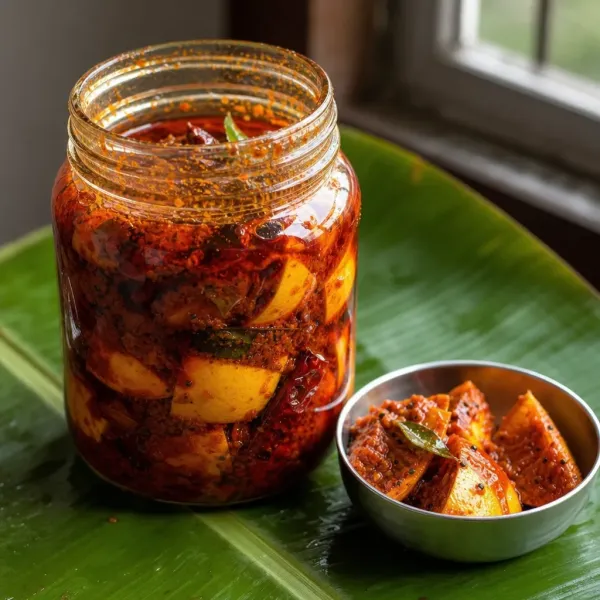
Naranga Achar
Traditional Kerala lemon pickle with a 10-day salt cure, coconut oil tempering, and fenugreek-chilli masala. Step-by-step household method from Trava…
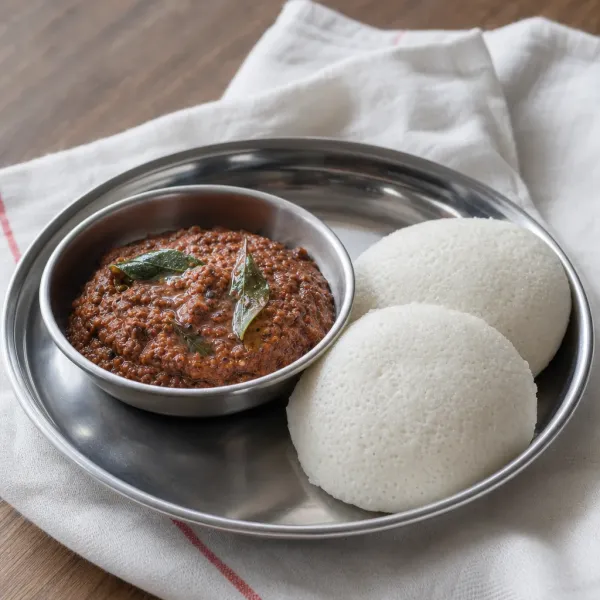
Kathirikai Chutney
Traditional Tamil Brahmin roasted brinjal chutney with gingelly oil tempering. No onion, no garlic. Ready in 30 minutes. Serve with idli or dosa.
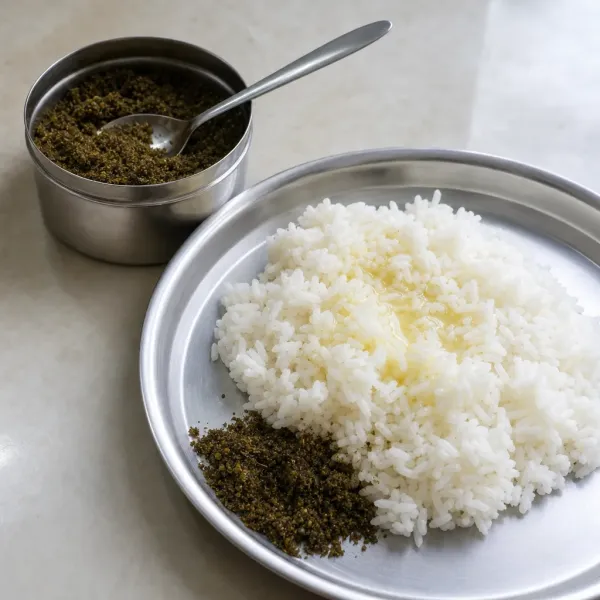
Karuveppilai Podi (Curry Leaf Powder)
Traditional Tamil Iyer karuveppilai podi made with urad dal, black pepper and dry curry leaves. A step-by-step household recipe for rice podi.
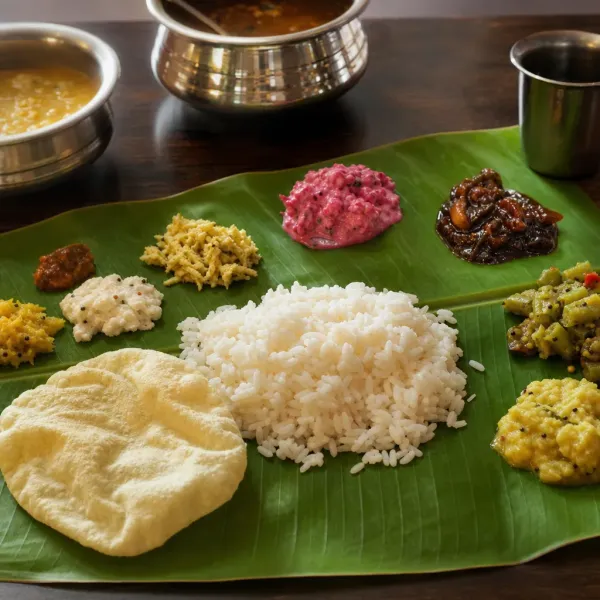
Puli Inji
Traditional Kerala puli inji recipe for sadya – fresh ginger and tamarind cooked to a thick, dark condiment with jaggery and coconut oil tempering.
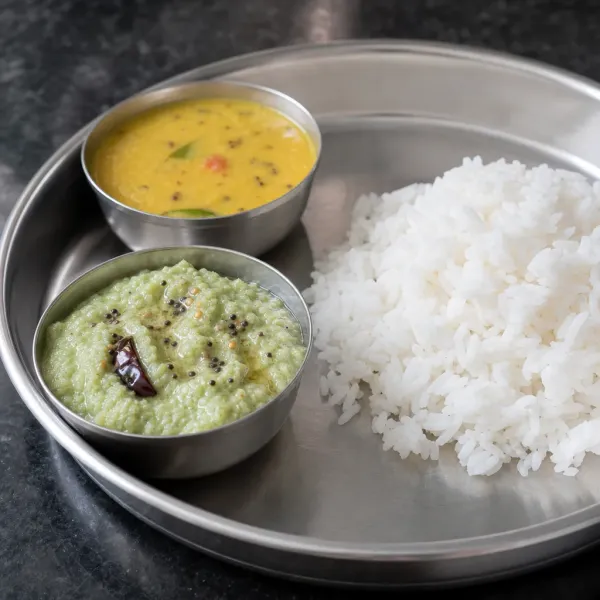
Beerakaya Pachadi
Traditional Coastal Andhra beerakaya pachadi: ridge gourd cooked in gingelly oil, ground coarse with coconut and cumin, finished with a mustard tadka…
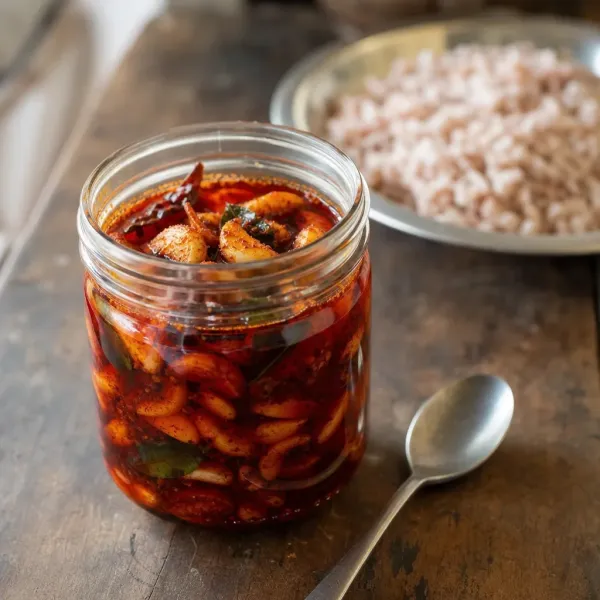
Veluthulli Achar
Traditional Malabar-style garlic pickle in coconut oil with Kashmiri chilli and vinegar. A fiery, long-keeping condiment from the Mappila kitchen.