

Beerakaya Pachadi Recipe
Malayalam ബീരക്കായ പച്ചടിTamil பீர்க்கங்காய் பச்சடிKannada ಹೀರೆಕಾಯಿ ಪಚ್ಚಡಿTelugu బీరకాయ పచ్చడి
- Prep15 min
- Cook20 min
- Serves4
- DifficultyEasy
- DietVegan
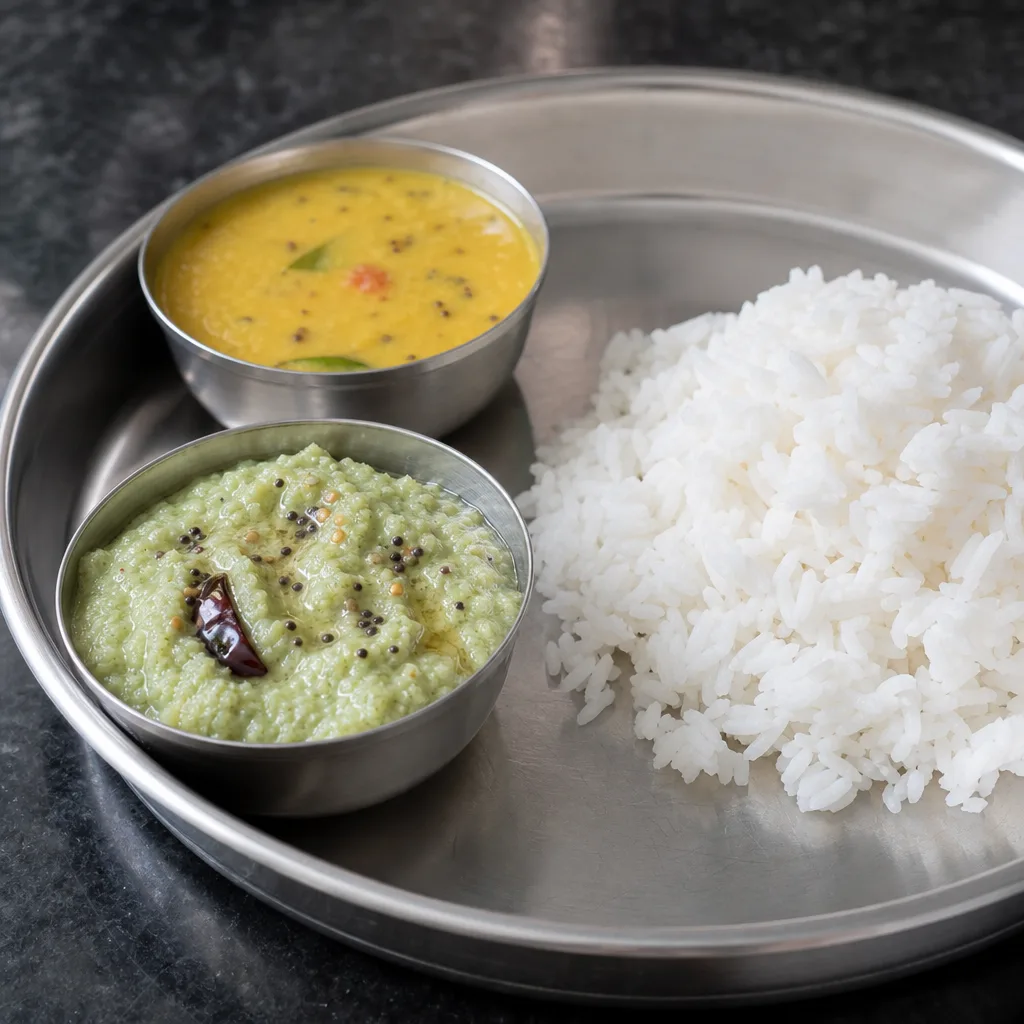
Beerakaya pachadi is a everyday Andhra chutney made from the soft inner flesh and peel of ridge gourd. It sits on the thali alongside rice and pappu, doing the quiet work of a side dish that is cooling, lightly tangy, and mildly spiced. It is not a preserve and it is not a raita; the cooked gourd is ground to a coarse paste and tempered with mustard and dried red chilli, and it is eaten the same day it is made.
Most Coastal Andhra households make this at least once a week because ridge gourd is cheap, available through most of the year, and easy on the digestion. Some cooks peel the gourd and use only the inner flesh, discarding the ridges and skin entirely. Others, especially older cooks, scrape the ridges off, peel the green skin away, and cook it all together, which gives a slightly more textured result. Both are correct. The version here uses the flesh and the thin scraped skin together, which is the more common household practice.
The fat is gingelly oil. Some families use a small piece of tamarind in the paste; others rely only on the natural sourness of the gourd. This recipe does not use tamarind, which is the plainer, more traditional version for Coastal Andhra. If your gourd is very bland, a small pinch of tamarind can go in during grinding.
Ingredients (serves 4)
For the chutney base
For grinding
For the tadka
Method
Prepare the gourd
Scrape the hard ridges off the gourd with the back of your knife. Peel the green skin in thin strips and keep it aside; do not discard it. Cut the flesh into rough 2 cm pieces. The skin and flesh will cook together.
Cook the gourd
Heat 2 tsp gingelly oil in a heavy pan over medium flame. Add the green chillies and let them blister for 30 seconds. Add the chopped gourd flesh and the reserved peel. Sprinkle salt, stir once, cover, and cook on low heat for 10 to 12 minutes. The gourd releases its own water and turns completely soft; there should be no crunch left. If it looks dry before it softens, add 2 tbsp water.
Cool completely
Take the pan off the heat and spread the cooked gourd on a plate or leave it in the pan uncovered. It must be fully cool before grinding. Grinding it warm makes the paste gummy and loses the fresh flavour of the coconut.
Grind to a coarse paste
Put the cooled gourd, the cooked green chillies, grated coconut, garlic, and cumin seeds into a stone grinder or mixer jar. Grind without adding water first; the gourd has enough moisture. Pulse to a coarse, slightly textured paste, not a smooth purée. Taste for salt and adjust.
Transfer and prepare for tadka
Scrape the paste into a serving bowl or a small steel vessel. Spread it flat so the tadka can coat it evenly when poured.
Make the tadka
Heat 1½ tsp gingelly oil in a small tadka pan over medium-high flame. Add urad dal and let it turn pale gold, about 20 seconds. Add mustard seeds and wait for them to pop. Add the broken dry red chillies and curry leaves; the leaves will crackle and go still in about 10 seconds. Do not let the chillies blacken.
Pour and serve
Pour the sizzling tadka straight over the ground paste. Do not stir it in completely; let the oil pool slightly on top, which is how it is traditionally served. Eat the same day.
How to serve
Steamed rice and pappu (dal, typically kandipappu or pesarapappu); also eaten as a side with mudda pappu annam. A small portion of ghee on hot rice alongside this pachadi is common in many households.
Served with: Steamed rice and pappu (dal, typically kandipappu or pesarapappu); also eaten as a side with mudda pappu annam. A small portion of ghee on hot rice alongside this pachadi is common in many households.
Cook's tips
Choosing the gourd
Use a young, tender ridge gourd. If you press the skin and it gives easily, it is right. An old gourd has a tough, fibrous core and a bitter skin; no amount of cooking fixes bitterness once it is in the paste.
Why the skin goes in
The green peel has a slightly grassy, concentrated flavour that balances the mild flesh. If you discard it entirely, the chutney tastes flat. Scrape the ridges off but keep the smooth green skin between them.
Tamarind variation
If the gourd tastes very bland after cooking, add a small piece of tamarind (about the size of a chickpea, soaked and squeezed) to the grinder. Do not add it otherwise; the gourd's natural sourness is usually enough.
Storage
This pachadi does not keep well because of the fresh coconut. Make only what you will eat at one meal. Refrigerating it overnight dulls the flavour and the tadka oil congeals.
Mixer versus stone grinder
A stone grinder gives a better texture because you can stop at coarse. In a mixer, use the pulse function and stop early; it is easy to over-grind to a watery paste.
Regional variations
A Telangana version uses more dry red chillies and skips the fresh coconut entirely; Tamil households make a similar pachadi with tamarind added to the coconut paste.
Glossary
- Beerakaya బీరకాయ
- Telugu name for ridge gourd (Luffa acutangula).
- Pachadi పచ్చడి
- In Andhra cooking, a broad category of chutneys and relishes made from raw or briefly cooked vegetables, ground with coconut and spices and finished with a tadka.
- Nuvvula nune నువ్వుల నూనె
- Gingelly oil, sesame oil; the traditional cooking fat for Andhra chutneys and kuzhambu-style dishes.
- Jeelakarra జీలకర్ర
- Cumin seeds; used raw in the grinding paste for this pachadi.
- Avalu ఆవాలు
- Mustard seeds; the first spice into the tadka oil.
- Tadka తాళింపు
- The tempering of whole spices in hot oil poured over a finished dish to add fragrance and heat.
- Pappu పప్పు
- Cooked lentil dal; the staple accompaniment to rice in Andhra households.
Two things decide this pachadi: the age of the gourd and the texture of the grind. A young gourd cooks in minutes and has a clean, mild flavour that the coconut and cumin can lift. An overripe one turns bitter and no tadka rescues it. Stop the grinder while the paste still has some body; a smooth purée loses the character of the dish entirely.
More Chutneys, Podis & Pickles recipes
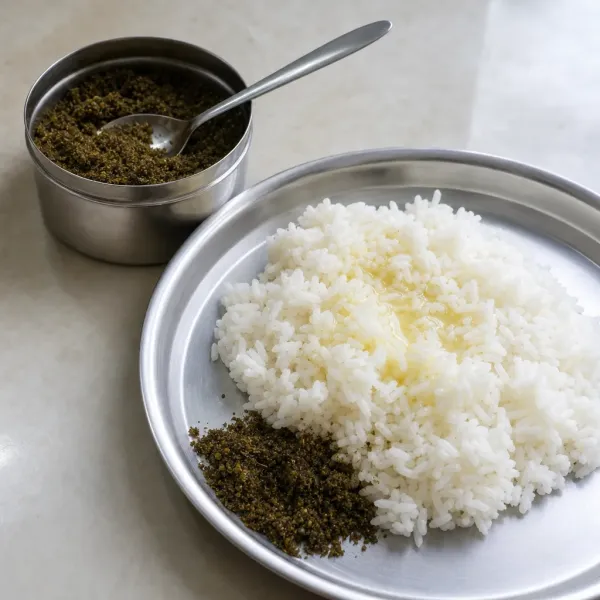
Karuveppilai Podi (Curry Leaf Powder)
Traditional Tamil Iyer karuveppilai podi made with urad dal, black pepper and dry curry leaves. A step-by-step household recipe for rice podi.
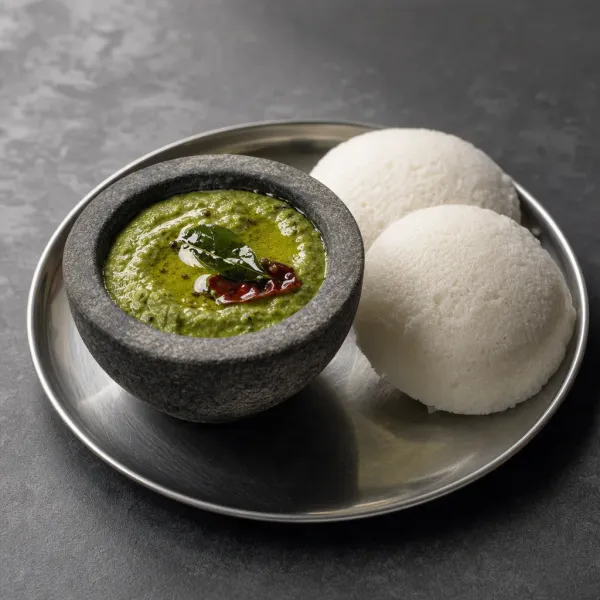
Pudina Chutney
Traditional Tamil Brahmin pudina chutney with fresh coconut, green chilli and tamarind, finished with a gingelly oil tadka. Ready in 15 minutes.
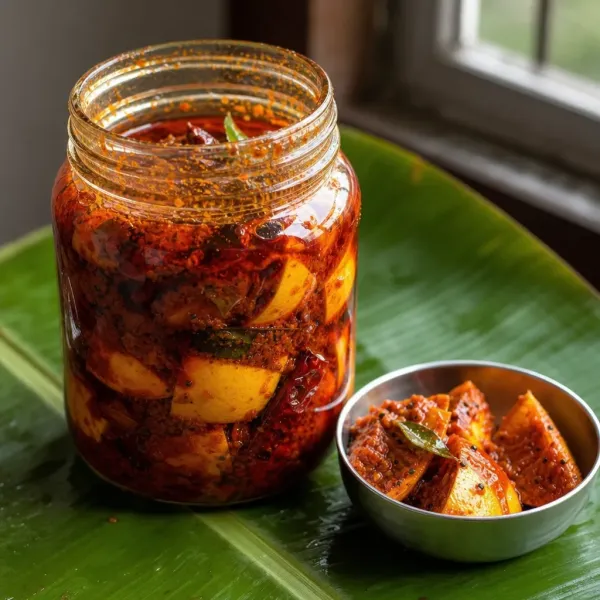
Naranga Achar
Traditional Kerala lemon pickle with a 10-day salt cure, coconut oil tempering, and fenugreek-chilli masala. Step-by-step household method from Trava…
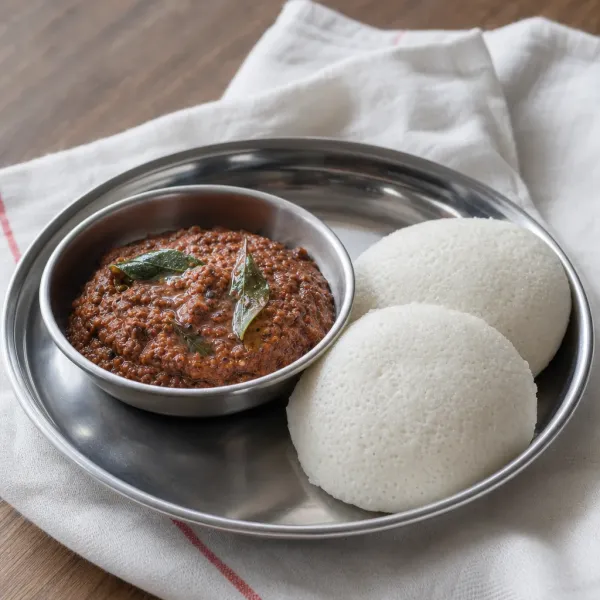
Kathirikai Chutney
Traditional Tamil Brahmin roasted brinjal chutney with gingelly oil tempering. No onion, no garlic. Ready in 30 minutes. Serve with idli or dosa.
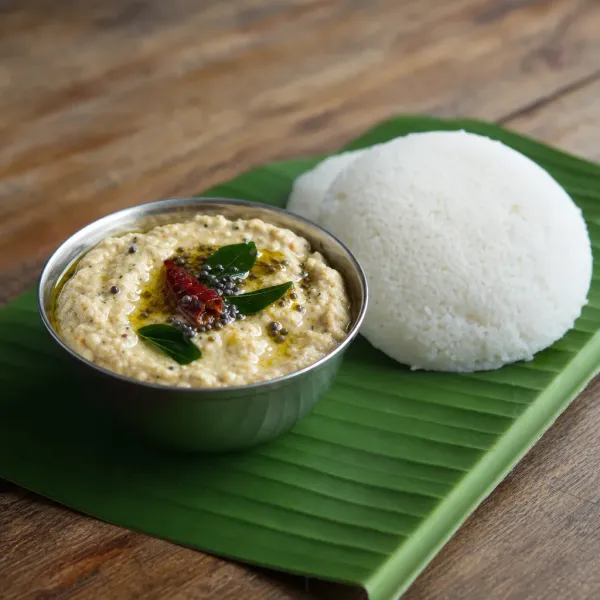
Andhra Peanut Chutney (Pallī Pachchadi)
Authentic Andhra pallī pachchadi: dry-roasted peanuts ground thick with Guntur chillies, tamarind and garlic, finished with a gingelly oil tempering.
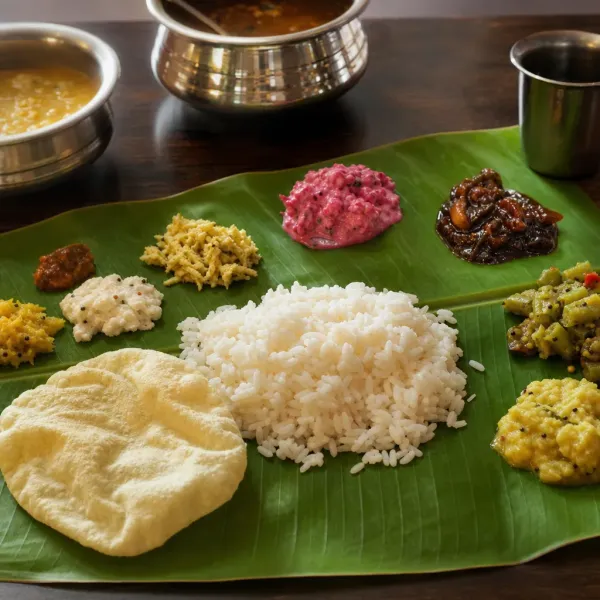
Puli Inji
Traditional Kerala puli inji recipe for sadya – fresh ginger and tamarind cooked to a thick, dark condiment with jaggery and coconut oil tempering.