

Andhra Peanut Chutney (Pallī Pachchadi) Recipe
Malayalam നിലക്കടല ചട്ണിTamil வேர்க்கடலை சட்னிKannada ಕಡಲೆಕಾಯಿ ಚಟ್ನಿTelugu పల్లీ పచ్చడి
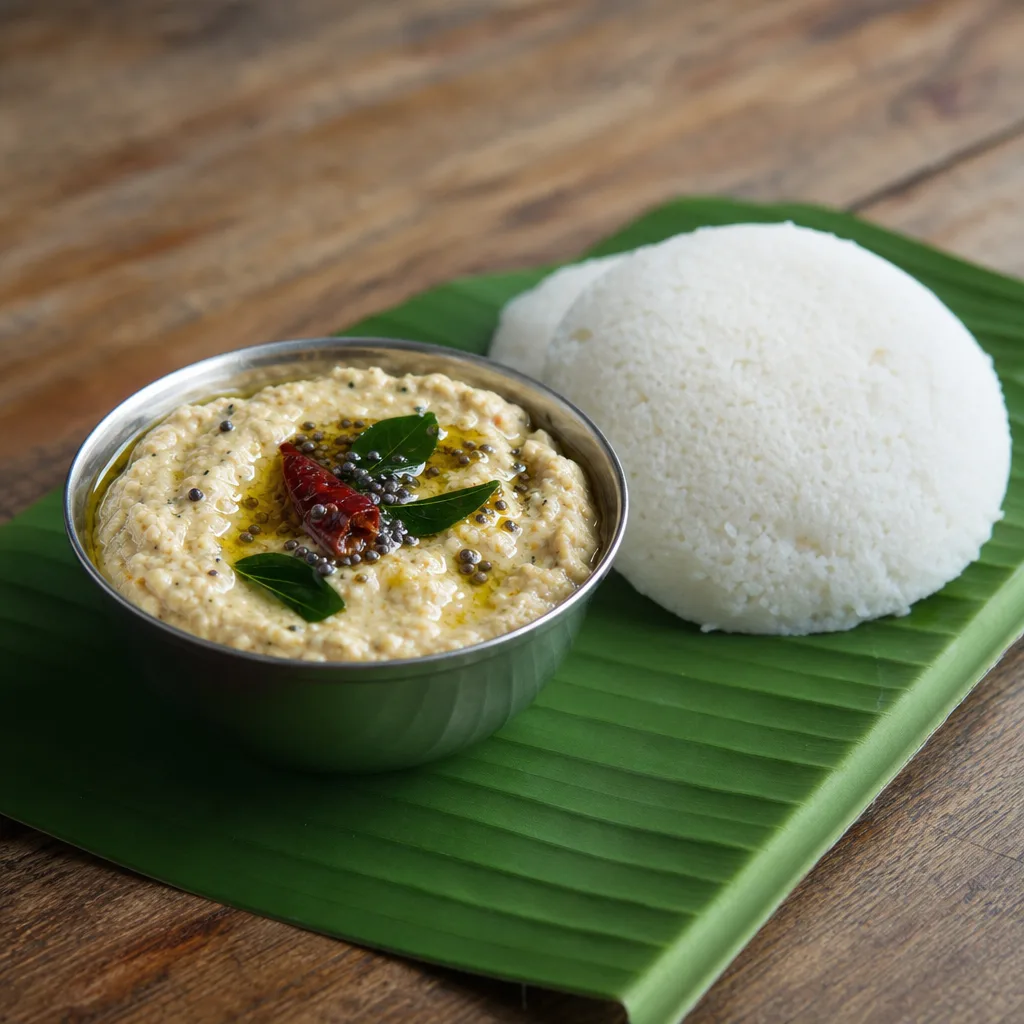
- Prep10 min
- Cook15 min
- Serves4
- DifficultyEasy
- DietVegan
Pallī pachchadi is a staple of the Andhra breakfast table, eaten every morning in countless households across Rayalaseema and coastal Andhra. It is thick, boldly spiced, and built on dry-roasted peanuts ground with red chillies, tamarind, and garlic. There is no coconut here — this is not a Kerala or Tamil Nadu chutney — and the heat is real, not polite.
The chutney is made fresh each morning. Leftover chutney from the previous day is rarely used; the texture stiffens and the raw garlic turns sharp. Most households roast the peanuts in a dry iron kadai, rubbing the skins off in a cloth while the nuts are still warm. The grinding is done in a stone grinder or a small mixer jar, with just enough water to bring it to a thick, coarse paste — not smooth, not runny.
The tempering is what finishes it. Hot gingelly oil, mustard seeds, dried red chilli, curry leaves, and a pinch of asafoetida go in at the end and are poured over the ground chutney. Some cooks add a small piece of urad dal to the tempering for a faint nuttiness. The quantity of red chilli varies by household — Rayalaseema cooks tend to use the fiery Guntur variety and use it generously.
Ingredients (serves 4)
For the chutney base
For the tempering
Method
Dry-roast the peanuts
Place a heavy iron kadai over medium heat. Add the raw peanuts in a single layer and roast, stirring constantly, for 8 to 10 minutes. The skins will blister and darken in patches, and the nuts will smell toasty and nutty — not burnt. A peanut pressed between your fingers should feel dry and crumbly inside, not soft.
Rub off the skins
Tip the hot peanuts onto a clean cotton cloth. Gather the cloth and rub the peanuts vigorously between your palms for a minute. Open the cloth and blow gently — most skins will lift away. A few remaining skins are fine; they will not harm the chutney. Let the peanuts cool for 5 minutes before grinding.
Roast the dried red chillies
In the same dry kadai over low heat, add the dried red chillies and press them gently with a spatula for 20 to 30 seconds per side. They should puff slightly and smell fragrant. Do not let them blacken or the chutney will taste bitter. Set aside to cool.
Soak the tamarind
Place the tamarind in a small bowl with 2 tablespoons of warm water. Let it sit for 5 minutes, then squeeze and dissolve it fully in the water. Discard any fibre or seeds. You need only the soaking liquid and dissolved pulp.
Grind the chutney
Put the cooled peanuts, roasted red chillies, garlic cloves, and tamarind water into a mixer jar or stone grinder. Add salt. Grind coarsely first, then add water one tablespoon at a time, grinding between additions. Stop when you have a thick, slightly textured paste — it should hold its shape on a spoon, not pour. Four to six tablespoons of water is usually enough. Taste and adjust salt and tamarind.
Transfer to a bowl
Scrape the chutney into a wide serving bowl. It will be pale beige with flecks of red chilli skin. Spread it slightly so the tempering can coat the surface evenly.
Make the tempering
Heat the gingelly oil in a small tempering pan over medium-high heat until it shimmers. Add the urad dal and let it turn light golden, about 20 seconds. Add the mustard seeds and wait for them to pop. Add the broken red chilli, curry leaves — stand back as they will splutter — and the asafoetida. The whole tempering takes under a minute from the time the dal goes in.
Pour and serve immediately
Pour the hot tempering directly over the ground chutney. Do not stir it in — let the oil pool on top so it stays fragrant. Serve at once while the tempering is sizzling.
How to serve
Idli, dosa, pesarattu, or plain rice with a drizzle of gingelly oil. In Rayalaseema households it is also eaten with ragi mudde.
Served with: Idli, dosa, pesarattu, or plain rice with a drizzle of gingelly oil. In Rayalaseema households it is also eaten with ragi mudde.
Cook's tips
Guntur versus Byadagi chillies
Guntur chillies give fierce heat and a deep red colour. Byadagi chillies are milder and give a brighter red. Many Andhra cooks use a mix — two Guntur for heat, two byadagi for colour. Using only mild chillies makes a chutney that is not authentically Andhra in character.
Do not over-grind
A smooth, hummus-like texture is the most common mistake. The traditional chutney is coarse enough that you can feel the peanut. Over-grinding also heats the nuts and makes the chutney oily and heavy.
Raw garlic versus roasted
Some households roast the garlic cloves in the dry kadai for a minute alongside the chillies to mellow the sharpness. Raw garlic gives a punchier result. Both are traditional; choose based on how the chutney will be eaten — raw garlic is fine for immediate service, roasted is better if it will sit even briefly.
Storage
This chutney is best eaten within an hour of making. If you must store it, refrigerate without the tempering and add a fresh tempering just before serving. The garlic turns unpleasant overnight.
Gingelly oil is not optional
In Andhra cooking, gingelly oil (cold-pressed sesame oil) is the correct fat for the tempering. Refined sunflower oil makes a flat-tasting chutney. The slightly nutty, faintly bitter edge of gingelly oil is part of the flavour.
Regional variations
Telangana households sometimes add roasted chana dal alongside the peanuts and use less tamarind; Tamil Nadu versions often include coconut and use less chilli.
Glossary
- Pallī pachchadi పల్లీ పచ్చడి
- Peanut chutney in Telugu; pallī means peanut, pachchadi is the Telugu word for a ground or pounded condiment.
- Kudampuli കുടംപുളി
- Gamboge or Malabar tamarind used in Kerala cooking; not used in this recipe, which uses ordinary tamarind (chintapandu in Telugu).
- Nalla ennai நல்லெண்ணெய்
- Gingelly oil; cold-pressed sesame oil used as the cooking fat in Tamil Nadu and Andhra kitchens.
- Hing హింగు
- Asafoetida; a dried resin used in small quantities in tempering for its pungent, savoury aroma.
- Pesarattu పెసరట్టు
- A crisp crepe made from whole green moong dal, a classic Andhra breakfast item often paired with this chutney.
Two things decide this chutney: the peanuts must be roasted long enough to be fully dry and nutty inside, and the grinding must stop while the texture is still coarse. Get those two right and the tempering of gingelly oil and curry leaves does the rest.
More Chutneys, Podis & Pickles recipes
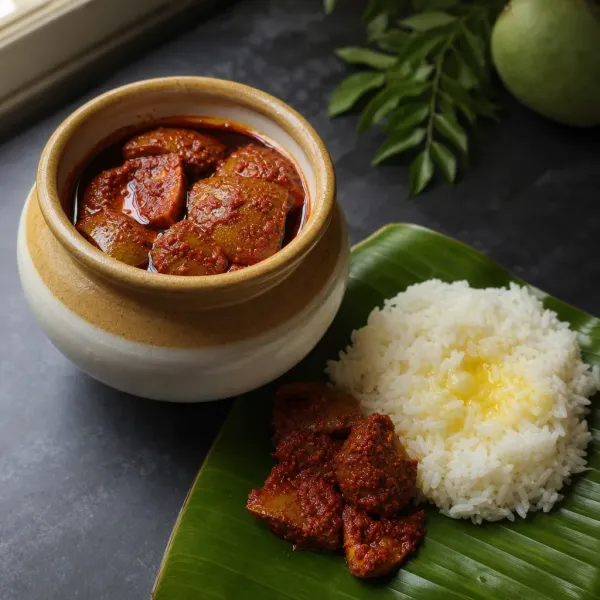
Avakkai
Authentic Andhra avakkai pickle with raw mango, Guntur chilli, mustard powder, and gingelly oil. Traditional household method, no cooking required.
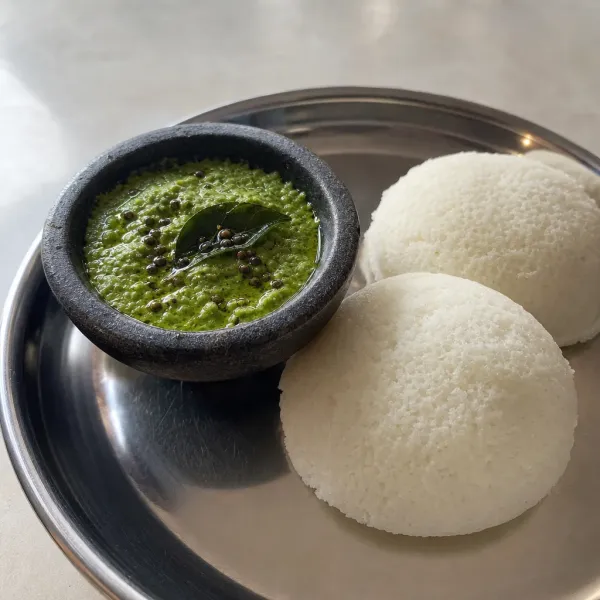
Kothamalli Chutney
Fresh coriander chutney from a Tamil Iyer kitchen: ground with coconut and tamarind, tempered in gingelly oil. Ready in 15 minutes. Bright green and…
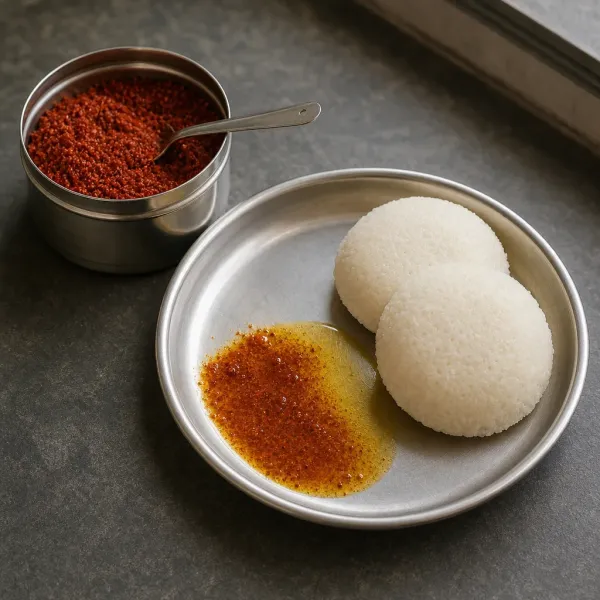
Idli Milagai Podi (Gunpowder)
Authentic Tamil Iyer milagai podi made with urad dal, chana dal, and dry red chillies. Coarse, nutty, properly hot. Traditional household recipe.
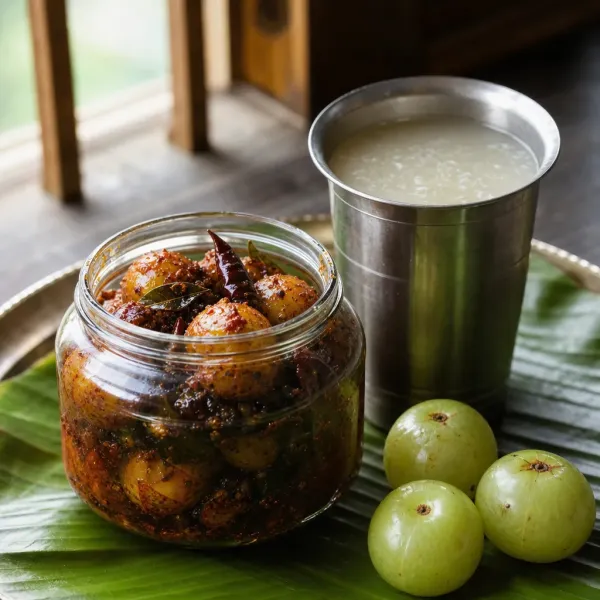
Nellikka Achar
Traditional Kerala gooseberry pickle made with coconut oil, curry leaves and whole spices. Keeps for weeks. A classic sadya condiment.
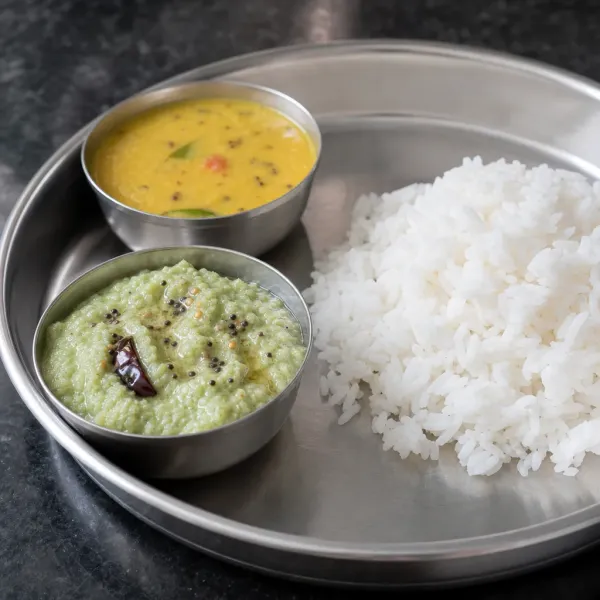
Beerakaya Pachadi
Traditional Coastal Andhra beerakaya pachadi: ridge gourd cooked in gingelly oil, ground coarse with coconut and cumin, finished with a mustard tadka…
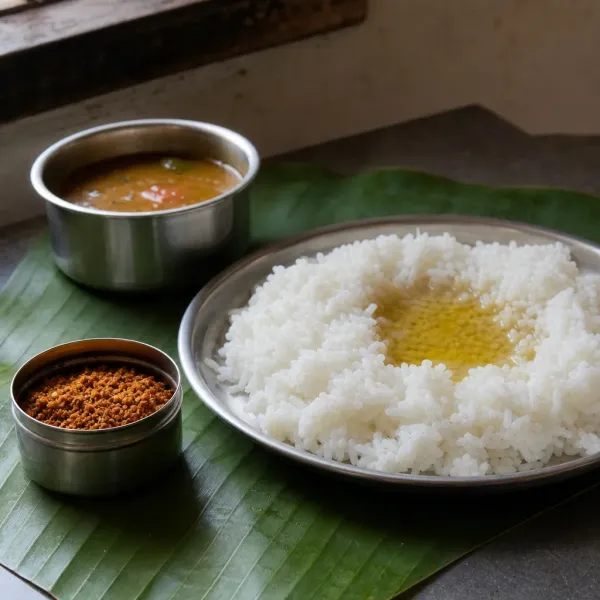
Poondu Podi
Traditional Kongunad poondu podi recipe: garlic, urad dal, chana dal and dry red chillies roasted in gingelly oil and ground to a coarse spice powder…