

Avakkai Recipe
Malayalam ആവക്കായ്Tamil ஆவக்காய்Kannada ಆವಕ್ಕಾಯಿTelugu ఆవకాయ
- Prep45 min
- Soak / ferment120 hr
- ServesMakes roughly 1.5 kg pickle; a household
- DifficultyMedium
- DietVegan
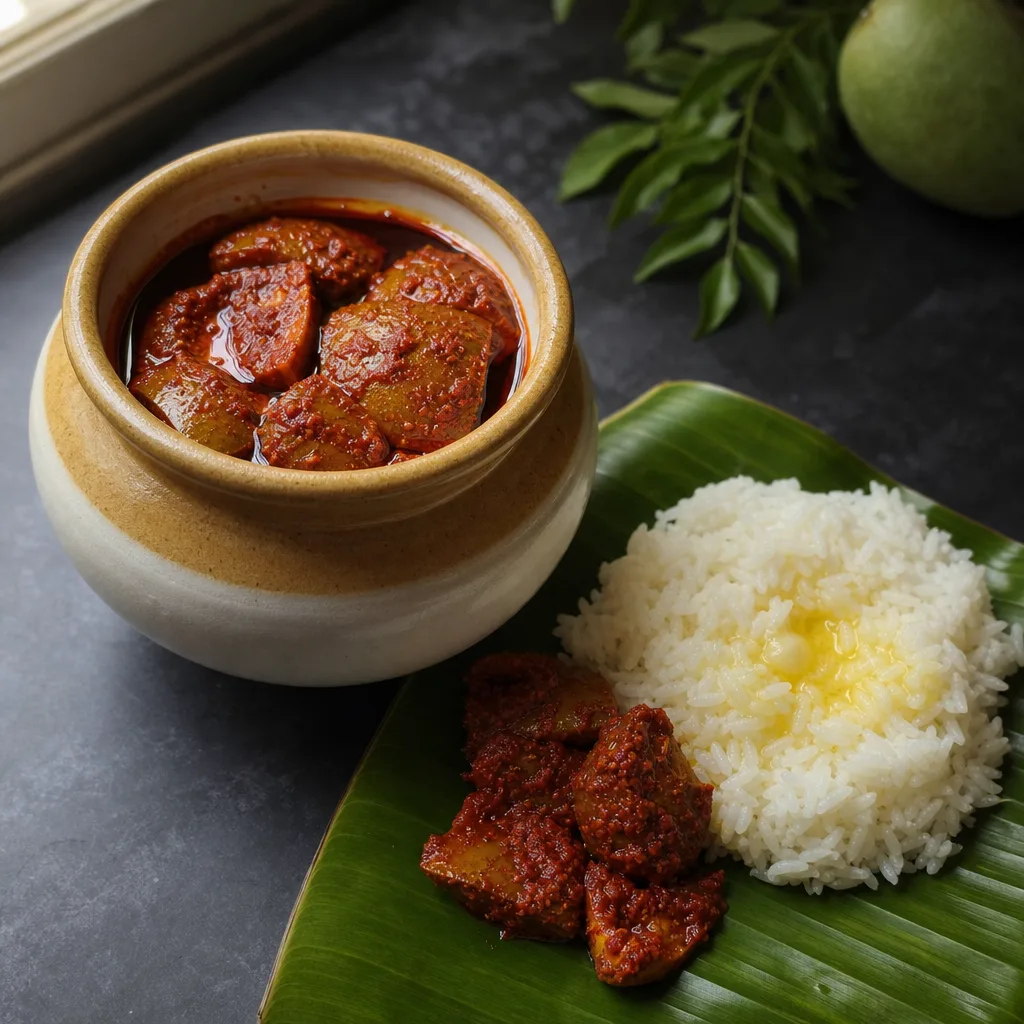
Avakkai is the pickle that defines the Telugu table. It is made once a year when the raw mangoes come in — firm, sour, just before the rains — and it is expected to last the whole year. Every household in coastal Andhra and Rayalaseema has its own ratio of mustard to chilli, and families argue about it the way they argue about nothing else.
The mango is cut with the stone: each piece keeps a section of the kernel inside, and that kernel slowly releases a faint bitterness that is part of the flavour. Cutting boneless is a different pickle altogether. The pieces are large, not thin slices. The salt, mustard powder, and chilli powder go on raw; nothing is cooked. The oil must be raw gingelly oil, heated once and cooled completely before it touches the mango.
At the table it goes alongside plain rice and ghee, or with curd rice at the end of a meal. A single piece is enough. It is very salty, very hot, and deeply sour, and that is exactly what it should be.
Ingredients (serves Makes roughly 1.5 kg pickle; a household)
Mango
Spice mix
Oil
Tempering
Method
Choose and cut the mangoes
Select mangoes that are rock-hard, deeply sour, and have no soft spots. Wash them the day before, then spread them out and let them dry overnight — they must be completely free of surface moisture before you cut them. Cut each mango into large pieces, roughly 3–4 cm, keeping a section of the stone and its kernel attached to each piece. Wipe every cut piece with a clean dry cloth.
Heat and cool the oil
Pour the gingelly oil into a small heavy pan and heat it on a medium flame until it just begins to smoke — you will see the first wisps rising. Remove from the heat immediately. Let it cool completely to room temperature. This heating removes the raw smell and helps the pickle keep; the cooling is essential, because warm oil on raw mango will cook it slightly and ruin the texture.
Temper the cooled oil
Once the oil is fully cool, reheat a small portion of it — about 2 tbsp — in a small pan. Add the mustard seeds and let them splutter. Add the dried red chillies and asafoetida, stir once, and pour this tempering back into the rest of the cooled oil. Let this mixture cool again before it goes near the mango.
Mix the spice powders
In a large dry bowl — ceramic, glass, or stone; avoid steel for long pickling — combine the mustard powder, chilli powder, salt, and fenugreek powder. Mix them together thoroughly with a dry spoon.
Combine mango and spices
Add the dried mango pieces to the spice mixture. Using clean, completely dry hands, toss until every piece is well coated on all sides. The spice mix should cling thickly to each piece.
Add the oil
Pour the cooled tempered oil over the coated mango pieces. Mix again with a dry spoon until the oil is distributed through the spices and begins to form a loose paste around each piece. The mixture will look quite dry at this stage; it loosens as the mango releases its juices over the next few days.
Pack into the jar
Transfer the pickle into a clean, completely dry ceramic or glass jar. Press it down firmly so there are no air pockets. The oil may not fully cover the mango at this point; that is normal. Seal the jar with a tight lid.
Rest and mature
Leave the jar at room temperature, out of direct sunlight, for 4 to 5 days. Each day, open the jar and stir the contents with a clean dry spoon, then reseal. The mango will release its juices and the oil will rise to cover the pieces by day 2 or 3. By day 5, the spices will have mellowed into the mango and the pickle will be ready to eat. If your kitchen is very cool, allow a day or two more.
Check before storing
Taste a piece. It should be intensely salty, hot, and sour, with the mango still firm but no longer raw-tasting. The oil should float clearly on top when the jar is still. If the mango still tastes raw and sharp in an unpleasant way, give it another day. Transfer to smaller jars for daily use, always using a dry spoon.
How to serve
Plain steamed rice with a spoonful of ghee; curd rice (thayir sadam / perugu annam) at the end of a meal; also eaten with roti or as part of a full Telugu meal.
Served with: Plain steamed rice with a spoonful of ghee; curd rice (thayir sadam / perugu annam) at the end of a meal; also eaten with roti or as part of a full Telugu meal.
Cook's tips
Moisture is the enemy
Any water in the jar, on the mango, on your hands, or on the spoon will cause the pickle to go mouldy within days. Dry everything twice. This is the single most common reason a batch fails.
The mango variety matters
The traditional mango for avakkai is a small, very sour naatu (country) variety — not Alphonso, not Totapuri. The sourness is structural to the pickle. A sweet or mildly sour mango produces a flat result. In Andhra, specific varieties like Banganapalli raw stage or local sour mangoes are used.
Guntur chilli is not optional
The heat level of avakkai is built on Guntur red chilli. It is genuinely very hot. Do not reduce the quantity the first time you make it and then wonder why it tastes mild; avakkai is supposed to be fiery. If you cannot find Guntur chilli, use the hottest dry red chilli available to you, but know the flavour will differ.
Rock salt only
Iodised table salt can cause the pickle to darken and may affect the microbial balance during the resting period. Use non-iodised rock salt or coarse sea salt.
Keeping the pickle through the year
A well-made avakkai with the correct salt ratio keeps at room temperature for a full year. Always use a dry spoon. If the oil level drops and the mango pieces are exposed, heat a little more gingelly oil, cool it completely, and pour it over the top.
The kernel piece
The section of stone kernel in each piece is traditional and intentional. It adds a slight bitterness that balances the heat and sourness over time. If you cut the mango boneless, the pickle is edible but it is a different thing.
Regional variations
Kerala kadumanga (small whole mangoes in brine, Mappila and Nasrani kitchens); Tamil Nadu maanga oorugai (mustard-heavy, gingelly oil, sometimes with garlic); Karnataka mavina uppinakayi (milder, less chilli, sometimes with jaggery in Udupi homes).
Glossary
- Avakkai ఆవకాయ
- Telugu name for this mustard-and-chilli raw mango pickle; 'ava' refers to mustard, 'kaya' means raw fruit.
- Avalu podi ఆవాలు పొడి
- Coarsely ground mustard seed powder, the defining spice of this pickle.
- Menthi podi మెంతి పొడి
- Dry-roasted fenugreek seed powder; used in small quantities to add depth and slight bitterness.
- Inguva ఇంగువ
- Asafoetida; used in tempering to add a pungent, savoury base note.
- Naatu maanga నాటు మామిడి
- Country or native mango variety; small, intensely sour, the correct mango for this pickle.
- Gingelly oil నువ్వుల నూనె
- Cold-pressed raw sesame oil; the preserving and flavouring oil for Telugu and Tamil pickles and kuzhambu.
Two things decide this pickle: completely dry everything at every stage, and the quality of the mango. A sour, firm, naatu mango with the stone piece intact, packed with the right ratio of salt, mustard, and Guntur chilli, and left to rest for five days in a sealed jar — that is avakkai. Rush the drying or use the wrong mango and no amount of good chilli powder will save it.
More Chutneys, Podis & Pickles recipes
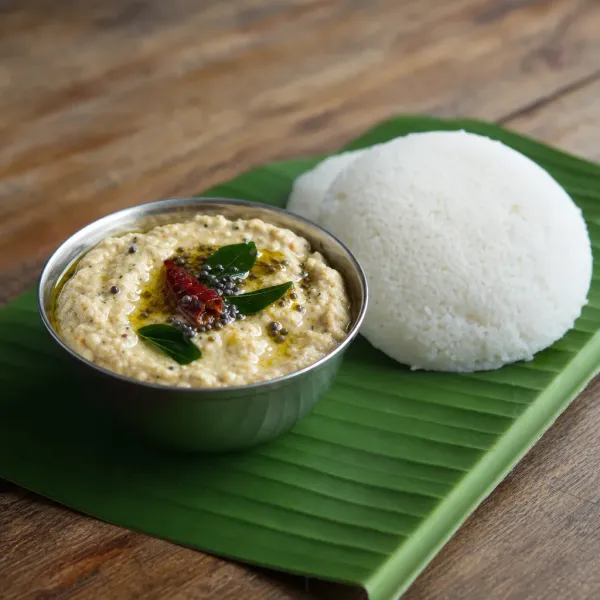
Andhra Peanut Chutney (Pallī Pachchadi)
Authentic Andhra pallī pachchadi: dry-roasted peanuts ground thick with Guntur chillies, tamarind and garlic, finished with a gingelly oil tempering.
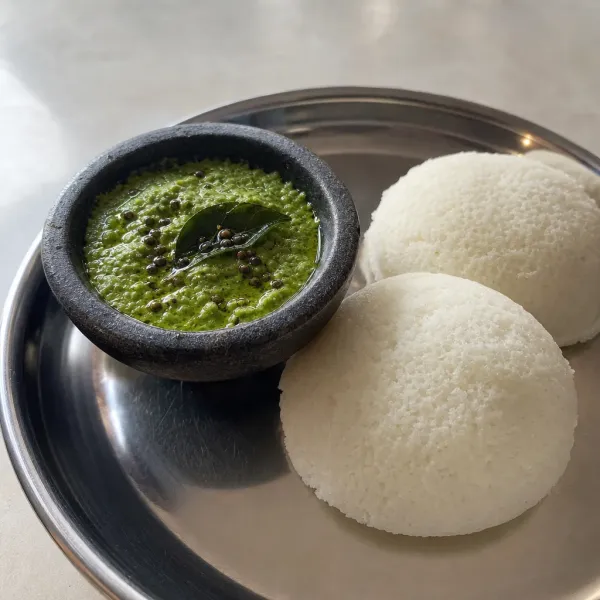
Kothamalli Chutney
Fresh coriander chutney from a Tamil Iyer kitchen: ground with coconut and tamarind, tempered in gingelly oil. Ready in 15 minutes. Bright green and…
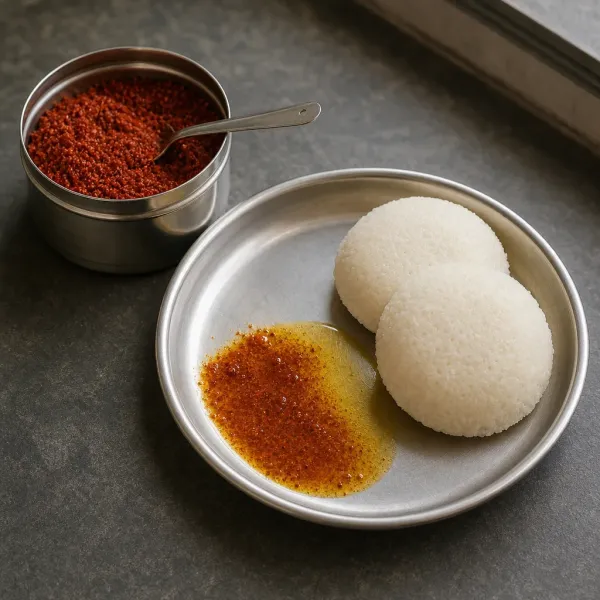
Idli Milagai Podi (Gunpowder)
Authentic Tamil Iyer milagai podi made with urad dal, chana dal, and dry red chillies. Coarse, nutty, properly hot. Traditional household recipe.
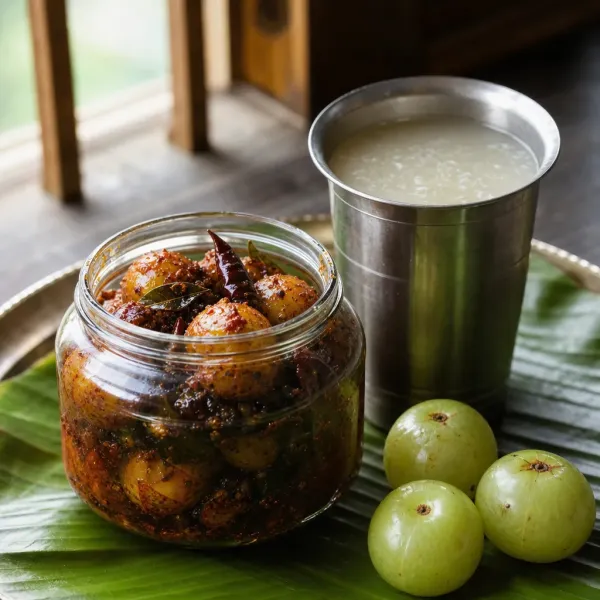
Nellikka Achar
Traditional Kerala gooseberry pickle made with coconut oil, curry leaves and whole spices. Keeps for weeks. A classic sadya condiment.
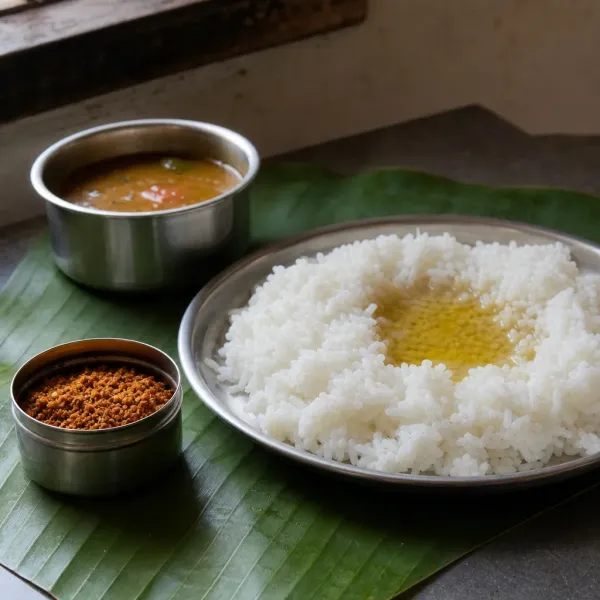
Poondu Podi
Traditional Kongunad poondu podi recipe: garlic, urad dal, chana dal and dry red chillies roasted in gingelly oil and ground to a coarse spice powder…
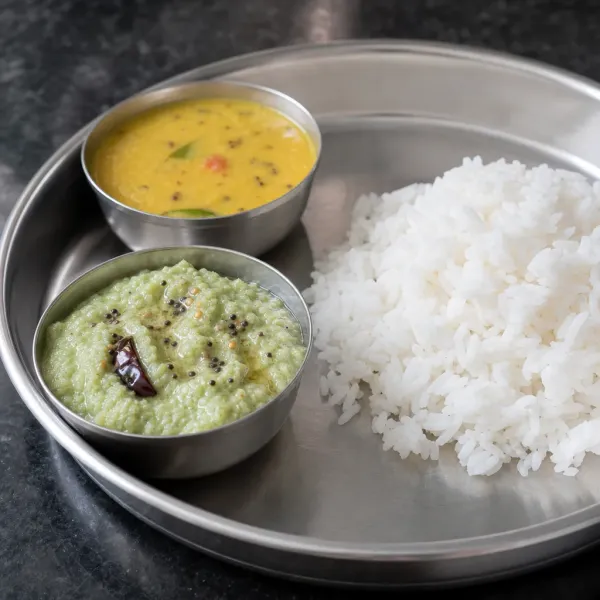
Beerakaya Pachadi
Traditional Coastal Andhra beerakaya pachadi: ridge gourd cooked in gingelly oil, ground coarse with coconut and cumin, finished with a mustard tadka…