

Nellikka Achar Recipe
Malayalam നെല്ലിക്ക അച്ചാർTamil நெல்லிக்காய் ஊறுகாய்Kannada ನೆಲ್ಲಿಕಾಯಿ ಉಪ್ಪಿನಕಾಯಿTelugu ఉసిరికాయ నిల్వ పచ్చడి
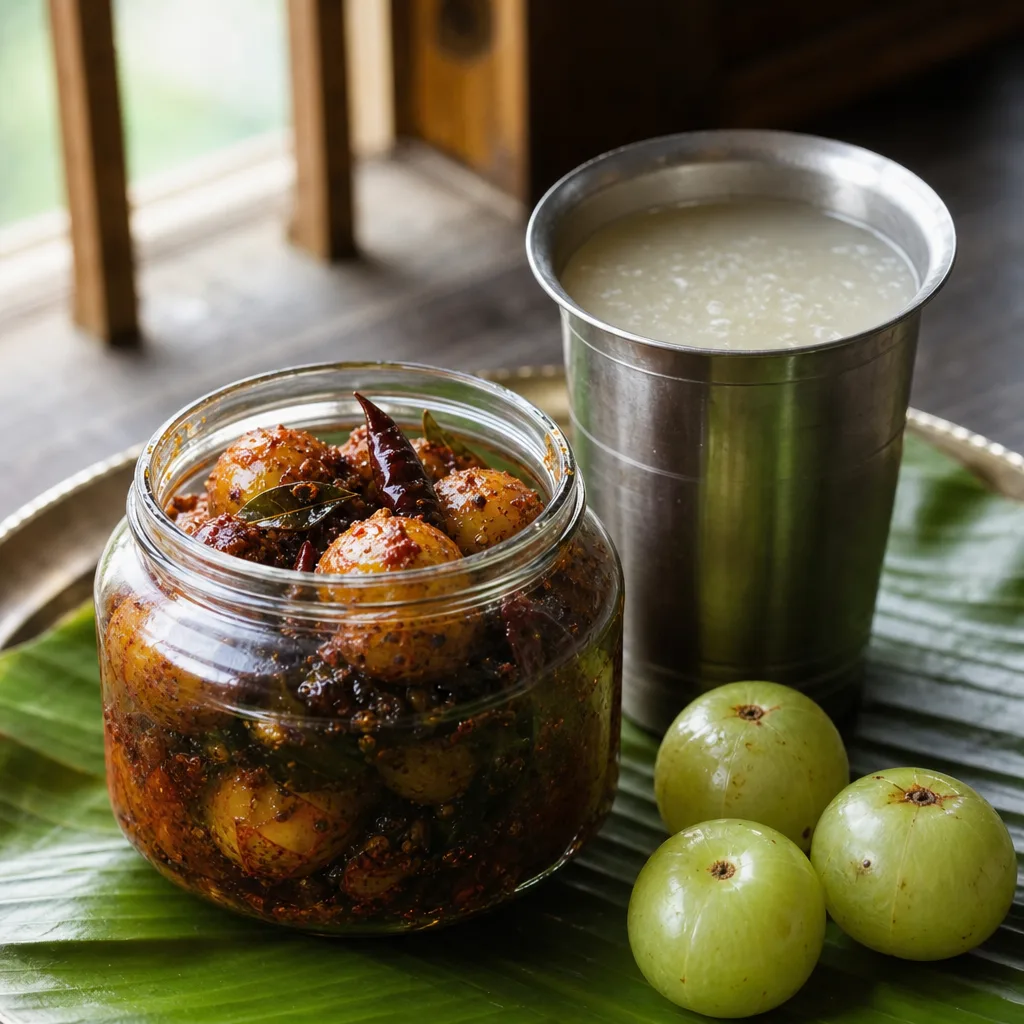
- Prep20 min
- Cook25 min
- ServesMakes roughly 500 g pickle
- DifficultyEasy
- DietVegan
Nellikka achar is a fixture in Kerala kitchens from October through February, when Indian gooseberries come in hard and bright and the markets pile them up by the kilo. The pickle is sharp, slightly bitter, and hot, and it is made to last — a small bottle kept in the pantry for weeks, pulled out to eat a piece or two alongside rice and dal or with kanji on a rainy morning.
The Travancore household version uses coconut oil, which gives the pickle a particular body and a flavour that gingelly oil would change entirely. The gooseberries are cooked briefly so they soften just enough to absorb the spices without collapsing. Some cooks split the fruit before cooking; others keep them whole and let time do the work. Both are correct.
Household differences are mostly in the heat: some families add more dried chillies, some add green chillies alongside. A few older recipes include a small piece of asafoetida fried in the oil, which rounds out the sharpness. The salt ratio matters more than almost anything else here — too little and the pickle will not keep; too much and the gooseberry flavour disappears.
Ingredients (serves Makes roughly 500 g pickle)
For the pickle
Method
Dry the gooseberries completely
After washing, spread the gooseberries on a clean cloth and leave them for at least an hour, turning once. They must be bone dry before they go into the oil. Any water in the pan will make the pickle spoil quickly. Pat each one with a dry cloth if needed.
Score or halve the fruit
Using a sharp knife, make four or five deep cuts into each gooseberry, stopping short of the seed. Do not remove the seed. The cuts let the oil and spices penetrate. Some cooks halve them entirely — that is also fine, but the pickle will be softer and will not keep as long.
Dry-roast the fenugreek
Put a small dry pan on low heat. Add ½ tsp whole fenugreek seeds and stir constantly for about two minutes until they turn a shade darker and smell nutty, not bitter. Tip them out immediately and grind to a fine powder once cool. Fenugreek burns fast; keep the heat low and your attention on the pan.
Heat the oil and temper
Pour the coconut oil into a wide, heavy pan and heat on medium until it is hot but not smoking. Add the mustard seeds and wait for them to pop fully. Add the dried red chillies and the curry leaves — stand back, the leaves will sputter. Fry for thirty seconds until the chillies darken slightly.
Add asafoetida
Add the asafoetida directly into the hot oil and stir for ten seconds. It should foam briefly and smell sharp. Do not let it sit without stirring or it will scorch and turn bitter.
Add the gooseberries
Tip in the scored gooseberries and stir to coat them in the oil. Reduce the heat to medium-low. Cook, stirring every couple of minutes, for eight to ten minutes. The fruit will begin to change colour from bright green to a slightly olive, yellowish green and the skin will look less tight. They should be tender when pressed but still holding their shape.
Add the spice powders
Remove the pan from the heat for a moment. Add the turmeric, Kashmiri chilli powder, red chilli powder, and the freshly ground fenugreek powder. Return to low heat and stir everything together for two minutes so the powders cook in the oil and coat the fruit evenly. The raw smell of the chilli powder should disappear.
Season with salt
Add salt and stir well. Taste one piece of gooseberry — it should be noticeably salty, because the pickle will be eaten in small amounts alongside other food. The salt also preserves the pickle, so do not underseason. Adjust and stir again.
Cool completely before jarring
Take the pan off the heat and leave the pickle uncovered to cool to room temperature. This takes at least an hour. Do not cover it while it is warm — condensation will drip back in and introduce moisture. Once fully cool, pack into a clean, completely dry glass jar.
Rest before eating
The pickle is edible immediately but tastes noticeably better after two or three days, when the gooseberries have absorbed the spiced oil fully. Store at room temperature away from direct sunlight. Always use a dry spoon.
How to serve
Hot rice with dal or sambar; kanji (rice porridge); alongside any Kerala sadya as one of the condiments.
Served with: Hot rice with dal or sambar; kanji (rice porridge); alongside any Kerala sadya as one of the condiments.
Cook's tips
Choosing the fruit
Use hard, fresh nellikka with no soft spots or browning. Overripe gooseberries will turn mushy during cooking and the pickle will not keep well. The smaller, harder varieties found in season are better than the large cultivated ones sold year-round.
Shelf life
Stored in a dry jar with a dry spoon used every time, this pickle keeps well for three to four weeks at room temperature in a Kerala climate. If the oil solidifies in cool weather, that is normal — just bring it to room temperature before serving.
The fenugreek quantity
Keep it to ¼ tsp of ground powder. More than that and the pickle turns bitter, which is the most common mistake. Fenugreek is a background note here, not a main flavour.
Do not substitute gingelly oil
This is the Kerala version and it uses coconut oil. Gingelly oil changes the flavour profile entirely and gives you something closer to a Tamil pickle. Both are good; they are simply different dishes.
Shortcut note
Some households now use a pressure cooker to soften the gooseberries first — one whistle with a little water — then drain, dry, and proceed with the tempering. This saves time but the texture is softer and the keeping quality shorter. The traditional stovetop method gives firmer fruit.
Regional variations
Tamil Nadu households make a similar pickle with gingelly oil and a heavier hit of asafoetida; Andhra kitchens sometimes add fenugreek powder and cook the gooseberries down into a softer, oil-rich paste pickle.
Glossary
- Nellikka നെല്ലിക്ക
- Indian gooseberry (Phyllanthus emblica); small, hard, astringent fruit used in pickles, chutneys and Ayurvedic preparations.
- Achar അച്ചാർ
- Pickle; a spiced, oil-preserved condiment eaten in small quantities alongside rice or bread.
- Kayam കായം
- Asafoetida; the dried resin of Ferula species, used in very small amounts as a digestive and flavouring agent.
- Kanthari കാന്താരി
- Bird's eye chilli; a small, very hot chilli native to Kerala, used whole in pickles and tempering.
- Kanji കഞ്ഞി
- Rice porridge or gruel; a common Kerala breakfast or light meal, often eaten with pickle and pappadam.
What decides this pickle is dryness and salt. Moisture at any stage — on the fruit, in the jar, on the spoon — shortens its life and can ruin a batch. Salt at the right level keeps the fruit preserved and balances the sharpness of the gooseberry. Get those two things right and the rest follows naturally.
More Chutneys, Podis & Pickles recipes
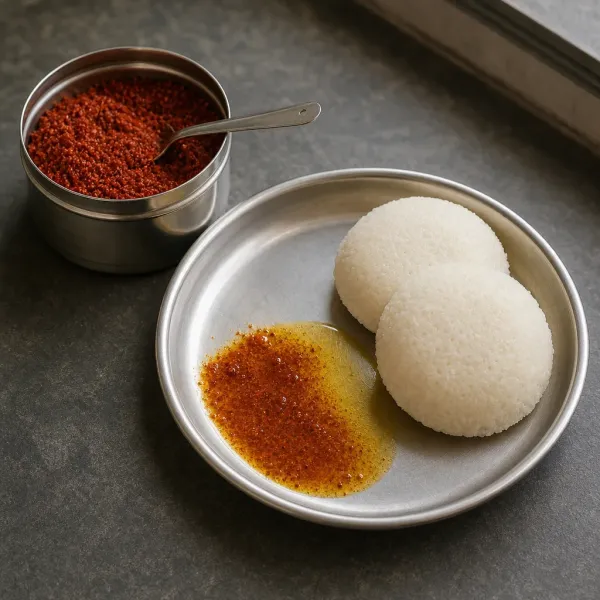
Idli Milagai Podi (Gunpowder)
Authentic Tamil Iyer milagai podi made with urad dal, chana dal, and dry red chillies. Coarse, nutty, properly hot. Traditional household recipe.
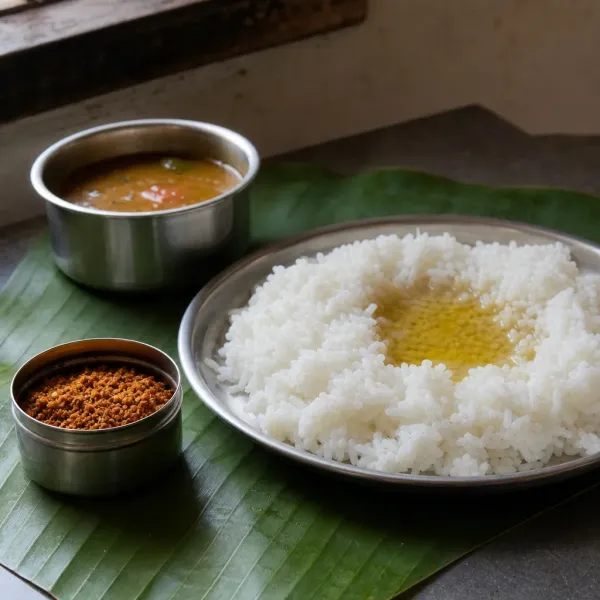
Poondu Podi
Traditional Kongunad poondu podi recipe: garlic, urad dal, chana dal and dry red chillies roasted in gingelly oil and ground to a coarse spice powder…
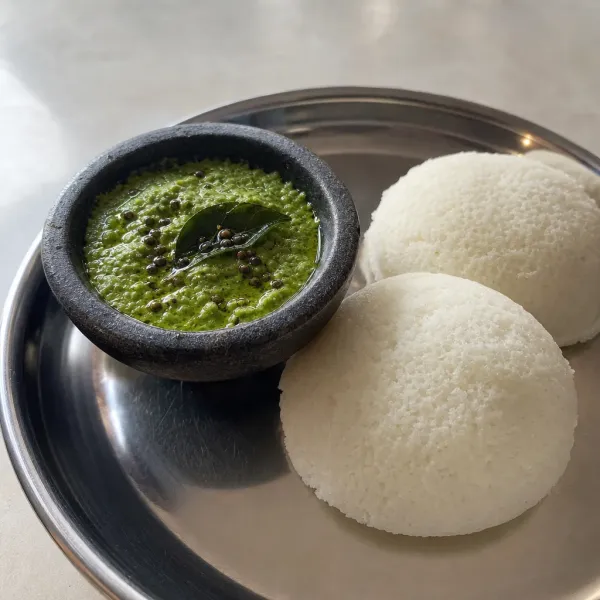
Kothamalli Chutney
Fresh coriander chutney from a Tamil Iyer kitchen: ground with coconut and tamarind, tempered in gingelly oil. Ready in 15 minutes. Bright green and…
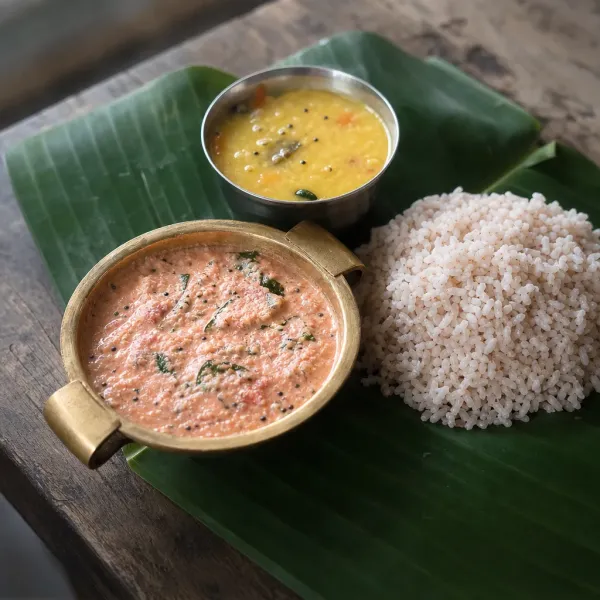
Tomato Pachadi
Traditional Kerala tomato pachadi with fresh coconut paste and curd. A Travancore sadya side dish ready in 30 minutes. Step-by-step recipe.
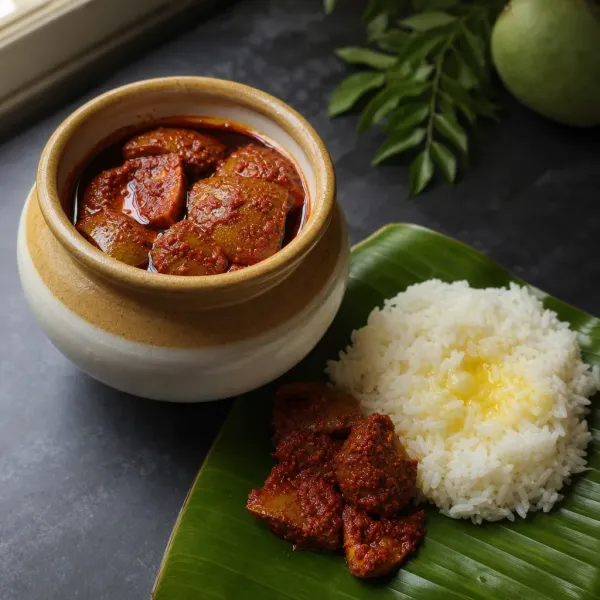
Avakkai
Authentic Andhra avakkai pickle with raw mango, Guntur chilli, mustard powder, and gingelly oil. Traditional household method, no cooking required.
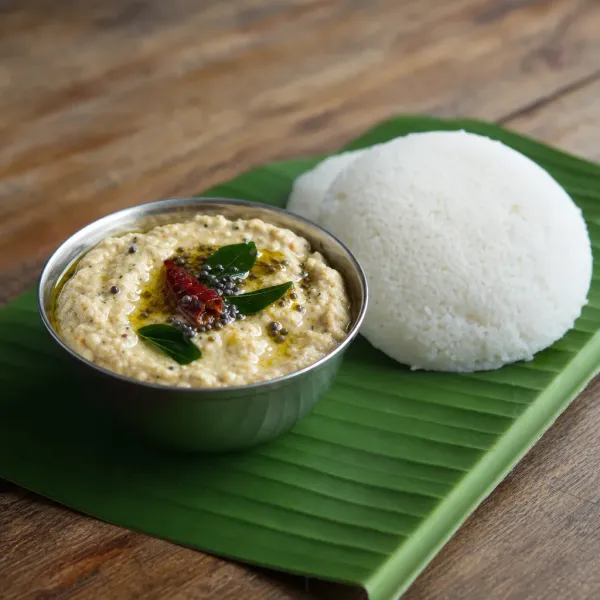
Andhra Peanut Chutney (Pallī Pachchadi)
Authentic Andhra pallī pachchadi: dry-roasted peanuts ground thick with Guntur chillies, tamarind and garlic, finished with a gingelly oil tempering.