

Naranga Achar Recipe
Malayalam നാരങ്ങ അച്ചാർTamil எலுமிச்சை ஊறுகாய்Kannada ನಿಂಬೆ ಉಪ್ಪಿನಕಾಯಿTelugu నిమ్మకాయ నిల్వ
- Prep30 min
- Soak / ferment240 hr
- Cook15 min
- ServesMakes roughly 500 g of pickle, serves a
- DifficultyMedium
- DietVegan
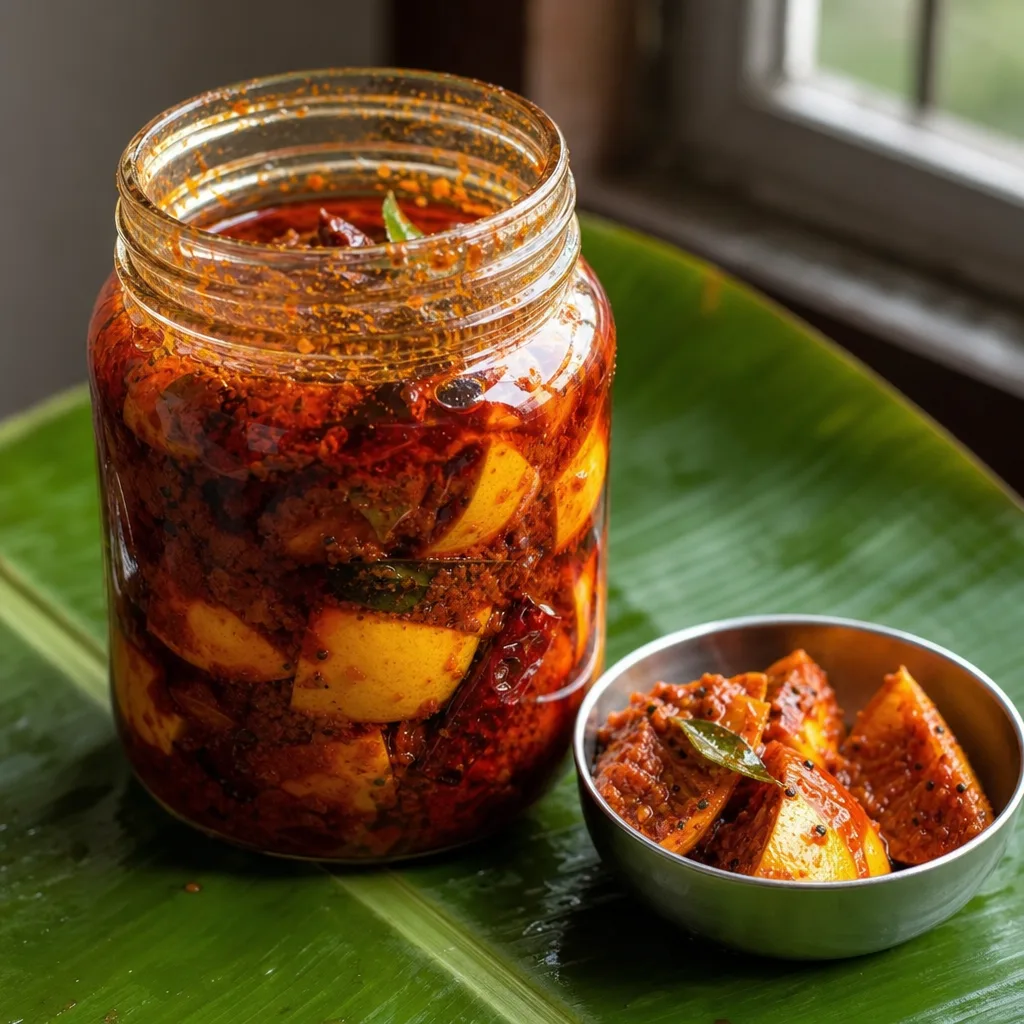
Naranga achar is a salt-and-sun pickle. The lemons are salted first and left to soften in their own juice for several days before the spiced oil is added. That two-stage process is what separates a proper Kerala lemon pickle from a quick-cooked version: the rind loses its raw bitterness during the salt cure, and the flesh turns jammy and deeply sour.
In Travancore homes this is a year-round condiment, made in small batches and kept in a porcelain or glass jar on the kitchen shelf. It is eaten in tiny amounts alongside rice and sambar or kanji, and it is the standard pickle to set out when a meal is served on a banana leaf. The colour after curing is a deep amber-yellow; the oil sitting on top should be bright red from the chilli.
Households differ mainly on two points: the ratio of chilli to mustard in the masala, and whether the lemons are halved or cut into eighths. Some grandmothers insist on eighths so more surface is exposed to the salt; others halve them and say the flesh stays moister. Both are correct. The recipe here uses eighths, which is the more common Travancore practice.
Ingredients (serves Makes roughly 500 g of pickle, serves a )
For the salt cure
For the spice masala
For the tempering
Method
Wash and dry the lemons completely
Wash all 10 lemons under running water and wipe each one thoroughly with a clean dry cloth. Set them on a plate in a single layer and leave them in a dry spot for 2 to 3 hours, or until the skin feels completely dry to the touch. Any moisture at this stage causes the pickle to spoil. Do not rush this.
Cut and salt the lemons
Cut each lemon into 8 wedges by halving it, quartering each half, then cutting each quarter across once more. Work over a bowl so you catch every drop of juice. Transfer the wedges and all the juice into a clean, dry glass or porcelain jar. Add the rock salt and mix well with a dry spoon. Press the wedges down so they are submerged in the juice as much as possible.
Cure in salt for 8 to 10 days
Seal the jar and leave it in a warm spot — on a sunny windowsill or outside in the sun during the day, brought indoors at night. In Kerala's climate this takes 8 to 10 days. Shake the jar gently once every day so the salt and juice redistribute. The lemons are ready when the rind has turned translucent and deep amber, the flesh is completely soft, and the liquid in the jar is thick and syrupy. If the rind still looks opaque and white at the edges, give it 2 more days.
Dry-roast and grind the fenugreek
Place the fenugreek seeds in a small dry pan over low heat. Roast, stirring constantly, for about 2 minutes until they turn a shade darker and smell nutty. Do not let them go brown or they turn bitter. Remove from heat immediately and cool completely, then grind to a fine powder in a small spice grinder or stone mortar.
Mix the masala
In a small bowl, combine the Kashmiri chilli powder, hot chilli powder, ground fenugreek, turmeric, and asafoetida. Stir to mix evenly. Set aside.
Pound the mustard for the masala
Grind the 1 tsp of mustard seeds for the masala coarsely in the mortar — not to a fine powder, just cracked and broken. This goes into the masala mix, not the tempering. Add it to the bowl with the other spices and stir together.
Prepare the tempering
Heat the coconut oil in a small heavy pan over medium heat until it shimmers but is not smoking. Add the 1 tsp mustard seeds for tempering and wait for them to pop fully — this takes about 30 seconds. Add the dried red chillies and curry leaves. Stand back; the leaves will splutter. Let the chillies darken slightly, about 20 seconds, then reduce the heat to the lowest setting.
Add the masala to the hot oil
Add the entire spice mix to the pan off the heat, or on the very lowest flame. Stir constantly for 30 seconds. The chilli powders will sizzle and deepen in colour. Do not let the masala scorch — if it darkens too fast, lift the pan off the flame entirely. The mixture should smell toasted and fragrant, not burnt.
Combine with the cured lemons
Let the spiced oil cool for 5 minutes — it should be warm, not hot. Pour the entire contents of the pan over the cured lemon wedges in the jar, including all the oil. Add the thick curing liquid from the jar as well. Mix everything gently with a dry spoon until the wedges are evenly coated in the red masala.
Rest before using
Seal the jar and leave it at room temperature for at least 2 more days before opening. The oil will settle on top, the masala will penetrate the lemon wedges, and the flavour will mellow and round out. The pickle is at its best from day 3 onwards and keeps for 3 to 4 months stored at room temperature, provided you always use a dry spoon.
How to serve
Plain rice with sambar or rasam; Kerala kanji (rice congee); parotta; as a small condiment on a banana-leaf meal alongside rice, parippu curry, and pappadam.
Served with: Plain rice with sambar or rasam; Kerala kanji (rice congee); parotta; as a small condiment on a banana-leaf meal alongside rice, parippu curry, and pappadam.
Cook's tips
Why the pickle turns bitter
Fenugreek is the culprit in most cases. Over-roasting it or using too much will make the whole jar bitter within a week. Roast it only until it smells nutty and is barely a shade darker. Half a teaspoon is enough for this quantity.
Choosing the right lemons
Use thin-skinned, fully ripe yellow lemons. Lemons that are still greenish have a sharper, more astringent rind that does not soften properly during the cure. If you can find the small round Kerala naranga, use those — they are more fragrant and the rind is thinner.
The dry-spoon rule
Every spoon that goes into the jar must be completely dry. Even a single drop of water on the spoon will introduce moisture that causes the surface to mould. Keep a dedicated dry spoon near the jar.
Sun curing in a cloudy season
If the weather is overcast for several days running, simply keep the jar in the warmest spot indoors — near a window or on top of the refrigerator. The cure will take a few days longer, up to 12 to 14 days. The result is the same; it just takes patience.
Oil level
The lemon wedges should always be covered by oil in the jar. If the oil looks low after a few days, warm 2 to 3 tablespoons of fresh coconut oil, cool it completely, and pour it in. Wedges exposed to air above the oil line will dry out and may develop surface mould.
Regional variations
Malabar households sometimes add a small piece of asafoetida-fried dried red chilli tempering; Nasrani kitchens occasionally include a few green chillies split and salted along with the lemons.
Glossary
- Naranga നാരങ്ങ
- The Kerala word for lemon; also used for lime in some contexts, but in the achar context it refers to the yellow lemon.
- Achar അച്ചാർ
- Pickle; a preserved condiment made with salt, oil, and spices.
- Kallu uppu കല്ലുപ്പ്
- Rock salt; the unrefined, non-iodised salt used in Kerala pickling and curing.
- Uluva ഉലുവ
- Fenugreek seeds; used in small quantities in Kerala pickles and curries for a characteristic slightly bitter, nutty background note.
- Kayam കായം
- Asafoetida; the dried resin used in tiny quantities as a flavour base in South Indian cooking.
- Kollamulaku കൊല്ലമുളക്
- Dried red chillies; the whole dried chillies used in tempering throughout Kerala cooking.
Two things decide whether this pickle works: the completeness of the salt cure, and the temperature of the oil when the masala is added. If the lemons go into the oil before the rind has fully softened and turned amber, the bitterness of raw lemon peel will never leave the jar. And if the masala is added to oil that is still very hot, the chilli scorches in seconds and the pickle tastes acrid rather than warm and fruity. Give the cure its full 8 to 10 days, let the oil cool to warm before combining, and the rest follows.
More Chutneys, Podis & Pickles recipes
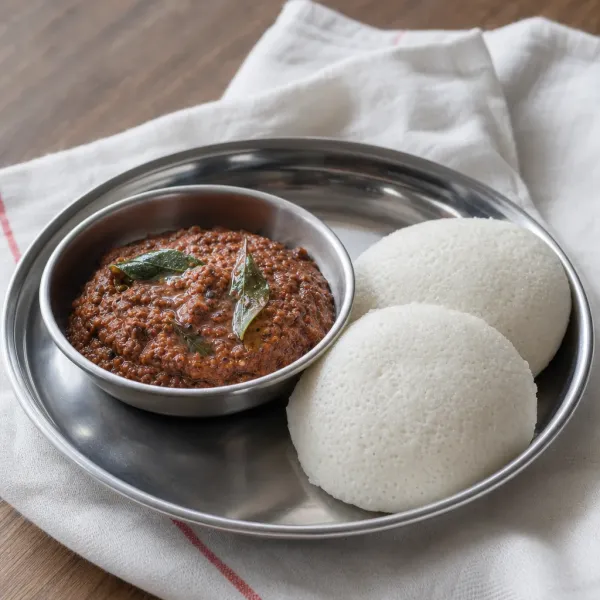
Kathirikai Chutney
Traditional Tamil Brahmin roasted brinjal chutney with gingelly oil tempering. No onion, no garlic. Ready in 30 minutes. Serve with idli or dosa.
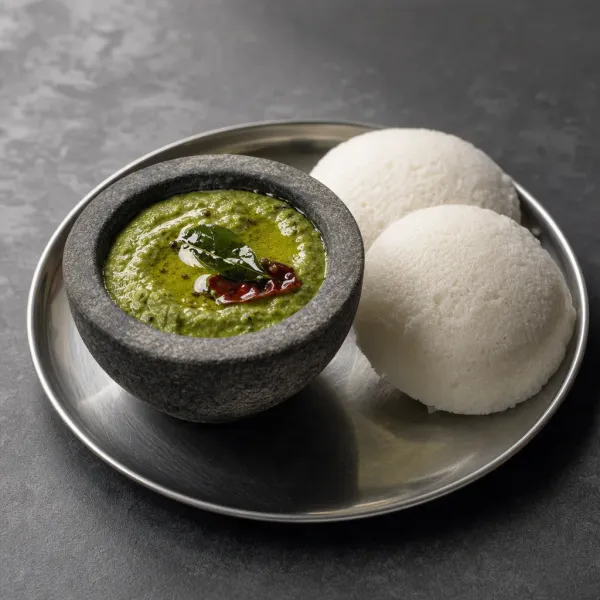
Pudina Chutney
Traditional Tamil Brahmin pudina chutney with fresh coconut, green chilli and tamarind, finished with a gingelly oil tadka. Ready in 15 minutes.
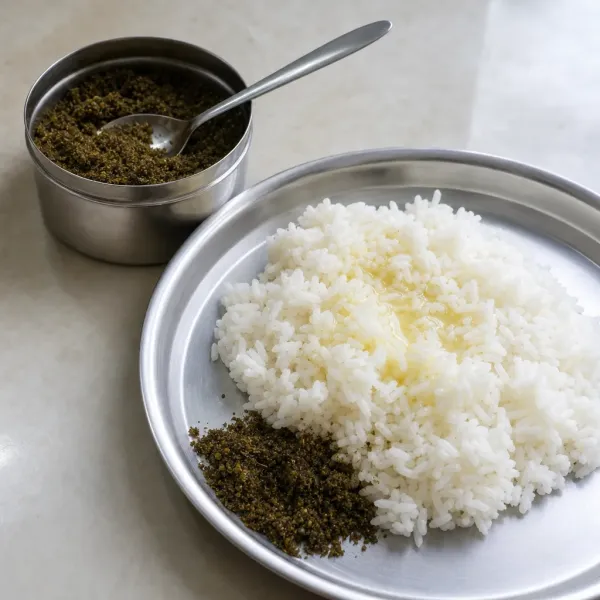
Karuveppilai Podi (Curry Leaf Powder)
Traditional Tamil Iyer karuveppilai podi made with urad dal, black pepper and dry curry leaves. A step-by-step household recipe for rice podi.
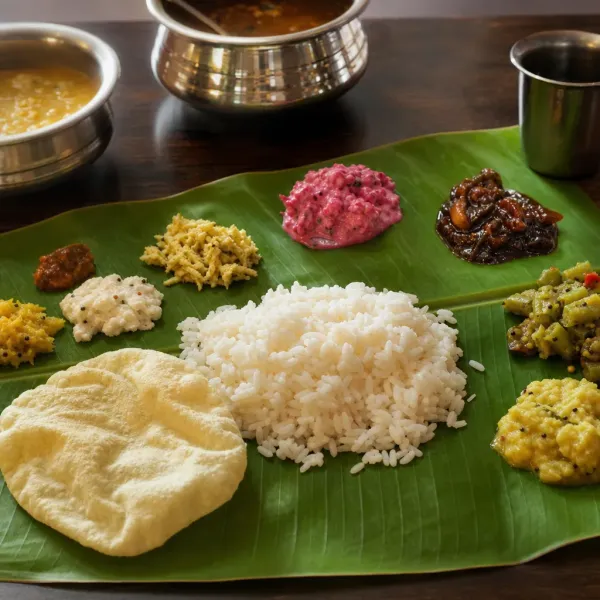
Puli Inji
Traditional Kerala puli inji recipe for sadya – fresh ginger and tamarind cooked to a thick, dark condiment with jaggery and coconut oil tempering.
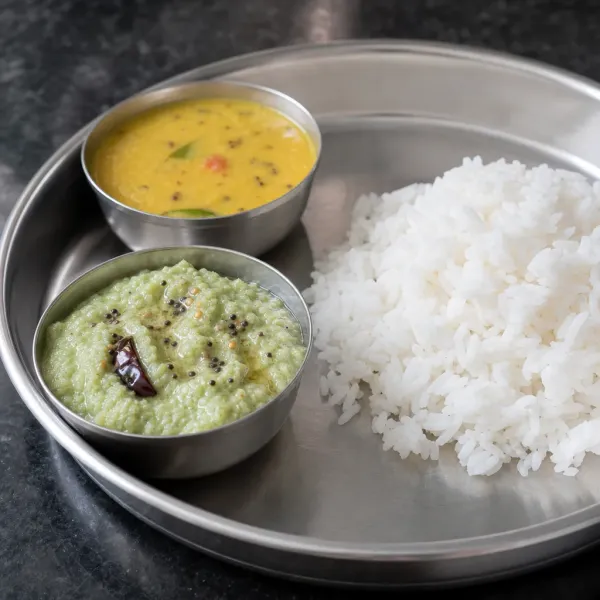
Beerakaya Pachadi
Traditional Coastal Andhra beerakaya pachadi: ridge gourd cooked in gingelly oil, ground coarse with coconut and cumin, finished with a mustard tadka…
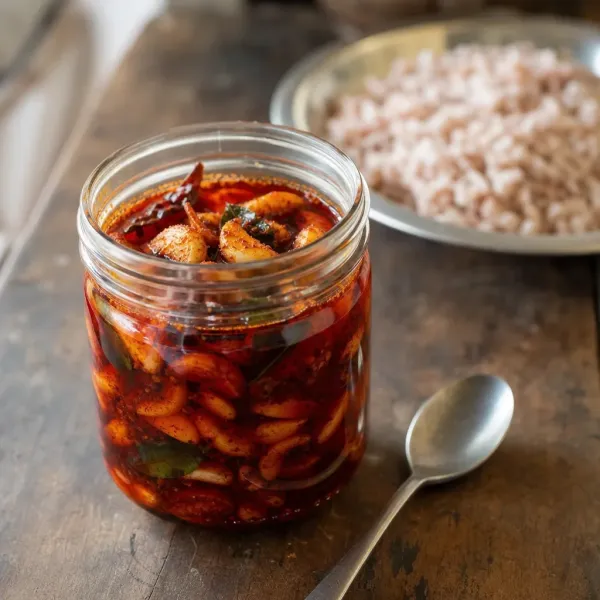
Veluthulli Achar
Traditional Malabar-style garlic pickle in coconut oil with Kashmiri chilli and vinegar. A fiery, long-keeping condiment from the Mappila kitchen.