

Thakkali Chutney Recipe
Malayalam തക്കാളി ചട്ണിTamil தக்காளி சட்னிKannada ತಕ್ಕಾಳಿ ಚಟ್ನಿTelugu టమాటా చట్నీ
- Prep10 min
- Cook20 min
- Serves4
- DifficultyEasy
- DietVegan
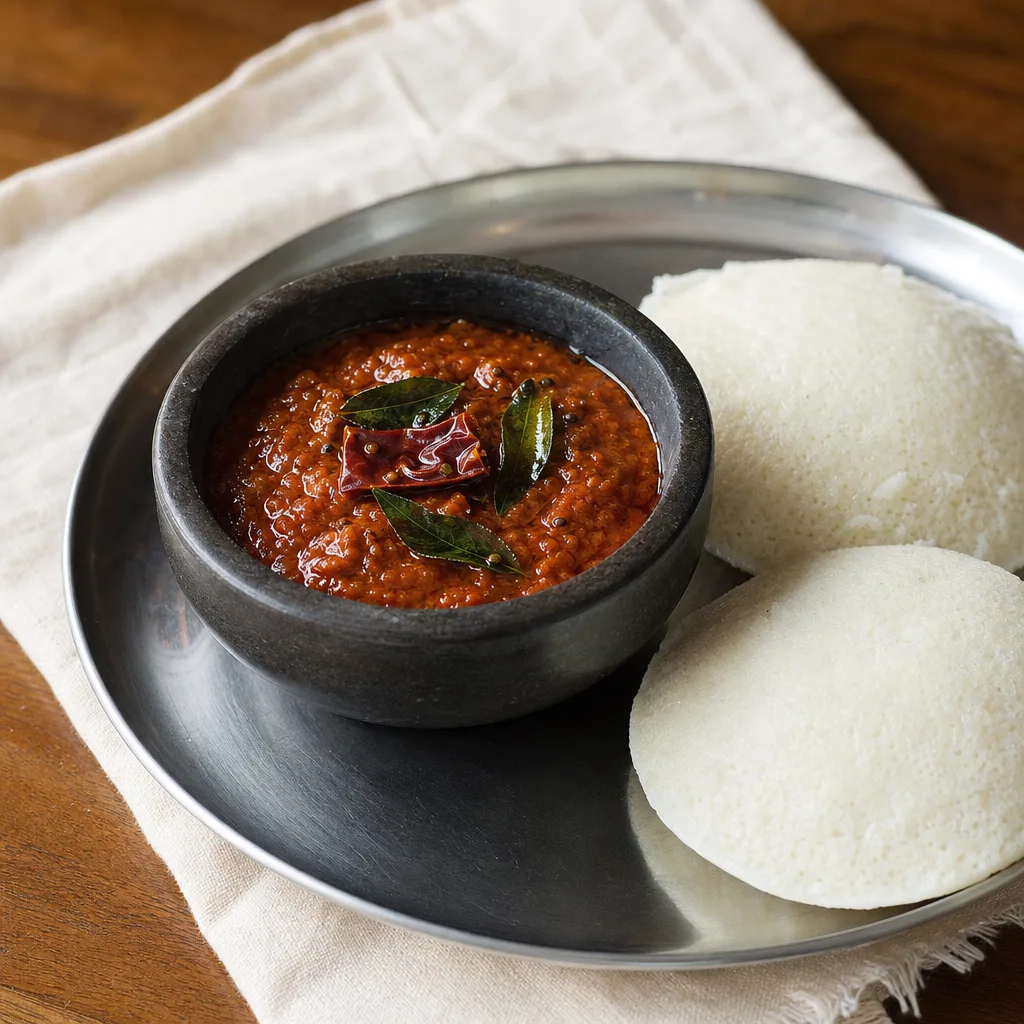
In Tamil Iyer households this chutney sits alongside idli or dosa at breakfast and tiffin. It is made without onion or garlic, as is the custom in many Brahmin kitchens, yet it is not mild. The sourness comes entirely from the tomatoes themselves, so you need ripe, slightly acidic ones. The colour is a deep brick-red from the dried chillies and the slow cooking, not from any added paste.
The fat is gingelly oil throughout, including the tempering. Coconut oil is not used here. The chutney is cooked until the tomatoes lose all their raw sharpness and the oil rises to the surface, which is the sign it is done. Rushing this stage leaves a sour, watery chutney that does not hold its texture.
Households differ mainly on the chilli count and the proportion of chana dal to urad dal in the tempering. Some grandmothers skip chana dal entirely and use only urad. The mustard seeds and curry leaves in the final tadka are not optional.
Ingredients (serves 4)
For the chutney
For the tempering (tadka)
Method
Fry the dals and chillies
Heat 2 tbsp gingelly oil in a heavy kadai over medium flame. Add the chana dal and urad dal and stir continuously. After about 90 seconds they will turn a pale gold. Add the dried red chillies and the pinch of asafoetida and stir for another 30 seconds. The chillies should puff slightly and deepen in colour but must not blacken, or the chutney will be bitter.
Add the curry leaves and tomatoes
Add the curry leaves to the oil and let them splutter for a few seconds. Add the chopped tomatoes and salt. Stir everything together so the tomatoes are coated in the spiced oil. The pan will fill with steam.
Cook the tomatoes down
Cover the kadai, lower the flame to medium-low and cook for 12 to 15 minutes, stirring every few minutes. The tomatoes must break down completely into a thick, jammy mass. The oil will rise to the surface and the mixture will stop looking wet. If you rush this step the raw sourness stays in the chutney. Cook until you see no standing liquid at all.
Cool and grind
Take the pan off the heat and allow the cooked tomato mixture to cool to room temperature. Do not grind it hot or the steam will make it watery. Transfer everything, including any oil in the pan, to a small mixer-grinder jar.
Grind to a coarse paste
Grind in short pulses, two or three, stopping to scrape the sides. You want a thick paste with a little texture, not a completely smooth puree. Do not add water unless the grinder is struggling, and even then add no more than 1 to 2 tbsp. Taste for salt and adjust.
Prepare the tempering
Heat 1 tsp gingelly oil in a small tempering pan over medium-high flame until it shimmers. Add the mustard seeds and wait for them to pop completely. Add the urad dal and stir until it turns golden, about 20 seconds. Add the broken red chilli, curry leaves and asafoetida. The leaves will splutter. Take the pan off the heat immediately.
Combine and serve
Pour the hot tempering over the ground chutney and stir it in. The chutney should be thick enough to sit on a plate without spreading. It keeps at room temperature for the day and refrigerates well for two days.
How to serve
Idli, dosa, or pongal. In some households it also accompanies upma.
Served with: Idli, dosa, or pongal. In some households it also accompanies upma.
Cook's tips
Tomato choice matters
Use tomatoes that are fully ripe and slightly soft. Pale or unripe tomatoes give a thin, sour chutney that does not cook down properly and has an unpleasant raw taste even after long cooking.
Chilli balance
Six Guntur chillies give a medium-hot chutney. Guntur is sharper, Byadagi is milder and redder. Many households use four Guntur and two Byadagi for heat with colour. Adjust the count but do not replace dried chillies with chilli powder, which changes the texture.
The oil rising is the signal
The most common mistake is pulling the tomatoes off the heat while they still look glossy and wet. Wait until the gingelly oil visibly separates and pools at the edges. Only then is the raw flavour cooked out.
No garlic or onion
This is the Iyer version, which is made without either. Adding them makes a different, equally valid chutney, but it is no longer the same dish.
Grinding without water
The mixture should grind without added water because the oil from cooking keeps it moving. Adding water extends fridge life but makes the chutney thinner. If you must add water, add only enough to free the blades.
Regional variations
Andhra households make a sharper version with more dried red chillies and tamarind; Udupi kitchens add coconut and use it as a dip alongside dosa; some Tamil non-Brahmin households include shallots fried in gingelly oil.
Glossary
- Perungayam பெருங்காயம்
- Asafoetida; the dried resin used in small quantities in Tamil Brahmin cooking as a substitute for onion and garlic.
- Gingelly oil நல்லெண்ணெய்
- Cold-pressed sesame oil used in Tamil Nadu for cooking, pickling and tempering; has a distinct nutty aroma distinct from the toasted sesame oil used in East Asian cooking.
- Tadka தாளிக்கல்
- The tempering step in which whole spices and aromatics are briefly fried in hot fat and poured over a finished dish to finish it.
- Kadai கடாய்
- A deep, wide pan with curved sides used across South Indian cooking for frying, sautéing and making chutneys.
Two things decide whether this chutney works. The tomatoes must be cooked until every trace of moisture is gone and the oil surfaces. And the dried chillies must be fried properly in the oil at the start, long enough to become fragrant but not so long that they char.
More Chutneys, Podis & Pickles recipes
Meen Achar
Traditional Kerala Nasrani fish pickle with seer fish, kudampuli, and vinegar in coconut oil. A Travancore household recipe that keeps for weeks.
Homemade Sambar Podi
Traditional Tamil Brahmin sambar podi made by dry-roasting coriander, red chillies, chana dal and urad dal. No onion, no garlic. Step-by-step home me…
Coconut Chutney (Thengai Chutney)
Freshly ground coconut chutney from a Tamil Brahmin kitchen: coconut, pottukadalai, green chilli, and a gingelly oil tempering. Ready in 15 minutes.
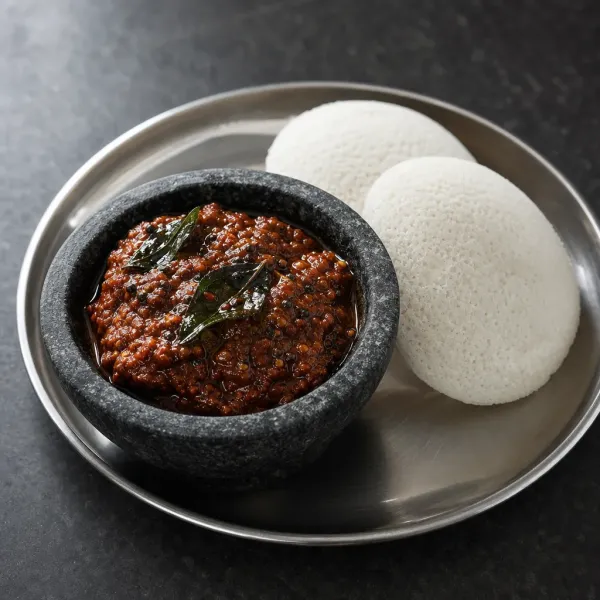
Vengaya Chutney
Traditional Tamil Iyer onion chutney made with slow-fried shallots, roasted chana dal, dried red chillies, and gingelly oil. Served with idli and dos…
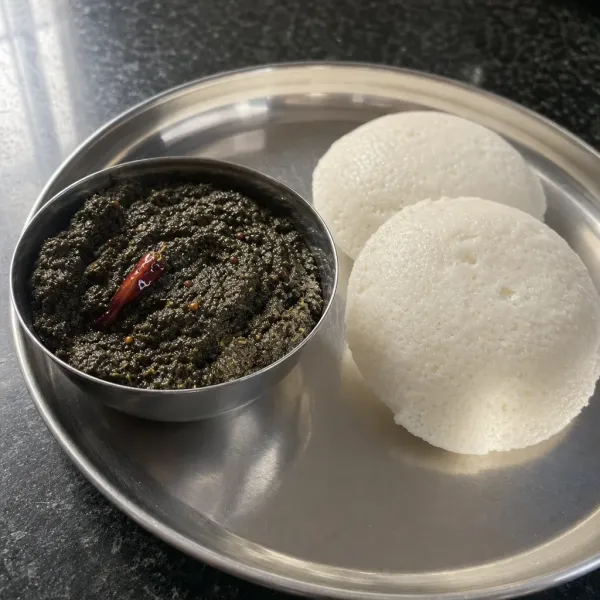
Curry Leaf Chutney (Karivepaku Pachadi)
Traditional Andhra Telugu karivepaku pachadi: curry leaves dry-roasted and ground with tamarind, urad dal, and red chillies into a thick, aromatic ch…
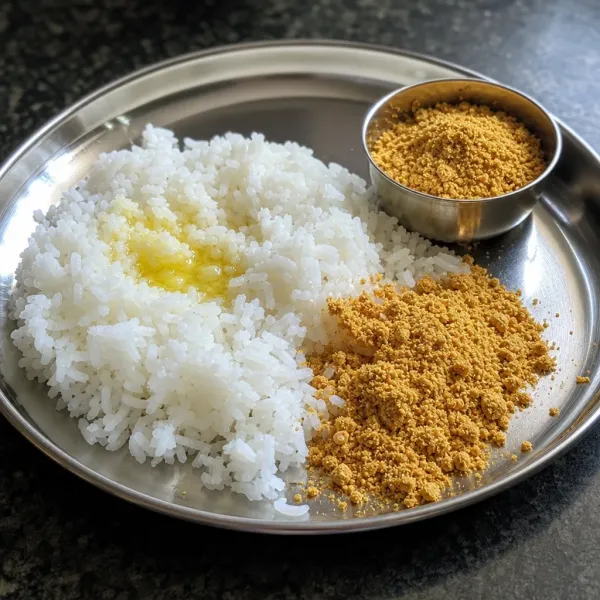
Paruppu Podi
Traditional Tamil Brahmin paruppu podi made with dry-roasted toor dal, black pepper, and asafoetida. Mixed with ghee and rice for a simple, satisfyin…