

Homemade Rasam Podi (Iyer-Style Tamil Brahmin Rasam Powder) Recipe
Malayalam രസം പൊടിTamil ரசம் பொடிKannada ರಸಂ ಪುಡಿTelugu రసం పొడి
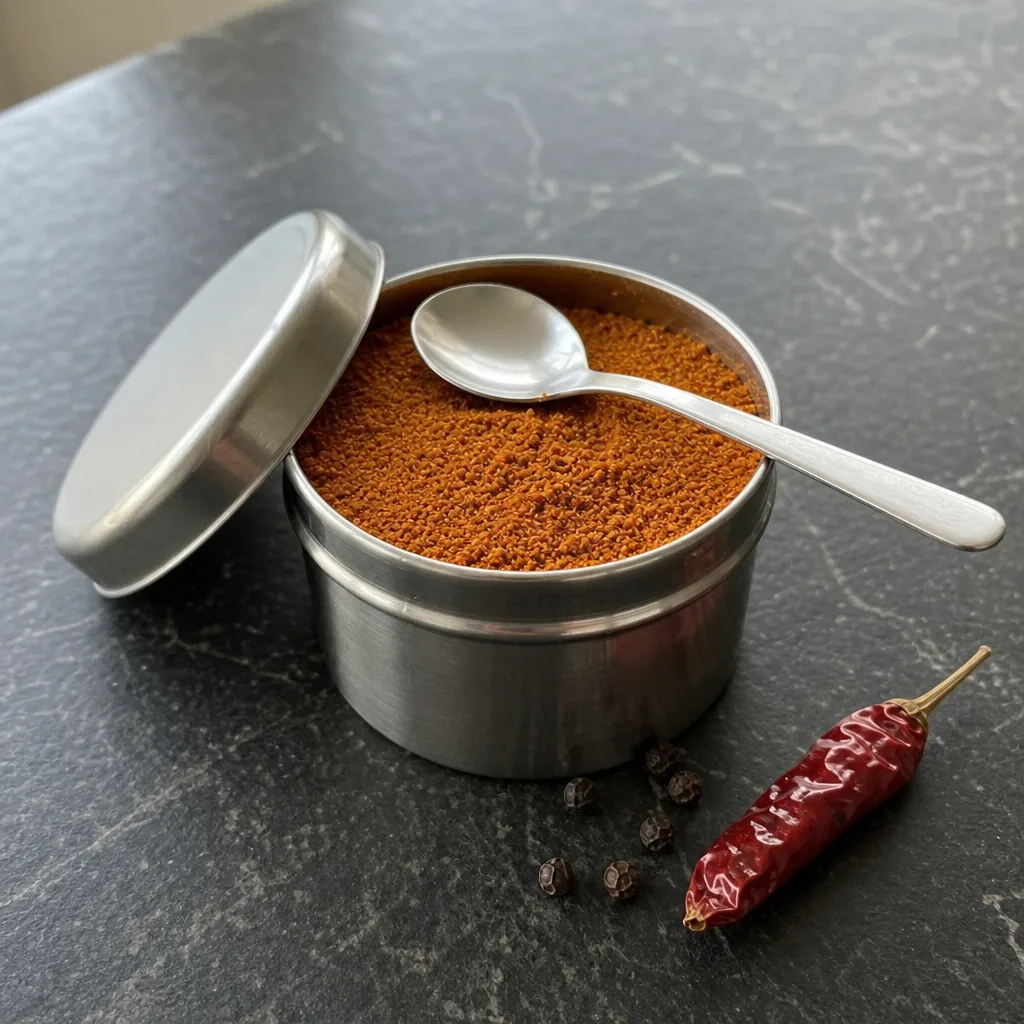
- Prep10 min
- Cook20 min
- ServesMakes roughly 200 g powder, enough for 3
- DifficultyEasy
- DietVegan
In a Tamil Brahmin kitchen, rasam podi is made at home, not bought. The ratio of coriander to pepper to cumin is the cook's signature, and you can taste the difference immediately in the rasam. Most Iyer households keep a small tin of it ready, grinding a fresh batch every month or six weeks depending on the season. In summer, the powder keeps longer; in the monsoon, you grind smaller quantities more often.
The spices are dry-roasted one by one in a heavy iron kadai, each one demanding different heat and a different length of time. This is not a recipe where you throw everything in together. Toor dal is roasted until it turns a deep reddish-gold and smells nutty; pepper goes in at low heat until it puffs and turns fragrant; cumin barely needs a minute. Rush any of these and you get either raw-tasting powder or bitter scorched powder, both of which will ruin the rasam.
Households vary mainly in the pepper-to-coriander ratio. Some families like a sharp, peppery rasam and increase the pepper. Others prefer a rounder, more coriander-forward flavour. A few add a small amount of dried long pepper (thippili) for a different kind of heat that is considered good for digestion. The version here is a middle-ground Iyer household ratio, assertively peppery but not aggressive.
Ingredients (serves Makes roughly 200 g powder, enough for 3)
Whole spices to dry-roast
Unroasted spice
Method
Heat the kadai
Place a heavy iron or thick-bottomed kadai over medium-low heat. Let it warm for two minutes before you add anything. The pan must be completely dry. Every spice goes in dry, with no oil at any stage.
Roast the toor dal and chana dal
Add the toor dal and chana dal together and roast over medium-low heat, stirring constantly, for 4 to 5 minutes. They are ready when they turn a deep reddish-gold and smell nutty, like roasted chickpeas. Do not let them go dark brown or they will taste bitter. Tip onto a wide plate to cool.
Roast the coriander seeds
Add the coriander seeds to the same kadai over medium heat. Stir continuously for 3 to 4 minutes until they darken a shade, smell warm and citrusy, and begin to crackle lightly. A few may pop. Tip onto the same cooling plate.
Roast the dried red chillies
Lower the heat to low. Add the dried red chillies and stir for 1 to 2 minutes until they puff slightly, turn a shade darker, and smell toasty. They should not blacken or char. Tip onto the plate immediately; they continue to cook from residual heat if left in the pan.
Roast the black pepper
Still on low heat, add the peppercorns. Stir for 2 minutes until they puff a little and the kitchen smells sharply of pepper. Do not rush this on high heat; pepper scorches fast and turns acrid. Tip onto the plate.
Roast the cumin
Add the cumin seeds and stir over low heat for barely 60 to 90 seconds until they darken slightly and smell warm and earthy. Cumin needs very little time. Tip onto the plate.
Dry the curry leaves and add asafoetida
Add the dried curry leaves to the warm kadai off the heat, or over the lowest possible flame, and stir for 30 seconds until they are completely crisp and crumble when pressed. Then add the asafoetida piece or powder and stir for 10 seconds in the residual warmth. Tip everything onto the plate.
Cool completely
Spread everything on the plate in a single layer and leave it to cool fully, at least 20 minutes. Grinding warm spices creates steam inside the jar and the powder will clump and go stale quickly. Do not rush this.
Grind to a fine powder
Transfer all the cooled roasted ingredients to a dry mixer jar. Grind in short pulses first to break everything down, then run continuously for 2 to 3 minutes until you have a fine, uniform powder. Open the jar away from your face; the pepper and chilli dust is sharp. If the powder feels warm after grinding, leave it in the open jar for 10 minutes before storing.
Add turmeric and mix
Tip the ground powder into a wide bowl. Add the turmeric powder and mix thoroughly with a dry spoon until the colour is uniform throughout. Turmeric is not roasted; adding it raw preserves its colour and keeps the rasam a bright, clear gold rather than dull brown.
Store
Transfer to a completely dry, airtight glass or steel container. Store away from light and moisture. The powder keeps well for 4 to 6 weeks at room temperature in a dry kitchen. Always use a dry spoon to measure out.
How to serve
Used as the spice base for rasam; typically 1 to 1½ tsp of this powder is used per serving of rasam made with tamarind water, tomato, toor dal water, and a tempering of mustard seeds, dried red chilli and curry leaves in gingelly oil or ghee.
Served with: Used as the spice base for rasam; typically 1 to 1½ tsp of this powder is used per serving of rasam made with tamarind water, tomato, toor dal water, and a tempering of mustard seeds, dried red chilli and curry leaves in gingelly oil or ghee.
Cook's tips
The curry leaves must be bone dry
If there is any moisture left on the curry leaves when they go into the powder, the entire batch will clump within days. Wash them the night before and spread them on a cloth to dry overnight, or pat them very thoroughly and leave them in a warm spot for an hour before roasting.
Solid asafoetida versus compounded powder
The solid block (the resin type) gives a stronger, cleaner flavour. If using compounded asafoetida powder (the kind mixed with flour), use ½ tsp rather than ¼ tsp. Do not add it to a hot pan; the flour in compounded powder scorches instantly.
Adjusting the pepper ratio
If your household prefers a gentler rasam, reduce the pepper to 25 g. If you want a very sharp, throat-warming rasam of the kind made for colds and digestion, increase it to 50 g. The coriander quantity stays fixed; it is the base that holds everything together.
Thippili (long pepper) variation
Some older Iyer households add 5 to 6 dried long pepper (thippili) pieces, roasted with the black pepper. It gives a different, slightly sweeter heat and is considered medicinal. This is a genuine variation, not a modern addition.
Grinding at the flour mill
Traditionally, larger batches were taken to the neighbourhood flour mill for grinding. If you are making a large quantity (four or five times this recipe) for a joint family, a home mixer will overheat and the powder may taste slightly cooked. Cool the spices very well and grind in smaller batches.
Regional variations
Andhra rasam powder (more chilli, sometimes curry leaves dry-roasted in); Kannada saaru pudi (often includes dried coconut and uses more cumin); Iyengar rasam podi (slightly different spice ratios, sometimes includes marathi mokku).
Glossary
- Perungayam பெருங்காயம்
- Asafoetida; the dried resin of Ferula plants, used in very small quantities as a digestive and flavouring agent in South Indian cooking.
- Thippili திப்பிலி
- Long pepper (Piper longum); a relative of black pepper with a different, slightly sweeter heat, used medicinally and in some traditional spice powders.
- Toor dal துவரம் பருப்பு
- Split and hulled pigeon peas; the primary dal of Tamil Nadu cooking, used here dry-roasted to add body and a nutty depth to the powder.
- Kadai கடாய்
- A deep, round-bottomed iron or steel cooking vessel used for dry-roasting, frying and sautéing.
- Rasam podi ரசம் பொடி
- Rasam powder; the dry spice blend used as the flavour base for rasam, the thin, tart, peppery South Indian broth.
Two things decide this powder: the patience to roast each spice separately at the right heat, and the discipline to let everything cool fully before grinding. Get those right and the rasam made from it will be clear, sharp and fragrant. Rush the roasting and you get bitterness; grind warm spices and you get a powder that clumps in a week.
More Chutneys, Podis & Pickles recipes
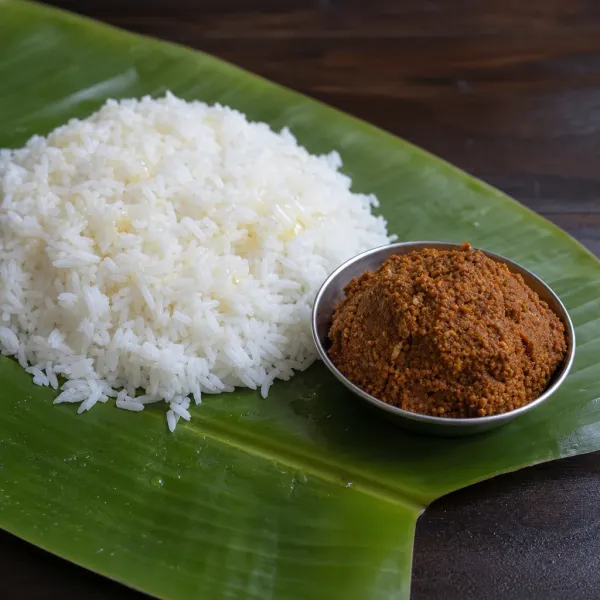
Paruppu Thogayal
Traditional Tamil Iyer paruppu thogayal: roasted toor dal, dried red chilli, fresh coconut and asafoetida ground coarse. Mixed into hot rice with gin…
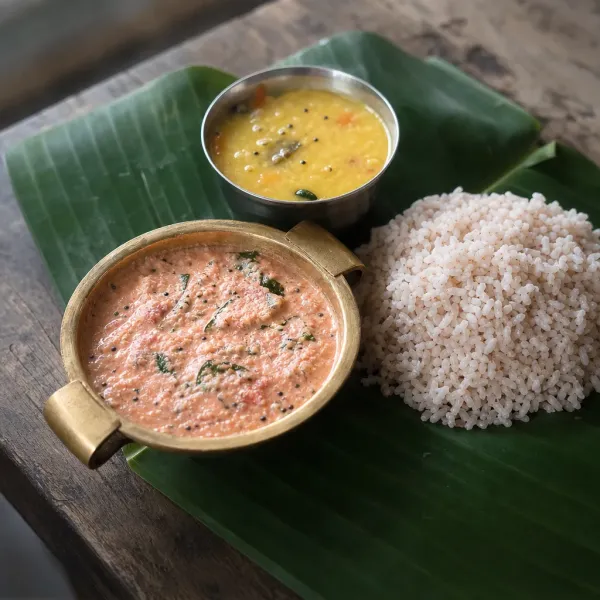
Tomato Pachadi
Traditional Kerala tomato pachadi with fresh coconut paste and curd. A Travancore sadya side dish ready in 30 minutes. Step-by-step recipe.
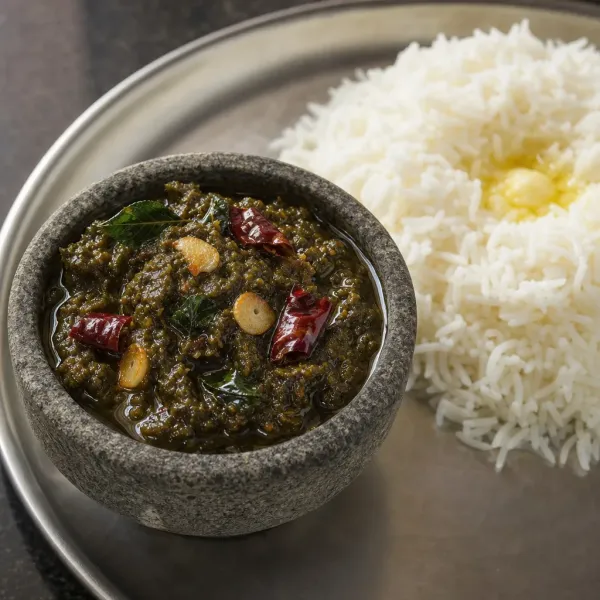
Gongura Pachadi
Traditional Rayalaseema gongura pachadi made with red sorrel leaves, Guntur chillies and gingelly oil. Coarse-ground, fiery and sharply sour.
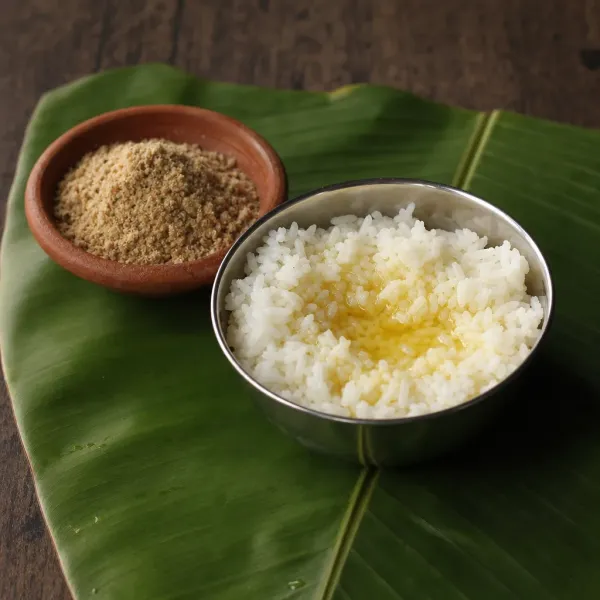
Ellu Podi (Sesame Seed Powder)
Traditional Tamil Iyer ellu podi made with white sesame, dried red chillies, urad dal and asafoetida. Dry-roasted and coarsely ground. Ready in 20 mi…
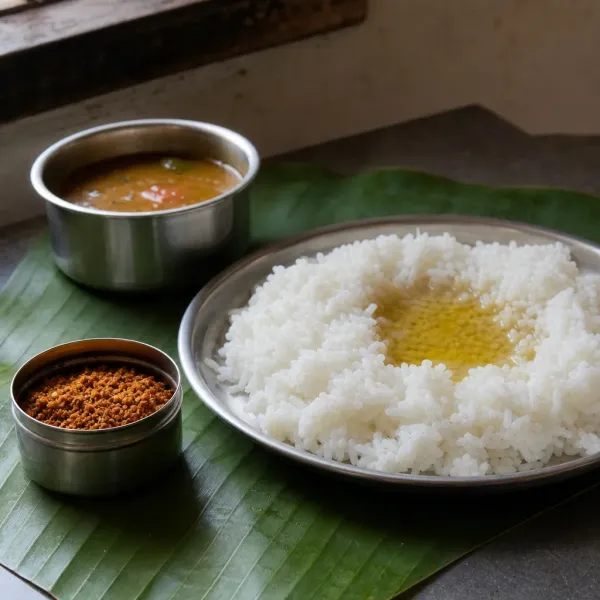
Poondu Podi
Traditional Kongunad poondu podi recipe: garlic, urad dal, chana dal and dry red chillies roasted in gingelly oil and ground to a coarse spice powder…
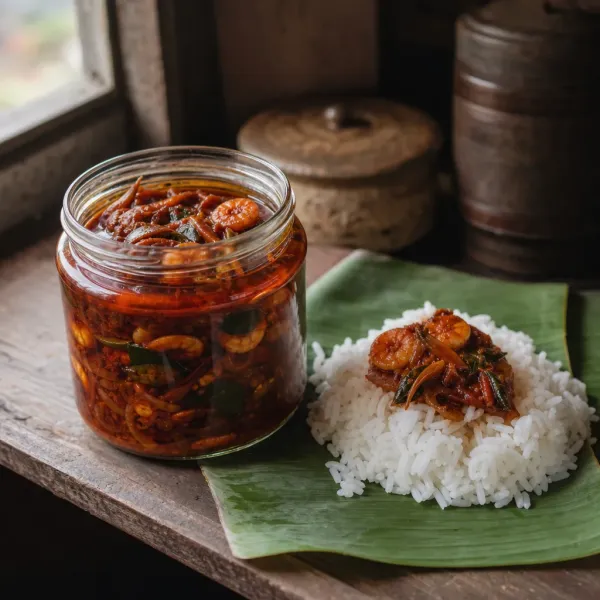
Chemmeen Achar
Traditional Kerala Mappila prawn pickle with coconut oil, shallots, vinegar and whole spices. Keeps for weeks. Step-by-step household recipe.