

Pineapple Pachadi Recipe
Malayalam കൈതച്ചക്ക പച്ചടിTamil அன்னாசி பச்சடிKannada ಅನಾನಸ್ ಪಚ್ಚಡಿTelugu అనాస పచ్చడి
- Prep15 min
- Cook20 min
- Serves6
- DifficultyEasy
- DietVegetarian
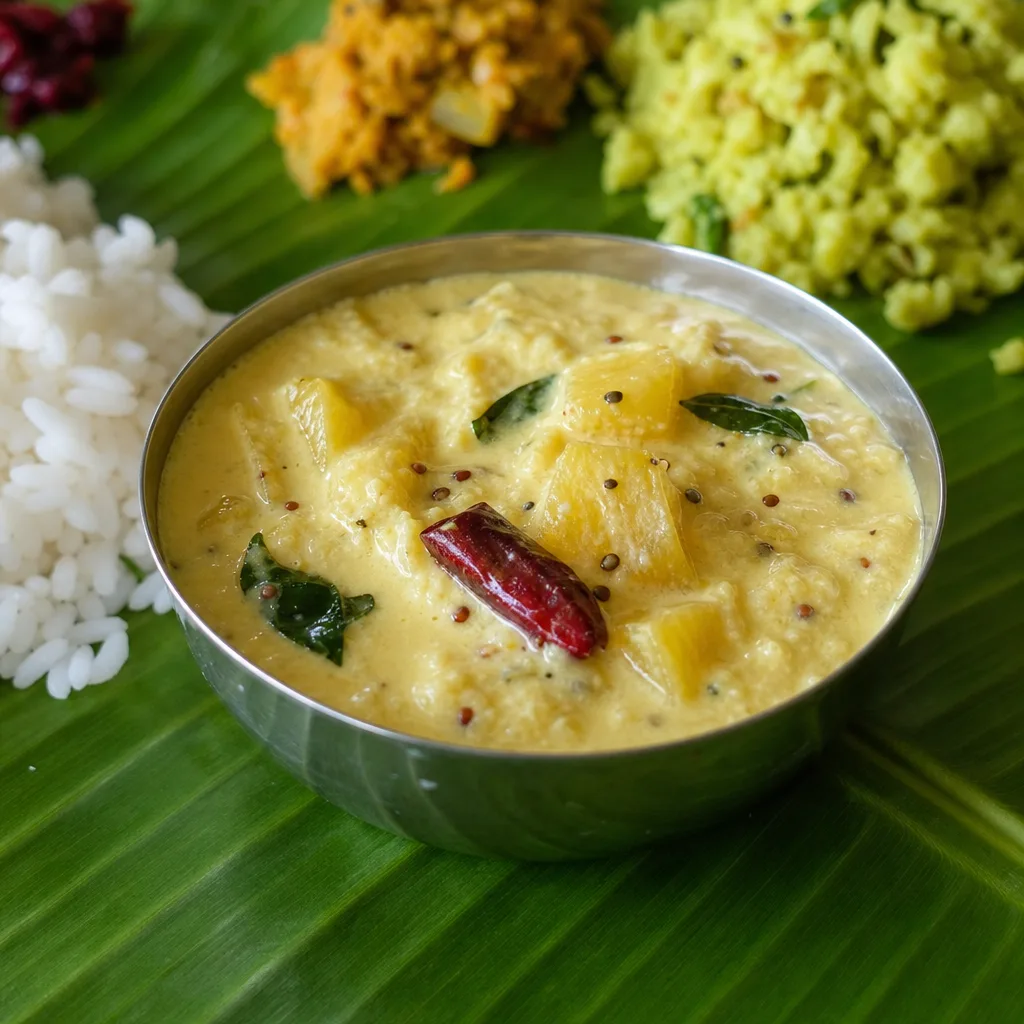
Pineapple pachadi is one of the essential sweet-sour-spiced dishes on a Kerala sadya leaf. It sits in the upper row alongside the other pachadis and kichadi, and the rule of thumb is that it should taste of all three things at once: the sharpness of the pineapple, the coolness of the curd, and a gentle heat from the green chilli and mustard.
The method is simpler than it looks. The pineapple is cooked briefly with turmeric, green chilli, and a little sugar until just tender but not mushy, then a freshly ground coconut paste is stirred in, and finally thick sour curd is folded through off the heat. The tempering of mustard, dried red chilli, and curry leaves in coconut oil goes on last. That final pour of hot oil is what ties it together.
Households differ mainly on sweetness and sourness. Some add no sugar at all if the pineapple is ripe enough; others add a little more. The curd must be slightly sour, not fresh-sweet yoghurt from a packet. Using thin curd makes the pachadi watery, and the sadya leaf will not forgive that.
Ingredients (serves 6)
For the pineapple base
For the coconut paste
For the curd finish
For the tempering
Method
Cook the pineapple
Put the pineapple cubes in a wide, heavy pan with the slit green chillies, turmeric, sugar, salt, and 3 tablespoons of water. Cook on medium heat, stirring occasionally, for 8 to 10 minutes. You want the pineapple just cooked through and the water mostly absorbed, not dry and not swimming. The cubes should hold their shape. If there is still standing liquid, raise the heat briefly to drive it off.
Grind the coconut paste
While the pineapple cooks, grind the fresh coconut with the cumin seeds, the one green chilli, and the pinch of turmeric to a smooth, thick paste. Add only as much water as the grinder needs to move, a tablespoon at most. The paste should be dense, not runny. A wet grinder gives the smoothest result; a mixer-grinder works if you grind in short pulses and scrape down the sides.
Stir in the coconut paste
When the pineapple is ready, reduce the heat to low. Add the coconut paste and stir it through gently, coating every piece of pineapple. Cook on low heat for 3 to 4 minutes, stirring, until the raw smell of coconut is gone and the mixture looks glossy and cohesive. Do not let it boil hard at this stage or the paste will split.
Fold in the curd off the heat
Take the pan completely off the heat. Wait one minute so the temperature drops a little. Pour in the whisked curd and fold it through with a spoon, turning rather than stirring briskly. The residual heat will warm the curd through. If you add curd to a boiling pan the whey separates and the pachadi looks grainy. Taste for salt and sweetness now and adjust.
Temper and finish
Heat the coconut oil in a small tempering pan on medium-high. When it shimmers, add the mustard seeds and let them pop fully, about 30 seconds. Add the broken dried red chillies and curry leaves, stand back as the leaves will splutter, and fry for 15 seconds until the leaves crisp. Pour this immediately over the pachadi and fold through once. Serve at room temperature.
How to serve
Served as part of a Kerala sadya on a banana leaf, alongside other pachadis, kichadi, avial, thoran, olan, erissery, sambar, rasam, and matta rice. It sits in the upper row of the leaf.
Served with: Served as part of a Kerala sadya on a banana leaf, alongside other pachadis, kichadi, avial, thoran, olan, erissery, sambar, rasam, and matta rice. It sits in the upper row of the leaf.
Cook's tips
Choosing the pineapple
A pineapple that is very ripe and sweet will make the pachadi cloying. Choose one that is ripe but still has some acidity. Taste a piece raw before you decide how much sugar to add; sometimes none is needed.
The curd matters
Thick, slightly sour curd set overnight at room temperature in a warm Kerala kitchen is what the dish expects. Refrigerated fresh yoghurt is too sweet and too thin. If your curd is thin, hang it in a muslin cloth for 30 minutes to drain off the whey before using.
Making it ahead
You can cook the pineapple with the coconut paste up to two hours ahead and keep it covered. Fold in the curd and add the tempering only just before serving. Curd added too early makes the pachadi sour and watery as it sits.
Consistency on the leaf
Pachadi should be thick enough to sit on the leaf without spreading into the rice. If yours looks loose after adding the curd, the pineapple released too much juice during cooking. Next time, cook the pineapple a minute or two longer before adding the coconut paste.
Regional variations
Some households in central Kerala use a slightly thicker coconut paste and reduce the curd to make it drier, closer to a thoran-pachadi hybrid; the Palakkad version occasionally adds a small piece of raw mango alongside the pineapple.
Glossary
- Pachadi പച്ചടി
- A Kerala sadya dish made from a cooked fruit or vegetable finished with coconut paste and sour curd, then tempered with mustard and curry leaves.
- Kaitachakka കൈതച്ചക്ക
- Pineapple in Malayalam; literally 'thorny jackfruit'.
- Kanthari കാന്താരി
- Small, fiery bird's-eye chilli used widely in Kerala cooking; much hotter than a regular green chilli.
- Sadya സദ്യ
- The traditional Kerala feast served on a banana leaf, most associated with Onam and weddings; a set sequence of dishes served in a fixed arrangement on the leaf.
- Kichadi കിച്ചടി
- A sadya dish similar to pachadi but made with raw vegetables like cucumber or beetroot, without cooking the vegetable through; often confused with pachadi.
Two things decide this dish. The first is the curd: it must be thick and genuinely sour, added off the heat so it stays smooth and does not split. The second is the pineapple itself: cooked just enough to lose its raw edge but firm enough to give texture against the soft coconut paste. Get those two right and the pachadi will hold its place on the leaf.
More Vegetarian Gravies recipes
Poricha Kuzhambu
Traditional Tamil Brahmin poricha kuzhambu with roasted coconut paste, toor dal, and raw banana. No tamarind, no onion. Weekday lunch recipe.
Vellarikka Pachadi
Traditional Kerala vellarikka pachadi with fresh coconut paste, green chilli and thick curd. A cooling sadya side dish ready in 25 minutes.
Gutti Vankaya Kura
Authentic Rayalaseema gutti vankaya kura: small brinjals stuffed with a peanut-sesame-coconut masala, slow-cooked in a tamarind gravy with gingelly o…
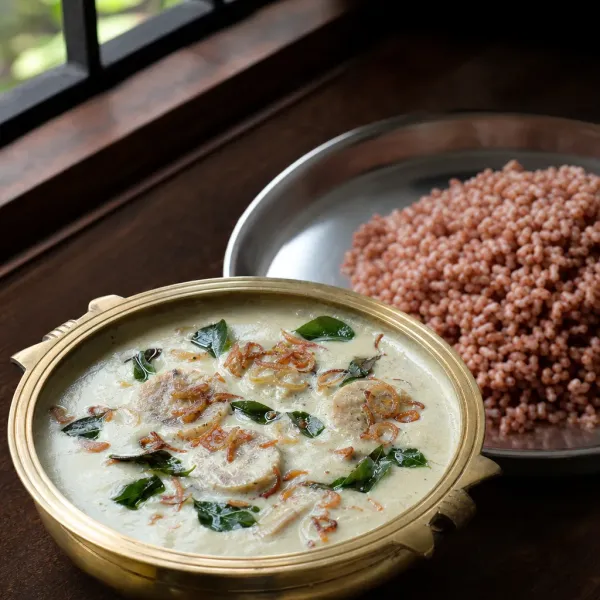
Vazhakka Curry (Raw Banana in Coconut Gravy)
Traditional Nasrani Kerala vazhakka curry with fresh coconut paste and kudampuli. Step-by-step household recipe with exact quantities and cook's note…
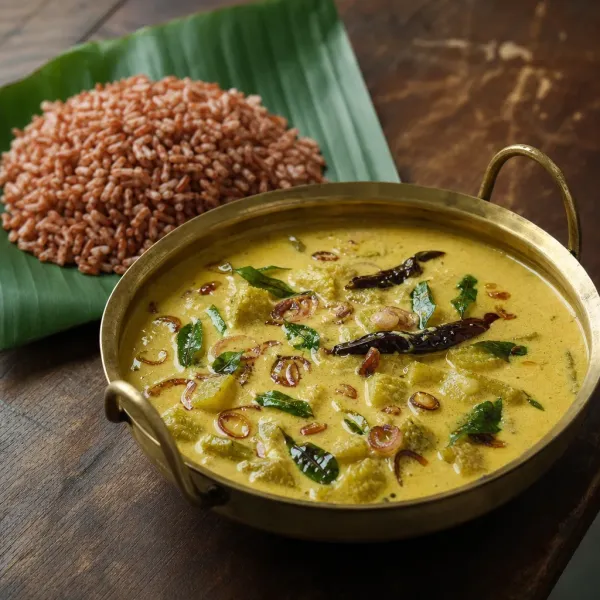
Manga Curry
Traditional Kerala manga curry with fresh coconut paste, shallots and curry leaves. A quick, sour, everyday side dish for matta rice. Ready in 40 min…
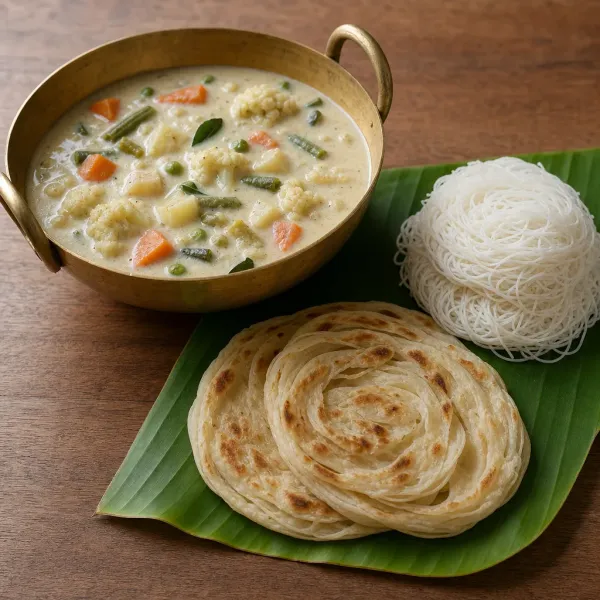
Kerala Muslim Vegetable Kurma
Traditional Malabar Mappila vegetable kurma with fresh coconut, kus kus and cashew paste. Pale, mildly spiced, perfect with parotta and idiyappam.