

Neymeen Curry Recipe
Malayalam നെയ്മീൻ കറിTamil நெய்மீன் கறிKannada ನೆಯ್ಮೀನ್ ಕರಿTelugu నెయ్మీన్ కర్రీ
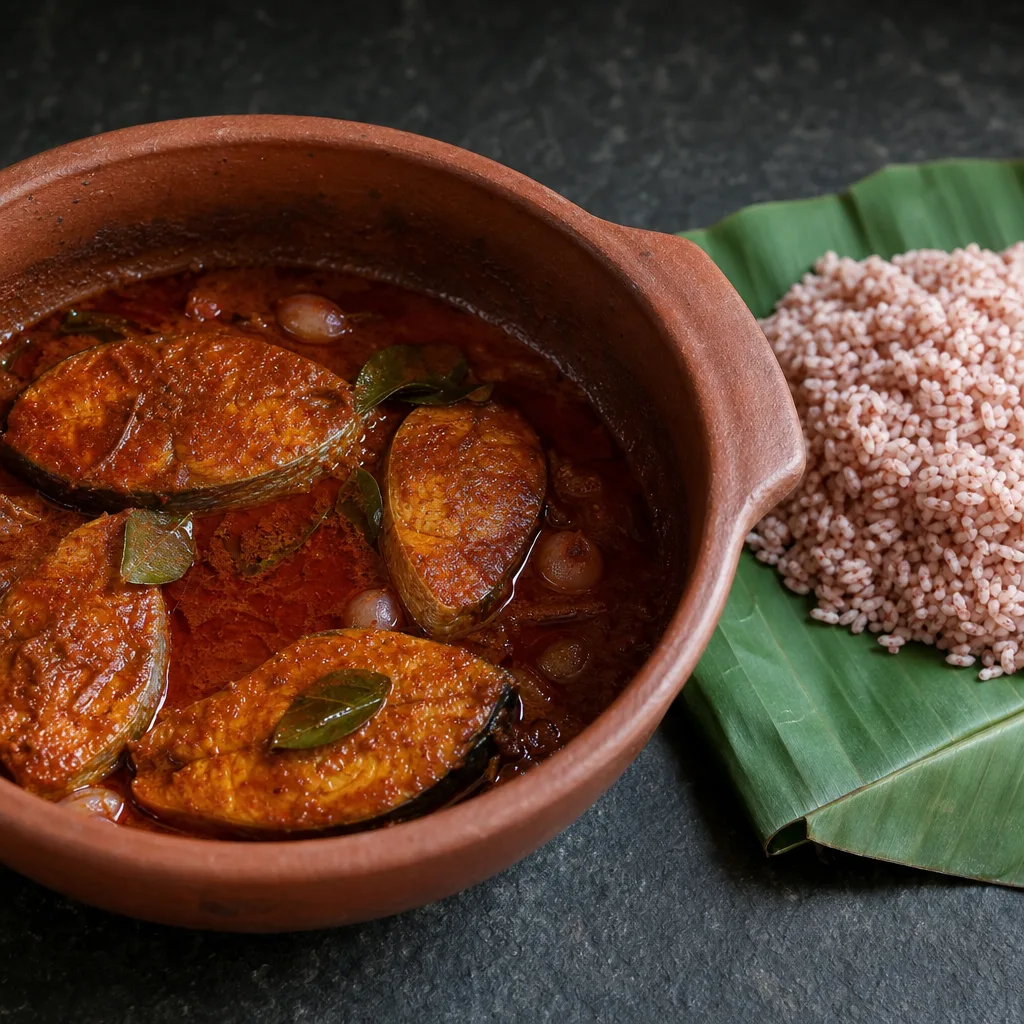
- Prep20 min
- Cook35 min
- Serves4
- DifficultyMedium
- DietNon-vegetarian
Neymeen is Spanish mackerel or seer fish, and in Malabar it is the fish a household reaches for when guests arrive. The Mappila kitchen treats it with restraint: kudampuli for sourness, a freshly ground coconut paste for body, and coconut oil throughout. The gravy is rust-red and moderately thick, not a thin broth and not a paste.
This curry is cooked in a manchatti, an unglazed clay pot, which keeps the heat even and adds something to the flavour that an aluminium vessel simply does not. If you do not have one, a wide heavy-bottomed vessel works, but the manchatti is worth finding.
Households differ mainly on heat. Some families use only Kashmiri chilli for colour and keep the curry mild enough for children; others add two or three small green chillies to the grinding. The kudampuli quantity also varies with the sourness of the batch — taste the soaked water before you add it all.
Ingredients (serves 4)
Fish
Souring agent
To grind to a paste
For the curry base
Method
Soak the kudampuli
Place the kudampuli pieces in 100 ml warm water and leave for 15 minutes. The water will turn a deep amber and smell sour. Set aside with the soaking liquid; you will add both to the pot.
Grind the coconut paste
Put the soaked Kashmiri chillies, green chillies, coriander seeds, peppercorns, turmeric, garlic, ginger and grated coconut into a grinder. Add 3 to 4 tablespoons of water and grind to a very smooth paste — keep the machine running longer than you think necessary. A gritty paste will make the gravy feel rough in the mouth.
Temper the spices
Heat the coconut oil in a manchatti or heavy wide pot over medium heat. Add the fenugreek seeds and the whole dried red chilli. Let the fenugreek turn just golden — no darker, or it turns bitter. Add the curry leaves immediately; they will crackle and spit.
Soften the shallots
Add the sliced shallots and cook over medium-low heat, stirring often, until they are soft, translucent and just beginning to colour at the edges, about 8 minutes. Do not rush this step; undercooked shallots leave a raw sweetness that sits wrong against the sour kudampuli.
Add the ground paste
Tip in the coconut paste and stir it into the shallots. Cook over medium heat, stirring constantly, for 4 to 5 minutes until the raw smell of the coriander and coconut is gone and the paste has darkened slightly and begun to stick at the edges of the pot.
Build the gravy
Pour in the kudampuli along with all its soaking water. Add a further 200 ml of water. Stir well, scraping up anything stuck to the base. Taste the liquid at this point and adjust salt; the sourness of kudampuli varies batch to batch.
Bring to a simmer
Raise the heat and bring the gravy to a steady simmer. It should bubble gently across the surface, not boil hard. The colour at this stage is a deep brick-red.
Add the fish
Slide the seer fish steaks into the simmering gravy in a single layer. Tilt the pot gently to coat the fish rather than stirring — seer fish breaks apart easily. Spoon a little gravy over the top of each piece.
Cook the fish through
Cover and cook over medium-low heat for 10 to 12 minutes. The fish is ready when it is opaque all the way through and the flesh just begins to pull away from the bone when you press the side of a spoon against a steak. Do not overcook; seer fish dries out quickly.
Rest before serving
Turn off the heat and leave the curry uncovered for 5 minutes. The gravy will thicken slightly as it settles. Finish with a thin drizzle of raw coconut oil directly into the pot before bringing it to the table.
How to serve
Matta rice (red parboiled rice) or pathiri (thin rice flour flatbread). Some households serve it with kallappam on weekends.
Served with: Matta rice (red parboiled rice) or pathiri (thin rice flour flatbread). Some households serve it with kallappam on weekends.
Cook's tips
Manchatti matters
A new clay pot must be seasoned: fill it with water, bring slowly to a boil, discard the water, rub the inside with coconut oil and leave overnight. An unseasoned pot can crack and will add an earthy taste.
Kudampuli sourness varies
Freshly dried kudampuli is more sour than older stock. Always taste the soaking water before adding all of it. You can hold back a tablespoon and add it at the end if the curry needs more acidity.
Do not substitute tamarind
Tamarind gives a different, rounder sourness. Kudampuli is sharper and has a faint fruity bitterness that is part of what makes this curry taste the way it does. The two are not interchangeable in a Mappila fish curry.
Resting improves the dish
Like most coconut-based fish curries, this tastes better two to three hours after cooking when the fish has absorbed the gravy. Many households make it in the morning for lunch.
Handling the fish
Seer fish steaks with the bone in hold together better than boneless pieces in a curry. If your fishmonger gives you thick steaks, press them gently into the gravy rather than stirring. Stirring will break the flesh.
Regional variations
A Travancore Syrian Christian (Nasrani) version uses kudampuli alone with no green chilli paste and finishes with coconut milk; a coastal Iyer household in Tamil Nadu makes a similar seer fish kuzhambu with tamarind and gingelly oil.
Glossary
- Neymeen നെയ്മീൻ
- Malayalam name for seer fish or Spanish mackerel (Scomberomorus commerson).
- Kudampuli കുടംപുളി
- Dried rind of Garcinia cambogia, the souring agent characteristic of Malabar and Travancore fish curries; sometimes called Malabar tamarind in English.
- Manchatti മൺചട്ടി
- Unglazed terracotta cooking pot used throughout Kerala; conducts heat evenly and is considered essential for fish curries.
- Chuvannulli ചുവന്നുള്ളി
- Small red shallots used in Kerala cooking; sharper and more aromatic than large onions.
- Matta rice മട്ട അരി
- Red parboiled rice from Palakkad, the everyday table rice of Kerala households.
- Pathiri പത്തിരി
- Thin, soft unleavened flatbread made from rice flour, a staple of the Mappila kitchen.
Two things decide this curry: the freshness of the coconut paste — it must be ground smooth enough to dissolve into the gravy without grittiness — and the restraint shown with the kudampuli. Get the sourness right and everything else follows. The fish needs only ten minutes in the pot; the work is all in building the base before it goes in.
More Seafood recipes
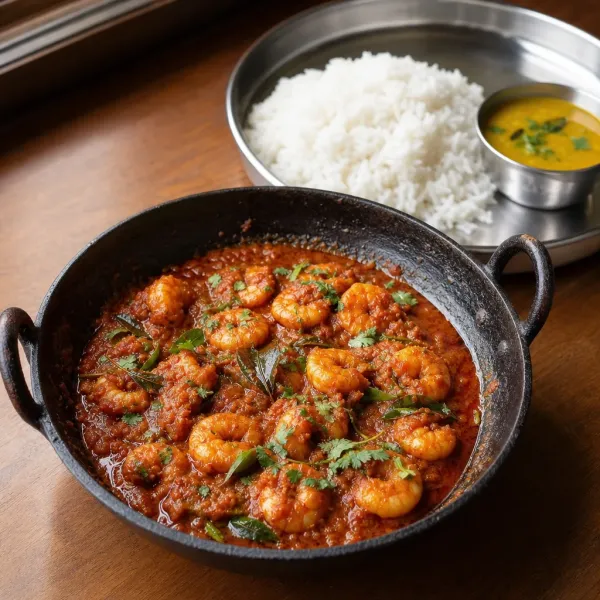
Royyala Iguru
Traditional coastal Andhra royyala iguru: prawns cooked semi-dry in a shallot, tomato and guntur chilli masala with gingelly oil. Authentic household…
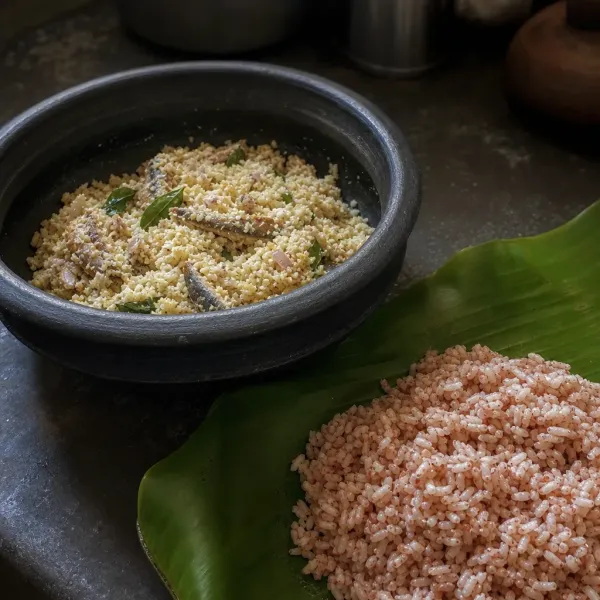
Meen Peera: Kerala Fish Steamed with Grated Coconut
Traditional Kerala meen peera: small fish steamed dry with fresh grated coconut, shallots, kudampuli and turmeric. No water added. Step-by-step home…
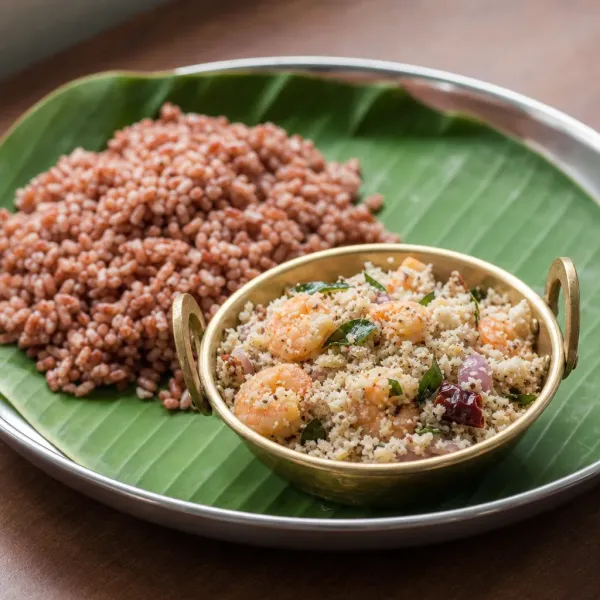
Chemmeen Thoran
Traditional Kerala chemmeen thoran: small prawns stir-fried with fresh grated coconut, shallots, curry leaves and coconut oil. Dry, fragrant and read…
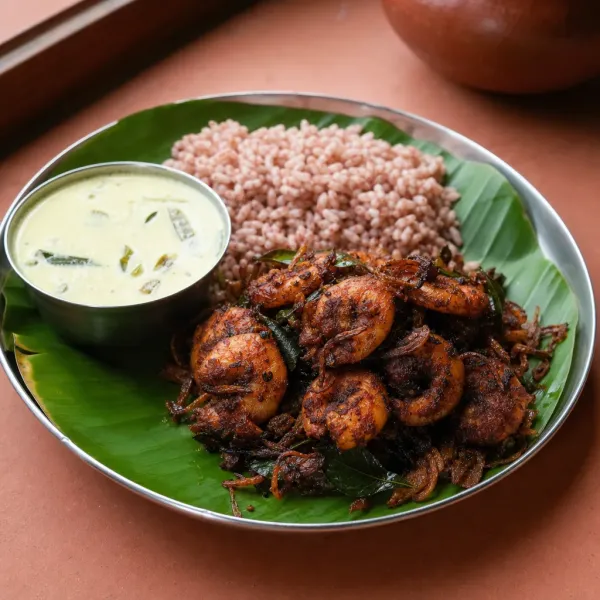
Chemmeen Varuthathu
Traditional Kerala prawn fry with kudampuli, red chilli, and coconut oil. Dry, crisp-edged, and deeply spiced – the Travancore household method.
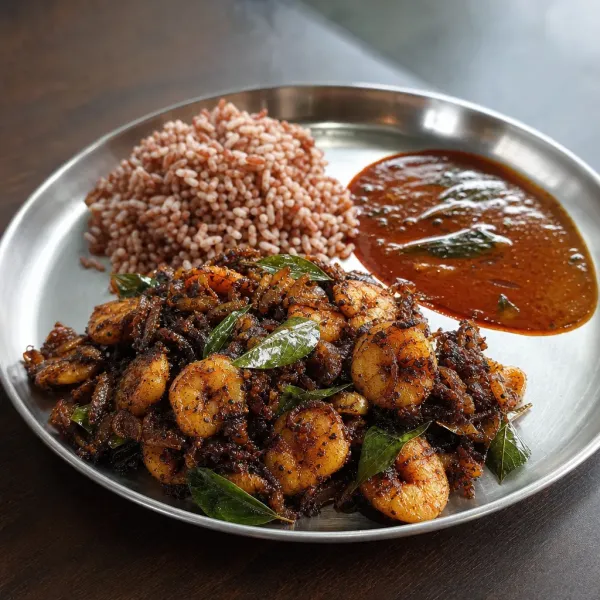
Kerala Prawn Pepper Fry
Authentic Kerala Syrian Christian prawn pepper fry with shallots, cracked black pepper and coconut oil. Dry, dark and ready in 25 minutes.
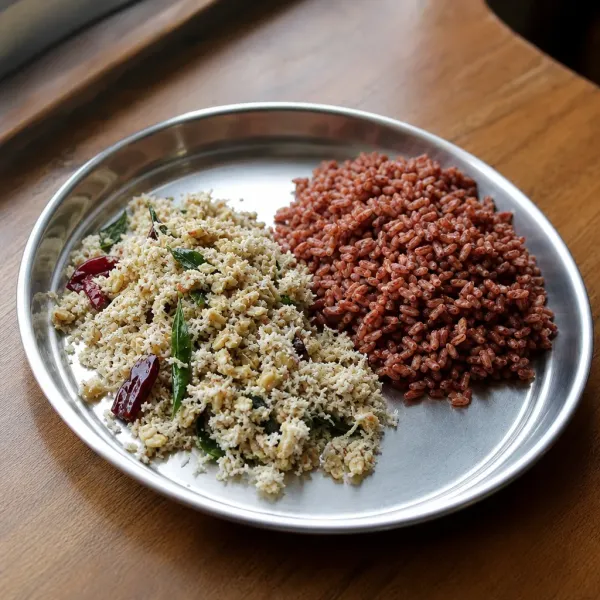
Kakka Irachi Thoran
Traditional Kerala kakka irachi thoran: fresh clam meat stir-fried dry with grated coconut, shallots and curry leaves. Coastal household recipe with…