

Meen Peera: Kerala Fish Steamed with Grated Coconut Recipe
Malayalam മീൻ പീരTamil மீன் பீராKannada ಮೀನ್ ಪೀರTelugu మీన్ పీర
- Prep20 min
- Cook25 min
- Serves4
- DifficultyEasy
- DietNon-vegetarian
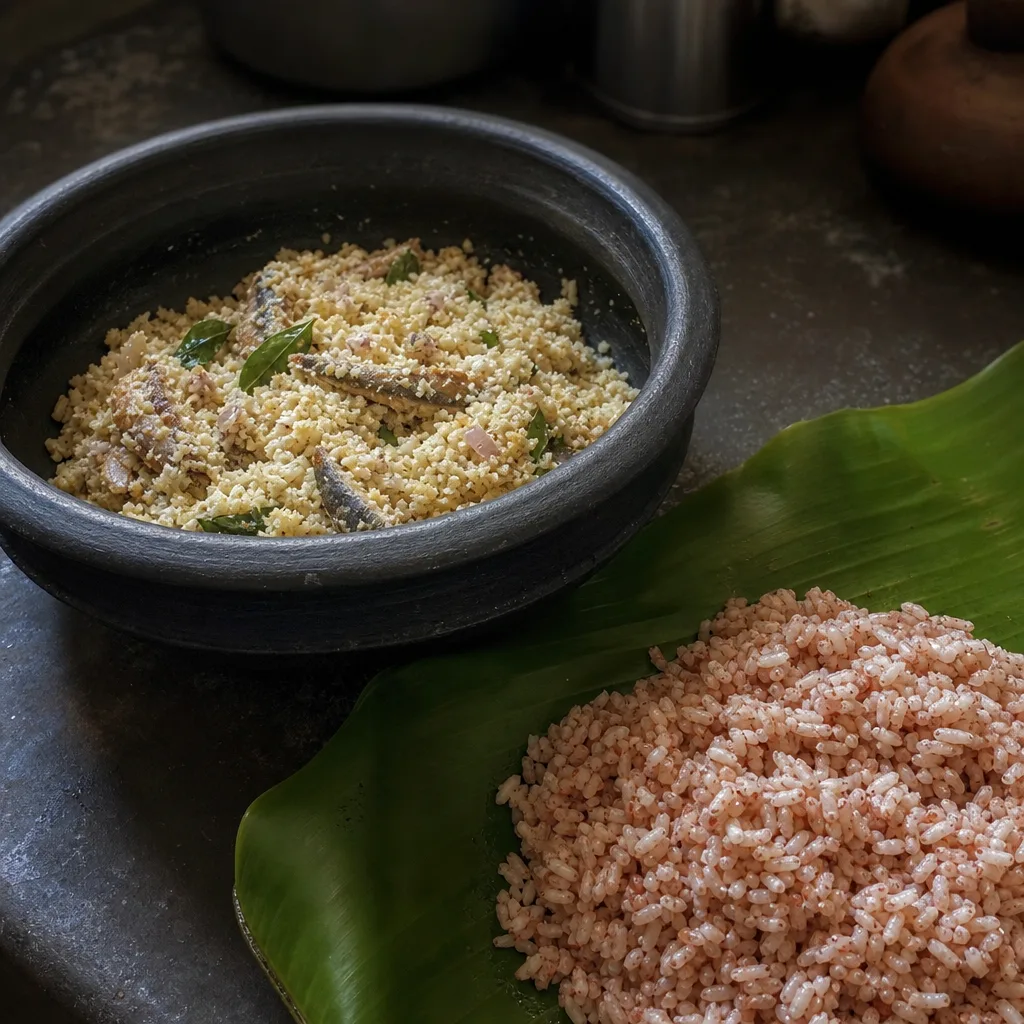
Meen peera is one of the oldest ways fish is cooked in Kerala homes. Small, bony fish are layered with grated coconut, shallots, green chilli, turmeric, and kudampuli, then the pot is covered and left on a low flame. The steam trapped inside does the cooking. No water is added. The fish releases its own moisture, the coconut absorbs it, and what comes out is dry, fragrant, and deeply savoury.
The dish works best with small fish that have flavour in the bone: ayala (Indian mackerel), netholi (anchovies), or small karimeen (pearl spot). Sardines are common too. A large, mild fish like seer would be wasted here; the whole point is the intensity that comes from small fish cooked with their bones. Kudampuli, the dried Malabar tamarind, gives the dish its characteristic sour note; regular tamarind is not the same and should not be substituted.
Households differ mainly in the proportion of coconut and in how long they let it cook. Some families like it just barely done, the coconut still pale and moist. Others leave it another five minutes so the coconut begins to dry and the shallots caramelise slightly against the bottom. Both are correct. What no one does is add water.
Ingredients (serves 4)
For the fish and coconut mixture
Method
Soak the kudampuli
Rinse the kudampuli pieces under cold water. Soak them in 3 tablespoons of warm water for 10 minutes. Squeeze them gently and keep both the soaked pieces and the soaking water. This softens the rind and releases the sourness evenly through the dish.
Season the coconut
Put the grated coconut into a wide, heavy-bottomed vessel, preferably a manchatti (clay pot) or a thick-bottomed uruli. Add the turmeric, salt, the squeezed kudampuli pieces, and the reserved soaking water. Mix well with your fingers so the turmeric colours the coconut evenly. The mixture will look yellow and slightly damp.
Add the fish and aromatics
Lay the fish pieces over the coconut mixture. Scatter the sliced shallots, slit green chillies, broken dried red chillies, and curry leaves on top. Do not stir yet. The layering matters: coconut on the bottom protects the fish from the direct heat.
Add coconut oil and close the pot
Drizzle the coconut oil over everything. Cover the vessel with a tight-fitting lid. If your lid does not fit well, place a weight on top. No water goes in at this stage.
Cook on low heat
Place the pot on the lowest flame your stove allows. Cook for 10 minutes without opening the lid. The fish will begin releasing moisture, and you will hear a gentle sizzle. Do not rush this with higher heat; the coconut will scorch before the fish cooks through.
Turn the mixture gently
Open the lid carefully, away from you, as steam will escape. Using a flat wooden spatula, gently fold the contents once from the bottom upward so the coconut and fish redistribute. Do not break the fish pieces. The coconut at the bottom should look slightly translucent and smell cooked, not raw.
Finish cooking
Cover again and cook for another 10 to 12 minutes on low heat. The dish is ready when the fish is cooked through, the coconut is dry but not scorched, and the shallots have softened. The mixture should look like a dry, crumbly mass. If there is still visible liquid pooled at the bottom, cook uncovered for 2 more minutes.
Check seasoning and serve
Taste for salt and sourness. If you want more tang, add a very small piece of kudampuli dissolved in a teaspoon of water, fold it in, and cook one minute more. Serve directly from the pot.
How to serve
Hot matta rice (red Kerala rice). Often eaten alongside a thin fish curry or simply with raw mango pickle and papadam.
Served with: Hot matta rice (red Kerala rice). Often eaten alongside a thin fish curry or simply with raw mango pickle and papadam.
Cook's tips
Which fish to use
Bony, flavourful small fish are essential. Netholi (anchovies) give the most intense result. Sardines (mathi) work very well. Avoid large, mild fish; they do not have enough flavour to carry the coconut.
Kudampuli cannot be replaced
Tamarind gives a different, rounder sourness and makes the coconut wet. Kudampuli is sharper and drier. If you genuinely cannot find it, a very small amount of raw mango pieces is a distant second, but the flavour will be different. Do not use tamarind paste.
The pot matters
A manchatti (clay pot) holds heat gently and evenly, which is why this dish traditionally cooked in one. A thick-bottomed steel vessel is the common household substitute. A thin pan will scorch the coconut before the fish is done.
Do not open the lid too early
The steam inside is doing the cooking. Opening the lid in the first 10 minutes lets it escape and the fish will dry out unevenly. Wait for the first 10 minutes to pass before checking.
Freshly grated coconut only
Desiccated coconut absorbs the fish moisture differently and turns powdery rather than moist and cooked. This dish requires fresh coconut. Frozen grated coconut, fully thawed, is an acceptable shortcut in households outside Kerala.
Regional variations
Some Mappila households add a little coconut oil and curry leaves at the end and cook it slightly longer so the coconut catches colour; some cooks in northern Kerala use a clay pot and no water at all, relying entirely on the moisture of the fish.
Glossary
- Kudampuli കുടംപുളി
- Dried rind of Garcinia cambogia, also called Malabar tamarind or fish tamarind; gives a sharp, clean sourness to Kerala fish dishes.
- Manchatti മൺചട്ടി
- Unglazed clay cooking pot used in Kerala kitchens; retains heat gently and imparts a faint earthy flavour.
- Chuvannulli ചുവന്നുള്ളി
- Small red shallots used throughout Kerala cooking; sharper and more aromatic than large onions.
- Ayala അയല
- Indian mackerel (Rastrelliger kanagurta); one of the most common fish in Kerala home cooking.
- Netholi നെത്തോലി
- Anchovies or small whitebait; very flavourful small fish used whole in dishes like meen peera.
- Matta rice മട്ട അരി
- Red parboiled rice grown in Kerala, also called Rosematta or Kerala red rice; the everyday rice of most Kerala households.
- Peera പീര
- A dry preparation in which an ingredient, usually fish or yam, is cooked with grated coconut in its own steam; sometimes also called thoran-style for fish.
Two things decide whether this works: the kudampuli and the heat. Get the sourness right, using real kudampuli at the right quantity, and the flavour is there. Keep the flame genuinely low throughout, and the coconut stays moist and fragrant rather than burnt. Everything else, the choice of fish, the number of chillies, the exact ratio of shallots, is household preference.
More Seafood recipes
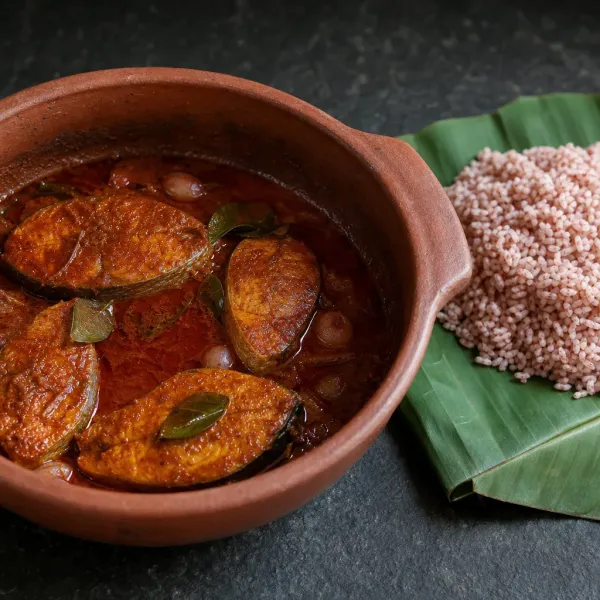
Neymeen Curry
Traditional Malabar Mappila neymeen curry with kudampuli, fresh coconut paste and coconut oil, cooked in a clay pot. Step-by-step Kerala recipe.
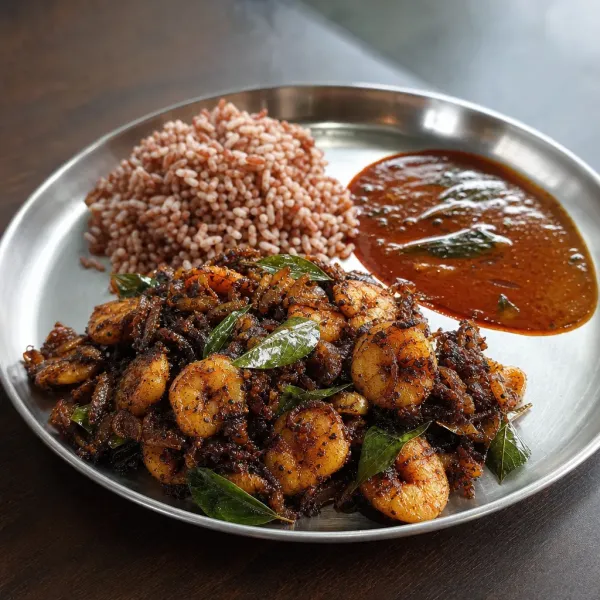
Kerala Prawn Pepper Fry
Authentic Kerala Syrian Christian prawn pepper fry with shallots, cracked black pepper and coconut oil. Dry, dark and ready in 25 minutes.
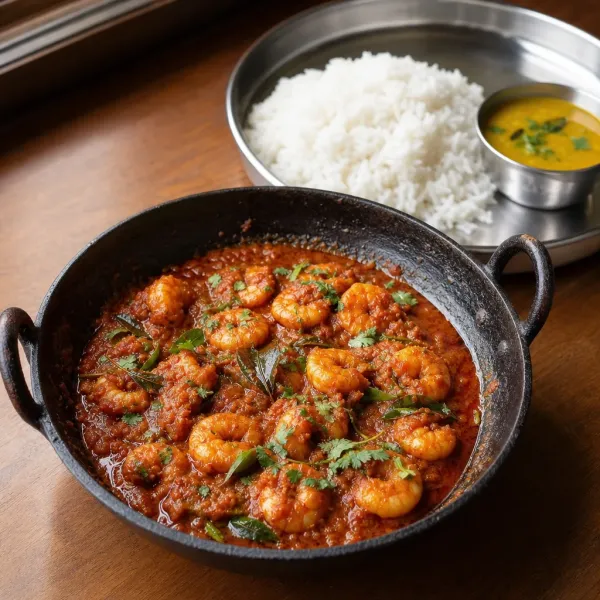
Royyala Iguru
Traditional coastal Andhra royyala iguru: prawns cooked semi-dry in a shallot, tomato and guntur chilli masala with gingelly oil. Authentic household…
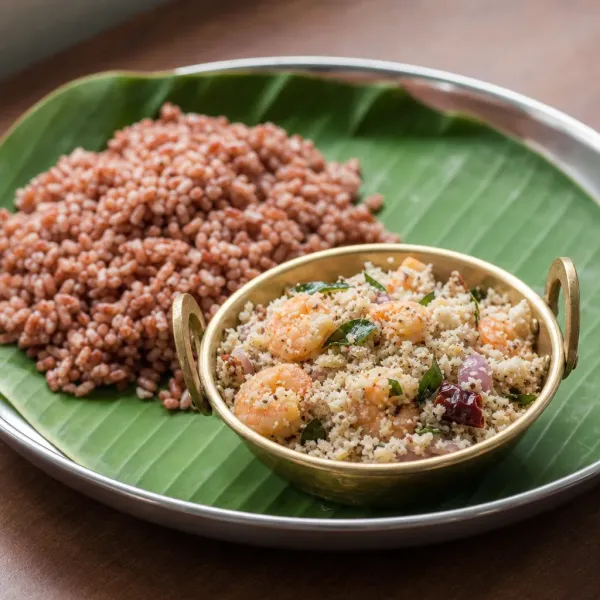
Chemmeen Thoran
Traditional Kerala chemmeen thoran: small prawns stir-fried with fresh grated coconut, shallots, curry leaves and coconut oil. Dry, fragrant and read…
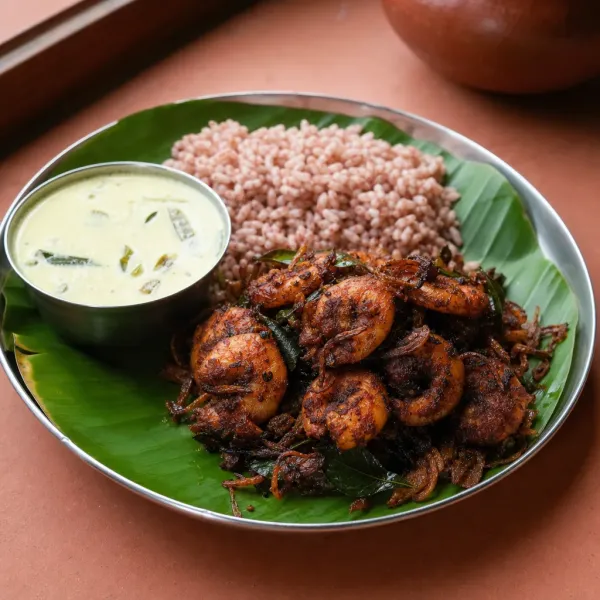
Chemmeen Varuthathu
Traditional Kerala prawn fry with kudampuli, red chilli, and coconut oil. Dry, crisp-edged, and deeply spiced – the Travancore household method.
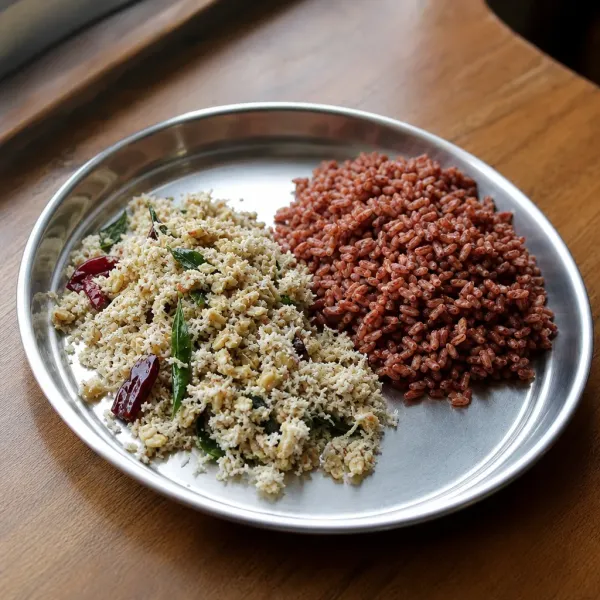
Kakka Irachi Thoran
Traditional Kerala kakka irachi thoran: fresh clam meat stir-fried dry with grated coconut, shallots and curry leaves. Coastal household recipe with…