

Chemmeen Thoran Recipe
Malayalam ചെമ്മീൻ തോരൻTamil இறால் தோரன்Kannada ಸೀಗಡಿ ತೋರನ್Telugu రొయ్యల తోరన్
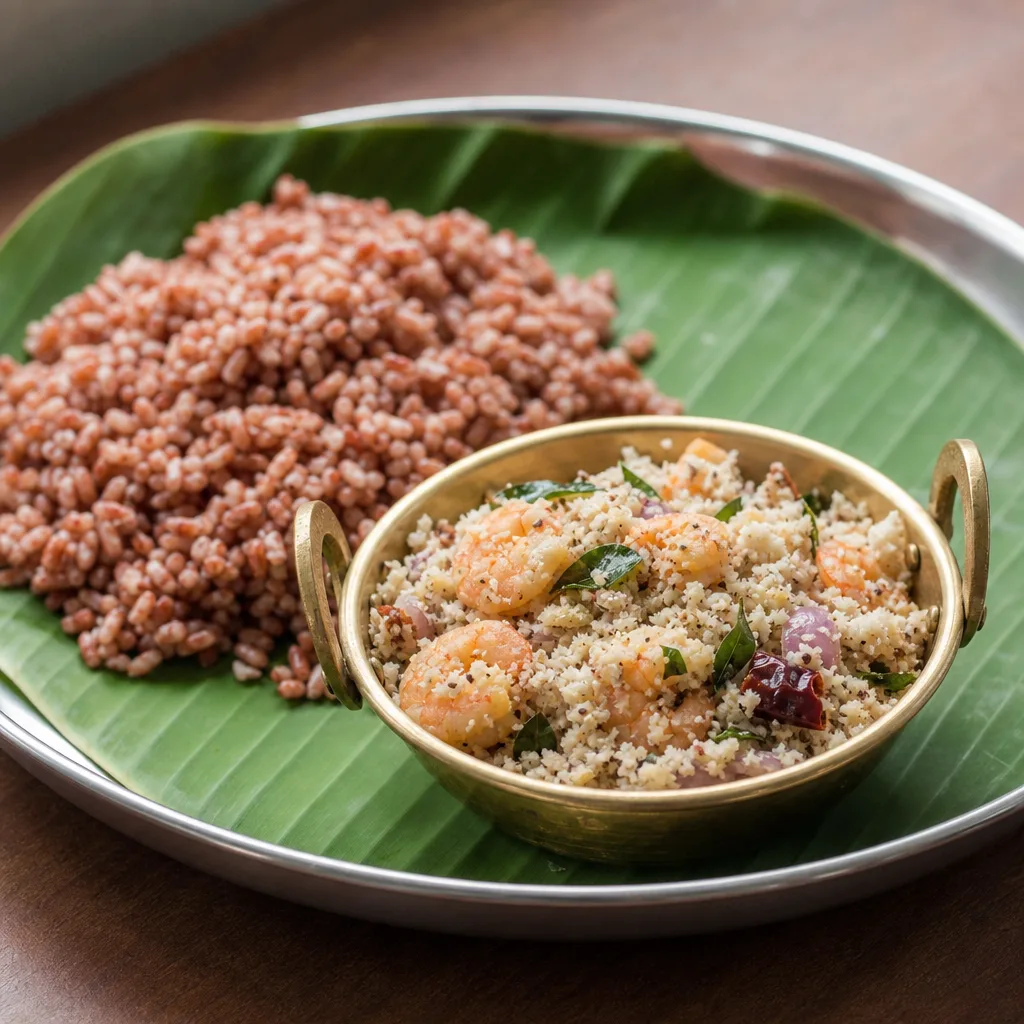
- Prep20 min
- Cook15 min
- Serves4
- DifficultyEasy
- DietNon-vegetarian
Thoran is the everyday dry side dish of the Kerala table, made with vegetables, and occasionally with small fish or prawns. Chemmeen thoran uses small to medium prawns cooked briefly with shallots, green chillies and curry leaves, then tossed through freshly grated coconut so the coconut warms through without losing its raw sweetness. The result is dry enough to sit alongside rice without making it wet.
This version belongs to the general Kerala Hindu and Syrian Christian home kitchen along the coastal and midland belt. It is not a curry; there is no gravy, no souring agent, no thickening. The coconut is not fried to a brown crumble as in some Tamil poriyal styles. It just coats the prawns and absorbs the flavour of the tempering.
It is eaten as one of two or three side dishes with rice at the main midday meal. Households differ mainly on heat: some use only two green chillies and keep it mild enough for children, others add a pinch of red chilli powder with the turmeric. The coconut oil used at the end, poured over the finished dish off the heat, is not optional in most homes.
Ingredients (serves 4)
For the prawns
For the coconut mixture
For tempering
Method
Marinate the prawns
Toss the cleaned prawns with ¼ tsp turmeric and a little salt. Set aside for 10 minutes while you prepare everything else. Do not leave them longer or the salt will draw out too much moisture.
Mix the coconut
In a bowl, combine the grated coconut, 2 sliced shallots, the slit green chillies and ¼ tsp turmeric. Mix with your fingers so the turmeric colours the coconut evenly and the shallots are distributed. Taste the coconut: it should be barely salty at this stage because the prawns already carry salt.
Heat the pan
Place a heavy-bottomed cheena chatti or a wide iron pan over medium heat. Add the coconut oil and let it heat until it shimmers but does not smoke. Coconut oil has a low smoke point; keep the flame steady.
Temper the spices
Add the mustard seeds. When they sputter and pop, add the broken dried red chillies. They will darken in 10 to 15 seconds. Add the remaining 2 sliced shallots and the curry leaves. Stir and fry until the shallots turn translucent and just start to colour at the edges, about 2 minutes.
Cook the prawns
Add the marinated prawns to the pan in a single layer as much as possible. Stir once, then leave them for 1 minute so they begin to colour on one side. Stir again. Prawns are small and cook fast; they are done when they curl into a C-shape and turn pink and opaque throughout, about 3 to 4 minutes total. Do not overcook or they turn rubbery.
Check for moisture
If the prawns have released any liquid, raise the heat briefly and let it evaporate. A thoran must be dry. There should be no pooling liquid in the pan before the coconut goes in.
Add the coconut mixture
Reduce the heat to low. Add the coconut and shallot mixture over the prawns. Fold everything together gently with a wooden spoon or a flat ladle so the coconut coats the prawns without breaking them. Do not press or mash.
Warm the coconut through
Keep the heat on low and stir gently every 30 seconds for about 2 to 3 minutes. The coconut should warm through and absorb the flavours of the tempering. It should remain pale and moist-looking, not brown or dry and crumbly. If it starts to stick, the heat is too high.
Finish and serve
Taste and adjust salt. Remove from the heat. If you like, drizzle ½ tsp raw coconut oil over the top off the flame. Serve immediately while fragrant.
How to serve
Hot matta rice (red Kerala rice), a vegetable curry or sambar, and pickle or pappadam. At a full Kerala meal it sits alongside one or two other thorans or a pachadi.
Served with: Hot matta rice (red Kerala rice), a vegetable curry or sambar, and pickle or pappadam. At a full Kerala meal it sits alongside one or two other thorans or a pachadi.
Cook's tips
Size of the prawns matters
Very large prawns do not suit this dish. They take longer to cook, release more water and overwhelm the coconut. Small kadal chemmeen (sea prawns) or medium karimeen-sized prawns work best. Backwater prawns have a sweeter flavour if you can get them.
Fresh coconut cannot be replaced here
Desiccated or frozen coconut changes the texture and the taste significantly. If fresh coconut is unavailable, frozen freshly grated coconut (thawed and squeezed of excess water) is the only acceptable shortcut. Desiccated coconut absorbs the prawn juices and turns the dish grainy and dry.
The pan must be dry before the coconut goes in
If there is any liquid from the prawns still in the pan, the coconut will steam rather than warm through, and the thoran will be wet. Take the extra 30 seconds to evaporate it.
Do not cover the pan
Covering traps steam and makes the thoran wet. Cook it open throughout.
Regional variations
Mappila households in Malabar sometimes add a small piece of kudampuli and cook the prawns in their own moisture before adding the coconut; some Nasrani cooks include a few curry leaves and a pinch of turmeric in the coconut mixture itself.
Glossary
- Chemmeen ചെമ്മീൻ
- Prawn or shrimp in Malayalam; the word covers both sea and backwater varieties.
- Thoran തോരൻ
- A dry Kerala stir-fry finished with fresh grated coconut; the defining feature is that it must be dry, not saucy.
- Cheriya ulli ചെറിയ ഉള്ളി
- Small shallots, the standard allium in Kerala cooking; sweeter and more aromatic than large onions.
- Cheena chatti ചീനച്ചട്ടി
- A wide, shallow wok-like pan used in Kerala kitchens; conducts heat evenly and is ideal for dry preparations.
- Matta rice മട്ട അരി
- Red parboiled rice from Palakkad, the everyday rice of most Kerala households; nutty, firm and high in fibre.
Two things decide whether this dish works: keeping the prawns from overcooking, and keeping the pan dry before the coconut goes in. Rush either of those and you get either rubbery prawns in a wet, steamed coconut mass, or a dish with no flavour at all. Get both right and the coconut stays sweet, the prawns stay tender, and the whole thing smells of fresh curry leaves and coconut oil the moment it comes off the heat.
More Seafood recipes
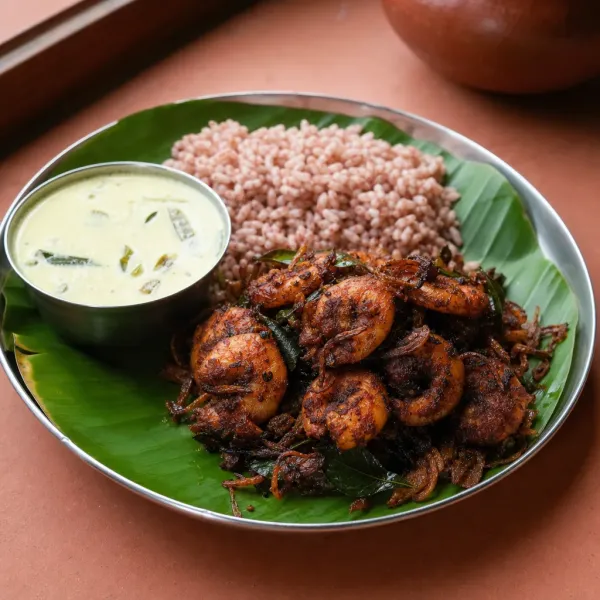
Chemmeen Varuthathu
Traditional Kerala prawn fry with kudampuli, red chilli, and coconut oil. Dry, crisp-edged, and deeply spiced – the Travancore household method.
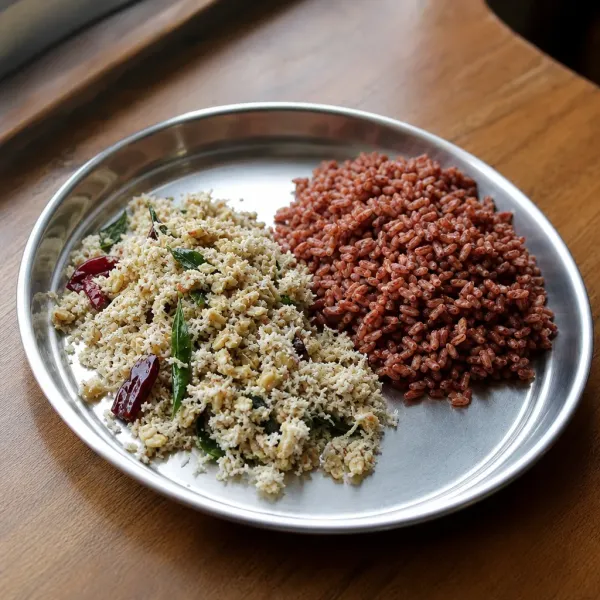
Kakka Irachi Thoran
Traditional Kerala kakka irachi thoran: fresh clam meat stir-fried dry with grated coconut, shallots and curry leaves. Coastal household recipe with…
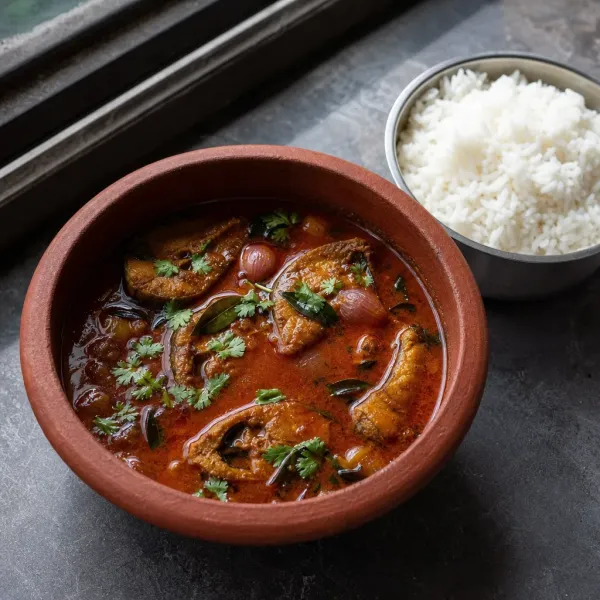
Chepala Pulusu
Traditional Andhra chepala pulusu made with whole shallots, tamarind, and firm fish simmered in gingelly oil. No tomato. Coastal Andhra household met…
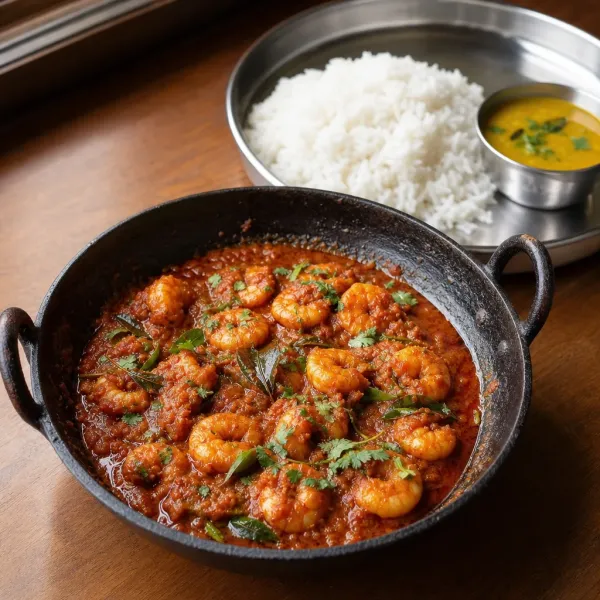
Royyala Iguru
Traditional coastal Andhra royyala iguru: prawns cooked semi-dry in a shallot, tomato and guntur chilli masala with gingelly oil. Authentic household…
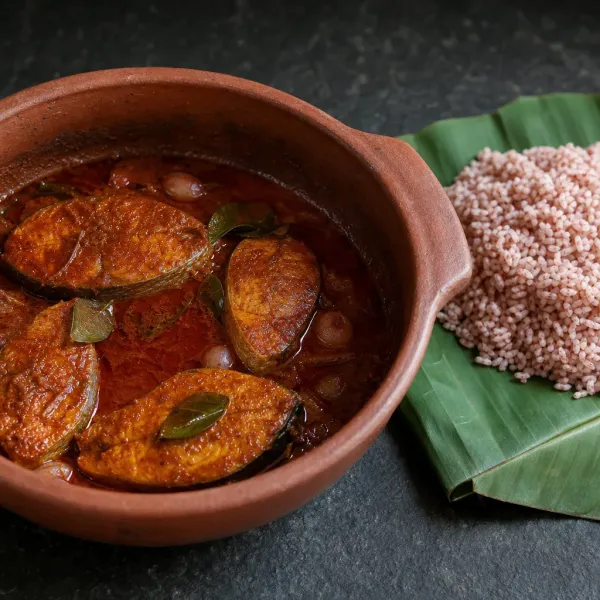
Neymeen Curry
Traditional Malabar Mappila neymeen curry with kudampuli, fresh coconut paste and coconut oil, cooked in a clay pot. Step-by-step Kerala recipe.
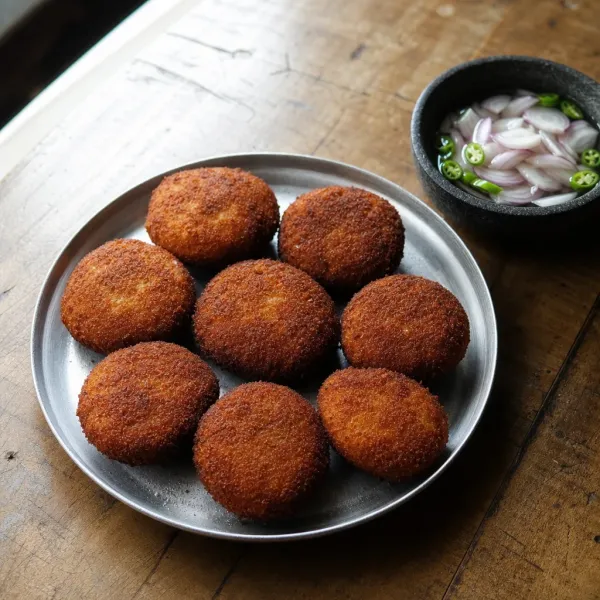
Kerala Nasrani Fish Cutlet
Traditional Kerala Nasrani fish cutlet with seer fish, shallots and coconut oil. Step-by-step method for a crisp, golden crust that holds.