

Kerala Nasrani Fish Cutlet Recipe
Malayalam മീൻ കട്ലറ്റ്Tamil மீன் கட்லெட்Kannada ಮೀನು ಕಟ್ಲೆಟ್Telugu చేప కట్లెట్
- Prep30 min
- Cook40 min
- Serves4
- DifficultyMedium
- DietNon-vegetarian
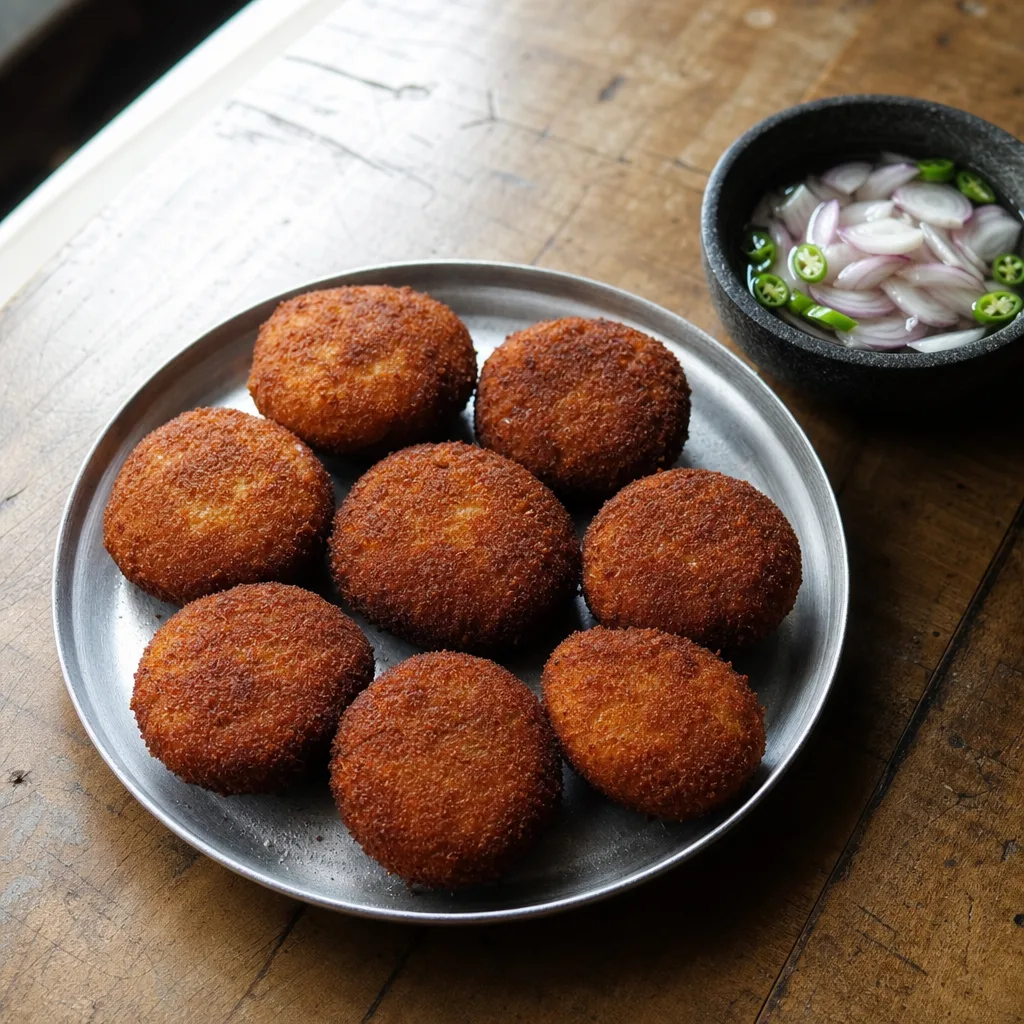
Fish cutlet is a fixture of the Nasrani household table, made for Sunday lunch, for feast days, and for guests who arrive without warning. It appears on the same plate as rice and stew, or it travels in a tiffin box to be eaten at room temperature. The fish most often used is seer fish (ayakoora) or sardines when the budget demands it, though any firm-fleshed fish that flakes cleanly without going mushy will do the job.
The Nasrani version is built around boiled and flaked fish mixed with cooked shallots, ginger, green chilli and a little garam masala that is mild by any standard — just enough warmth, no heat that overpowers the fish. The potato is there to bind, not to dilute. Some households add a beaten egg into the filling itself; others rely entirely on the potato. Both are correct. The exterior is coated in beaten egg and fine breadcrumbs, then shallow-fried in coconut oil until the crust is deep amber and holds its shape.
Every family has its ratio. Some grind a little pepper into the mix; some add a sprig of curry leaf chopped fine. The one thing that does not vary is that the cutlet is pressed firm before it goes into the pan. A loose cutlet breaks apart in the oil and no amount of careful turning will save it.
Ingredients (serves 4)
For the filling
For coating and frying
Method
Cook the fish
Place the fish steaks in a wide pan. Add enough water to just cover, a pinch of turmeric and a little salt. Bring to a gentle simmer and cook for 8 to 10 minutes until the flesh turns opaque all the way through and flakes when pressed. Lift the fish out carefully and set on a plate to cool. Do not let it sit in the water or it will go watery.
Flake the fish
Once the fish is cool enough to handle, remove the skin and pick out every bone — seer fish has a central bone and a few pin bones along the sides. Flake the flesh into small pieces with your fingers. The flakes should be small but not pulped. Set aside.
Fry the shallots and aromatics
Heat 1 tablespoon of coconut oil in a heavy pan over medium heat. Add the shallots and fry, stirring often, for 6 to 8 minutes until they are soft and starting to turn golden at the edges. Add the ginger, garlic and green chilli and fry for another 2 minutes until the raw smell is gone. Add the chopped curry leaves, stir once, then add the garam masala, black pepper and turmeric. Stir for 30 seconds and take the pan off the heat.
Combine the filling
In a large bowl, mix the flaked fish, the shallot mixture and the mashed potato together. Use your hands or a fork — hands give you better control. Taste for salt and adjust. The mixture should hold together when pressed into a ball; if it feels wet, set it aside uncovered for 5 minutes, which helps it firm up slightly.
Shape the cutlets
Divide the filling into 12 equal portions, roughly 65 g each. Roll each portion into a ball, then press it between your palms into a flat oval about 1.5 cm thick. Press firmly so there are no cracks at the edges. Cracks open in the oil and the cutlet falls apart. Lay the shaped cutlets on a plate and refrigerate for 15 minutes — this step is not optional if your kitchen is warm.
Set up the coating station
Put the beaten egg in a shallow bowl and the breadcrumbs in another. Work with one cutlet at a time: dip it in the egg so it is coated on all sides, let the excess drip off, then press it into the breadcrumbs on both sides and around the edges. The crumb coat should be even with no bare patches. Set on a clean plate.
Heat the oil
Pour the coconut oil into a wide, heavy frying pan to a depth of about 5 mm. Heat over medium flame. To test the oil, drop in a pinch of breadcrumbs — they should sizzle immediately and rise to the surface. If they sink and sit there, the oil is not ready. If they brown in under 5 seconds, the oil is too hot and the crust will burn before the inside warms through.
Shallow-fry the cutlets
Lower the cutlets into the hot oil in batches — do not crowd the pan. Fry for 3 to 4 minutes on the first side without moving them. When the underside is deep amber and the cutlet releases cleanly from the pan, turn it once and fry the second side for 3 minutes. Lift onto a plate lined with paper. The crust should be firm and a dark golden brown; pale cutlets have a raw, doughy crumb coat.
Rest briefly and serve
Let the cutlets rest on the paper for 2 minutes before serving. This lets the crust set so it stays crisp for a few minutes after plating. Serve hot.
How to serve
Sliced shallots and green chillies in vinegar as a quick pickle alongside; also eaten with Kerala porotta or as a side with rice and stew at Sunday lunch.
Served with: Sliced shallots and green chillies in vinegar as a quick pickle alongside; also eaten with Kerala porotta or as a side with rice and stew at Sunday lunch.
Cook's tips
Fish choice
Sardines (mathi) work well and are cheaper. Boil, cool and bone them the same way. The filling will be slightly stronger in flavour, which many households prefer. Avoid fish with a high water content like pomfret — the filling stays wet and the cutlets break.
Refrigerating before frying
If you skip the 15-minute chill after shaping, warm cutlets tend to crack when you press on the crumb coat and then soften further in the hot oil. The chill firms the potato starch and makes the whole thing hold together.
Making ahead
Shaped and crumb-coated cutlets can be arranged in a single layer on a tray, covered with cling film and refrigerated overnight. Fry straight from the fridge; add an extra minute per side.
Breadcrumbs
Fine, dry breadcrumbs made from day-old white bread give the traditional thin crust. Panko gives a thicker, craggier crust that is not wrong but is not the Nasrani style. Blitz old bread in a mixie and spread on a tray to dry if you cannot buy fine crumbs.
Oil temperature
The biggest mistake is frying on too high a flame. The outside browns fast but the inside stays cold and the filling tastes raw. Medium heat and patience — 3 to 4 minutes per side — is the right pace.
Regional variations
Mappila fish cutlet from Malabar uses fennel seed and sometimes a little coconut in the filling; Goan Catholic cutlet uses vinegar-spiked mince and breadcrumbs made from pão.
Glossary
- Ayakoora അയക്കൂര
- Seer fish or Spanish mackerel, the preferred fish for cutlets in Nasrani households.
- Chuvannulli ചുവന്നുള്ളി
- Small red shallots, the standard allium in Kerala cooking, sharper and more fragrant than large onions.
- Garam masala (Kerala-style) ഗരം മസാല
- A mild, aromatic spice blend used in Nasrani and Syrian Christian cooking, typically built around cardamom, cloves, cinnamon and star anise with little or no chilli heat.
- Mathi മത്തി
- Sardine, an oily small fish abundant on the Kerala coast and a common substitute for seer fish in budget cooking.
Two things decide whether this cutlet succeeds: the filling must be dry enough and pressed firm enough to hold its shape through coating and frying, and the oil must be at the right temperature — hot enough to crisp the crumb immediately, cool enough to let the inside warm through before the outside burns. Get those two right and the rest follows.
More Seafood recipes
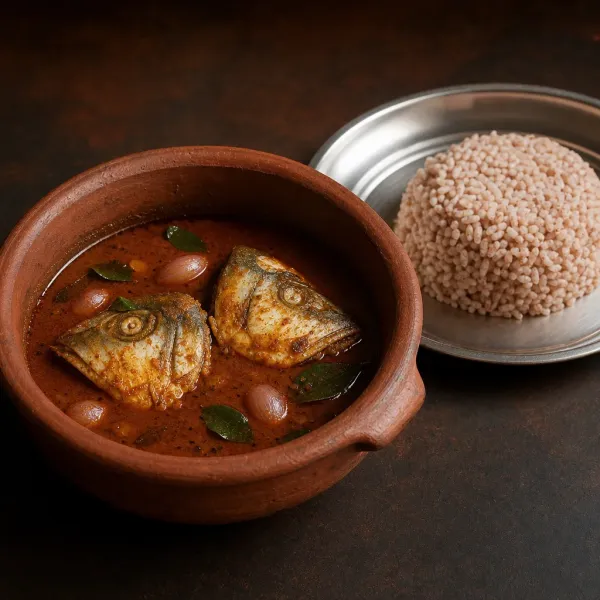
Meen Thalai Kuzhambu
Traditional Chettinad fish head curry with kalpasi, marathi mokku, gingelly oil and tamarind. Household recipe from the Chettiar kitchen of Tamil Nad…
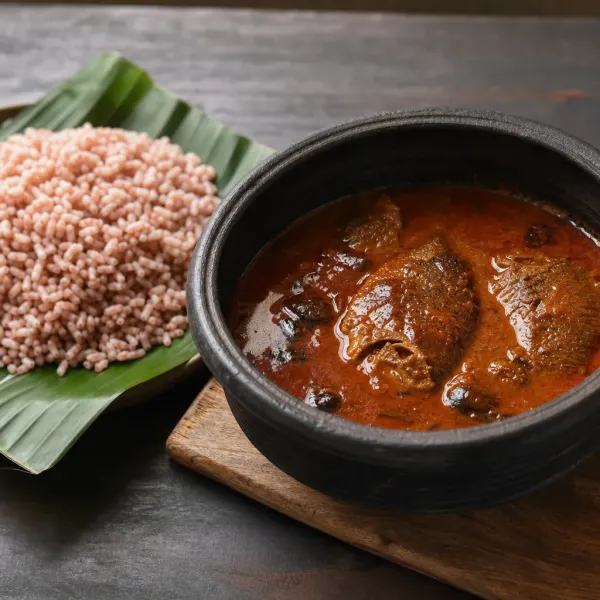
Kottayam Meen Vevichathu
Authentic Kottayam-style red fish curry with kudampuli, no coconut. Traditional Nasrani recipe cooked in a manchatti with Kashmiri chilli and coconut…
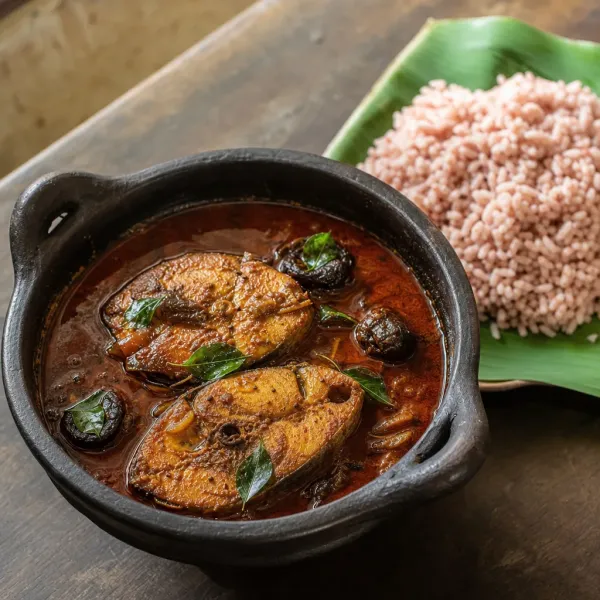
Choora Curry
Traditional Mappila tuna curry from Malabar, made with kudampuli, fresh coconut paste, and shallots in coconut oil. Step-by-step home recipe.
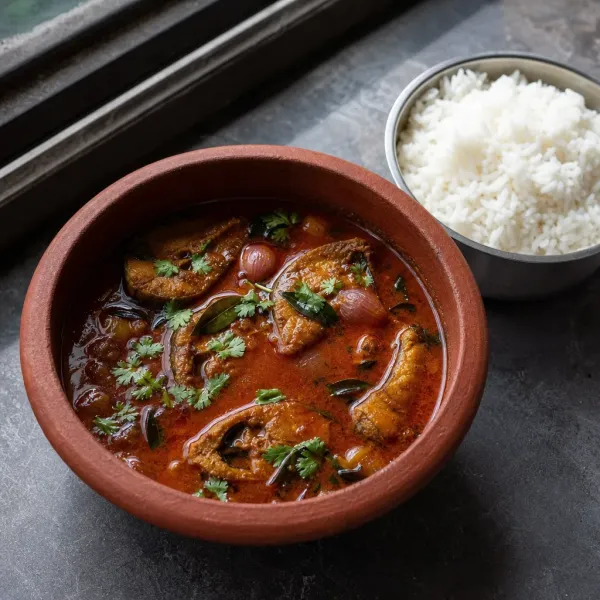
Chepala Pulusu
Traditional Andhra chepala pulusu made with whole shallots, tamarind, and firm fish simmered in gingelly oil. No tomato. Coastal Andhra household met…
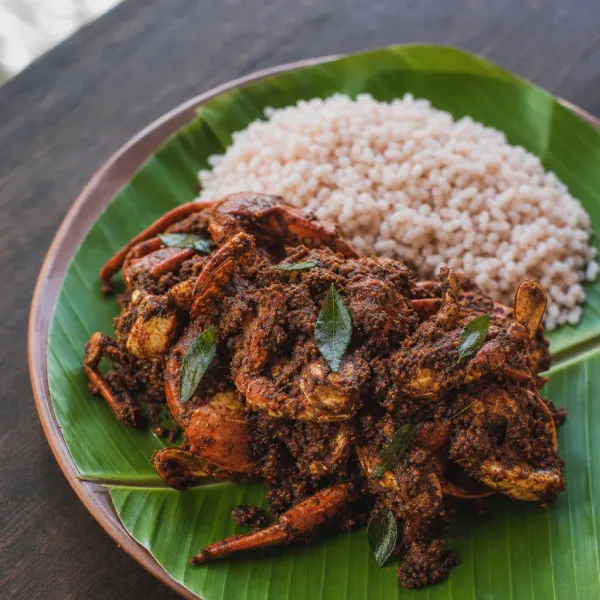
Kerala Crab Roast
Traditional dry Kerala crab roast from a Nasrani Travancore kitchen. Mud crab slow-cooked with shallots, coconut oil, and hand-ground spices until th…
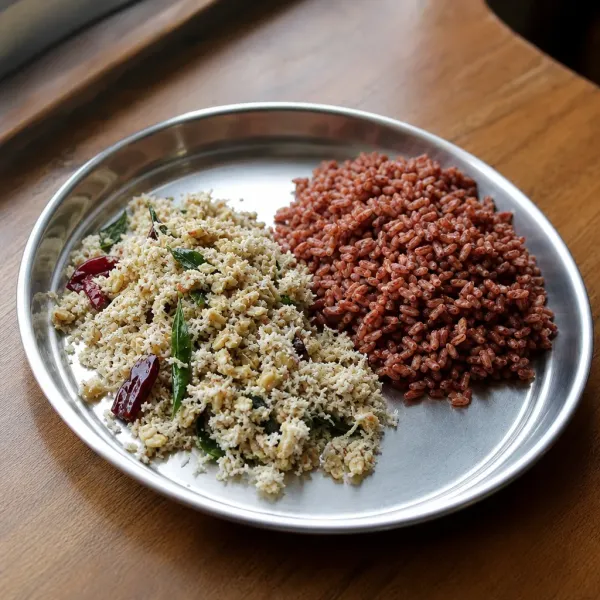
Kakka Irachi Thoran
Traditional Kerala kakka irachi thoran: fresh clam meat stir-fried dry with grated coconut, shallots and curry leaves. Coastal household recipe with…