

Nattu Kozhi Rasam Recipe
Malayalam നാട്ടുകോഴി റസംTamil நாட்டுக்கோழி ரசம்Kannada ನಾಟು ಕೋಳಿ ರಸಂTelugu నాటు కోడి రసం
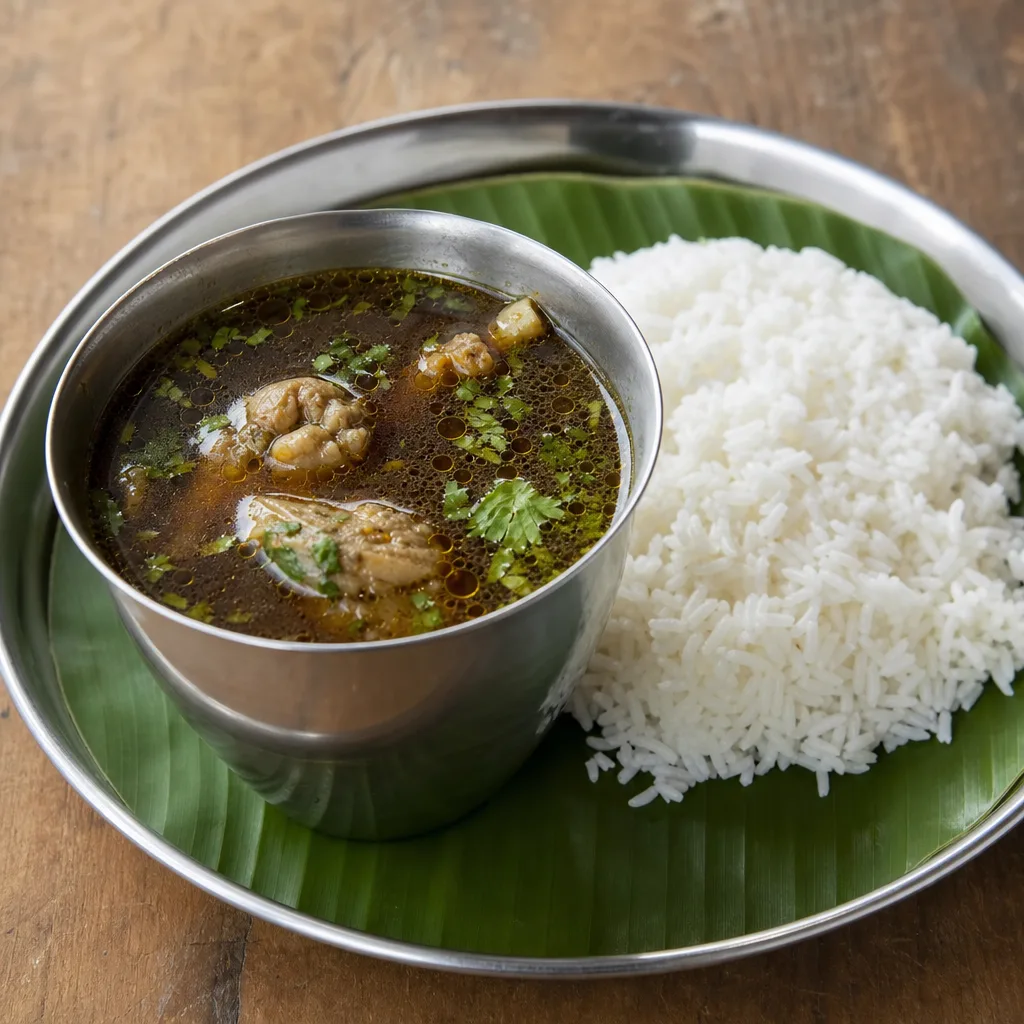
- Prep20 min
- Cook1 hr
- Serves4
- DifficultyMedium
- DietNon-vegetarian
This is the soup a Kongunad household makes when someone is unwell, when the cold has settled into the chest, or simply when country chicken is available and the evening is cool. It is thin and dark, peppery enough to open the sinuses, and carries the particular depth that only nattu kozhi bones give after a long simmer. It is not a thickened gravy and it is not a restaurant rasam. It is a broth.
The chicken here is always the lean, tough-muscled country bird. Broiler chicken will not do — the fat is wrong, the collagen is wrong, and the broth will taste flat no matter how much pepper you add. The bones are the point. Marathi mokku (dried flower pods of Randia dumetorum) is the souring agent in many Kongunad rasams; it gives a mild, slightly astringent sourness quite different from tamarind. Some households skip it and use a small piece of tamarind, but the flavour is not the same.
Households differ on whether to pound the pepper and cumin coarsely or grind them fine. A coarse pound gives you occasional bursts of heat and a rougher texture in the broth; a fine grind integrates more smoothly. Both are correct. What is not negotiable is gingelly oil for the tempering — coconut oil would pull this into a different dish entirely.
Ingredients (serves 4)
For the broth
For the spice paste (pounded)
For the souring
For the tempering
To finish
Method
Prepare the marathi mokku
Dry-roast the marathi mokku pods in a small pan over low heat for one minute until they smell faintly nutty. Do not let them scorch. Drop them into 3 tbsp of warm water and leave for 10 minutes. Squeeze the pods firmly into the water, then strain and discard the pods. Set the souring liquid aside.
Start the broth
Put the chicken pieces, halved shallots, crushed garlic, ginger slices, turmeric and salt into a heavy pot. Pour in the 1.2 litres of water. Bring to a boil over medium-high heat, skimming off any grey foam that rises in the first few minutes. This skimming matters — the broth will be murky and slightly bitter if you skip it.
Simmer low and long
Once the foam has cleared, reduce the heat to the lowest setting you have. Cover with the lid slightly ajar and simmer for 40 to 45 minutes. Country chicken needs this time. The meat should be pulling away from the smaller bones and the broth should have turned a deep golden-brown. Do not rush this with high heat — you will get tough meat and a thin broth.
Pound the spice paste
While the broth simmers, pound the black pepper and cumin together in a stone mortar until coarsely broken — you want texture, not a fine powder. Add the 4 garlic cloves and pound again until the garlic is bruised and mixed in. The paste will be rough and fragrant. Set aside.
Lift the chicken and strain
When the chicken is cooked through, lift the pieces out with a slotted spoon and set them on a plate. Strain the broth through a medium sieve into a bowl, pressing the spent shallots, garlic and ginger to extract all the liquid. Discard the solids. You should have roughly 800 to 900 ml of broth. If it is much less, add a little hot water.
Make the tempering
Heat the gingelly oil in the same pot over medium heat until it shimmers. Add the mustard seeds and wait for them to pop. Add the cumin seeds, dry red chillies and curry leaves — they will crackle and spit, so stand back. Add the sliced shallots and garlic immediately and fry, stirring often, until the shallots are light gold at the edges, about 3 to 4 minutes.
Fry the spice paste
Add the pounded pepper-cumin-garlic paste to the tempering and fry over medium-low heat for 2 minutes, stirring constantly. The paste will darken slightly and smell intensely of pepper. Do not let it burn — it turns bitter very fast at this stage.
Build the rasam
Pour the strained broth into the pot and stir well to lift everything from the bottom. Add the strained marathi mokku liquid. Taste for salt. Bring to a brisk simmer over medium heat and cook uncovered for 8 to 10 minutes. The rasam should look thin and dark, with small circles of gingelly oil on the surface. It is not meant to be thick.
Return the chicken
Add the chicken pieces back into the pot. Simmer gently for 3 to 4 minutes just to warm them through and let them absorb the spiced broth. Do not boil hard at this stage or the meat will tighten.
Finish and serve
Turn off the heat. Tear in the coriander leaves and stir once. Serve immediately in small steel tumblers or deep bowls. The pepper heat should hit the back of the throat warmly, not sharply.
How to serve
Steamed white rice (raw rice or sona masoori) with the rasam poured over it, or drunk plain from a tumbler before the meal. Some households serve a small portion of the chicken pieces separately on the side.
Served with: Steamed white rice (raw rice or sona masoori) with the rasam poured over it, or drunk plain from a tumbler before the meal. Some households serve a small portion of the chicken pieces separately on the side.
Cook's tips
If you cannot find marathi mokku
Use a very small piece of tamarind — no more than 5 g soaked in 3 tbsp warm water and strained. The flavour is more assertive and sweeter than marathi mokku, so use a light hand. Kokum is not a substitute here.
The chicken must be nattu kozhi
Broiler chicken releases a lot of fat and very little gelatin. The broth will taste greasy and flat. If nattu kozhi is unavailable, a good free-range bird is the closest substitute, though the broth will still be paler in flavour.
Pepper quantity is not a mistake
Two teaspoons of whole black pepper for 500 g of chicken is correct for this dish. This is a pepper soup. If you are making it for someone who cannot take heat, reduce to 1 tsp — but that is a significant departure from the original.
Storing and reheating
The rasam keeps well refrigerated for two days. The pepper flavour deepens overnight. Reheat gently; do not boil. If the broth has gelled in the fridge, that is a sign the broth was good — the chicken bones gave their collagen.
Pressure cooker shortcut
Some households pressure-cook the chicken with the aromatics for 3 whistles, then strain and proceed from step 6. The broth is slightly less clear but the method is genuinely common and saves 30 minutes.
Regional variations
Chettinad nattu kozhi rasam (kalpasi, dried red chillies, more complex spice base); Kerala kozhi rasam / kozhi vellam (turmeric-heavy, sometimes kudampuli, no tomato); Andhra natu kodi charu (tamarind-based, Andhra spice levels).
Glossary
- Nattu kozhi நாட்டுக்கோழி
- Country chicken; the lean, free-range village bird, distinct from broiler chicken in texture, fat content and flavour.
- Marathi mokku மராட்டி மொக்கு
- Dried pods of Randia dumetorum used as a souring agent in Kongunad and some Chettinad cooking; gives a mild astringent sourness.
- Nallennai நல்லெண்ணெய்
- Gingelly oil; cold-pressed sesame oil used widely in Tamil Nadu for tempering and cooking.
- Sambar onion சாம்பார் வெங்காயம்
- Small shallots (Allium ascalonicum) used across South Indian cooking; sweeter and more aromatic than large onions.
- Rasam ரசம்
- A thin, spiced South Indian broth; in its non-vegetarian form, made with meat or bone stock as the base.
Two things decide whether this works: the quality of the bird, and patience at the simmer. A true nattu kozhi cooked slowly gives a broth with body and depth that no amount of spice can fake from a broiler. The pepper paste must be fried until it darkens and smells roasted — underfrying it leaves a raw, harsh heat rather than the round, warm pepper flavour this soup is built on.
More Chicken recipes
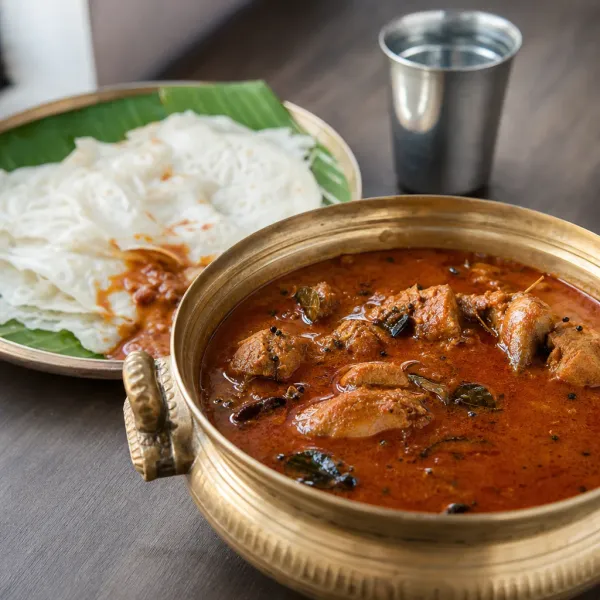
Kori Gassi
Authentic Bunt-style Kori Gassi from coastal Karnataka: chicken in a roasted coconut and byadagi chilli gravy, served with Kori Rotti or neer dosa.
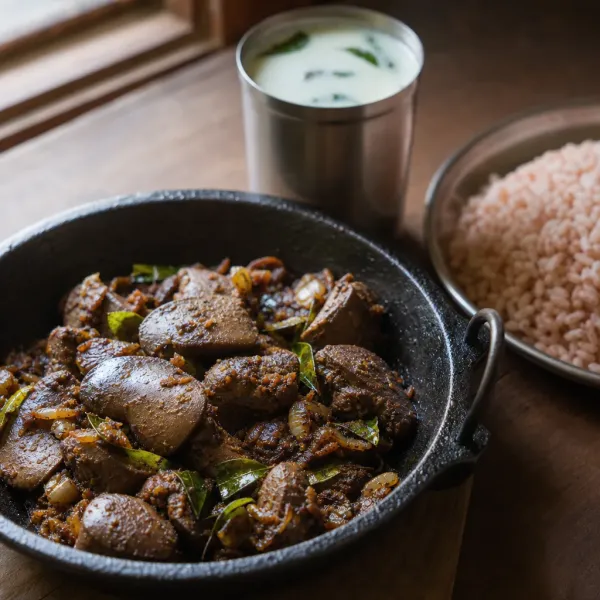
Kerala Nasrani Chicken Liver Fry
Traditional Nasrani chicken liver fry from Travancore: shallots, black pepper, curry leaves, coconut oil. Dry-fried, dark, and ready in 30 minutes.
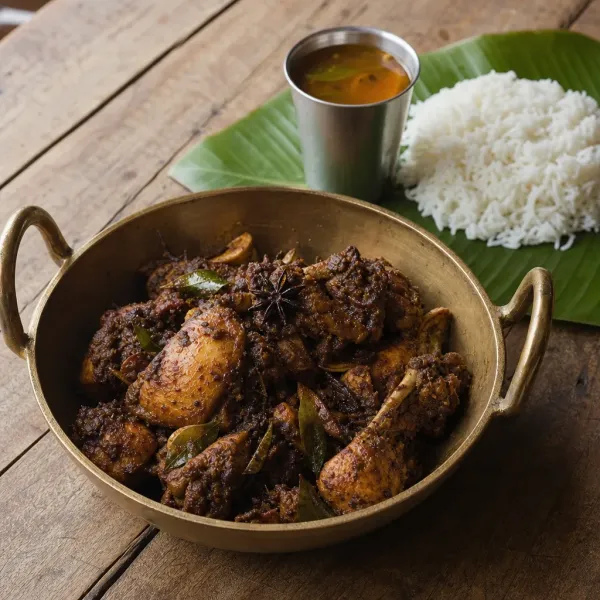
Chettinad Chicken Perattal
Authentic Chettinad Chicken Perattal from the Chettiar kitchen: bone-in chicken cooked in a fresh-ground spice paste with kalpasi, gingelly oil, and…
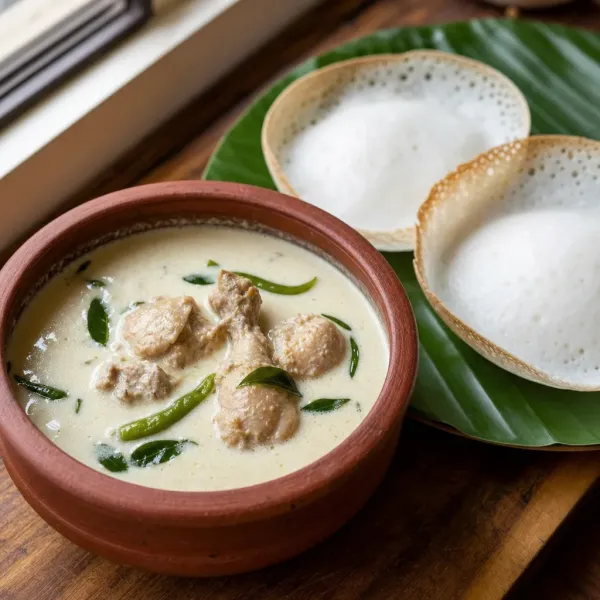
Chicken Mappas
Traditional Kerala Syrian Christian chicken mappas with coconut milk, whole spices and white vinegar. Served with appam or idiyappam. Authentic Nasra…
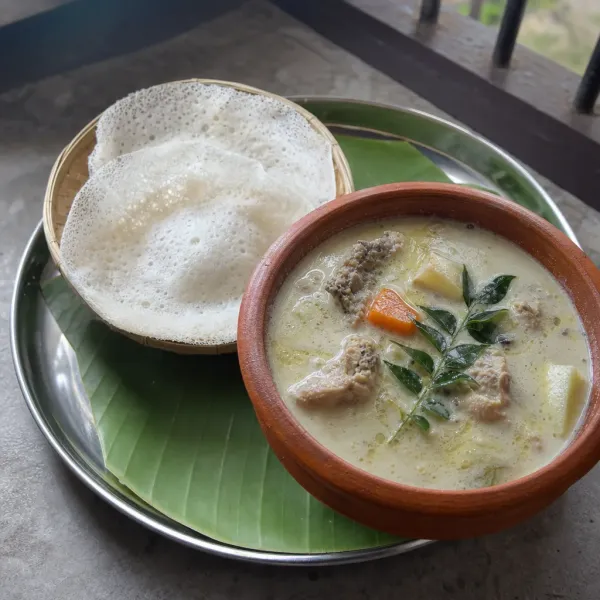
Kerala Chicken Stew
Traditional Kerala Nasrani chicken stew with fresh coconut milk, whole spices, potatoes and carrots. Served with appam for Sunday breakfast.
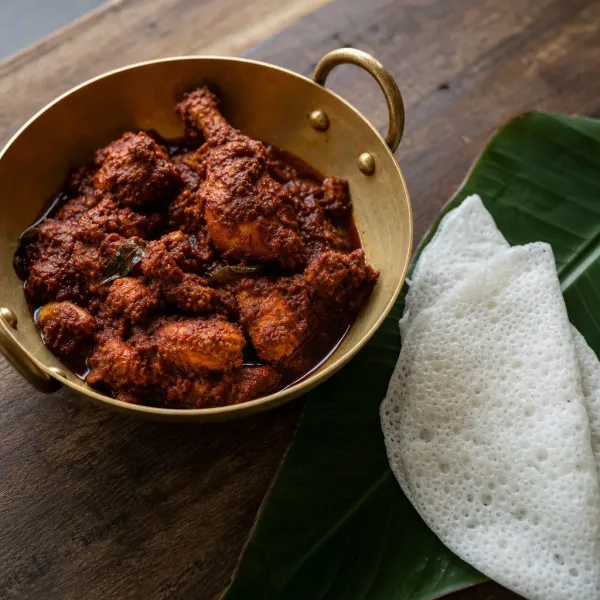
Kundapur Chicken Ghee Roast
Authentic Kundapur chicken ghee roast with byadagi and guntur chillies, freshly ground masala, and generous ghee. Traditional coastal Karnataka metho…