

Mutton Kheema with Peas Recipe
Malayalam ആട്ടിറച്ചി കീമTamil ஆட்டு கீமாKannada ಮಟನ್ ಕೀಮಾTelugu మటన్ కీమా
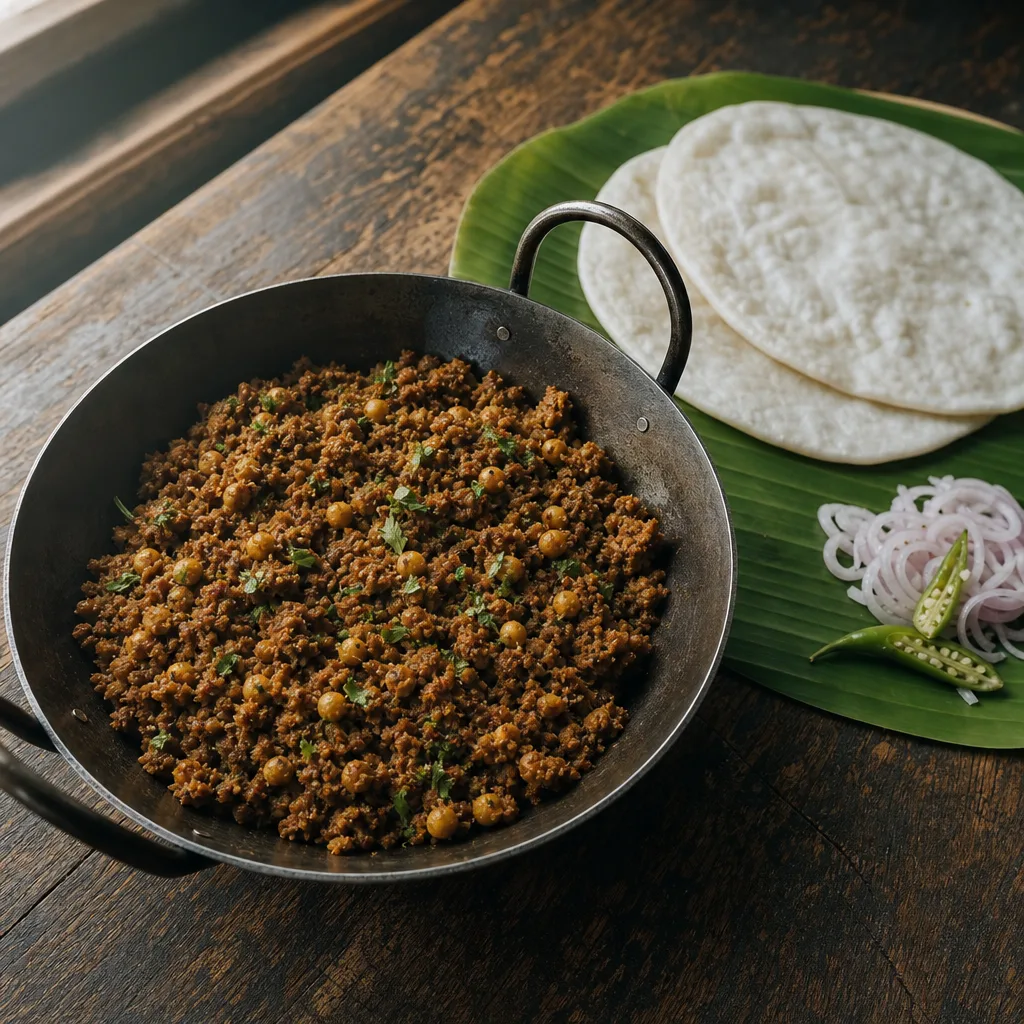
- Prep20 min
- Soak / ferment12 hr
- Cook50 min
- Serves4
- DifficultyMedium
- DietNon-vegetarian
In Mappila homes along the Malabar coast, kheema is a weekday dish, practical and deeply spiced. It is made from goat mince — ideally from the shoulder and neck, where some fat runs through — and cooked long and dry enough that it can be scooped up with pathiri or porotta without wetting the bread. The peas used here are dried white peas soaked overnight, not frozen green peas, which give a floury bite that holds its own against the meat.
The spicing follows the Mappila pattern: whole spices bloomed first in coconut oil, then a long cook of shallots until they are genuinely brown, then the meat. There is no tomato here. The sourness that some cooks want comes from a small amount of vinegar added at the end, though many households skip even that. The colour is a deep reddish brown from the chilli and the browned shallots, not from any paste or powder added in quantity.
This is eaten at breakfast rolled into a pathiri, or at lunch alongside malabar parotta and a simple raita. Leftovers are stuffed into bread rolls or used to fill a kheema samosa. The dish keeps well for two days and the flavour deepens overnight.
Ingredients (serves 4)
To soak
For the kheema
Method
Cook the soaked peas
Drain the soaked peas and put them in a small pot with enough fresh water to cover by 3 cm. Bring to a boil, then simmer for 25 to 30 minutes until they are just tender but still hold their shape. A pea should crush between your fingers without being mushy. Drain and set aside. Do not salt the water — salting before cooking toughens the skin.
Bloom the whole spices
Heat the coconut oil in a wide, heavy-bottomed pan over medium heat. Add the cinnamon, cloves, cardamom and bay leaves. Let them sizzle for about 30 seconds until fragrant. The oil should smell warm and spiced, not burnt. If the cloves begin to darken too fast, lower the heat immediately.
Brown the shallots
Add the sliced shallots to the pan. Cook over medium heat, stirring regularly, for 12 to 15 minutes. The shallots must turn a genuine deep golden brown, not just softened and pale. This step cannot be rushed — the colour and sweetness of the finished dish come from here. If the pan looks dry, add a teaspoon more coconut oil.
Add ginger, garlic and green chilli
Add the chopped ginger, garlic and slit green chillies. Stir and cook for 3 to 4 minutes until the raw smell of the garlic disappears and the mixture begins to stick lightly to the pan. Scrape the bottom as you go.
Add the dry spice powders
Lower the heat. Add the Kashmiri chilli powder, coriander powder, turmeric, black pepper and fennel powder. Stir for 1 minute, keeping the heat low so the powders toast in the oil without scorching. They should darken slightly and smell cooked, not raw.
Add and seal the mince
Raise the heat to medium-high. Add the mutton mince and break it up immediately with a wooden spoon. Keep pressing and stirring so it does not clump. Cook for 8 to 10 minutes, stirring often, until the mince is no longer pink and any liquid it releases has evaporated. You want the meat to fry in the oil at this stage, not steam in its own water.
Season and add a splash of water
Add salt. Add 100 ml of water, stir to combine, then cover the pan and cook on low heat for 12 to 15 minutes. This lets the mince finish cooking through and the spices settle into the meat. Check once halfway through and add a little more water if it is catching.
Fold in the peas
Uncover the pan. Add the cooked drained peas and fold them in gently so they do not break up. Cook uncovered for 5 minutes, stirring occasionally, until the peas are heated through and coated with the masala. The mixture should look dry and cohesive, not wet or saucy.
Finish and rest
Taste for salt. Scatter the chopped coriander leaves over the top and stir once. Take the pan off the heat and let it sit covered for 5 minutes before serving. The flavour settles and the fat redistributes during this rest.
How to serve
Malabar pathiri (thin rice flour flatbread) or Malabar parotta. A simple sliced shallot and green chilli salad with a squeeze of lime alongside.
Served with: Malabar pathiri (thin rice flour flatbread) or Malabar parotta. A simple sliced shallot and green chilli salad with a squeeze of lime alongside.
Cook's tips
Which mince to ask for
Ask your butcher for shoulder and neck mince with some fat left in — around 15 to 20 percent fat. Leg mince is too lean and turns dry and grainy after the long cook. If you are mincing at home, run it through the mincer once, not twice.
Dried peas versus fresh
Dried white peas soaked overnight are the traditional choice in Malabar households. Fresh or frozen green peas are used in some urban homes and cook much faster — add them in the last 5 minutes only, uncooked. They will be softer and sweeter, which changes the character of the dish.
The shallot shortcut people take
Some cooks blitz the shallots in a mixer to save slicing time. The result is a paste that steams rather than fries, and you lose the texture and the deep browning. Slice them thin and be patient.
Storage
The kheema keeps well in the refrigerator for two days. Reheat in the pan with a tablespoon of water over low heat. It is often better the next day.
Heat level
Mappila food in Kozhikode can be quite hot. Three green chillies and 1½ tsp Kashmiri chilli gives moderate heat with good colour. Increase the green chillies or add ½ tsp of a hotter chilli powder if your household wants more fire.
Regional variations
Hyderabadi kheema with tomato and green chilli; Tamil Muslim kheema with kalpasi and marathi mokku; Kerala Nasrani kheema cooked with coconut milk.
Glossary
- Vella pattani വെള്ള പട്ടാണി
- Dried white peas, sold whole and requiring overnight soaking before use.
- Cheriya ulli ചെറിയ ഉള്ളി
- Small shallots native to Kerala, sharper and more aromatic than large onions; used throughout Mappila and other Kerala cooking.
- Pathiri പത്തിരി
- Thin unleavened flatbread made from rice flour, specific to Malabar Mappila cuisine; the traditional accompaniment to meat dishes.
- Kheema കീമ
- Minced meat; the word comes from the Persian qeema and entered South Indian cooking through Mughal and later Muslim culinary traditions.
Two things decide whether this works: the shallots and the fat in the mince. If the shallots are not browned properly, the dish tastes flat no matter how much spice you add. And if the mince is too lean, it will be dry and crumbly by the time it is cooked through. Get those two things right and the rest follows.
More Mutton, Beef & Pork recipes
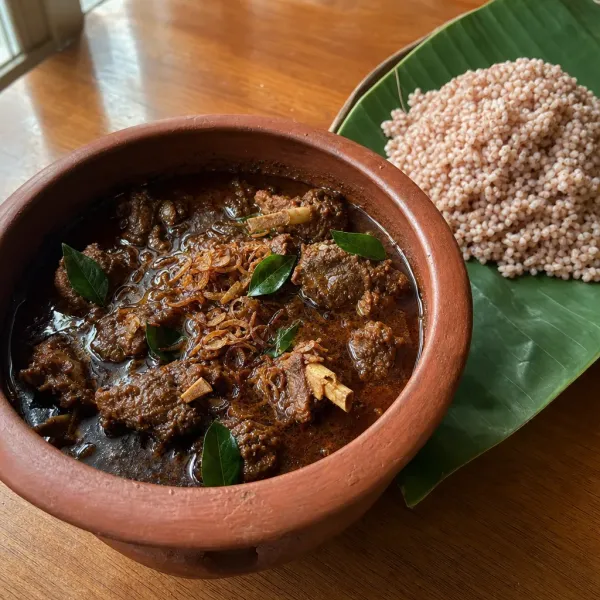
Mutton Varutharacha Curry
Traditional Kerala Nasrani mutton curry with deep-roasted coconut paste, kudampuli and coconut oil. Step-by-step household method from Travancore.
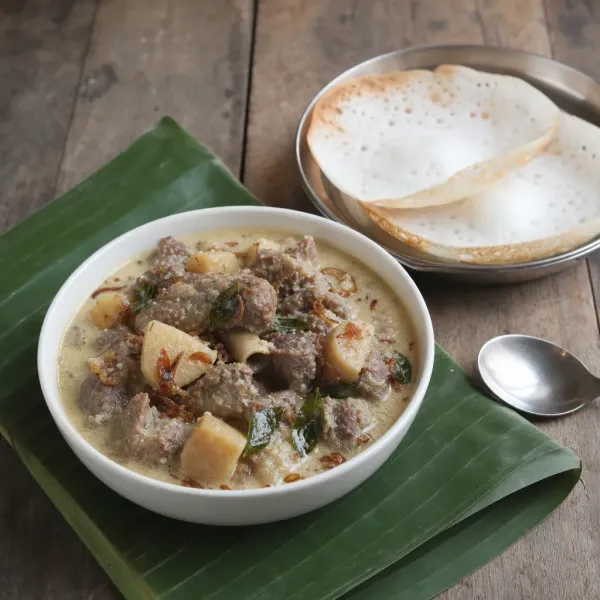
Kerala Mutton Stew
Traditional Nasrani mutton stew from Travancore: bone-in mutton, shallots, whole spices and fresh coconut milk. Served with appam. Step-by-step metho…
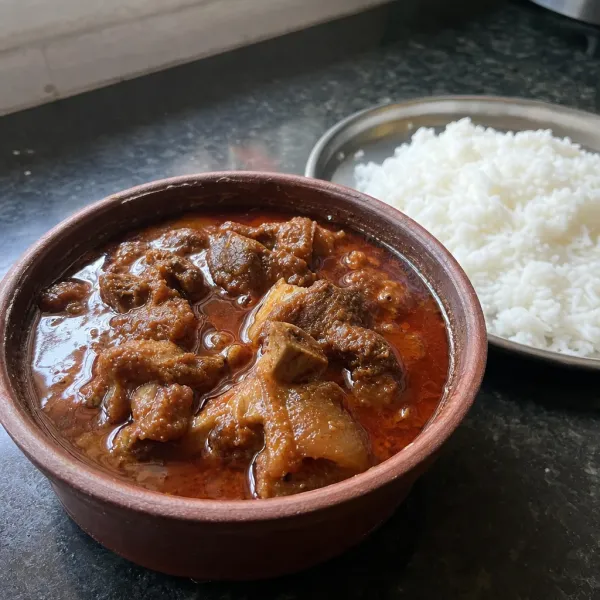
Pork Bafat
Traditional Mangalorean Catholic pork bafat made with bone-in pork and homemade bafat powder. Slow-cooked, brick-red, and deeply spiced.
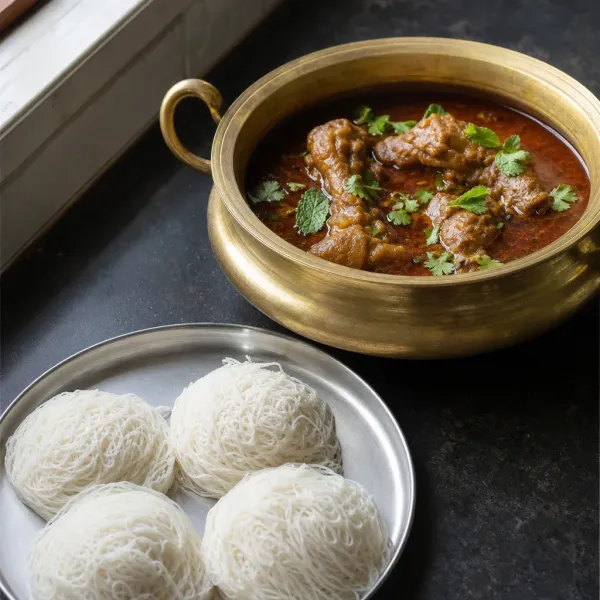
Aatu Kaal Paya
Traditional Tamil Muslim goat trotter stew slow-cooked with shallots, whole spices and kalpasi. Served with idiyappam for a classic breakfast.
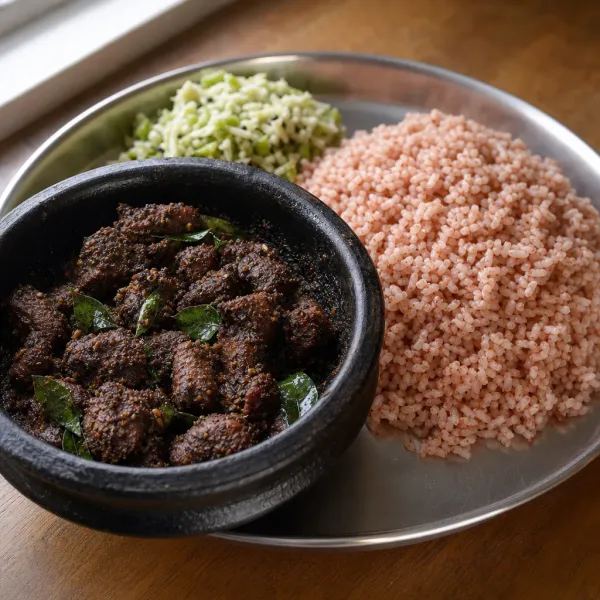
Kerala Nasrani Beef Pepper Fry
Traditional Syrian Christian beef pepper fry from Travancore: pressure-cooked, reduced dry, then fried hard in coconut oil with shallots and cracked…
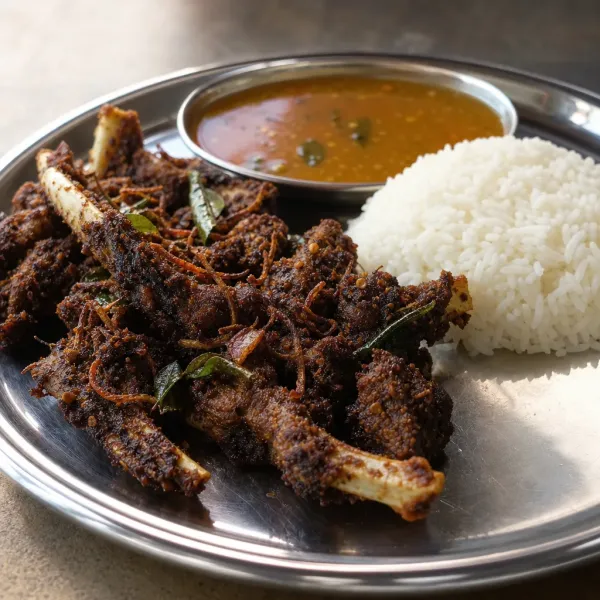
Mutton Chops Fry
Traditional Chettinad mutton chops fry with freshly ground kalpasi masala, fried in gingelly oil with shallots until dry and deeply spiced.