

Mathi Fry (Kerala Sardine Tawa Fry) Recipe
Malayalam മത്തി ഫ്രൈTamil மத்தி ஃப்ரைKannada ಮತ್ತಿ ಫ್ರೈTelugu మత్తి ఫ్రై
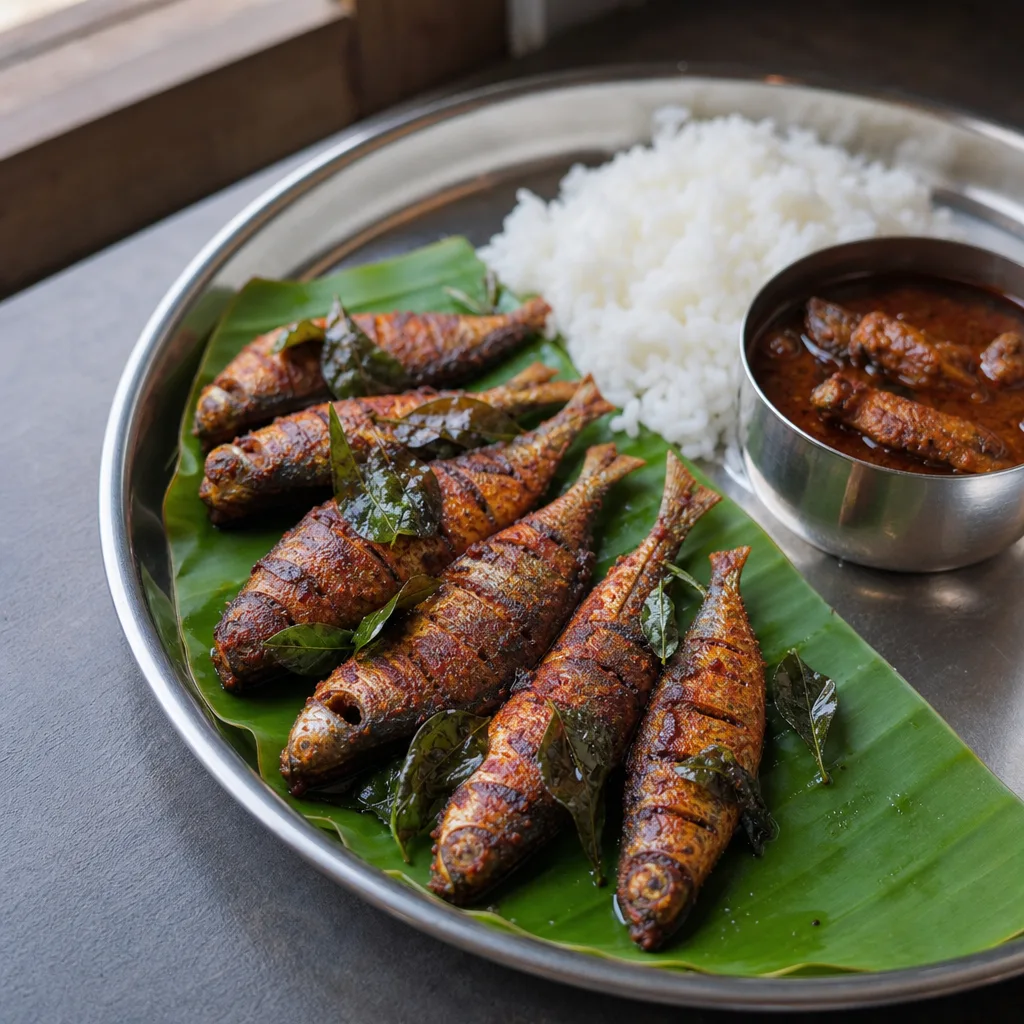
- Prep20 min
- Cook20 min
- Serves4
- DifficultyEasy
- DietNon-vegetarian
Mathi is the everyday fish of the Kerala coast. It is cheap, oily, deeply flavoured, and it takes a spiced marinade better than almost any other fish. Every coastal household fries it on a cast-iron tawa with a generous pour of coconut oil, and the smell alone tells you dinner is ready.
The marinade is built around Kashmiri chilli powder, which gives the deep red colour without punishing heat, plus a small amount of black pepper, turmeric, and kudampuli-soaked water or a squeeze of raw mango if mango is in season. Some cooks add a little rice flour to the coat so the skin crisps properly. Others skip it entirely and rely on the fish's own natural oils.
It is eaten at lunch with kanji and a pickle, or at dinner alongside rice and a simple fish curry. Leftovers are eaten cold the next morning, which many people consider the best way to eat it.
Ingredients (serves 4)
For the fish
For the marinade
For frying
Method
Soak the kudampuli
Put the two pieces of kudampuli in a small bowl with 3 tbsp warm water. Leave for 10 minutes, then squeeze them well and discard the pieces. You need only the tart, dark soaking water. This is what gives the marinade its sourness; do not substitute tamarind paste here.
Score and dry the fish
Rinse the cleaned sardines under cold running water. Pat them completely dry with a cloth. Make two diagonal cuts on each side of every fish, going almost to the bone. Drying matters: wet fish steams instead of frying, and the marinade will not cling.
Make the marinade
In a wide bowl, mix the Kashmiri chilli powder, black pepper, turmeric, grated ginger, grated garlic, rice flour, salt, and the kudampuli water. Stir to a thick paste. If it feels too dry to coat the fish, add a few more drops of the soaking water, not plain water.
Coat the fish
Add the dried sardines to the bowl. Turn each fish so the paste goes into the scores and covers both sides. Work gently; sardines break easily. Leave to marinate for at least 15 minutes at room temperature. Thirty minutes is better, but do not go beyond an hour or the acid will start to cook the flesh.
Heat the tawa
Place a cast-iron tawa or a heavy flat pan over medium heat. Let it heat for 2 full minutes before adding oil. A properly heated tawa is what stops the fish from sticking. Pour in 3 tbsp coconut oil and let it shimmer.
Fry the first side
Lay the sardines on the tawa without crowding. If your pan is small, fry in two batches. Add the curry leaves alongside the fish; they will crisp in the oil. Fry on medium heat for 3–4 minutes. Do not press or move the fish. The fish is ready to turn when the underside has set into a firm, dark-red crust and releases cleanly from the pan.
Fry the second side
Turn each fish carefully with a flat spatula. Add the remaining 1–2 tbsp coconut oil around the edges of the pan. Fry for another 3–4 minutes on medium heat until this side matches the first: firm, deeply coloured, and with the skin slightly pulling away from the flesh at the scores.
Rest and serve
Lift the fish onto a plate. Do not cover them or they will steam and lose the crust. Serve within a few minutes, with the fried curry leaves scattered over.
How to serve
Hot rice and a fish curry (meen kuzhambu or a simple tomato-based meen curry), or with kanji (rice porridge) and a raw mango or lime pickle. A sliced shallot and a wedge of lime on the side is common.
Served with: Hot rice and a fish curry (meen kuzhambu or a simple tomato-based meen curry), or with kanji (rice porridge) and a raw mango or lime pickle. A sliced shallot and a wedge of lime on the side is common.
Cook's tips
Choosing the fish
Buy the freshest sardines you can find. The eyes should be clear and bright, the flesh firm, and there should be no sour smell. Stale sardines turn unpleasantly strong when fried. This is not a dish where frozen fish works well.
Kudampuli vs raw mango
In season, some cooks replace the kudampuli water with 1 tbsp of raw mango pulp grated into the marinade. It gives a slightly different, fresher sourness. Both are traditional; kudampuli is more common year-round.
The rice flour
One teaspoon of rice flour in the marinade is enough to help the crust set. More than that and the coating becomes thick and floury rather than a thin, spiced skin. Many households skip it entirely; the fish still fries well.
Heat control
Medium heat throughout. High heat burns the chilli powder before the fish cooks through. Low heat makes the fish release water and stew. If you see the marinade going very dark in the first minute, lower the flame immediately.
Leftovers
Cold mathi fry the next morning, eaten with kanji or plain rice, is genuinely excellent. Store uncovered in the refrigerator. Reheating on the tawa for 1 minute a side refreshes the crust reasonably well.
Regional variations
Mangalorean Catholic version uses a vinegar-based masala with less coconut oil and sometimes a semolina coat; Goan Catholic version (tarle fry) uses a red chilli and vinegar recheado paste.
Glossary
- Mathi മത്തി
- The Indian sardine (Sardinella longiceps), the most common and affordable coastal fish in Kerala.
- Kudampuli കുടംപുളി
- Dried Malabar tamarind (Garcinia cambogia), used as the souring agent in Kerala fish dishes in place of tamarind.
- Tawa തവ
- A flat or slightly concave cast-iron griddle used for frying fish, making dosa, and other flat preparations.
- Kanji കഞ്ഞി
- Rice porridge, a common Kerala meal especially for breakfast or a light dinner, often eaten with fried fish or pickles.
Two things decide whether this works: the dryness of the fish before it goes into the marinade, and the patience to leave it alone on the tawa until it releases on its own. Rush either of those and you lose the crust that makes the dish what it is.
More Seafood recipes
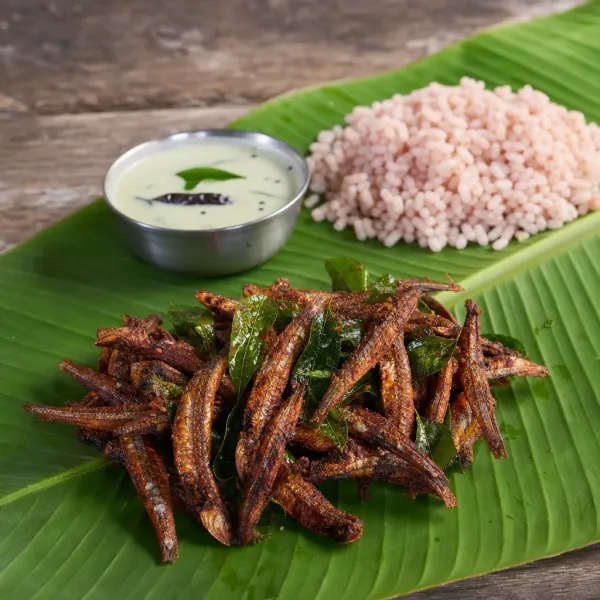
Netholi Fry (Kerala Anchovy Fry)
Traditional Kerala netholi fry with red chilli, turmeric, black pepper, and coconut oil. Step-by-step method for perfectly crisp anchovies every time.
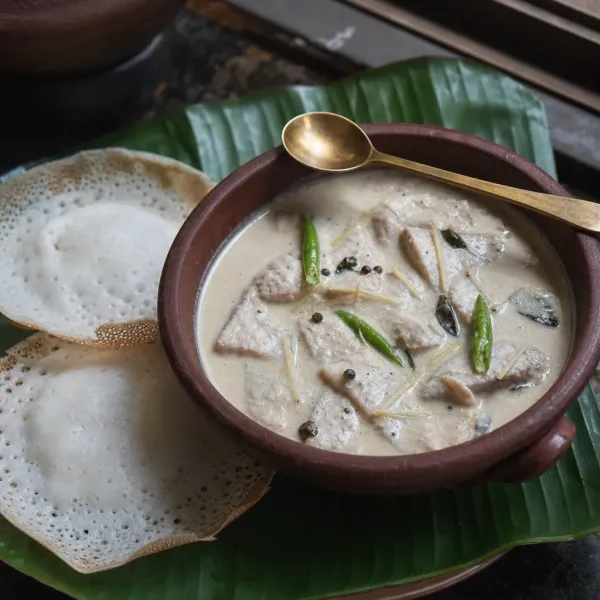
Fish Mappas
Authentic Syrian Christian fish mappas from Travancore: firm white fish in a smooth coconut milk gravy with whole spices and a touch of vinegar. Trad…
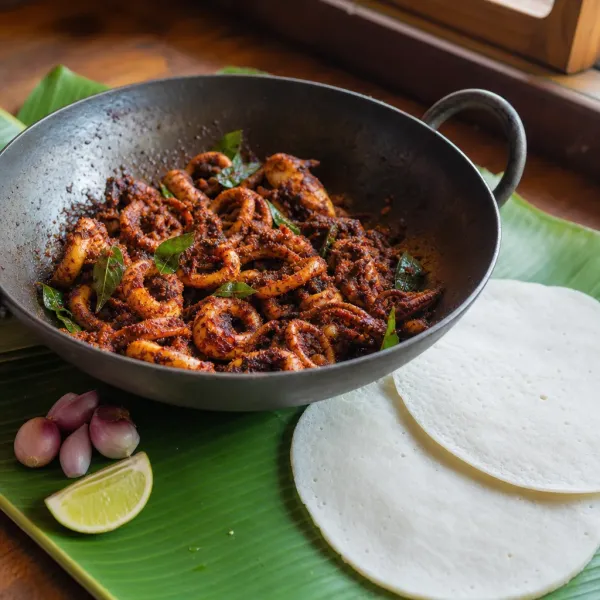
Koonthal Roast
Traditional Mappila koonthal roast from Malabar: squid slow-roasted with shallots, Kashmiri chilli, fennel and kudampuli in coconut oil. Step-by-step…
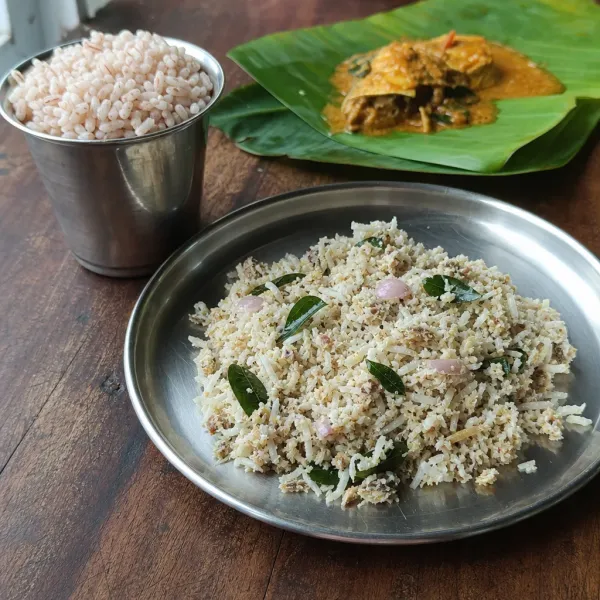
Meen Thoran
Traditional Nasrani-style meen thoran from Travancore: flaked fish folded with fresh coconut, shallots, and curry leaf in coconut oil. Dry, fragrant…
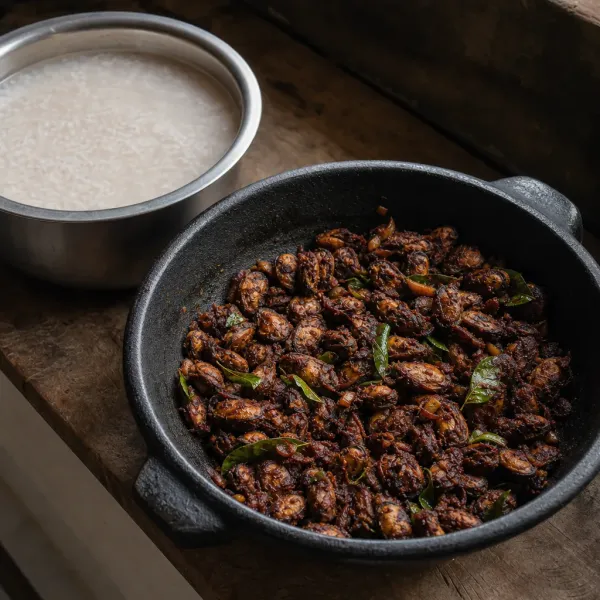
Kallummakkaya Ularthiyathu
Traditional Mappila mussel dry roast from Malabar – shallots, coconut oil, whole spices and fresh mussels roasted until completely dry. Step-by-step…
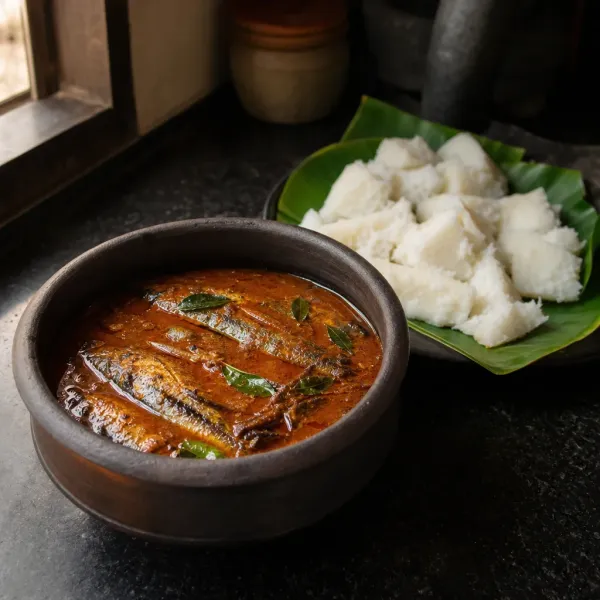
Chala Curry
Traditional Kerala sardine curry with kudampuli and fresh coconut paste, cooked in a manchatti. Authentic coastal recipe with kappa or matta rice.