

Mamidikaya Pappu Recipe
Malayalam മാമ്പഴ പരിപ്പ്Tamil மாங்காய் பருப்புKannada ಮಾವಿನಕಾಯಿ ಪಪ್ಪುTelugu మామిడికాయ పప్పు
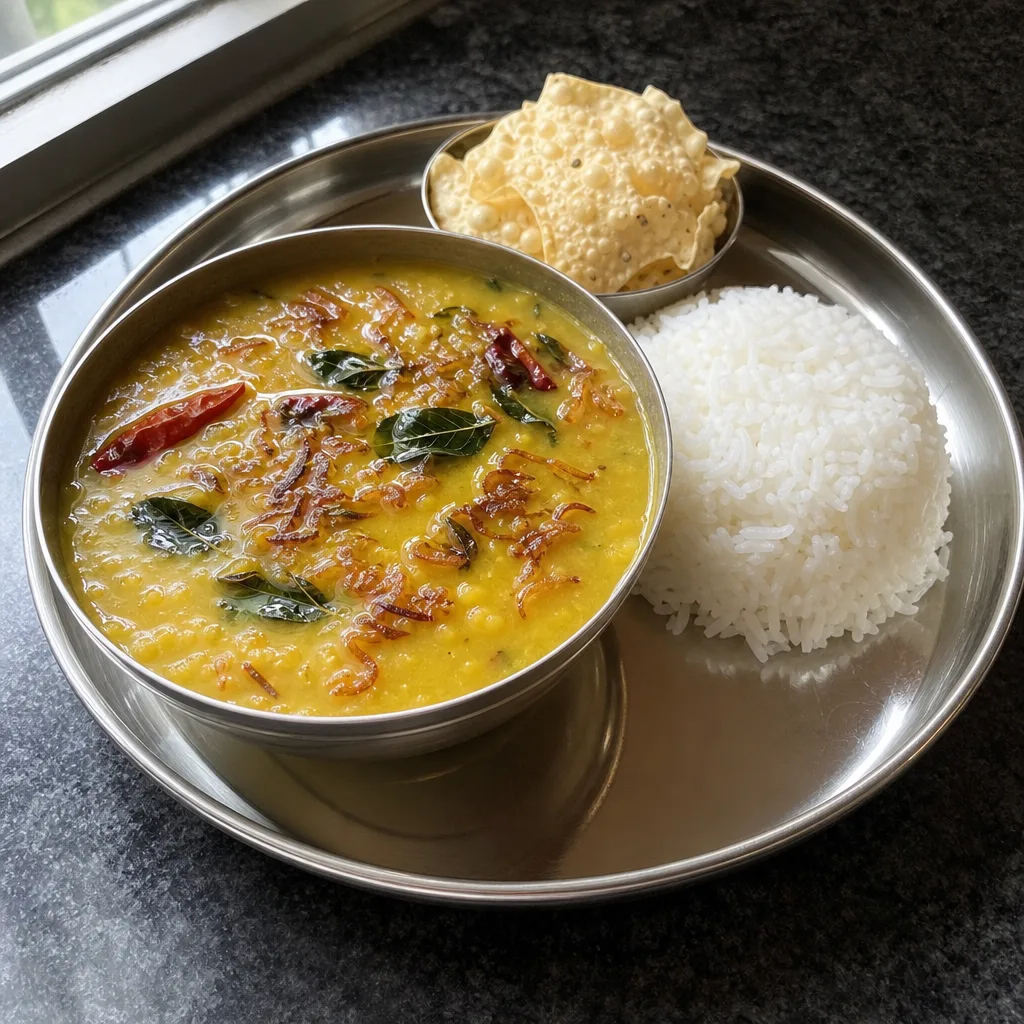
- Prep15 min
- Cook35 min
- Serves4
- DifficultyEasy
- DietVegan
Mamidikaya pappu is one of the first dishes Telugu cooks make when raw mangoes appear in the market, usually from late February through May. The sourness of the unripe mango does the work that tamarind does in other dals, so no tamarind is added here. The dal is thick, bright yellow-green from the mango skin, and assertively tart.
In most Andhra households it is cooked in a pressure cooker on a weekday afternoon, the mango pieces going in with the dal so they soften together and the pulp dissolves partly into the dal, thickening it. The tempering is done twice in some homes: once with the raw ingredients before pressure cooking, and once with the tadka poured over the finished dal. Other cooks do only the final tadka. Both are correct.
The amount of mango varies by how sour the fruit is and by preference. A very sour mango from Rayalaseema may need only a small piece; a milder coastal variety can take more. Taste the mango before you cook and adjust. This is not a dish where a fixed quantity always works.
Ingredients (serves 4)
For the dal
For the tadka
Method
Rinse the dal
Put the toor dal in a bowl and rinse with cold water three or four times until the water runs mostly clear. Drain and set aside. Do not soak it; toor dal for pappu goes in dry.
Peel and cut the mango
Peel the raw mango and cut the flesh away from the stone in rough 2 cm chunks. Include a little of the fibrous flesh close to the stone; it adds body. Taste one small piece to gauge the sourness before you decide on quantity.
Pressure cook dal and mango together
Put the rinsed dal, mango pieces, turmeric, and 600 ml water into a pressure cooker. Close the lid and cook on medium heat for 4 whistles. Remove from heat and let the pressure drop on its own; do not rush this by running cold water over the cooker.
Open and check the texture
Open the cooker once the pressure has fully dropped. The dal should be completely soft and the mango pieces should have collapsed. Some mango skin will remain in small flecks; this is correct. Mash everything together roughly with the back of a ladle. The consistency should be thick and porridge-like, not watery. If it looks thin, cook uncovered on low heat for 5 minutes, stirring.
Season with salt
Add salt now, after cooking, because the mango's sourness concentrates during pressure cooking and the salt balance is easier to judge at this stage. Stir well and taste. Adjust sourness in your mind before the tadka goes in, because the tadka will not change the sourness.
Make the tadka
Heat ghee in a small pan on medium heat until it shimmers. Add the mustard seeds and wait for them to pop completely, about 30 seconds. Add the cumin seeds and let them sizzle for 10 seconds.
Add aromatics to the tadka
Add the broken dried red chillies first and let them darken slightly, about 15 seconds. Add the crushed garlic and sliced shallots and fry, stirring, until the shallots turn golden at the edges, about 2 minutes. Add the slit green chillies and curry leaves and fry for another 30 seconds. The curry leaves will splutter; keep the heat steady. Add the asafoetida, stir once, and immediately pour the entire contents of the pan over the cooked dal.
Combine and rest
Stir the tadka into the dal. Cover the pot and let it sit for 3 minutes off the heat so the flavours settle into each other. Serve hot.
How to serve
Steamed white rice (plain sona masuri or raw rice); a dry vegetable such as vankaya fry or aloo fry alongside; papad; and sometimes a small amount of raw onion or pickle on the side. In many homes this dal is the centrepiece of a simple rice meal with nothing more than rice, pappu, and ghee.
Served with: Steamed white rice (plain sona masuri or raw rice); a dry vegetable such as vankaya fry or aloo fry alongside; papad; and sometimes a small amount of raw onion or pickle on the side. In many homes this dal is the centrepiece of a simple rice meal with nothing more than rice, pappu, and ghee.
Cook's tips
Choosing the mango
Use a raw mango that is fully green and hard. A mango that has begun to ripen will be too sweet and will not give the clean sourness the dal needs. Totapuri, Kili mooku, or any local firm sour variety works. Avoid the large, mild varieties sold for eating.
Ghee versus oil
Traditional Andhra home cooking uses ghee for the tadka on pappu. Some households use refined oil on everyday weekdays and ghee when guests are present. Do not use coconut oil; it changes the character of the dish entirely.
If the dal is too sour
Once cooked, sourness cannot be removed, only balanced. A small pinch of jaggery stirred in at the end will round the sharpness without making the dal sweet. This is a common household fix, not a recipe error.
Consistency
Mamidikaya pappu is meant to be thick enough to mound slightly on the rice rather than spread like soup. If you have added too much water, cook it open on low heat, stirring frequently so the bottom does not catch.
Storing leftovers
The dal thickens considerably as it cools. Add a splash of hot water and reheat gently, stirring. The sourness also deepens overnight, so leftovers may need the jaggery adjustment.
Regional variations
Telangana households make a similar kandi pappu with raw mango but often use toor dal alone and temper with dried red chillies only; Tamil Brahmin kitchens make a comparable paruppu with mango but use less chilli and finish with ghee rather than a second oil tempering.
Glossary
- Kandi pappu కంది పప్పు
- Telugu name for toor dal, the split pigeon pea used as the base for most Andhra dals.
- Mamidikaya మామిడికాయ
- Raw, unripe mango in Telugu; the kaya suffix indicates an unripe fruit or vegetable.
- Inguva ఇంగువ
- Asafoetida in Telugu; used in small quantities in the tadka to add a savoury depth.
- Tadka తాళింపు
- The tempering of whole spices and aromatics in hot fat, poured over a finished dish to finish it.
- Chinna ulli చిన్న ఉల్లి
- Small shallots, literally 'small onion' in Telugu; preferred over large onions in traditional Andhra tempering.
Two things decide this dal. First, the mango: it must be genuinely raw and sour, not beginning to ripen, or the dish tastes flat and sweet rather than bright and tart. Second, the ghee tadka must go in hot, poured over the dal while it sizzles, so the mustard and curry leaf fragrance blooms into the dal rather than sitting on top of it.
More Lentils & Legumes recipes
Dosakaya Pappu
Authentic Andhra-Telangana dosakaya pappu: toor dal cooked with yellow cucumber and finished with a ghee tempering. Traditional household method.
Hesarukalu Usli
Traditional Karnataka sprouted moong usli from a Udupi kitchen: steamed hesarukalu, fresh coconut, mustard tadka in coconut oil. Vegan, easy, everyda…
Vanpayar Thoran
Traditional Kerala vanpayar thoran: red cowpea cooked tender, tossed with fresh grated coconut and tempered in coconut oil with mustard and curry lea…
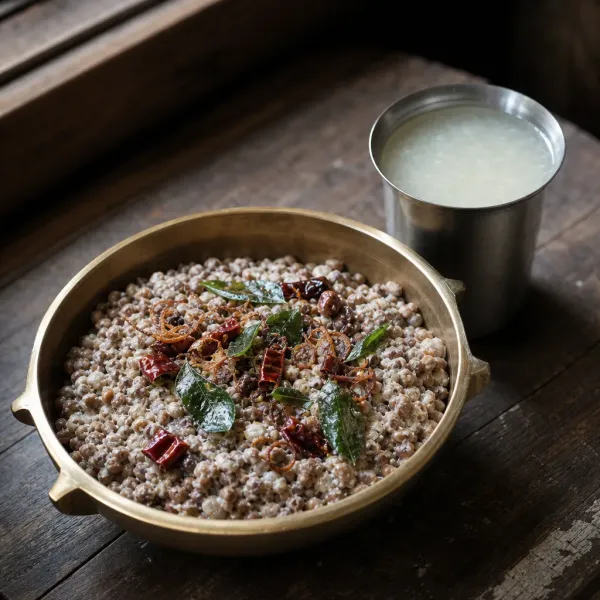
Muthira Puzhukku (Horse Gram Puzhukku)
Traditional Kerala muthira puzhukku: horse gram slow-cooked with kudampuli, finished with a fresh coconut-shallot paste and coconut oil tempering. Se…
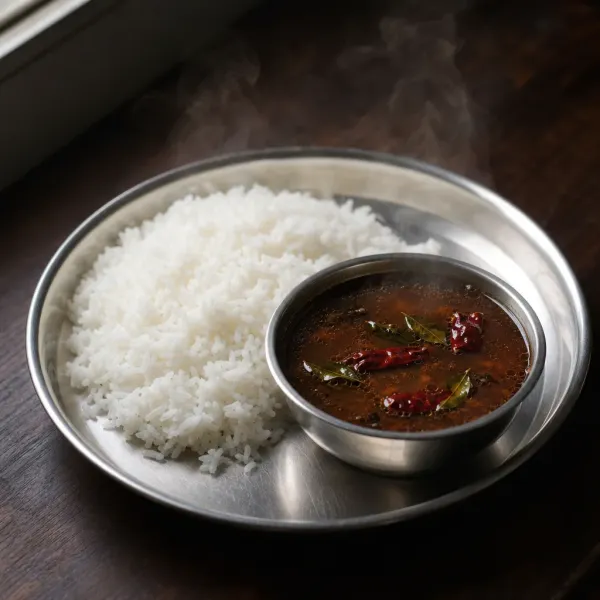
Ulavacharu
Traditional Rayalaseema ulavacharu: horse gram broth slowly reduced to a deep mahogany, finished with a gingelly oil tadka. Served over hot rice.
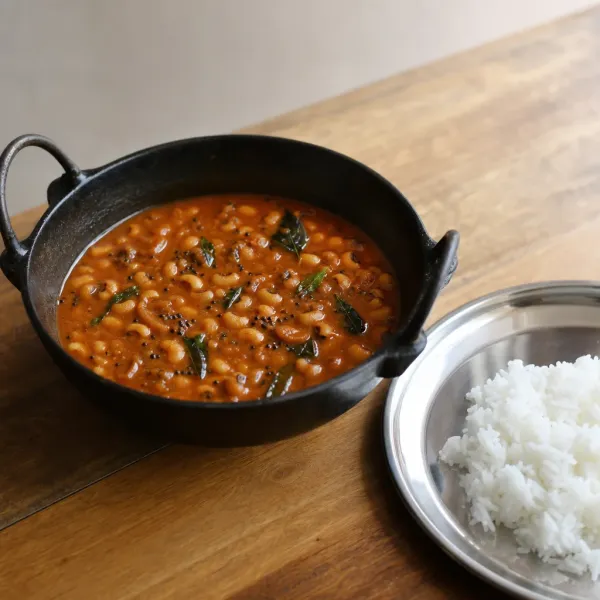
Thatta Payaru Kuzhambu
Traditional Kongunad thatta payaru kuzhambu with tamarind, fresh coconut paste and gingelly oil. A weekday Tamil household recipe for black-eyed pea…