

Godhuma Dosa Recipe
Malayalam ഗോതമ്പ് ദോശTamil கோதுமை தோசைKannada ಗೋಧಿ ದೋಸೆTelugu గోధుమ దోస
- Prep15 min
- Cook30 min
- Serves4
- DifficultyEasy
- DietVegan
Godhuma dosa is a weekday staple in Tamil Nadu Brahmin households, made when there is no fermented batter on hand and breakfast must come together quickly. The batter is mixed dry to wet, rested for ten minutes, and poured straight onto a hot pan. No soaking, no grinding, no overnight wait.
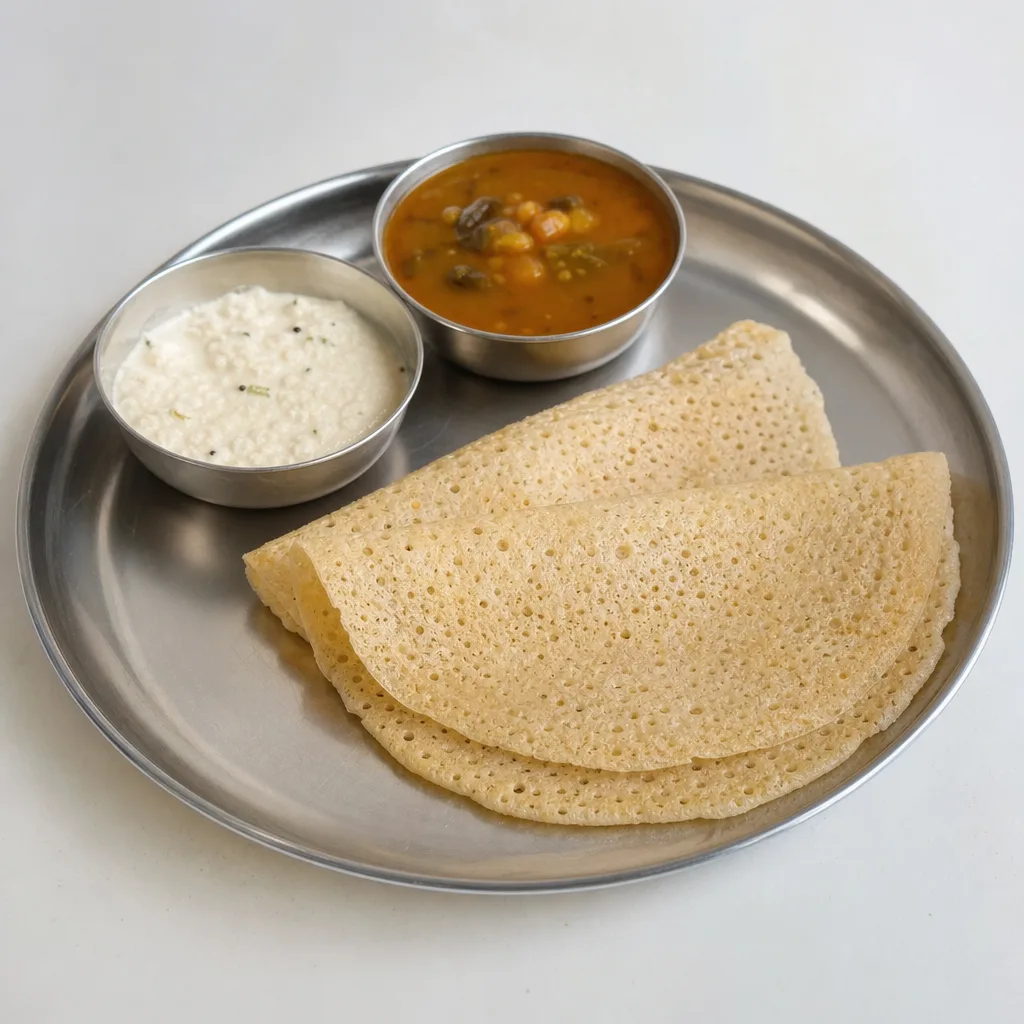
The result is thinner and more delicate than a regular rice dosa, with a slightly nutty flavour from the whole wheat flour and a soft, almost lacy texture. It is not crisp the way a paper dosa is crisp; it should be pliable and pale gold, with visible holes across the surface where the thin batter has set.
Households differ mostly in the ratio of wheat flour to rice flour. Some use equal parts; others go heavier on the wheat for a more substantial dosa. A small amount of cumin and black pepper in the batter is common in most versions. The batter must be genuinely thin, thinner than you think, or the dosa will be thick and doughy rather than light.
Ingredients (serves 4)
For the batter
For cooking
Method
Mix the dry ingredients
Put the wheat flour, rice flour, crushed black pepper, cumin seeds and salt into a wide mixing bowl. Stir them together with a spoon so the flours are evenly combined. This takes less than a minute but do not skip it; uneven mixing shows up as floury patches in the batter.
Add the aromatics
Add the finely chopped green chilli and grated ginger to the flour mixture. Stir once more to distribute them.
Make the batter
Pour in about 400 ml of water gradually, whisking as you go to avoid lumps. Once smooth, add more water until the batter is very thin and flows off a ladle like water, not like cream. You are likely to need 500–550 ml in total. A thick batter is the most common mistake with this dosa.
Rest the batter
Leave the batter to rest for 10 minutes at room temperature. The wheat flour absorbs the water and the batter thickens slightly. Check the consistency again before you begin cooking; you may need to stir in another tablespoon or two of water.
Heat the pan
Place a cast-iron or heavy tawa over medium-high heat. Let it get properly hot before you pour anything; a drop of water flicked onto the surface should evaporate immediately. If the pan is not hot enough, the batter will stick.
Season the pan
Dip a folded cloth or a cut onion half in a few drops of gingelly oil and rub it lightly over the surface of the tawa. You want the thinnest film of oil, not a puddle. Do this before every dosa.
Pour and spread the batter
Lift the pan off the heat for a second, then pour a ladleful of batter (about 80 ml) from the outside edge inward in a spiral, working quickly. Because the batter is so thin, it spreads on its own; you may tilt the pan gently rather than spreading with the back of the ladle. Holes will form across the surface as it sets. Return the pan to the heat.
Cook the first side
Cook on medium heat for about 90 seconds to 2 minutes. The edges will lift away from the pan and the surface will look dry and set, no longer wet or shiny. The underside should be pale gold, not deep brown. Godhuma dosa colours faster than a rice dosa because of the wheat; watch the heat.
Flip and finish
Slide a flat spatula under the dosa and flip it. Cook the second side for 30–45 seconds only. It will be paler than the first side, which is correct. Slide it off onto a plate.
Continue with the remaining batter
Stir the batter before each pour because the heavier particles settle. Re-oil the pan lightly between each dosa. Adjust the heat if the pan gets too hot and the batter sets before it spreads. Serve each dosa as it comes off the pan; they are best eaten immediately.
How to serve
Coconut chutney and sambar are the most common accompaniments. Many households also serve it with tomato chutney or a small bowl of pickle.
Served with: Coconut chutney and sambar are the most common accompaniments. Many households also serve it with tomato chutney or a small bowl of pickle.
Cook's tips
Batter consistency is everything
If the batter is too thick, the dosa will be soft and doughy in the centre and will not develop the characteristic holes. It should be thinner than you expect. When you pour it, it should run across the pan on its own.
Pan temperature matters
A cold or lukewarm pan causes the batter to stick and tear. A pan that is too hot causes the batter to set before it spreads. Medium-high heat, steady throughout, is what you want.
Gingelly oil for flavour
Gingelly oil (cold-pressed sesame oil) is traditional in Tamil Nadu for this kind of dosa. Coconut oil can be used if that is what you have, but the flavour is different.
The batter does not keep well
Because there is no fermentation, the batter can be refrigerated for up to 8 hours, but the wheat flour continues to absorb water and the batter thickens. Stir in a little water to loosen it before cooking from cold.
Cast iron versus non-stick
A well-seasoned cast-iron tawa gives the best result. A non-stick pan works but tends to produce a slightly softer dosa with less colour. If using non-stick, reduce the oil to just a smear.
Regional variations
Karnataka version adds asafoetida and curry leaves to the batter; Andhra version uses a higher proportion of rice flour and sometimes adds finely chopped onion.
Glossary
- Godhuma கோதுமை
- Wheat; the Tamil word used across South India for wheat flour preparations.
- Atta ஆட்டா
- Whole wheat flour milled fine, used for chapati and wheat-based dosas.
- Tawa தவா
- A flat or slightly concave griddle, traditionally cast iron, used for making dosas and rotis.
- Gingelly oil நல்லெண்ணெய்
- Cold-pressed sesame oil used in Tamil Nadu cooking; lighter in colour and flavour than toasted sesame oil.
- Pachari പച്ചരി
- Raw rice in Malayalam; mentioned here as the source of rice flour in the Kerala variant context.
Two things decide whether this dosa works: the batter must be genuinely thin, far thinner than feels right, and the tawa must be properly hot before the first pour. Get those two right and the rest follows easily.
More Breakfast & Tiffin recipes
Kerala Puttu
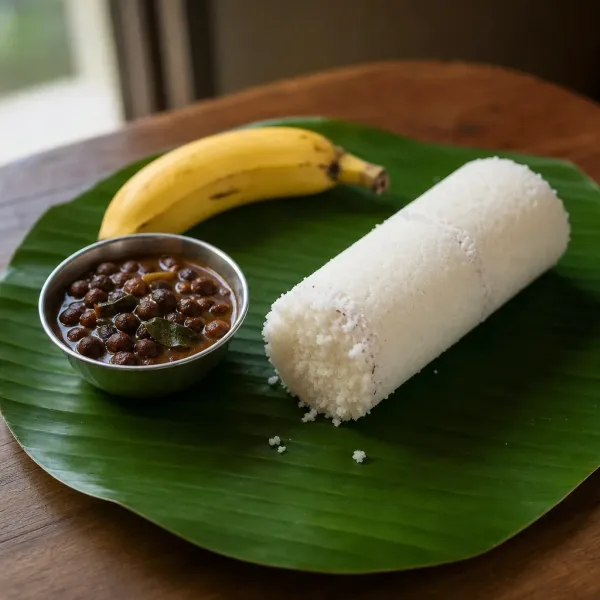
Traditional Kerala puttu made with rice flour and fresh coconut, steamed in a puttu kutti. Step-by-step method with the correct flour texture explain…
Plain Dosa
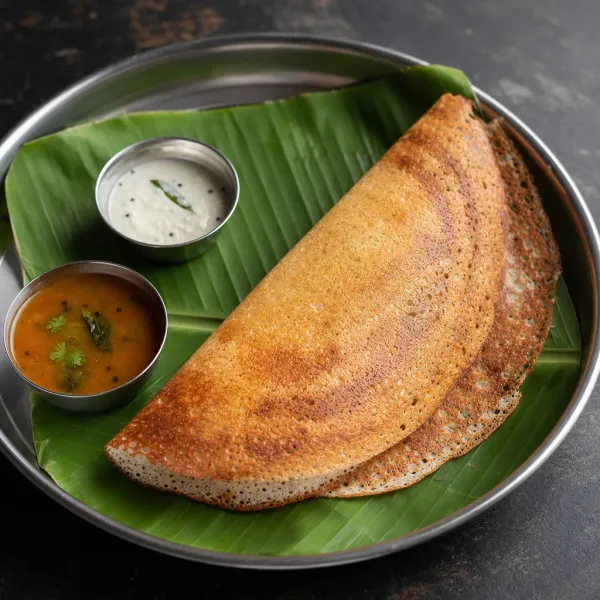
Traditional Tamil Iyer plain dosa: fermented rice and urad dal batter, spread thin on a cast-iron tawa with gingelly oil. Crisp, golden, and sour.
Appam
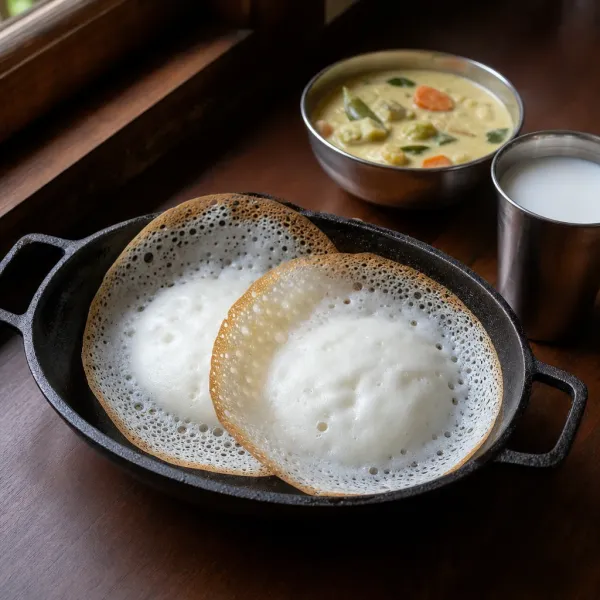
Traditional Kerala appam with toddy or yeast fermentation, ground fresh coconut, and cooked rice for a soft centre and lacy browned rim. Nasrani hous…
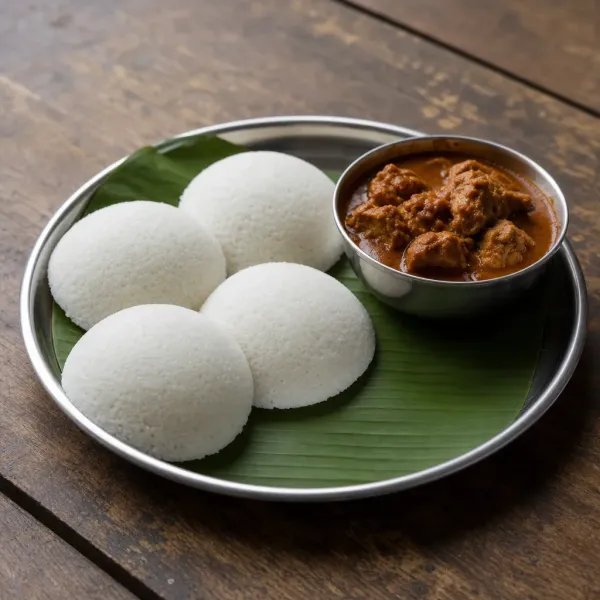
Sannas
Traditional Mangalorean Konkani Catholic sannas: soft, white steamed rice cakes leavened with yeast, made with raw rice and fresh coconut. Step-by-st…
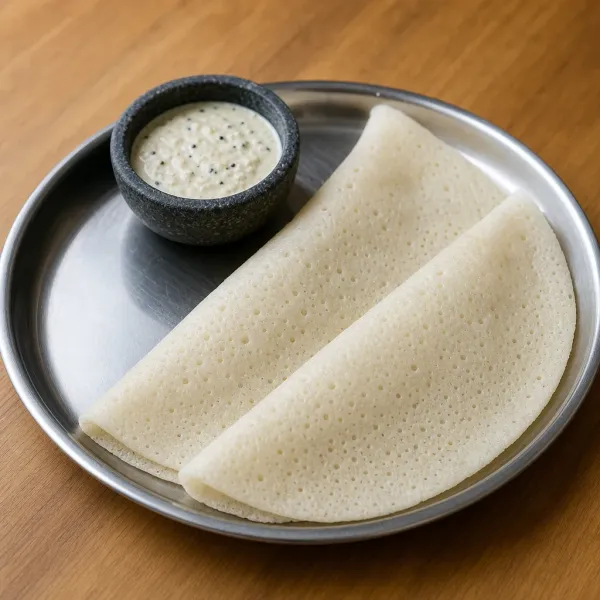
Aval Dosa (Soft Poha Dosa)
Soft, spongy aval dosa made with thick poha and raw rice. A quick-soak batter, no overnight ferment needed. Traditional Udupi home recipe.
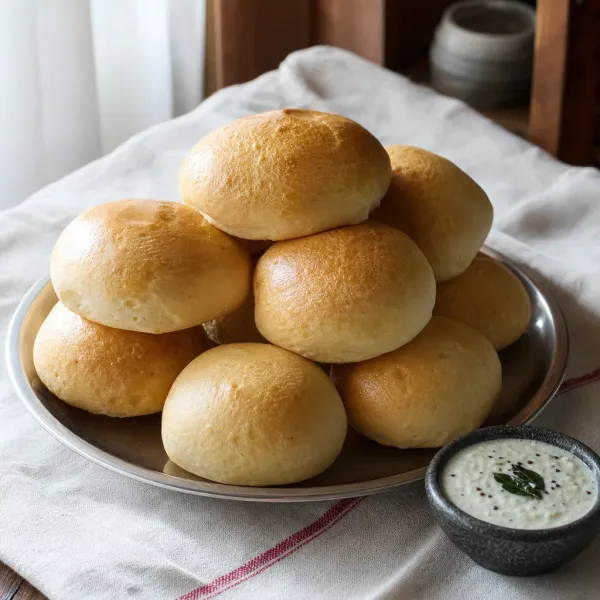
Mangalore Buns
Traditional Mangalore Buns from Konkani Catholic kitchens: ripe banana and curd dough rested overnight, rolled thick and fried until soft and golden.