

Plain Dosa Recipe
Malayalam ദോശTamil தோசைKannada ದೋಸೆTelugu దోశ
- Prep20 min
- Soak / ferment14 hr
- Cook40 min
- Serves4
- DifficultyMedium
- DietVegan
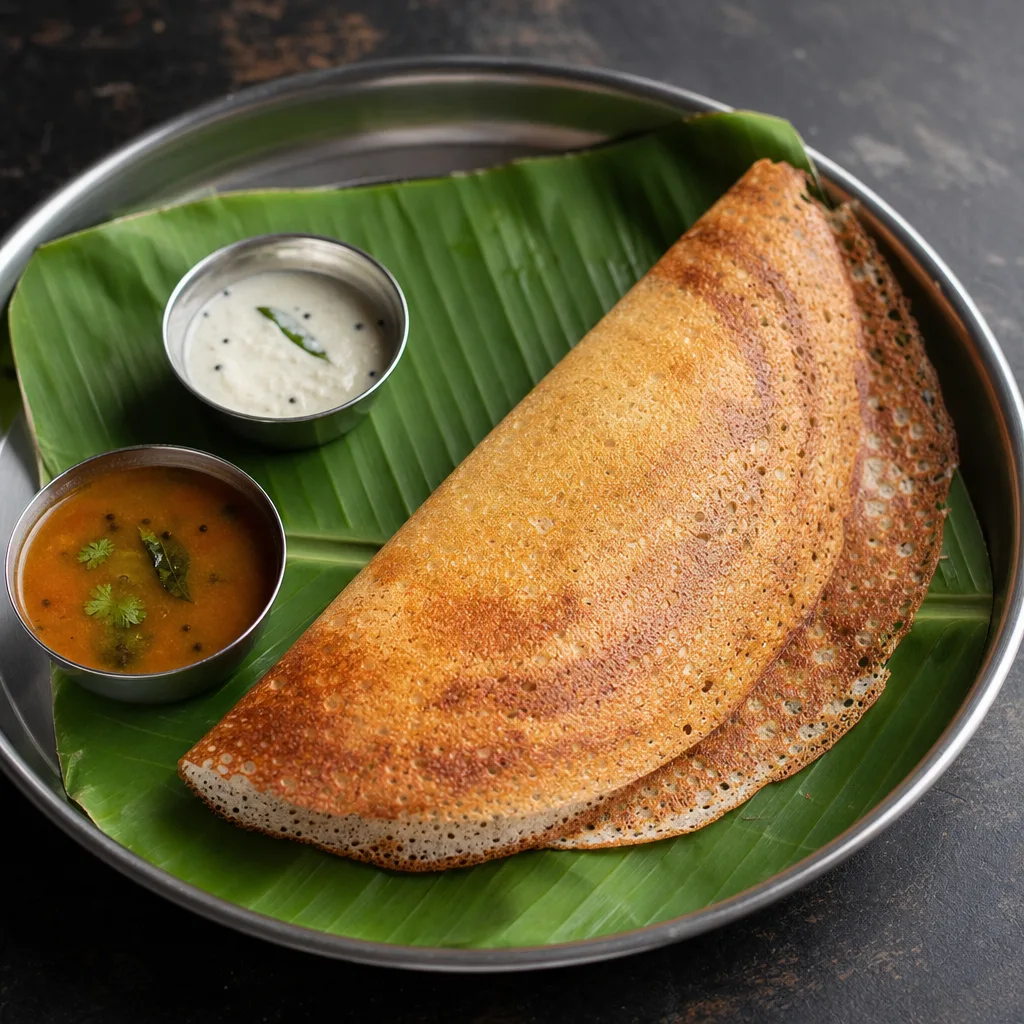
In a Tamil Iyer household, dosa is the everyday breakfast that keeps the morning moving. The batter is made the night before, fermented overnight on the kitchen counter, and spread thin and crisp on a seasoned iron tawa the next morning. There is no shortcut to the fermentation; it is what gives the dosa its slight sourness, its lacy holes, and its ability to crisp at the edges without drying out in the middle.
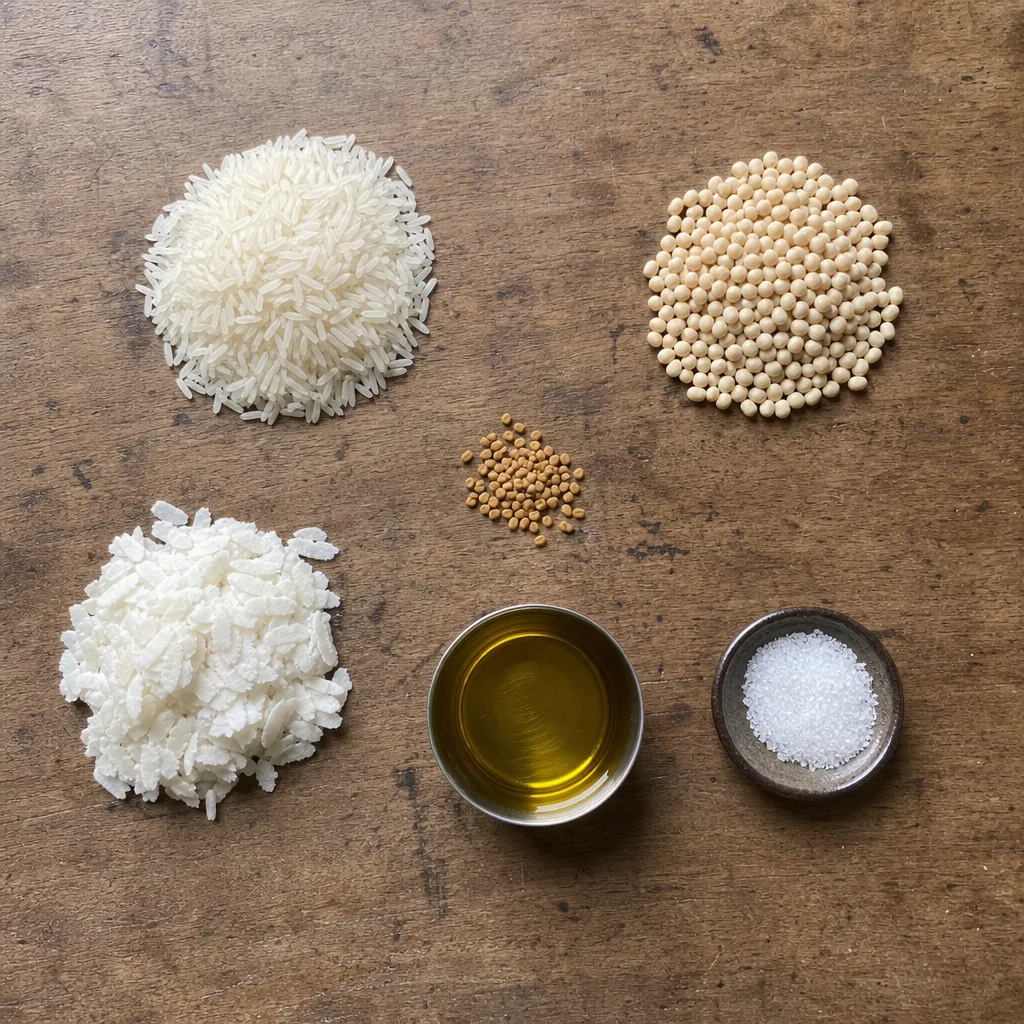
The ratio most households settle on is three parts raw rice to one part whole urad dal, with a small addition of poha to keep the batter light. Some grandmothers add a little cooked rice to the soaking rice to help fermentation in cooler weather. The batter is ground fine, not coarse, and spread as thin as the cook can manage on a hot iron griddle with a few drops of gingelly oil rubbed in. The result is golden, crisp at the rim, and still slightly soft at the centre.
What it is served with varies by household and by appetite. Coconut chutney is the constant. Sambar is usual at a full breakfast. Some families keep a small bowl of idli podi mixed with gingelly oil on the table. The dosa itself is plain; nothing is folded inside it here.
Ingredients (serves 4)
For the batter
For cooking
Method
Soak the rice and dal separately
Rinse the rice two or three times until the water runs mostly clear, then cover with plenty of cold water and leave to soak. Rinse the urad dal and soak it separately with the fenugreek seeds. Both need at least five to six hours; soaking overnight works if you plan to grind in the morning. Add the poha to the rice bowl for the final thirty minutes of soaking so it softens without becoming waterlogged.
Grind the urad dal first
Drain the urad dal and fenugreek seeds and put them in the wet grinder or blender. Add water a little at a time, starting with about four tablespoons. Grind until the batter is very smooth and airy, almost like thick whipped cream. This takes eight to twelve minutes in a blender. The batter should be noticeably fluffy and white; that air is what makes the dosa light. Scrape it into a large vessel.
Grind the rice
Drain the rice and poha together and grind them with a little water. The rice batter should be smooth but can be very slightly grainy compared to the urad batter; a fine grit is acceptable. Add water gradually to keep the blender moving. The finished rice batter should be thick and pourable, not thin. Add it to the same vessel as the urad batter.
Mix and check the consistency
Stir both batters together thoroughly with your hand or a large spoon. The combined batter should be thick enough to coat the back of a spoon and fall in a slow ribbon, not pour like water. If it is too thick, add a small splash of water and mix again. Do not add salt yet; salt can slow fermentation.
Ferment overnight
Cover the vessel loosely with a lid or plate, not airtight, and leave it in a warm place for eight to twelve hours. In a warm Tamil Nadu kitchen in summer, eight hours is usually enough. In cooler weather or in an air-conditioned home, it may need twelve to fourteen hours. The batter is ready when it has risen noticeably, smells pleasantly sour, and looks bubbly and aerated on the surface. If it has not risen at all after twelve hours, it will not make a good dosa that day.
Season the batter and adjust consistency
Add salt to the fermented batter and stir gently from the bottom up, trying not to knock out too much of the air. The batter should now be thin enough to spread easily on the tawa but not watery; it should flow when you tilt the ladle. Add a little water if needed, a tablespoon at a time. The right consistency is closer to thin pancake batter than to idli batter.
Heat the tawa
Place a cast-iron tawa or a well-seasoned iron griddle on medium-high heat. Let it heat for two to three minutes. Sprinkle a few drops of water on the surface; they should evaporate instantly with a sharp hiss. That is the right temperature. If the water sits and bubbles slowly, the tawa is not hot enough. Reduce the heat to medium before you spread the first dosa.
Season the surface
Pour a few drops of gingelly oil onto the tawa and rub it across the surface with a folded cloth or a halved shallot. The surface should be very lightly oiled, not pooling. Wipe off any excess. This step matters most for the first dosa of the batch, which often acts as a seasoning dosa and may not spread perfectly; that is normal.
Spread the dosa
Pour one ladle of batter (approximately 80 ml) onto the centre of the tawa. Immediately use the flat bottom of the ladle to spread it outward in a continuous spiral, moving quickly from the centre to the edge. Work in one direction; going back over an area tears the dosa. Aim for a thin, even round of about 22 to 25 cm. If the tawa is too hot, the batter will set before you finish spreading; reduce the heat slightly for the next one.
Cook until golden and crisp
Drizzle a few drops of gingelly oil around the edges and over the surface. Cook on medium heat. The dosa is ready to flip when the edges lift cleanly from the tawa and the top surface looks dry and no longer shiny. The underside should be golden to deep golden with a lacy, slightly darker rim. This takes two to three minutes. If the edges are not lifting, give it another thirty seconds.
Flip and finish
Slide a flat spatula under the dosa and flip it in one confident move. Cook the second side for thirty to forty-five seconds only; it colours lightly and does not need to crisp the way the first side does. Slide it off the tawa and serve immediately. A dosa that sits and steams loses its crispness quickly.
Continue with remaining batter
Between dosas, wipe the tawa with a damp cloth to cool the surface slightly and remove any residue. Re-oil lightly each time. If the tawa becomes too hot across the batch, the batter will set too fast to spread; a quick wipe with the damp cloth brings it back to the right temperature. The second and third dosas are usually the best ones in any batch.
How to serve
Coconut chutney, sambar, and optionally a small bowl of idli podi mixed with gingelly oil.
Served with: Coconut chutney, sambar, and optionally a small bowl of idli podi mixed with gingelly oil.
Cook's tips
Iron tawa vs. non-stick
A well-seasoned cast-iron tawa gives the best crispness and the characteristic lacy rim. A non-stick pan will make a serviceable dosa but it will be softer and will not develop the same colour. Never use soap on a cast-iron tawa; wipe it clean while still warm.
The first dosa
The first dosa of any batch almost always tears or spreads unevenly. Experienced cooks treat it as a seasoning round and eat it themselves in the kitchen. Do not judge the batter by the first one.
Fermentation in cold weather
If your kitchen is cool, place the batter vessel inside your oven with only the oven light on, or wrap it in a thick towel. Some cooks add a tablespoon of cooked rice to the raw rice before soaking; it introduces wild yeast and helps fermentation along without changing the flavour noticeably.
Storing the batter
Once fermented, the batter keeps in the refrigerator for two to three days. Bring it to room temperature before spreading or it will be difficult to spread thin. The batter turns more sour each day; some people prefer day-two batter for that reason.
Why the dosa sticks
Sticking usually means the tawa is not hot enough when the batter goes on, or the surface was not properly oiled. It can also mean the batter has too much water and is tearing rather than sticking. A dosa that is spread too thick will also stick in the middle because it takes too long to cook through.
Regional variations
Udupi-style dosa (Karnataka, thinner batter, served with coconut chutney and sambar); Kerala dosa (softer, less crisp, sometimes with a higher urad ratio); Andhra pesarattu (entirely different batter of green moong).
Glossary
- Pacharisi பச்சரிசி
- Raw rice, as distinct from parboiled rice; the variety used in Tamil Nadu dosa batter.
- Ulundu உளுந்து
- Whole white urad dal, the pulse that gives dosa batter its body and helps it ferment.
- Vendhayam வெந்தயம்
- Fenugreek seeds; a small quantity added to the urad dal to aid fermentation and add a faint bitterness.
- Aval அவல்
- Flattened rice, called poha in Hindi; added to the rice in small quantity to lighten the batter.
- Nallennai நல்லெண்ணெய்
- Gingelly oil, cold-pressed sesame oil; the fat used for cooking dosa in Tamil Nadu.
- Tawa தவா
- A flat iron griddle; ideally cast iron for dosa.
Two things decide whether a plain dosa works: the batter must be genuinely well fermented, and the tawa must be at exactly the right temperature before the batter touches it. Spread it fast, keep the heat steady, and let the edges tell you when it is ready to flip.
More Breakfast & Tiffin recipes
Sannas
Traditional Mangalorean Konkani Catholic sannas: soft, white steamed rice cakes leavened with yeast, made with raw rice and fresh coconut. Step-by-st…
Kerala Puttu
Traditional Kerala puttu made with rice flour and fresh coconut, steamed in a puttu kutti. Step-by-step method with the correct flour texture explain…
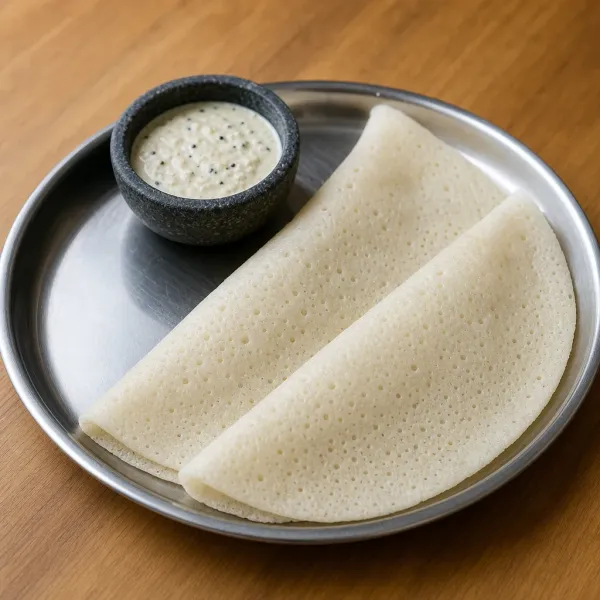
Aval Dosa (Soft Poha Dosa)
Soft, spongy aval dosa made with thick poha and raw rice. A quick-soak batter, no overnight ferment needed. Traditional Udupi home recipe.
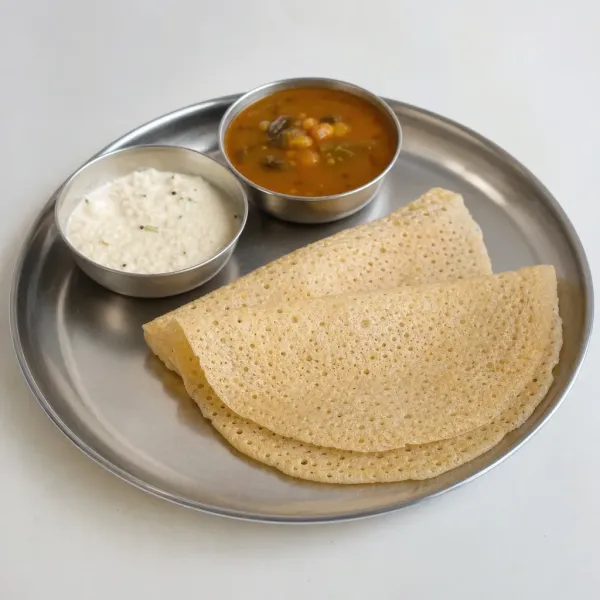
Godhuma Dosa
Quick Tamil Nadu-style godhuma dosa made with wheat flour and rice flour, no fermentation needed. Ready in under an hour, soft and lacy.
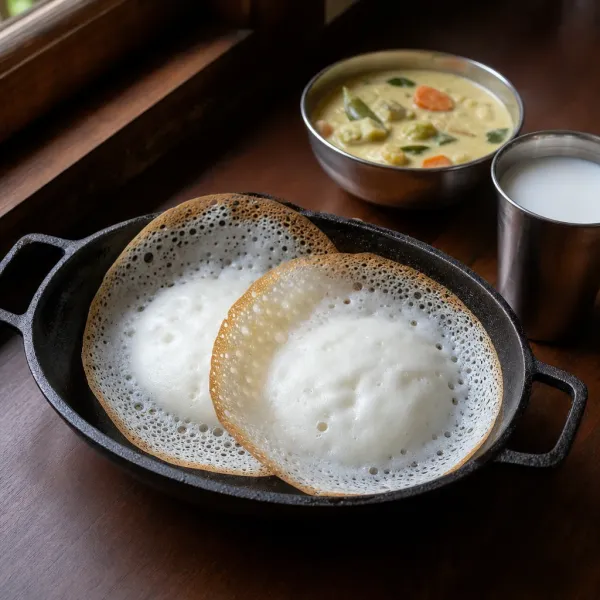
Appam
Traditional Kerala appam with toddy or yeast fermentation, ground fresh coconut, and cooked rice for a soft centre and lacy browned rim. Nasrani hous…
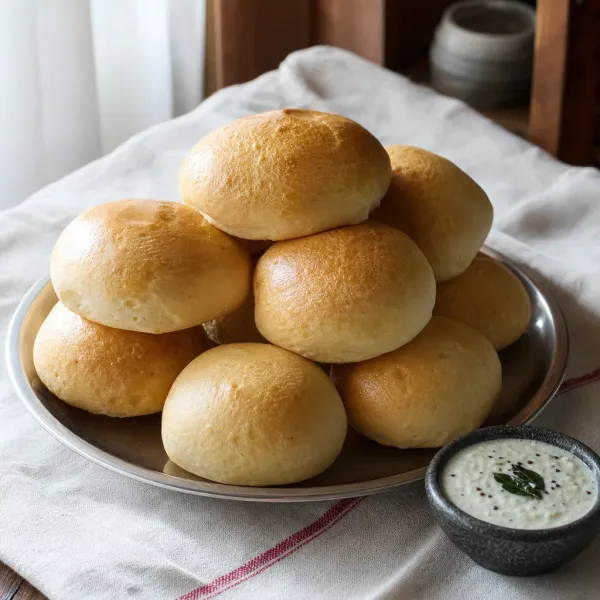
Mangalore Buns
Traditional Mangalore Buns from Konkani Catholic kitchens: ripe banana and curd dough rested overnight, rolled thick and fried until soft and golden.