

Ghee Roast Dosa Recipe
Malayalam നെയ്യ് റോസ്റ്റ് ദോശTamil நெய் ரோஸ்ட் தோசைKannada ತುಪ್ಪ ರೋಸ್ಟ್ ದೋಸೆTelugu నెయ్యి రోస్ట్ దోసె
- Prep20 min
- Soak / ferment14 hr
- Cook40 min
- Serves4
- DifficultyMedium
- DietVegetarian
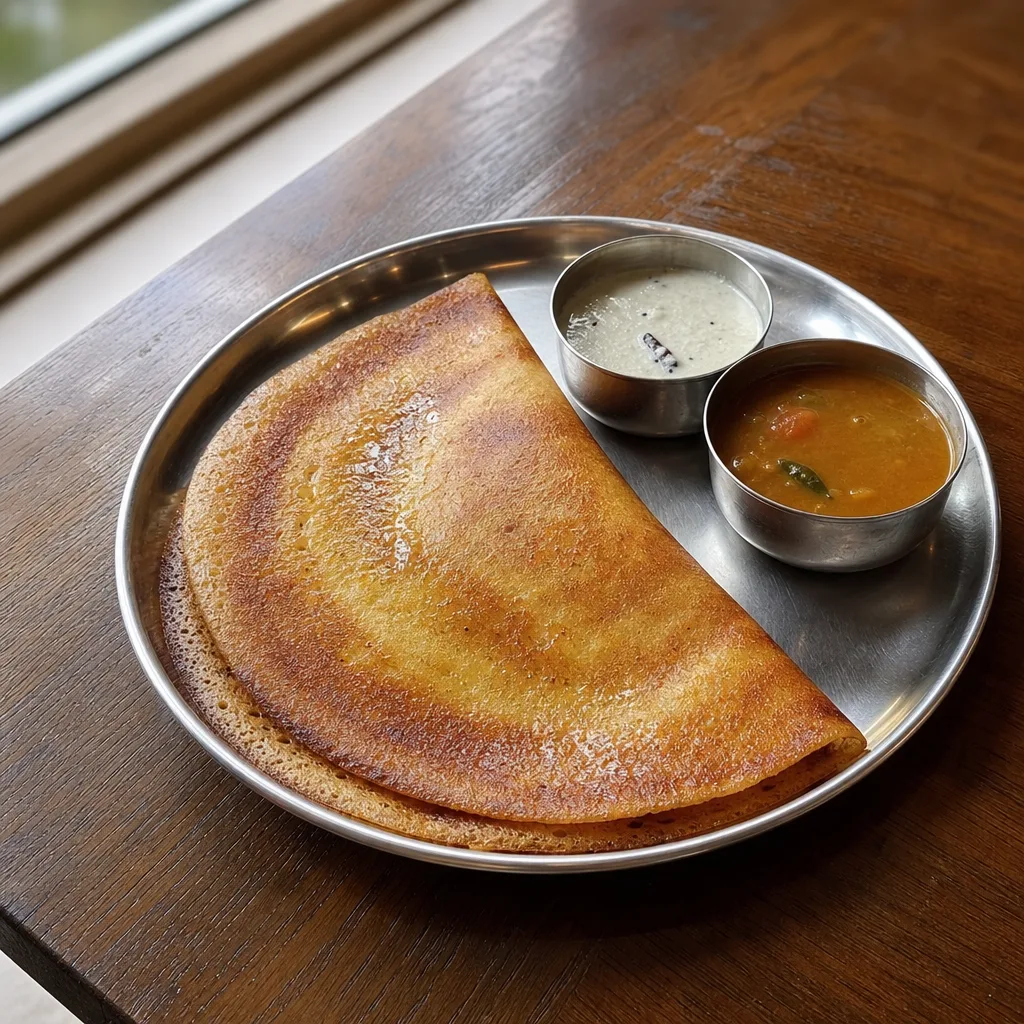
Ghee roast dosa comes from the Udupi–Mangalore belt of coastal Karnataka, where the tiffin tradition is serious and the dosa iron is never far from the flame. It is not a stuffed dosa and it carries no filling. What makes it distinct is the generous pour of ghee while the dosa is still on the pan, and the folding or rolling while it is still hot, so the ghee soaks into the inner surface. The result is golden outside, faintly soft and rich within, with a clean dairy fragrance.
The batter is the same fermented rice-and-urad batter used for plain dosa, but the ratio here leans slightly more toward rice to give a thinner, crisper result. Households in Udupi ferment overnight in a clay or steel vessel. By morning the batter has risen noticeably and smells pleasantly sour without being sharp. The spread is wider and thinner than a set dosa, and the heat is kept moderate so the ghee does not burn before the dosa cooks through.
At home this is a weekend breakfast or an evening tiffin. It is eaten with coconut chutney and sambar, though in many Udupi homes a simple coconut chutney alone is considered sufficient. The ghee used is homemade or a trusted local brand; the quantity is not modest.
Ingredients (serves 4)
For the batter
For cooking each dosa
Method
Soak the grains
Wash the rice thoroughly in several changes of water and soak in enough water to cover by 5 cm for 5 to 6 hours. Wash the urad dal and fenugreek seeds together and soak separately for 4 to 5 hours. Do not combine them at this stage; they grind at different rates.
Grind the urad dal first
Drain the urad dal and fenugreek. Grind them first in a wet grinder or powerful mixer-grinder, adding cold water in small additions, until the batter is very smooth and airy — it should feel almost like a thick foam when you rub it between your fingers. This takes 15 to 20 minutes in a wet grinder. Transfer to a large vessel.
Grind the rice
Drain the rice and grind to a slightly coarser but still smooth batter, again adding cold water gradually. The rice batter will feel just a little grainy on your tongue — that is correct. Add it to the urad batter and mix well with your clean hand, which slightly warms the batter and helps fermentation.
Ferment overnight
The combined batter should be loose enough to pour but not watery — about the consistency of thick buttermilk. Cover the vessel loosely with a lid or plate, leaving a gap for air. Leave in a warm corner of the kitchen for 8 to 10 hours, or overnight. In a cool climate, place the vessel inside the oven with just the light on. The batter is ready when it has risen by at least a third and smells pleasantly sour. Do not let it go so long that it smells sharp or alcoholic.
Season the batter
Add salt to the fermented batter and stir gently from the bottom. Do not beat it hard; you want to keep the air in. The consistency for ghee roast dosa should be slightly thinner than for set dosa — add a few tablespoons of water if needed and mix gently.
Heat the pan
Place a cast-iron tawa or a thick iron dosa pan over medium-high heat. Let it heat for 3 to 4 minutes. Sprinkle a few drops of water on the surface — they should sizzle and evaporate immediately. Wipe the surface lightly with a cut onion half or a folded cloth. The pan must be very hot before the first dosa goes on; subsequent dosas need less waiting.
Spread the dosa
Pour a ladle of batter (about 90 ml) onto the centre of the pan. Working quickly, use the back of the ladle to spread it outward in a continuous spiral until you have a thin round of about 25 to 28 cm. Work with confidence — hesitation leaves thick patches. The edges will start to dry and lift within a minute.
Add the ghee
When the surface of the dosa looks mostly set and the underside is turning golden — about 1½ to 2 minutes on medium heat — pour 1½ to 2 tsp of ghee around the edges and a few drops in the centre. The ghee will sizzle and run under the dosa. Let it cook for another 30 to 45 seconds until the underside is deep golden and the edges are crisp and pulling away from the pan.
Do not flip
A ghee roast dosa is cooked on one side only. The top surface cooks through from the steam and the heat of the pan. If the top still looks wet when the bottom is golden, lower the heat for 20 seconds rather than flipping. Flipping makes it dry and loses the ghee.
Fold and serve immediately
Slide a flat spatula under the dosa and fold it in half, or roll it loosely. Transfer to a plate at once. The ghee continues to soak in as it rests, so serve within a minute. Between dosas, wipe the pan with a damp cloth if needed and let it return to heat before the next pour.
How to serve
Fresh coconut chutney and sambar. In Udupi homes, a simple white coconut chutney seasoned with green chilli and tempered with mustard and curry leaves in coconut oil is the usual pairing.
Served with: Fresh coconut chutney and sambar. In Udupi homes, a simple white coconut chutney seasoned with green chilli and tempered with mustard and curry leaves in coconut oil is the usual pairing.
Cook's tips
The pan temperature matters most
If the batter sticks and tears when you spread it, the pan is not hot enough. If the dosa sets before you finish spreading, it is too hot. The first dosa is almost always a test dosa — eat it yourself and adjust the heat.
Batter consistency
The batter should coat the back of a ladle and drip off in a slow, steady stream. Too thick and the dosa will be chewy; too thin and it tears when you spread it. Add water one tablespoon at a time.
Storing batter
Once fermented and salted, the batter keeps in the refrigerator for up to three days. Take it out 30 minutes before cooking to bring it closer to room temperature; cold batter does not spread smoothly.
Ghee quality
The flavour of the finished dosa depends almost entirely on the ghee. Use the best you have. Clarified butter is not the same thing and will not give the same result.
Non-stick pan shortcut
A non-stick pan is genuinely common in home kitchens now and works, but the dosa will not get the same deep colour on the underside. If you use one, do not wipe it with onion or a wet cloth between dosas.
Regional variations
Mangalorean households sometimes add a small quantity of cooked rice to the batter for extra softness at the centre; restaurant versions in Bengaluru often use a thinner spread and higher heat for a more uniform crisp.
Glossary
- Pachari പച്ചരി
- Raw (unparboiled) rice used in Kerala and coastal Karnataka for dosa and idli batter.
- Urad dal ഉഴുന്ന്
- Skinned split or whole black gram; gives the batter its airy, fermented lift.
- Tawa ತವಾ
- A flat or slightly concave iron griddle used for making dosa and rotis.
- Methi ಮೆಂತ್ಯ
- Fenugreek seeds; a small quantity added to the urad dal aids fermentation and adds a faint bitterness that balances the sourness.
Two things decide whether this dosa works: the fermentation and the pan temperature. If the batter has not risen properly overnight, the dosa will be flat and pale no matter how much ghee you use. If the pan is not hot enough when you spread the batter, it sticks, tears, and the whole round is lost. Get those two right and the rest follows easily.
More Breakfast & Tiffin recipes
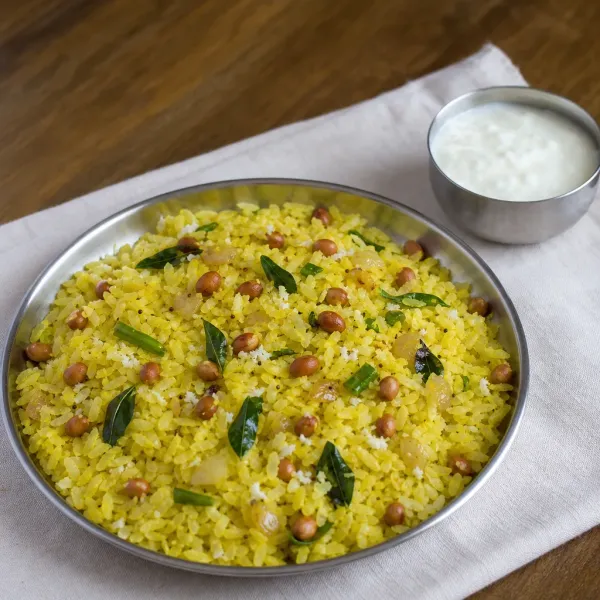
Avalakki Oggarane
Traditional Karnataka avalakki oggarane recipe — medium poha tempered with mustard, shallots, curry leaves and groundnuts. Ready in 20 minutes.
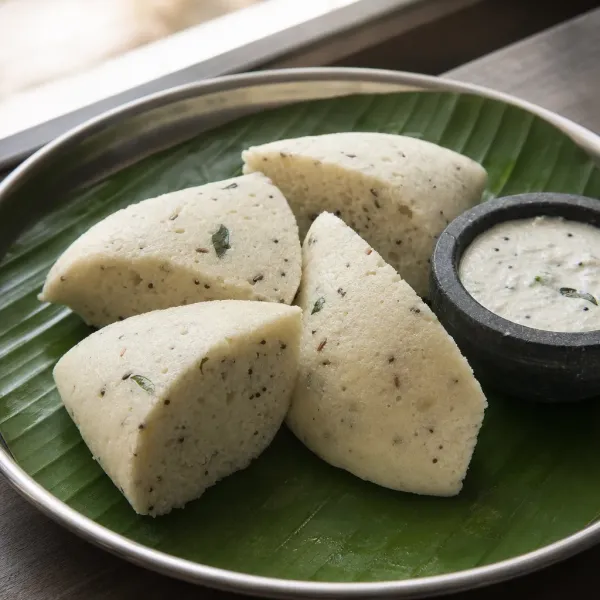
Kanchipuram Idli
Traditional Kanchipuram idli from the Iyer kitchen: fermented rice and urad dal batter tempered with ghee, black pepper, cumin and ginger, steamed fi…
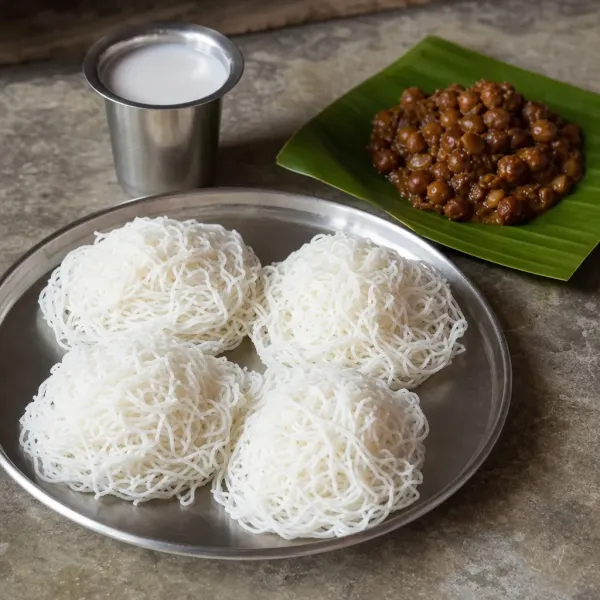
Idiyappam
Soft Kerala string hoppers made with fine rice flour and boiling water, pressed fresh and steamed. Traditional household method with cook's notes.
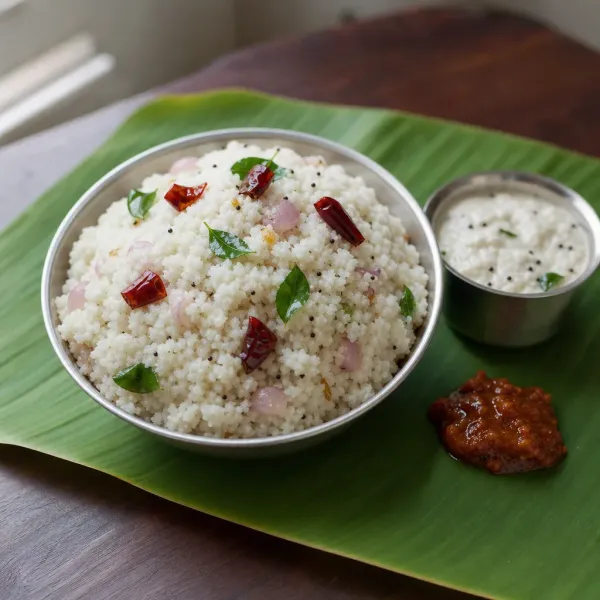
Arisi Upma (Broken Rice Upma)
Traditional Kongunad Iyer arisi upma made with dry-roasted broken raw rice, shallots, peppercorns and ghee. Step-by-step Tamil Nadu tiffin recipe.
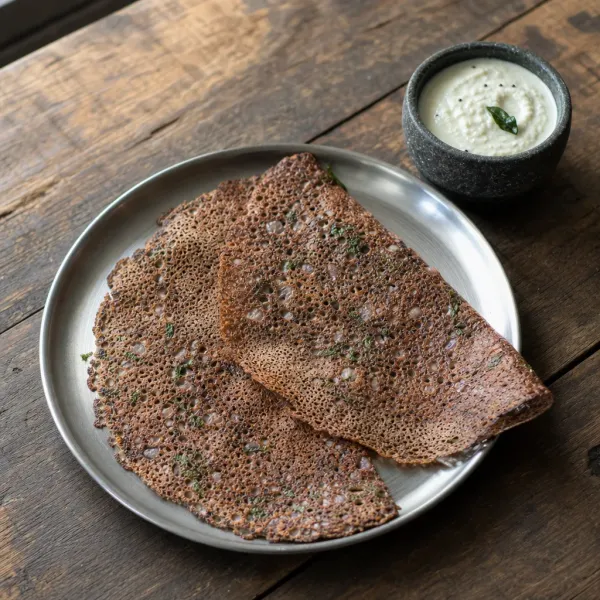
Ragi Dosa (Finger Millet Dosa)
Traditional Karnataka ragi dosa made with finger millet flour, rice flour, shallots and cumin. Quick, no-ferment, weekday breakfast recipe.
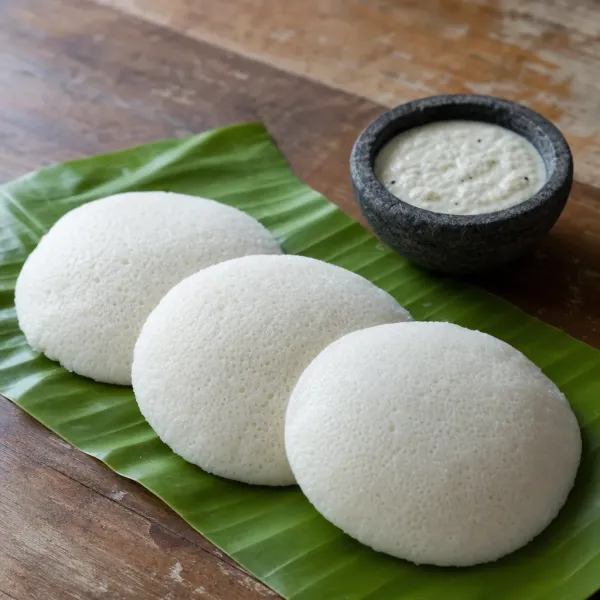
Ramassery Idli
Traditional Ramassery idli from Palakkad: raw rice batter, no urad dal, steamed on damp muslin. Soft, pale, and delicate. Step-by-step home recipe.