

Avalakki Oggarane Recipe
Malayalam അവലക്കി ഒഗ്ഗരണെTamil அவலக்கி ஒக்கரணேKannada ಅವಲಕ್ಕಿ ಒಗ್ಗರಣೆTelugu అవలక్కి ఒగ్గరణె
- Prep10 min
- Cook10 min
- Serves3
- DifficultyEasy
- DietVegetarian
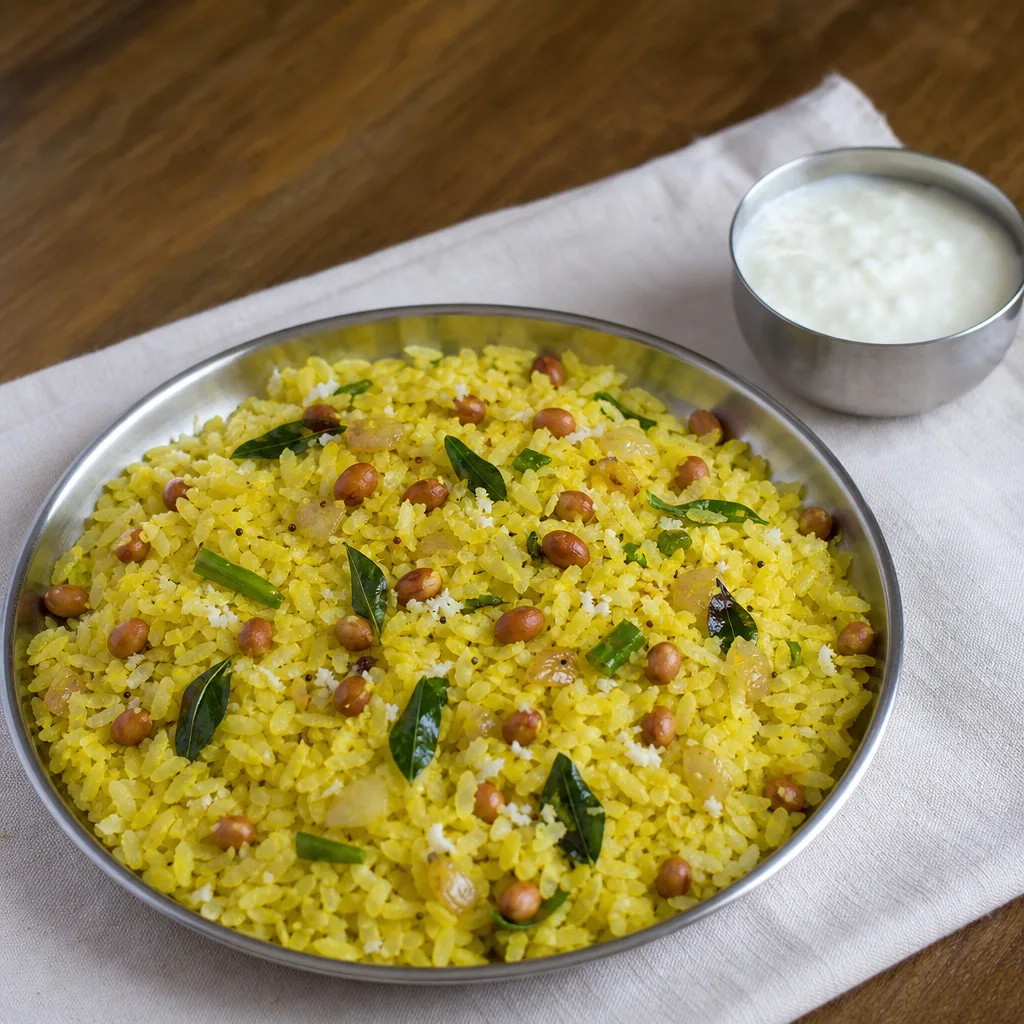
Avalakki oggarane is a weekday breakfast in Karnataka homes, quick enough to be on the table before anyone has finished their morning coffee. The word oggarane means the tempering itself — the hot oil, the mustard pop, the curry leaf hiss — and the dish is really built around that moment. Medium-thick beaten rice (avalakki) is the standard choice: thick enough to hold its shape after moistening but not so thick that it turns gluey.
In most Bengaluru and Mysuru households the base is simple — shallots or small onions, green chilli, the tempering, a little turmeric, and grated coconut to finish. Some cooks add a handful of roasted groundnuts for bite, and that is now common enough to count as mainstream rather than variation. The fat is always refined sunflower or groundnut oil in the city; older village kitchens in the Malnad belt may use coconut oil, but that is the exception.
It is eaten at breakfast or as an evening tiffin, usually with a small bowl of plain curd alongside. It comes together in under fifteen minutes once you understand the one thing that can go wrong: the avalakki must be moistened just enough to soften and no more. Too much water and it turns into a mash; too little and it stays hard at the centre.
Ingredients (serves 3)
Main
For the oggarane (tempering)
Finishing
Method
Roast the groundnuts
Place the groundnuts in a dry kadai over medium heat. Stir constantly for 4 to 5 minutes until the skins blister and begin to flake and the nuts smell toasted. Tip them onto a plate and leave to cool. Rub off the loose skins if you like, or leave them on. Set aside.
Rinse and moisten the avalakki
Put the avalakki in a wide bowl. Sprinkle 3 tablespoons of water over it and toss gently with your fingers. Wait 3 minutes, then press a flake between your thumb and finger — it should give way without crumbling and without feeling wet or sticky. If the centre is still hard, sprinkle one more tablespoon of water and wait another minute. The flakes should be separate, not clumped.
Season with salt and turmeric
Add the salt and turmeric to the moistened avalakki and toss to coat evenly. The avalakki will turn a pale yellow throughout. Set the bowl near the stove.
Start the tempering
Heat the oil in a wide kadai over medium-high heat. When the oil is hot, add the mustard seeds and cover loosely. Wait for them to finish popping — about 30 seconds. If you add the next ingredients before the popping dies down, the dal will burn.
Add the dals and aromatics
Add the chana dal and urad dal and stir for about 30 seconds until they turn pale gold. Add the curry leaves and green chillies — stand back, the leaves will spit. Stir for 15 seconds.
Cook the shallots
Add the chopped shallots and a small pinch of salt. Stir over medium heat for 3 to 4 minutes until the shallots are soft and translucent at the edges. They should not brown.
Add the avalakki
Tip the seasoned avalakki into the kadai. Toss everything together gently using a flat spatula or your hand if you are used to working near heat. Turn the heat to low. Mix until the turmeric colour is even throughout and the avalakki is warmed through, about 2 minutes. Do not press or stir aggressively or the flakes will break.
Add the groundnuts and coconut
Add the roasted groundnuts and the grated coconut. Toss once more gently. Taste for salt.
Finish with lemon and serve
Turn off the heat. Squeeze the lemon juice over the avalakki and toss. Serve immediately — it loses its texture as it sits.
How to serve
Plain fresh curd (yoghurt) in a small steel bowl. Some households serve it with a cup of filter coffee or a glass of hot milk.
Served with: Plain fresh curd (yoghurt) in a small steel bowl. Some households serve it with a cup of filter coffee or a glass of hot milk.
Cook's tips
Choosing the right avalakki
Thick avalakki (dappa avalakki) needs more water and longer soaking and can turn heavy. Thin avalakki (thin poha) becomes mushy with even a drop too much water. Medium thickness is the right choice for oggarane and is what most Karnataka shops stock for this purpose.
The water quantity is not fixed
The amount of water needed depends on how dry the batch of avalakki is, which varies by brand and how long it has been stored. Always start with less water than you think you need and check the flake between your fingers. You can always add more; you cannot take it back.
Groundnuts
Roast them fresh if you can — packaged roasted groundnuts are often slightly rancid and the flavour shows in a simple dish like this. They take only 5 minutes in a dry pan.
Leftovers
Avalakki oggarane does not keep well. After an hour it becomes dense and the flakes lose their separate texture. Make only as much as will be eaten.
Regional variations
Udupi households sometimes add grated fresh coconut and a squeeze of lemon; Kodava kitchens occasionally use thick avalakki and finish with more coconut oil. The Maharashtrian poha with onion and potato is a distinct dish.
Glossary
- Avalakki ಅವಲಕ್ಕಿ
- Beaten rice (flattened rice / poha); rice that has been parboiled, flattened and dried.
- Oggarane ಒಗ್ಗರಣೆ
- The Kannada word for the hot-oil tempering of mustard, dal and aromatics that starts or finishes a dish.
- Chana dal ಕಡಲೆ ಬೇಳೆ
- Split Bengal gram; used in small quantities in the tempering for a nutty crunch.
- Urad dal ಉದ್ದಿನ ಬೇಳೆ
- Split black gram; used alongside chana dal in the tempering.
Two things decide whether this works: the moisture in the avalakki and the heat of the oil when the mustard goes in. Get the flakes just soft enough to give way without turning wet, and make sure the mustard has finished popping before you add anything else. Everything else in the recipe is forgiving.
More Breakfast & Tiffin recipes
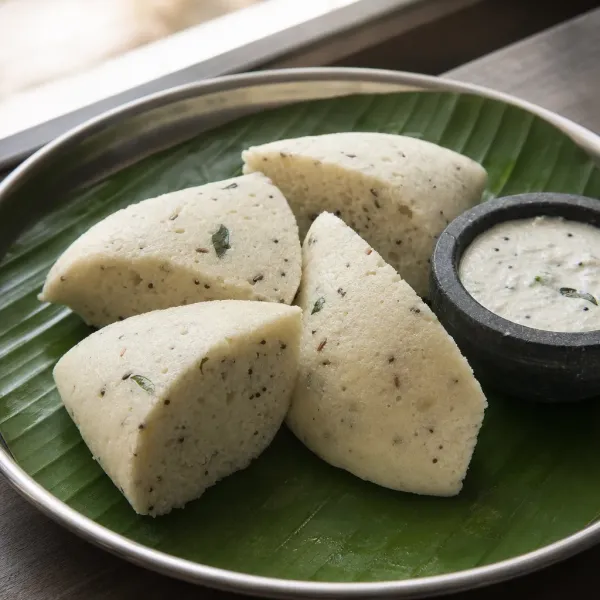
Kanchipuram Idli
Traditional Kanchipuram idli from the Iyer kitchen: fermented rice and urad dal batter tempered with ghee, black pepper, cumin and ginger, steamed fi…
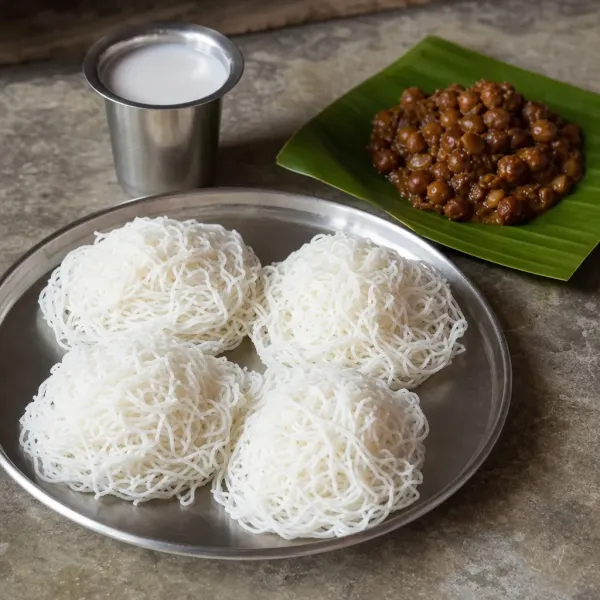
Idiyappam
Soft Kerala string hoppers made with fine rice flour and boiling water, pressed fresh and steamed. Traditional household method with cook's notes.
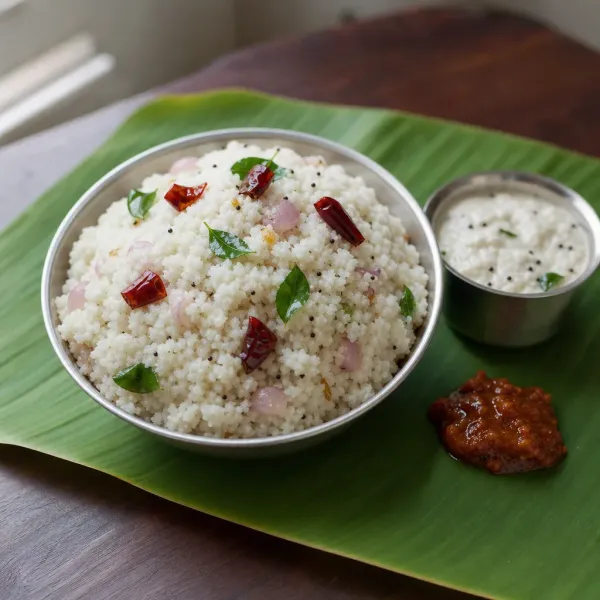
Arisi Upma (Broken Rice Upma)
Traditional Kongunad Iyer arisi upma made with dry-roasted broken raw rice, shallots, peppercorns and ghee. Step-by-step Tamil Nadu tiffin recipe.
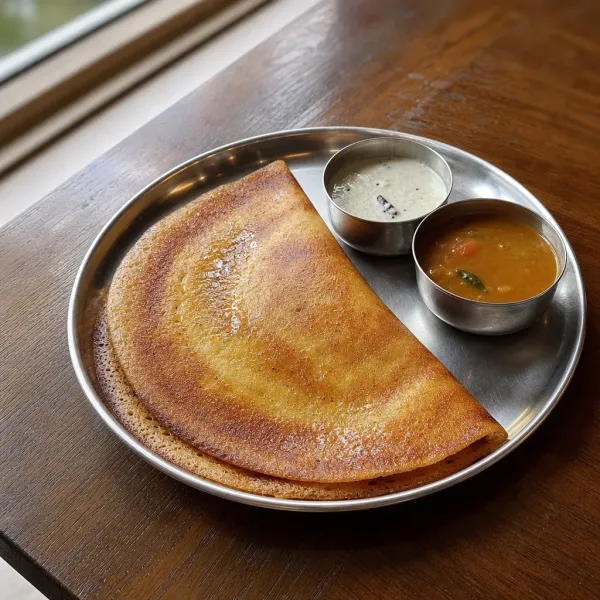
Ghee Roast Dosa
Traditional Udupi ghee roast dosa with fermented rice-urad batter, cooked on one side on a hot iron tawa with generous cow's ghee until deep golden.
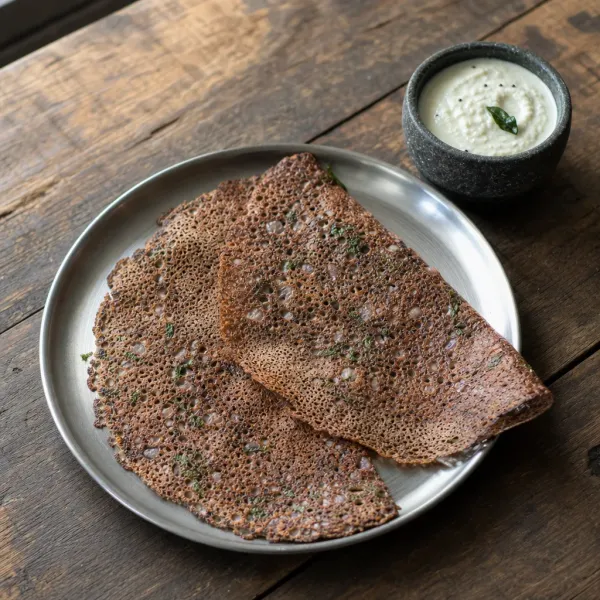
Ragi Dosa (Finger Millet Dosa)
Traditional Karnataka ragi dosa made with finger millet flour, rice flour, shallots and cumin. Quick, no-ferment, weekday breakfast recipe.
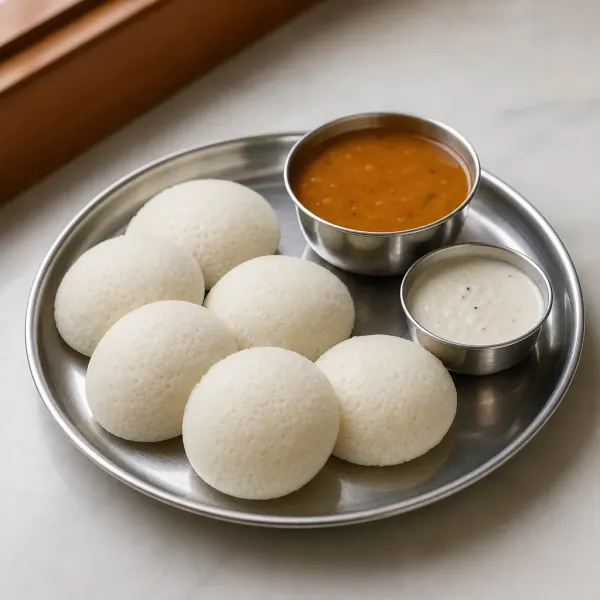
Idli
Authentic Tamil Iyer idli recipe with correct rice-to-urad ratio, wet-grinding method, and full fermentation guide. Soft, pale, and light every time.