

Chicken Uppu Kari Recipe
Malayalam ചിക്കൻ ഉപ്പ് കറിTamil சிக்கன் உப்பு கறிKannada ಕೋಳಿ ಉಪ್ಪು ಕರಿTelugu చికెన్ ఉప్పు కూర
- Prep20 min
- Cook45 min
- Serves4
- DifficultyEasy
- DietNon-vegetarian
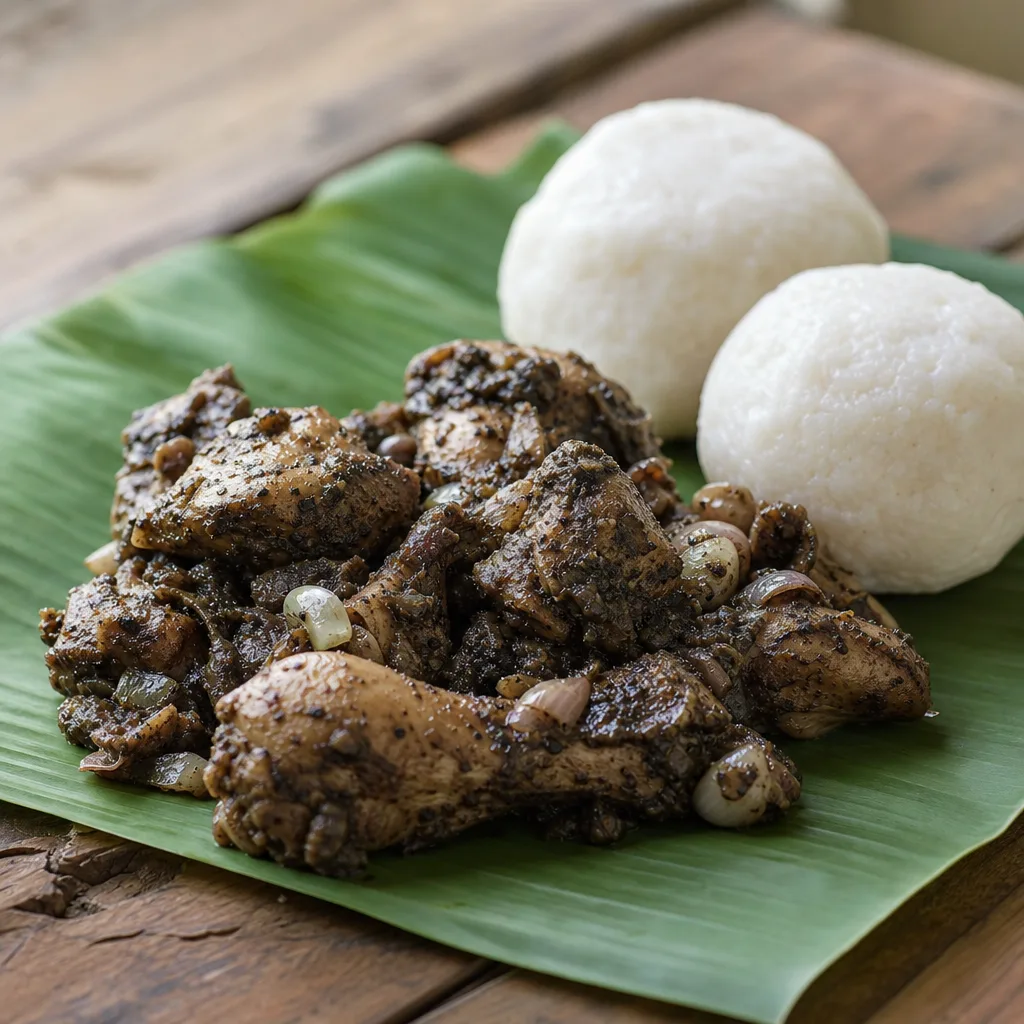
Uppu Kari is one of the oldest preparations in the Kodava kitchen. The name says everything: uppu is salt, kari is meat. It is a dry, dark, deeply savoury dish made by cooking bone-in chicken slowly in its own fat and juices with almost no masala — only salt, coarsely cracked black pepper, a few dry red chillies, and a splash of kachampuli, the thick black vinegar pressed from the dried fruit of the Garcinia gummi-gutta tree that grows across Kodagu. The result is not a curry with gravy. It is closer to a roast: the meat pulls away from the bone, the surface is dark and slightly sticky, and every mouthful tastes of pepper and that particular sour depth that kachampuli alone gives.
This is festival food and everyday food at the same time. At Kodava weddings and the harvest festival of Kailpodh it appears on the banana leaf alongside pandi curry and kadambuttu. On an ordinary evening it is made quickly from country chicken, eaten with akki rotti or kadambuttu, and finished without ceremony. The fat used is always coconut oil, though some older households render a little chicken fat first and cook in that.
Households differ mainly on two points: the amount of pepper (some families use a full tablespoon per kilo, others use half that and rely more on the chillies), and whether the shallots are added at the start or only after the chicken has begun to colour. Both approaches are genuine. This recipe adds shallots early so they melt into the meat and darken with it.
Ingredients (serves 4)
Main
Method
Dry the chicken
Pat the chicken pieces completely dry with a clean cloth. Any surface moisture will cause the pieces to steam rather than colour in the pan. If the chicken has been washed, leave it uncovered on a plate for 15 minutes before you begin.
Heat the oil
Set a heavy-bottomed vessel or an iron kadai over medium-high heat. Pour in the coconut oil and let it heat until it shimmers and a shallot dropped in sizzles immediately. Do not let it smoke.
Fry the shallots, garlic and chillies
Add the shallots, crushed garlic and torn dry red chillies together. Fry, stirring often, for 6 to 8 minutes until the shallots are golden at the edges and softened through. The garlic should be pale gold, not brown.
Add the chicken and sear
Add the chicken pieces in a single layer as best you can. Leave them undisturbed for 3 to 4 minutes so they take on colour on one side. Turn and repeat. You want the skin and surface to darken, not just turn white. Work in two batches if your vessel is small; crowding stews rather than sears.
Season with salt and pepper
Sprinkle the salt over the chicken and add the coarsely cracked black pepper. Stir well so every piece is coated. The pepper goes in now, not at the end, so it has time to cook into the meat rather than sitting raw on the surface.
Cook covered on low heat
Reduce the heat to low. Cover the vessel tightly and cook for 20 minutes. The chicken will release its own juices. Do not add water. Check once halfway through and stir; if anything is sticking, scrape it up — that fond is flavour.
Add the kachampuli
Uncover and add the kachampuli. Stir it through, making sure it coats all the pieces. The liquid in the pan at this point should be a dark, oily, reduced gravy. If there is still a lot of liquid, raise the heat to medium and cook uncovered for a few minutes before adding the kachampuli.
Dry-roast the final stage
Continue cooking uncovered on medium heat for 10 to 15 minutes, turning the pieces every few minutes. The goal is for almost all the liquid to evaporate and for the chicken to darken further and take on a slightly sticky, roasted look. The shallots will have almost dissolved into a dark coating on the meat. Taste and adjust salt.
Rest and serve
Take the vessel off the heat and let it rest for 5 minutes before serving. The flavour settles and the pepper becomes less sharp. Serve hot.
How to serve
Kadambuttu (Kodava rice dumplings) or akki rotti. At a full meal, alongside pandi curry and white rice cooked in an open pot.
Served with: Kadambuttu (Kodava rice dumplings) or akki rotti. At a full meal, alongside pandi curry and white rice cooked in an open pot.
Cook's tips
Kachampuli cannot be substituted
Kachampuli is not the same as Malabar kudampuli (Garcinia cambogia) and it is not the same as tamarind. The flavour is darker, less bright, and more fermented. If you cannot find it, leave it out entirely rather than substitute. The dish is still honest without it; it is not honest with tamarind standing in.
Country chicken matters
Broiler chicken cooks faster and releases far more water, which makes it difficult to get the dry, roasted finish. If you use broiler chicken, reduce the covered cooking time to 12 minutes and watch the liquid carefully. The result will be edible but softer and less flavourful.
The pepper should be cracked, not powdered
Fine pepper powder disappears into the oil and turns bitter. Crack the peppercorns in a mortar until you have coarse, uneven pieces. You should be able to see and feel them on the finished meat.
Leftovers improve overnight
Uppu Kari tastes better the next day. Store covered at room temperature if eating within a few hours, or refrigerate and reheat in the same vessel over low heat with a splash of coconut oil.
Regional variations
A pork version (Pandi Uppu Kari) follows the same method and is arguably more common at Kodava festivals; some households make the same preparation with mutton.
Glossary
- Uppu Kari ಉಪ್ಪು ಕರಿ
- Salt meat; the Kodava term for this minimally spiced dry-roasted meat preparation.
- Kachampuli ಕಚಂಪುಳಿ
- Thick, dark, fermented vinegar made from the dried fruit of Garcinia gummi-gutta, used exclusively in Kodava cooking as a souring agent.
- Kadambuttu ಕಡಂಬುಟ್ಟು
- Steamed Kodava rice dumplings, round and pale, the standard starch accompaniment to Kodava meat dishes.
- Kunjulli കുഞ്ഞുള്ളി
- Small shallots; used across South India but the Malayalam term is noted here as the ingredient is the same variety used in Kodagu.
Two things decide this dish. The first is patience during the final uncovered stage: if you rush it and serve while liquid remains, you have a stew, not an uppu kari. The second is the pepper — coarsely cracked, added early, and used generously enough that you can taste it in every bite without it being the only thing you taste.
More Chicken recipes
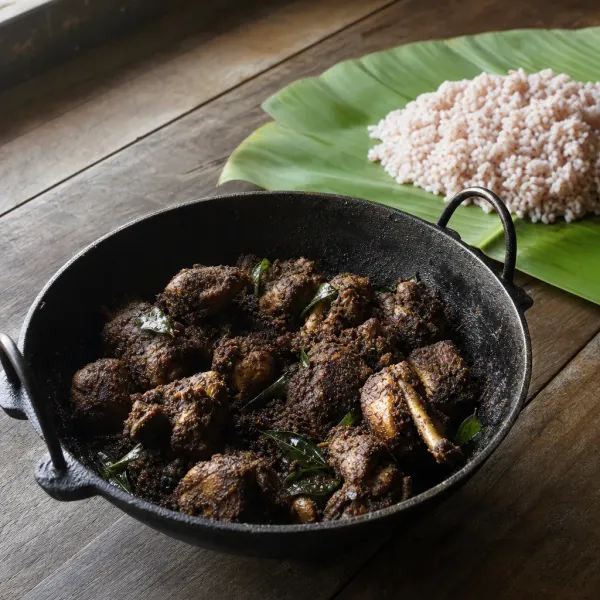
Chicken Chukka
Traditional Chettinad chicken chukka with fresh-ground kalpasi and marathi mokku masala. Dry, dark and deeply spiced. Step-by-step household method.
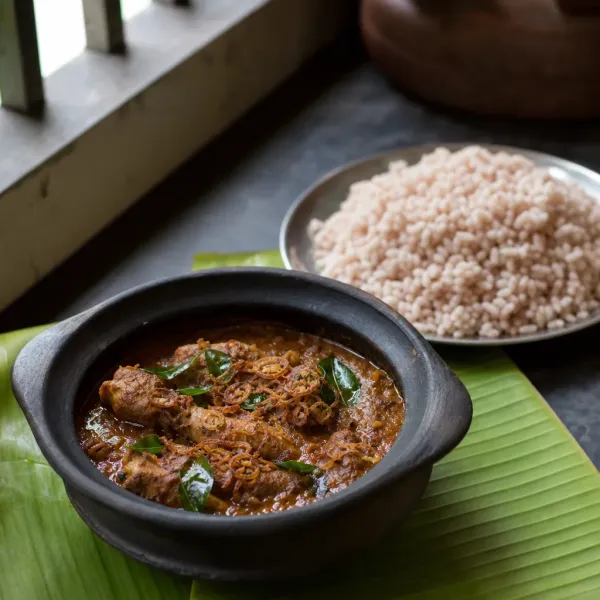
Kozhi Varutharacha Curry
Authentic Kerala Nasrani kozhi varutharacha curry with dry-roasted coconut paste. Step-by-step traditional method for a rich, dark chicken gravy.
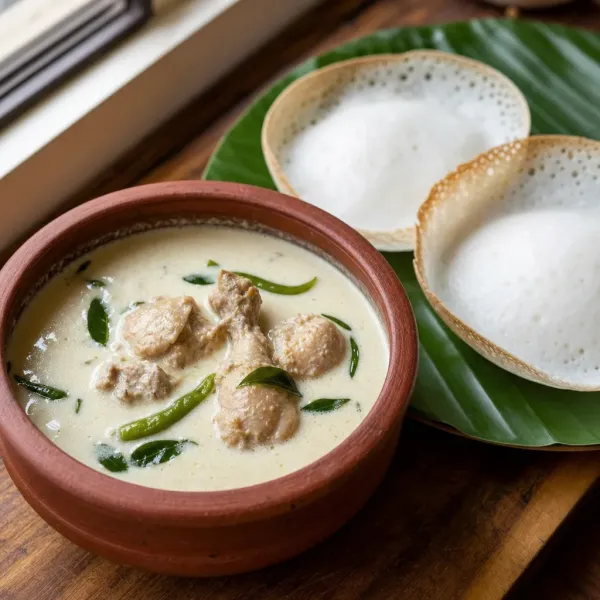
Chicken Mappas
Traditional Kerala Syrian Christian chicken mappas with coconut milk, whole spices and white vinegar. Served with appam or idiyappam. Authentic Nasra…
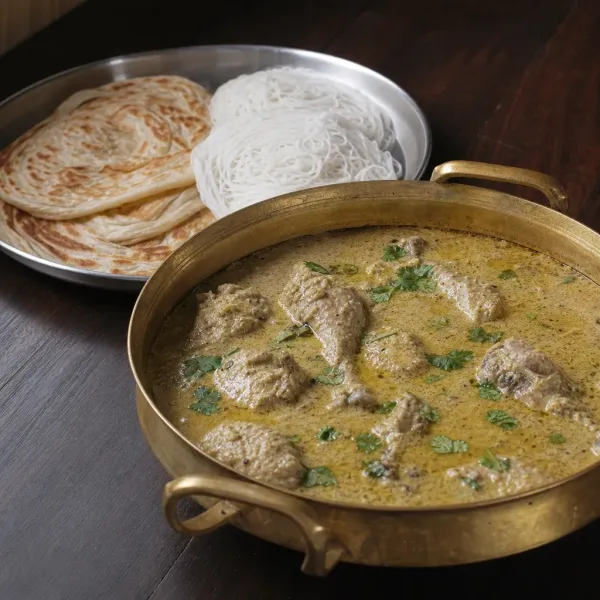
Mappila Chicken Kurma
Authentic Malabar Mappila chicken kurma with freshly ground coconut-cashew paste. The traditional partner for parotta and idiyappam. Step-by-step rec…
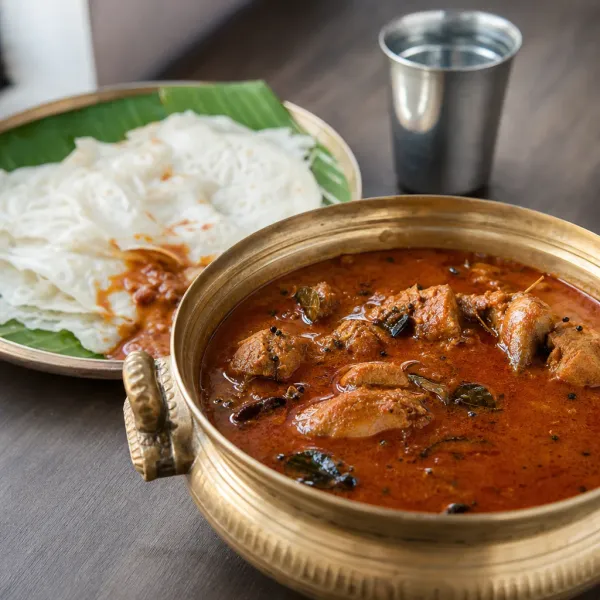
Kori Gassi
Authentic Bunt-style Kori Gassi from coastal Karnataka: chicken in a roasted coconut and byadagi chilli gravy, served with Kori Rotti or neer dosa.
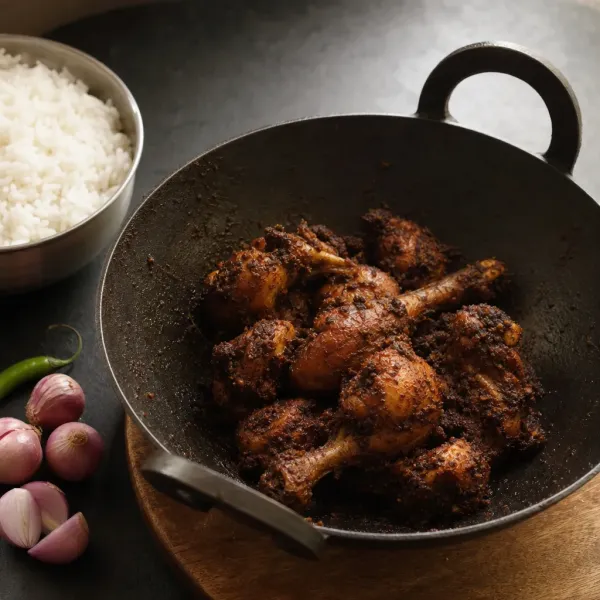
Chicken Varuval
Authentic Chettinad chicken varuval with freshly ground kalpasi and marathi mokku spices, fried dry in gingelly oil. Traditional Tamil Chettiar house…