

Beetroot Pachadi Recipe
Malayalam ബീറ്റ്റൂട്ട് പച്ചടിTamil பீட்ரூட் பச்சடிKannada ಬೀಟ್ರೂಟ್ ಪಚ್ಚಡಿTelugu బీట్రూట్ పచ్చడి
- Prep15 min
- Cook20 min
- Serves4
- DifficultyEasy
- DietVegetarian
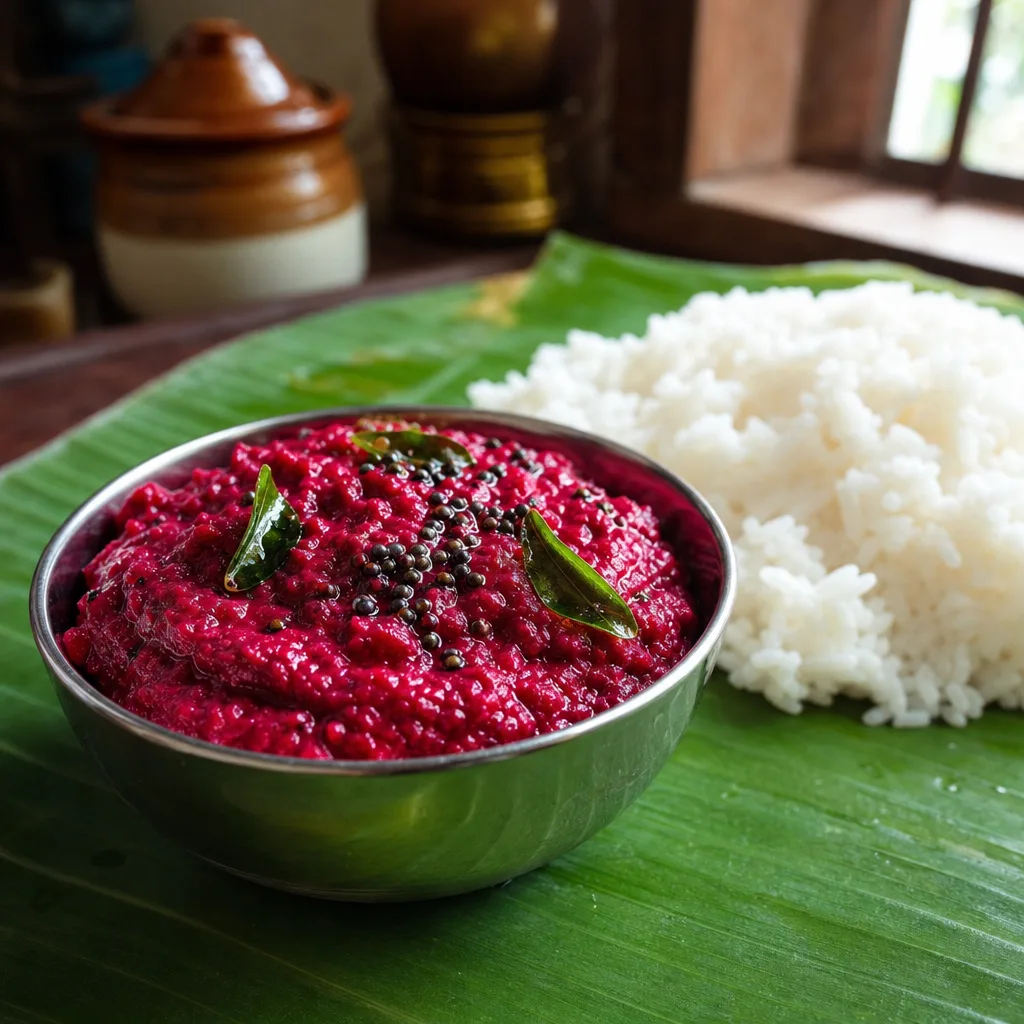
Beetroot pachadi is a standard fixture on the Kerala sadya leaf, sitting in its designated spot alongside the other pachadi and kichadi dishes. It is a cooked-coconut dish, not a raw relish: the beetroot is cooked until just tender, folded through a ground coconut-cumin-green chilli paste, and then stirred into beaten curd. The result is a deep magenta preparation, mildly sweet from the beetroot, gently sour from the curd, and rounded by coconut.
In most households the beetroot is grated rather than cubed, which means it cooks in minutes and holds a finer texture in the final dish. Some cooks add a small piece of green chilli to the coconut while grinding; others keep the heat entirely out and let the sweetness of the root dominate. Both approaches are genuine. The curd must be fresh and only slightly sour — old curd will make the pachadi sharp in a way that clashes with the beetroot's natural sweetness.
The tempering is done last, as with most Kerala kichadi and pachadi, and it goes on at the table or just before serving. Curry leaves and mustard in coconut oil are non-negotiable; dried red chilli is standard. The dish is served at room temperature, never hot, because hot curd breaks and looks grey.
Ingredients (serves 4)
For the beetroot
For the coconut paste
For the curd base
For the tempering
Method
Cook the beetroot
Put the grated beetroot, slit green chilli, salt, and 3 tablespoons of water into a small heavy pan. Cover and cook on medium-low heat for 8 to 10 minutes, stirring once halfway through. The beetroot is ready when it is just tender and the pan is nearly dry. Do not let it go mushy — it will cook a little more when the paste is added.
Grind the coconut paste
While the beetroot cooks, grind the fresh coconut, cumin seeds, and the optional green chilli together with 2 to 3 tablespoons of water to a smooth, fine paste. A wet grinder gives the smoothest result, but a mixer jar works well if you stop and scrape down the sides twice. The paste should have no gritty coconut shreds remaining.
Add the coconut paste to the beetroot
Reduce the heat to low. Add the coconut paste to the cooked beetroot and stir well to combine. Cook for 2 minutes, stirring constantly, until the raw smell of the coconut is gone and the mixture is fragrant. The colour will deepen to a vivid magenta. Remove from the heat and allow to cool to room temperature — this step is not optional.
Beat and add the curd
Whisk the curd in a bowl until it is completely smooth with no lumps. Once the beetroot-coconut mixture has cooled fully, fold in the whisked curd and stir gently until everything is evenly combined. Taste for salt. If the curd is stirred into a hot mixture, it will curdle and the pachadi will look split and watery.
Temper and finish
Heat the coconut oil in a very small pan over medium heat. Add the mustard seeds and wait until they splutter fully. Add the broken dried red chilli and curry leaves and let them crackle for 10 seconds. Pour the entire tempering immediately over the pachadi and fold it in gently. Serve at room temperature.
How to serve
Kerala sadya served on a banana leaf, alongside rice, sambar, rasam, avial, thoran, olan, and other kichadi dishes. Also eaten as a side dish with plain rice and dal in everyday meals.
Served with: Kerala sadya served on a banana leaf, alongside rice, sambar, rasam, avial, thoran, olan, and other kichadi dishes. Also eaten as a side dish with plain rice and dal in everyday meals.
Cook's tips
Grating versus cubing
Grating is the more common household method because it cooks faster and gives a finer texture that blends smoothly with the coconut paste. Cubed or finely diced beetroot is used by some cooks who prefer a chunkier pachadi, but it needs a few extra minutes of cooking and slightly more water.
Curd sourness
The curd should be fresh — set the same morning or the previous night at most. Overly sour curd makes the pachadi sharp and masks the sweetness of the beetroot. If your curd is very sour, reduce the quantity slightly and thin it with a tablespoon of fresh milk.
Cooling before adding curd
This is the step most often rushed. Even residual warmth in the beetroot mixture will cause the curd to separate. Spread the cooked mixture on a plate to cool it faster if you are in a hurry.
Colour
The pachadi will be a deep, vivid magenta. This is correct. If it looks pale pink, the beetroot was not cooked long enough or the ratio of coconut paste to beetroot is too high.
Storage
Best eaten the day it is made. Refrigerating overnight is possible but the colour leaches and the curd thins slightly. Do not reheat — serve cold or at room temperature straight from the fridge.
Regional variations
Tamil Nadu versions (raita-style, with yogurt but no coconut paste) exist in Brahmin and non-Brahmin households; Karnataka has a beetroot gojju that is more tamarind-forward.
Glossary
- Pachadi പച്ചടി
- A Kerala side dish made with a cooked vegetable folded through coconut paste and curd, finished with a mustard tempering. Distinct from the Tamil pachadi, which is often a raw relish.
- Kaduku കടുക്
- Mustard seeds. In Kerala cooking, always black mustard seeds, used whole in tempering.
- Jeerakam ജീരകം
- Cumin seeds. Ground into the coconut paste in pachadi and kichadi dishes to add a warm, slightly earthy note.
- Sadya സദ്യ
- The traditional Kerala feast served on a banana leaf, comprising rice and a set of vegetarian side dishes. Pachadi is one of the standard components.
- Kichadi കിച്ചടി
- A closely related category of Kerala curd-and-coconut dishes, typically made with cucumber, raw mango, or pineapple. Pachadi uses a cooked vegetable; kichadi may use raw or lightly cooked ingredients.
Two things decide whether this pachadi works: the curd must be fresh and the beetroot mixture must be completely cold before they meet. Get those two right and the dish takes care of itself.
More Vegetarian Gravies recipes
Avial
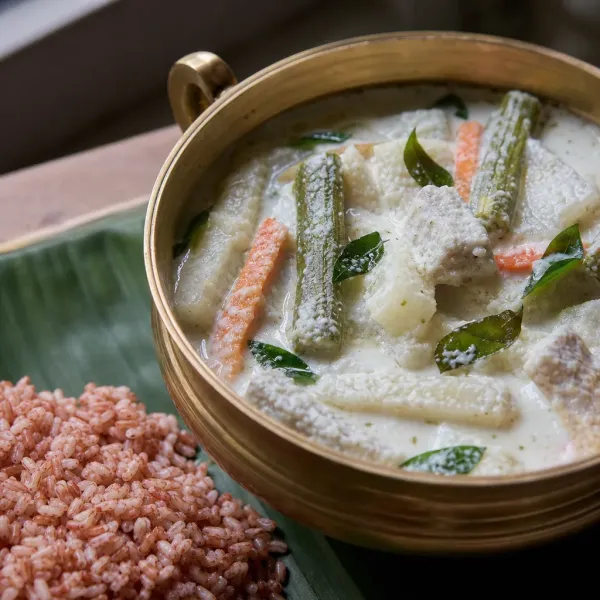
Classic Kerala avial with fresh coconut paste, sour yoghurt, and raw coconut oil. Traditional Travancore household method with exact quantities.
Puli Kuzhambu
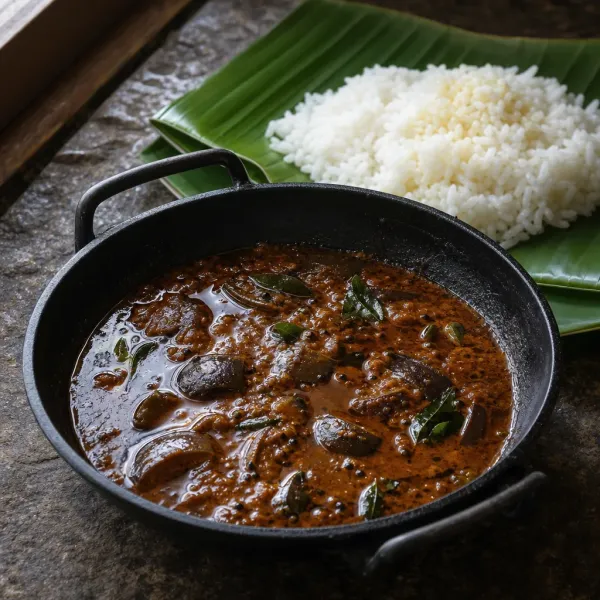
Traditional Tamil Brahmin puli kuzhambu with brinjal, freshly ground coconut-spice paste, and gingelly oil. Thick, sour, deeply spiced weekday rice d…
Vendhaya Kuzhambu
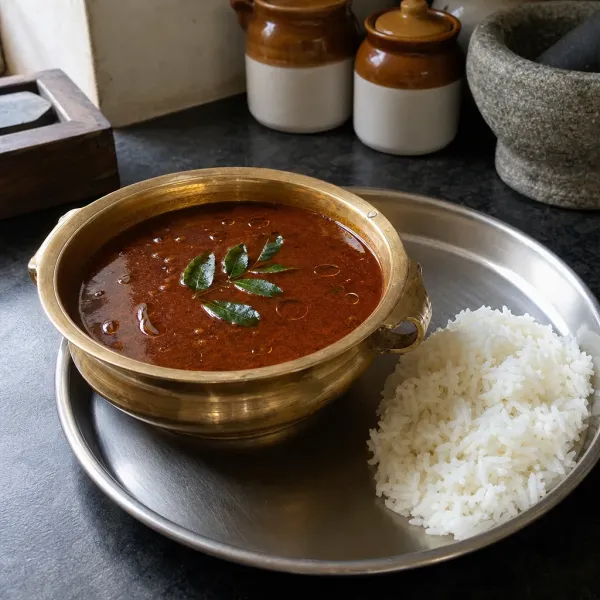
Traditional Tamil Brahmin vendhaya kuzhambu made with tamarind, roasted fenugreek paste, fresh coconut, and gingelly oil. A pourable rice kuzhambu.
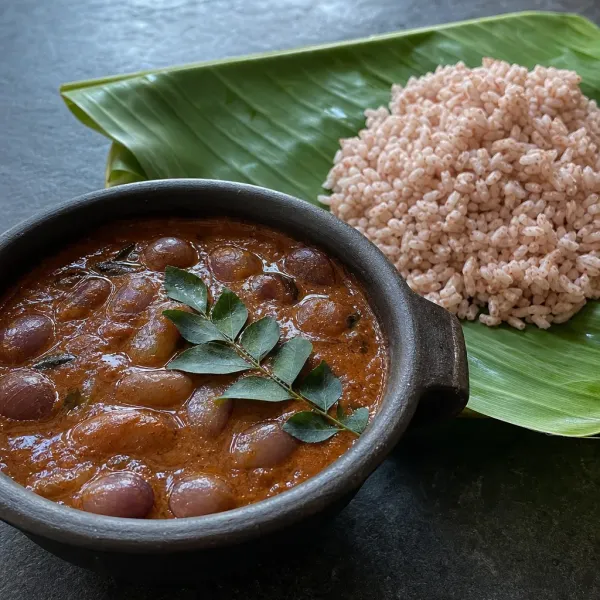
Theeyal
Traditional Kerala shallot theeyal with deep-roasted coconut, kudampuli, and fresh curry leaves. Step-by-step household method from Travancore kitche…
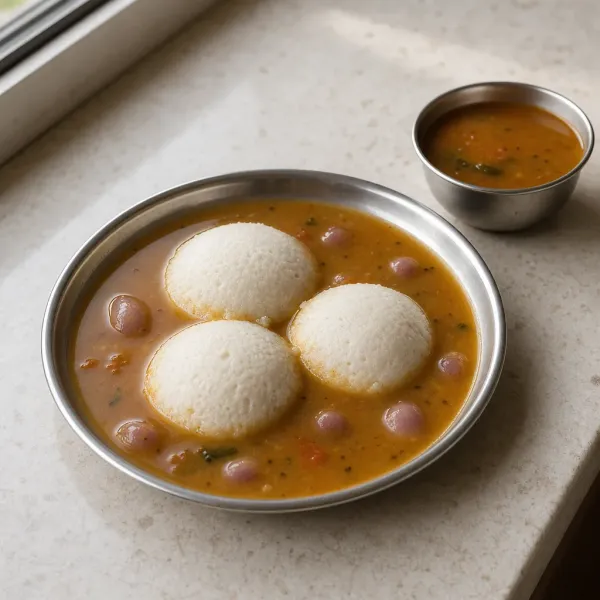
Tiffin Sambar
Thin, shallot-forward tiffin sambar from a Tamil Brahmin kitchen. Made fresh for idli and dosa, cooked with gingelly oil and tamarind. Traditional me…
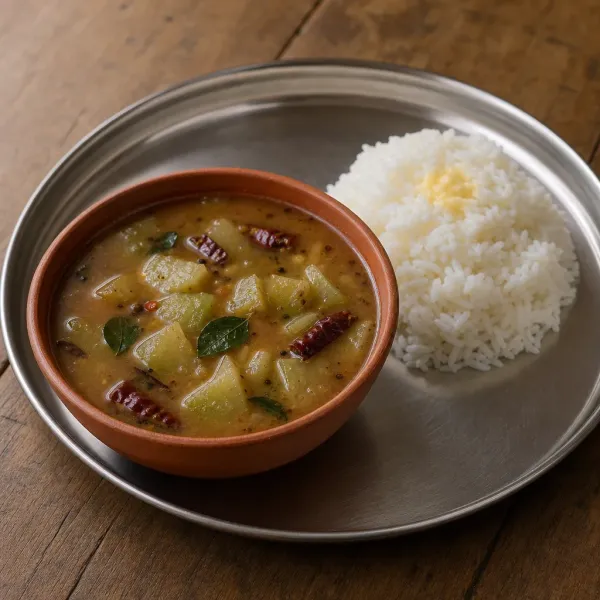
Sorakaya Pulusu
Traditional Coastal Andhra sorakaya pulusu: bottle gourd simmered in tamarind with gingelly oil tempering. Weekday rice dish, step-by-step recipe.