

Vendhaya Kuzhambu Recipe
Malayalam വെന്തയ കുഴമ്പ്Tamil வெந்தய குழம்புKannada ಮೆಂತ್ಯ ಕುಳಂಬುTelugu మెంతి కూర
- Prep20 min
- Cook40 min
- Serves4
- DifficultyMedium
- DietVegan
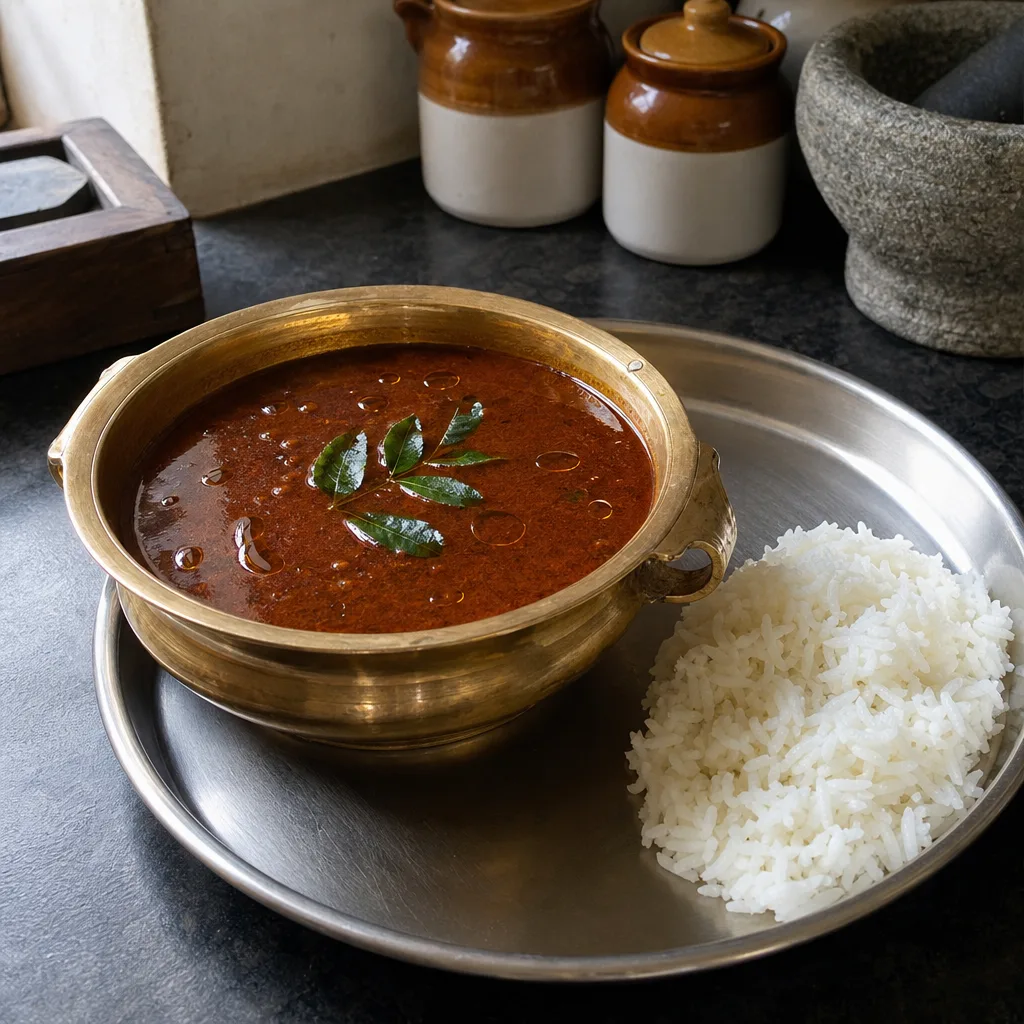
Vendhaya kuzhambu is a tamarind kuzhambu in which fenugreek seeds do two jobs: a small quantity is roasted and ground into the spice paste, and a few more seeds go into the tempering at the start. The dish is intentionally bitter at the edge, sour in the body, and rounded by the coconut and coriander in the paste. That bitterness is not a flaw. It is the point.
In Brahmin Tamil Nadu households, this is weekday food, cooked in gingelly oil and eaten with plain rice. It keeps well through the day and some families say it tastes better reheated at night than it did at lunch. The consistency should coat the back of a spoon without being thick like a gravy; it is a pourable kuzhambu, not a paste.
Every household adjusts the tamarind and the roasted fenugreek ratio to suit their tolerance for bitterness. The recipe here is a middle path: enough fenugreek to be present, not so much that it overwhelms. If your family finds bitterness unpleasant, reduce the fenugreek in the paste by half. If they welcome it, you can increase it slightly, but taste as you go.
Ingredients (serves 4)
For the tamarind base
For the spice paste
For the tempering
Method
Soak the tamarind
Break 40 g tamarind into a bowl and pour over 500 ml warm water. Leave it for 15 minutes. Squeeze and work the pulp with your fingers until the water is deeply coloured and all the soft flesh has dissolved. Strain through a sieve, pressing the fibres hard. Discard the fibres and seeds. You should have roughly 450 ml of tamarind water.
Dry-roast the spices for the paste
Set a small heavy pan over low heat with no oil. Add the fenugreek seeds first and stir constantly. They need about 3 to 4 minutes to turn a deep reddish-brown without burning. The moment they smell nutty and look dark, tip them onto a plate. In the same pan, roast the coriander seeds until fragrant, about 2 minutes, then the black pepper for 1 minute, then the dried red chillies for 30 seconds. Finally, add the curry leaves and stir for 30 seconds; they will crisp and darken. If any of these scorch, discard and start again. Burnt fenugreek turns the whole kuzhambu unpleasantly acrid.
Grind the spice paste
Put all the roasted spices, the roasted curry leaves, and the grated fresh coconut into a wet grinder or mixer jar. Add 4 to 5 tbsp of water and grind to a smooth, fine paste. The coconut should be completely broken down with no gritty texture remaining. Set aside.
Temper in gingelly oil
Heat 3 tbsp gingelly oil in a wide, heavy-bottomed kadai over medium heat. When the oil is hot and shimmering, add the mustard seeds. Wait for them to splutter and pop completely. Then add the fenugreek seeds for the tempering and stir for about 30 seconds until they turn golden; do not let them go dark brown at this stage. Add the broken dried red chillies and the curry sprig and stir for 20 seconds.
Fry the shallots
Add the halved shallots to the kadai and stir well to coat them in the oil. Cook over medium heat for 6 to 8 minutes, stirring often, until the shallots are soft and beginning to colour at the edges. Add the asafoetida and stir for 30 seconds.
Add the tamarind water
Pour in the strained tamarind water. Add the turmeric and salt. Raise the heat to medium-high and bring to a brisk simmer. Let it cook uncovered for 12 to 15 minutes, stirring occasionally. The raw tamarind smell will cook off and the liquid will reduce slightly and deepen in colour.
Stir in the spice paste
Reduce the heat to medium-low. Add the ground spice paste and stir it in thoroughly so there are no lumps. Rinse the grinder jar with 3 tbsp water and add that too. The kuzhambu will thicken noticeably as the coconut and spices absorb the tamarind liquid.
Simmer to finish
Keep the heat at medium-low and simmer uncovered for 10 to 12 minutes, stirring every couple of minutes to prevent the coconut paste from catching at the bottom. The kuzhambu is ready when it coats the back of a spoon and the oil begins to float in small pools on the surface. Taste and adjust salt. If it tastes flat, it needs more simmering, not more salt.
Rest before serving
Take the kadai off the heat and let the kuzhambu rest for 5 minutes before serving. The flavours settle and the bitterness from the fenugreek becomes more integrated rather than sharp. Serve hot.
How to serve
Steamed plain rice (raw rice or par-boiled rice). Often accompanied by a dry vegetable poriyal and papad. A small amount of ghee stirred into the rice at the table is common in Brahmin households, though the kuzhambu itself contains none.
Served with: Steamed plain rice (raw rice or par-boiled rice). Often accompanied by a dry vegetable poriyal and papad. A small amount of ghee stirred into the rice at the table is common in Brahmin households, though the kuzhambu itself contains none.
Cook's tips
Fenugreek roasting is the critical step
The seeds in the paste must be roasted to deep reddish-brown, not just golden. Under-roasted fenugreek stays raw-bitter in an unpleasant way. Over-roasted fenugreek turns the paste acrid and black. Stand over the pan and stir without stopping; they go from right to burnt in under a minute.
Gingelly oil cannot be replaced here
Coconut oil or refined oil will give you a different dish. The nuttiness of cold-pressed gingelly oil is part of the flavour of this kuzhambu. Use good-quality unrefined gingelly oil.
The kuzhambu keeps well
Stored in a clean vessel at room temperature, it keeps for a full day without refrigeration in a temperate kitchen. Refrigerated, it keeps for 3 days. Reheat gently over low heat with a splash of water if it has thickened.
Adjusting bitterness
The bitterness comes entirely from the fenugreek seeds. If you find the finished dish too bitter, reduce the paste fenugreek to ½ tsp next time. Do not try to mask it with jaggery; that changes the character of the dish entirely.
Fresh coconut matters
Desiccated coconut will not grind to the same smooth paste and the texture of the kuzhambu will be grainy. If fresh coconut is unavailable, frozen grated coconut thawed at room temperature is an acceptable household substitute.
Regional variations
Chettinad households make a sharper version with kalpasi and marathi mokku in the spice paste; Mudaliar kitchens sometimes add small shallots whole into the simmering kuzhambu.
Glossary
- Vendhayam வெந்தயம்
- Fenugreek seeds; the defining ingredient of this kuzhambu, used both in the paste and in the tempering.
- Kuzhambu குழம்பு
- A pourable, tamarind-based sauce or gravy, thinner than a curry, eaten with rice in Tamil Nadu.
- Nallennai நல்லெண்ணெய்
- Cold-pressed gingelly oil (sesame oil); the traditional cooking fat for Tamil Nadu kuzhambu and pickles.
- Chinna vengayam சின்ன வெங்காயம்
- Small red shallots; used in Tamil cooking in preference to large onions for their sharper, sweeter flavour.
- Perungayam பெருங்காயம்
- Asafoetida; used in small quantities in Brahmin Tamil cooking as a digestive and flavour base, often in place of onion and garlic in strictly vegetarian households.
Two things decide this kuzhambu. The first is how carefully you roast the fenugreek for the paste: deep reddish-brown gives you the right bitter-nutty backbone; anything lighter or darker takes the dish in the wrong direction. The second is the long simmer after the paste goes in, which is what allows the tamarind, coconut, and spices to stop tasting separate and start tasting like one thing.
More Vegetarian Gravies recipes
Puli Kuzhambu
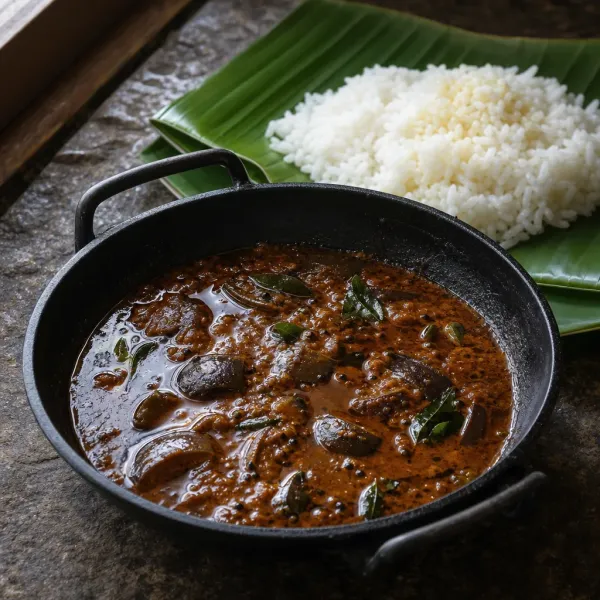
Traditional Tamil Brahmin puli kuzhambu with brinjal, freshly ground coconut-spice paste, and gingelly oil. Thick, sour, deeply spiced weekday rice d…
Beetroot Pachadi
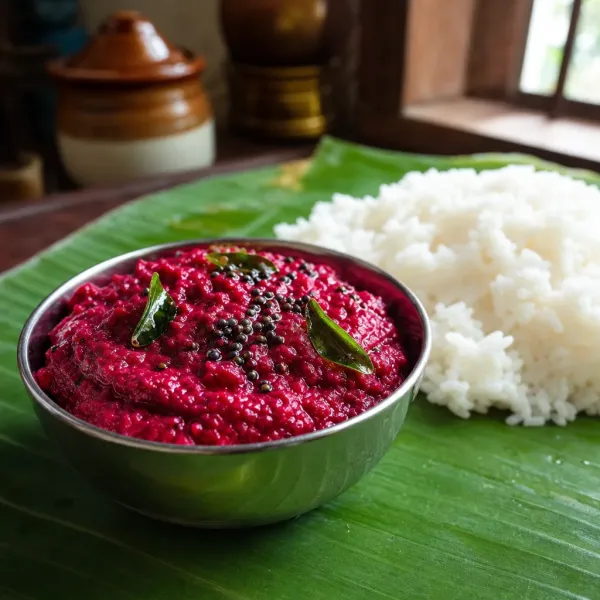
Traditional Kerala beetroot pachadi with fresh coconut paste and curd, finished with a mustard and curry leaf tempering. A sadya essential, step by s…
Avial
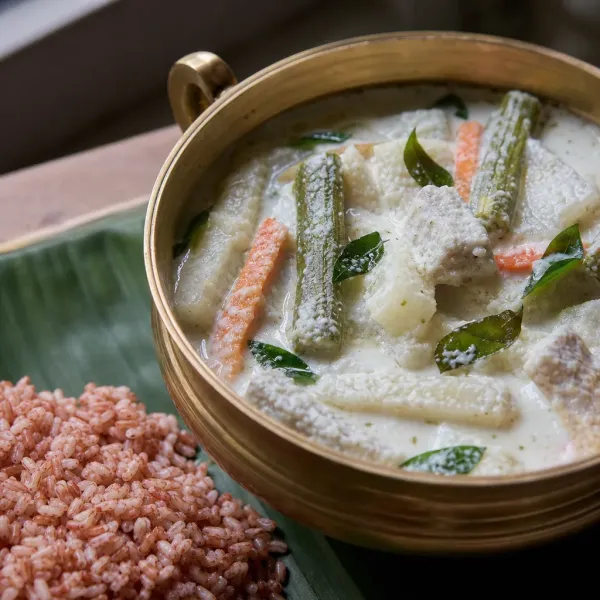
Classic Kerala avial with fresh coconut paste, sour yoghurt, and raw coconut oil. Traditional Travancore household method with exact quantities.
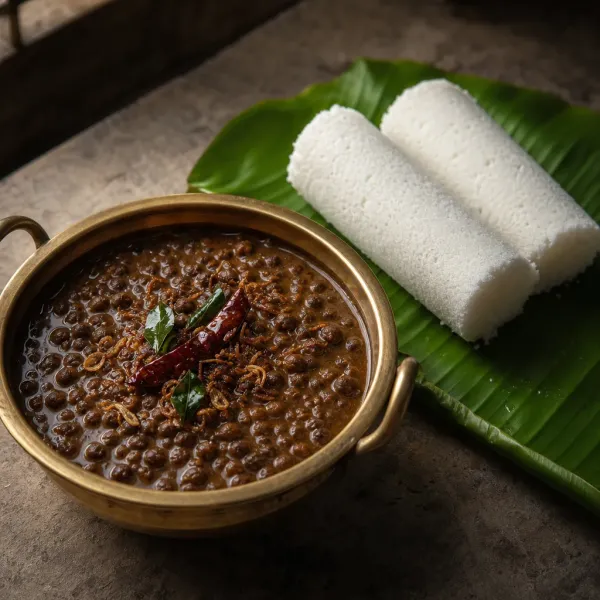
Kadala Curry
Authentic Kerala kadala curry with roasted coconut paste and shallots. The classic breakfast partner for puttu, made the traditional household way.
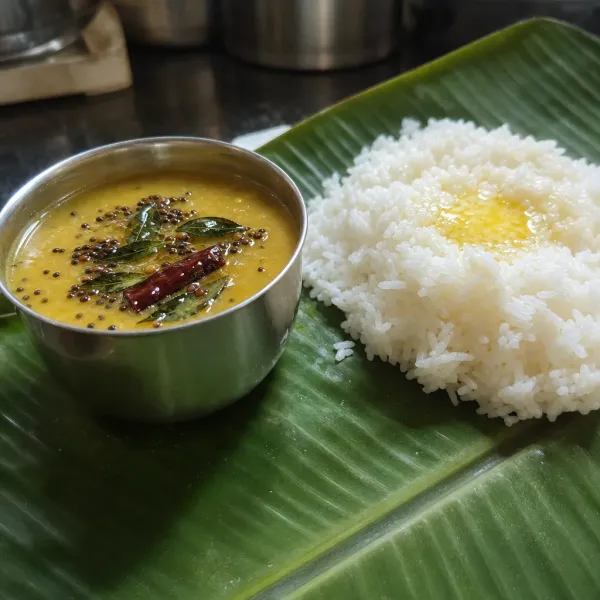
Tovve
Authentic Karnataka Brahmin tovve: mild toor dal with a ghee tempering of mustard, cumin, curry leaf and asafoetida. Ready in 35 minutes.
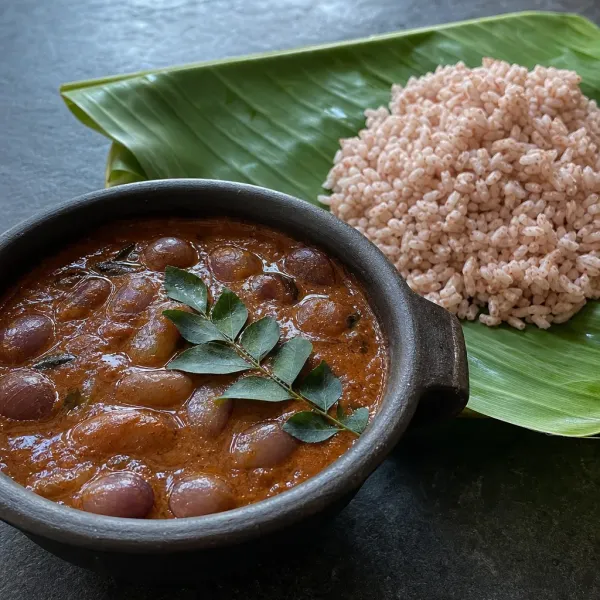
Theeyal
Traditional Kerala shallot theeyal with deep-roasted coconut, kudampuli, and fresh curry leaves. Step-by-step household method from Travancore kitche…