

Avarakkai Poriyal (Broad Beans Stir-Fry) Recipe
Malayalam അവരക്കായ് തോരൻTamil அவரைக்காய் பொரியல்Kannada ಅವರೆಕಾಯಿ ಪಲ್ಯTelugu అవరకాయ పొరియల్
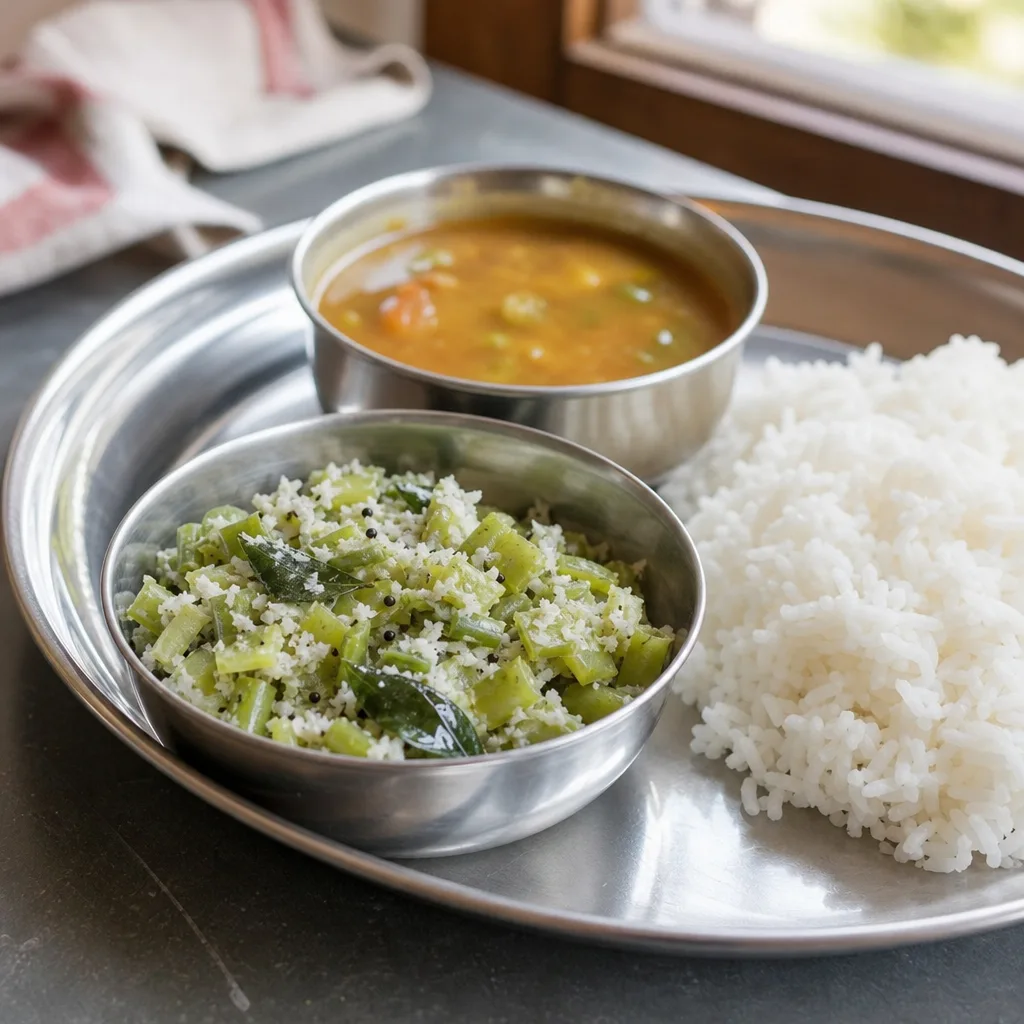
- Prep15 min
- Cook20 min
- Serves4
- DifficultyEasy
- DietVegan
Avarakkai poriyal is a weekday staple in Tamil Brahmin homes, made when broad beans are in season through the cooler months. The beans are sliced thin, cooked just until tender, and finished with freshly grated coconut. It is dry throughout — no sauce, no gravy — and the coconut goes in at the very end so it stays moist without turning greasy.
In Iyer households the tempering is always in gingelly oil, and the spicing is restrained: mustard, dried red chilli, curry leaves, and sometimes a pinch of asafoetida. There is no onion in the orthodox kitchen version, though households that do use shallots will add a small handful after the mustard splutters. Neither version is wrong; they simply belong to different households.
It is eaten as one of two or three vegetable dishes alongside sambar and rice, with a small helping of rasam to finish the meal. The poriyal itself is mild enough that it sits quietly next to sharper dishes without competing.
Ingredients (serves 4)
Main
Tempering
Method
Prepare the beans
Wash the beans well. Snap off both ends and pull away the string running along each side — it is tough and will not soften with cooking. Slice diagonally into pieces about 1 cm wide. You should have roughly 350 g of prepared beans after stringing.
Heat the oil and temper
Set a wide kadai or heavy pan over medium heat. Add the gingelly oil and let it warm for about 30 seconds — it should shimmer but not smoke. Add the mustard seeds and keep the lid close at hand; they will splutter within 20 to 30 seconds. Once they have mostly spluttered, add the urad dal.
Brown the dal and aromatics
Stir the urad dal constantly. It goes from pale to golden very quickly — about 30 to 40 seconds on medium heat. When it is a light golden colour, add the broken dried red chillies and curry leaves. The curry leaves will crackle and spit; stand back slightly. Stir for 10 seconds.
Add asafoetida and turmeric
Push the tempering to one side of the pan and add the asafoetida directly to the hot oil for 5 seconds — it should foam very briefly. Then add the turmeric and stir everything together. Do not let the turmeric sit on the hot pan longer than a few seconds or it will turn bitter.
Add the beans and salt
Tip in the sliced beans and salt. Stir to coat every piece with the turmeric and oil. The beans will look bright green at this point. Turn the heat to medium-low.
Cook the beans covered
Sprinkle 3 tablespoons of water over the beans, cover with a lid, and cook on medium-low heat for 10 to 12 minutes. Lift the lid and stir every 3 to 4 minutes. The beans are ready when they are tender but still hold their shape — a piece pressed between your fingers should give without being mushy. If water remains in the pan, remove the lid and cook on slightly higher heat for a minute until it evaporates. The finished poriyal must be dry.
Add the coconut and finish
Turn the heat to the lowest setting. Add the grated coconut and stir gently to combine. Cook for just 1 to 2 minutes, enough to warm the coconut through. Do not cook it longer or the coconut will dry out and lose its fresh flavour. Taste for salt, adjust, and take the pan off the heat.
How to serve
Steamed rice, sambar, and rasam. A small portion of pickle and papad alongside is common at a full meal.
Served with: Steamed rice, sambar, and rasam. A small portion of pickle and papad alongside is common at a full meal.
Cook's tips
Stringing is not optional
The fibrous string along both edges of each pod will remain tough no matter how long you cook the beans. Take the time to remove it from every piece before slicing.
Water quantity
Three tablespoons is enough for fresh tender beans. If the beans are older or larger, add one more tablespoon. The goal is steam-cooking, not boiling; too much water makes the poriyal wet and dull.
Gingelly oil substitution
In a Tamil Brahmin kitchen, gingelly oil is standard for this dish. Coconut oil will change the character noticeably. Refined sunflower oil is a common household shortcut but the nutty depth of gingelly is lost.
Coconut timing
Adding coconut too early is the most common mistake. It dries out, sticks to the pan, and loses its freshness. It goes in only after the beans are fully cooked and the pan is nearly off the heat.
Shallot variation
Households that use shallots add 6 to 8 small shallots, thinly sliced, immediately after the curry leaves. Cook them until soft and translucent before adding the beans. This is a genuine household variation, not a departure from tradition.
Regional variations
Karnataka households make a similar dish called avarekalu palya, often with cooked dried field beans and a coconut-jaggery finish; Kerala thoran uses more coconut and a different tempering order.
Glossary
- Avarakkai அவரைக்காய்
- Broad beans or val beans (Lablab purpureus); the flat, wide green pod used in South Indian cooking, not the large dried fava bean.
- Poriyal பொரியல்
- Tamil term for a dry vegetable stir-fry, typically finished with grated coconut; always served as a side dish with rice.
- Nalla ennai நல்லெண்ணெய்
- Gingelly oil, also called sesame oil; the cold-pressed untoasted variety used in Tamil cooking, lighter in colour and flavour than the toasted kind.
- Perungayam பெருங்காயம்
- Asafoetida; the dried resin used in very small quantities in Tamil Brahmin cooking, especially in dishes without onion or garlic.
- Kadai கடாய்
- A wide, round-bottomed iron or steel wok used throughout South Indian cooking for tempering and stir-frying.
Two things decide whether this poriyal works: the beans must be fully cooked but not waterlogged, and the coconut must go in at the very end over low heat. Get both of those right and the dish takes care of itself.
More Dry Vegetable Sides recipes
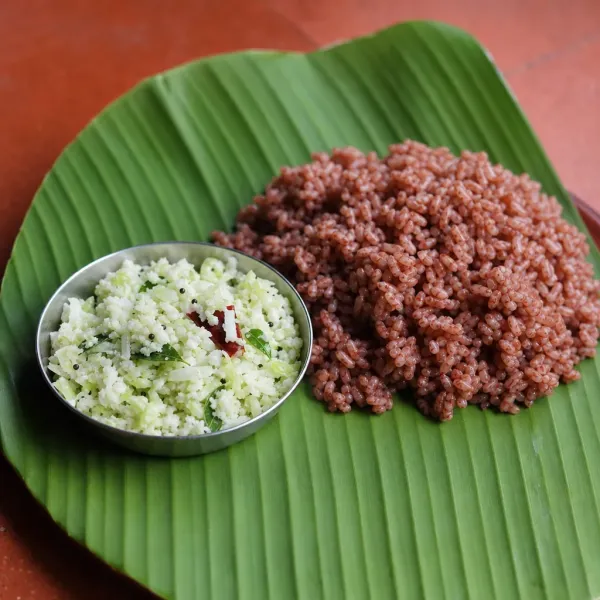
Cabbage Thoran
Classic Kerala cabbage thoran with fresh grated coconut, shallots, cumin, and a mustard-curry leaf tempering in coconut oil. Ready in under 30 minute…
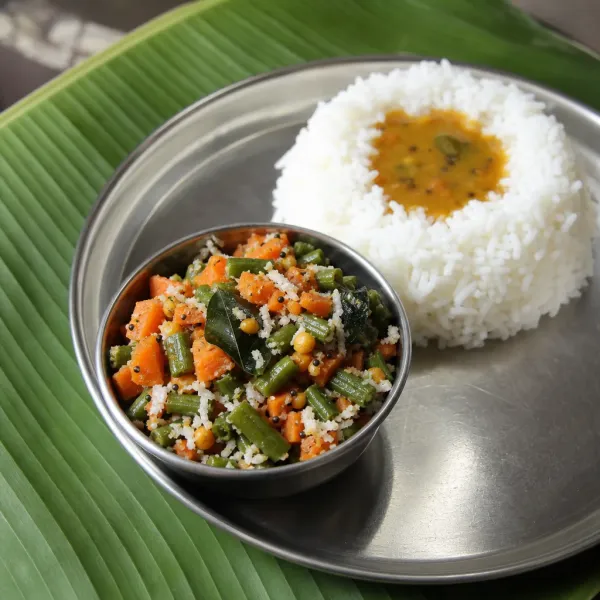
Carrot Beans Palya
Traditional Karnataka carrot beans palya with mustard seeds, curry leaves, chana dal, and fresh grated coconut. Dry stir-fry ready in 30 minutes.
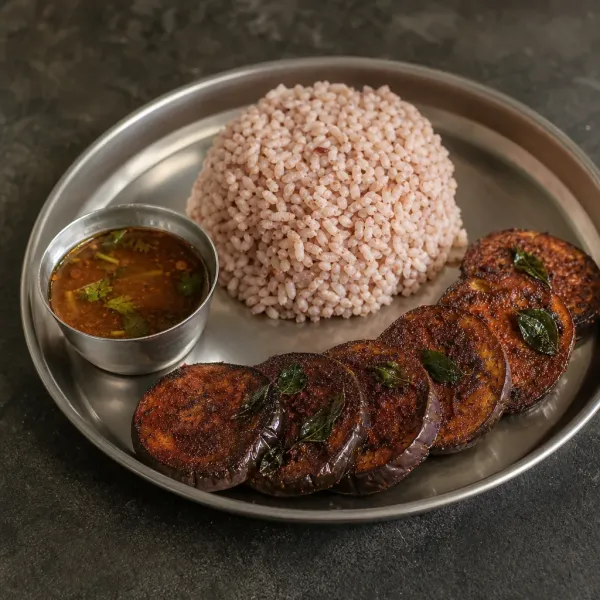
Kathirikai Varuval
Authentic Tamil kathirikai varuval: brinjal rounds shallow-fried in gingelly oil with a tamarind-spice coating. Traditional Kongunad household recipe.
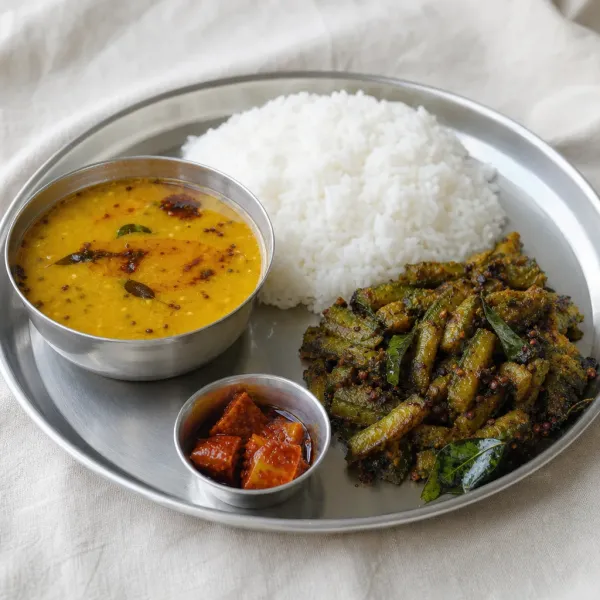
Beerakaya Vepudu (Andhra Ridge Gourd Stir-Fry)
Traditional Andhra Beerakaya Vepudu: a dry ridge gourd stir-fry cooked in gingelly oil with mustard, dried red chillies and curry leaves. Vegan and e…
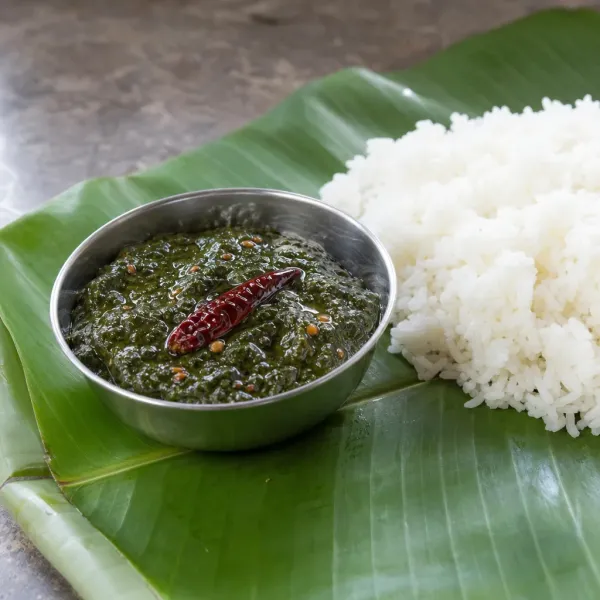
Keerai Masiyal
Traditional Tamil Brahmin keerai masiyal made with arai keerai, garlic, pepper and a gingelly oil tempering. Served hot on plain rice.
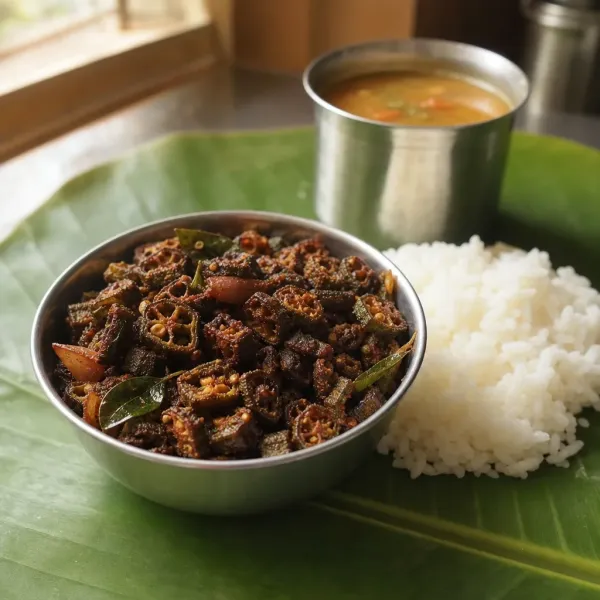
Vendakkai Fry
Traditional Tamil Brahmin vendakkai fry in gingelly oil with shallots, curry leaves and dry masala. Crisp, dry and slimy-free every time.