

Aval Upma Recipe
Malayalam അവൽ ഉപ്മTamil அவல் உப்மாKannada ಅವಲಕ್ಕಿ ಉಪ್ಮಾTelugu అవల్ ఉప్మా
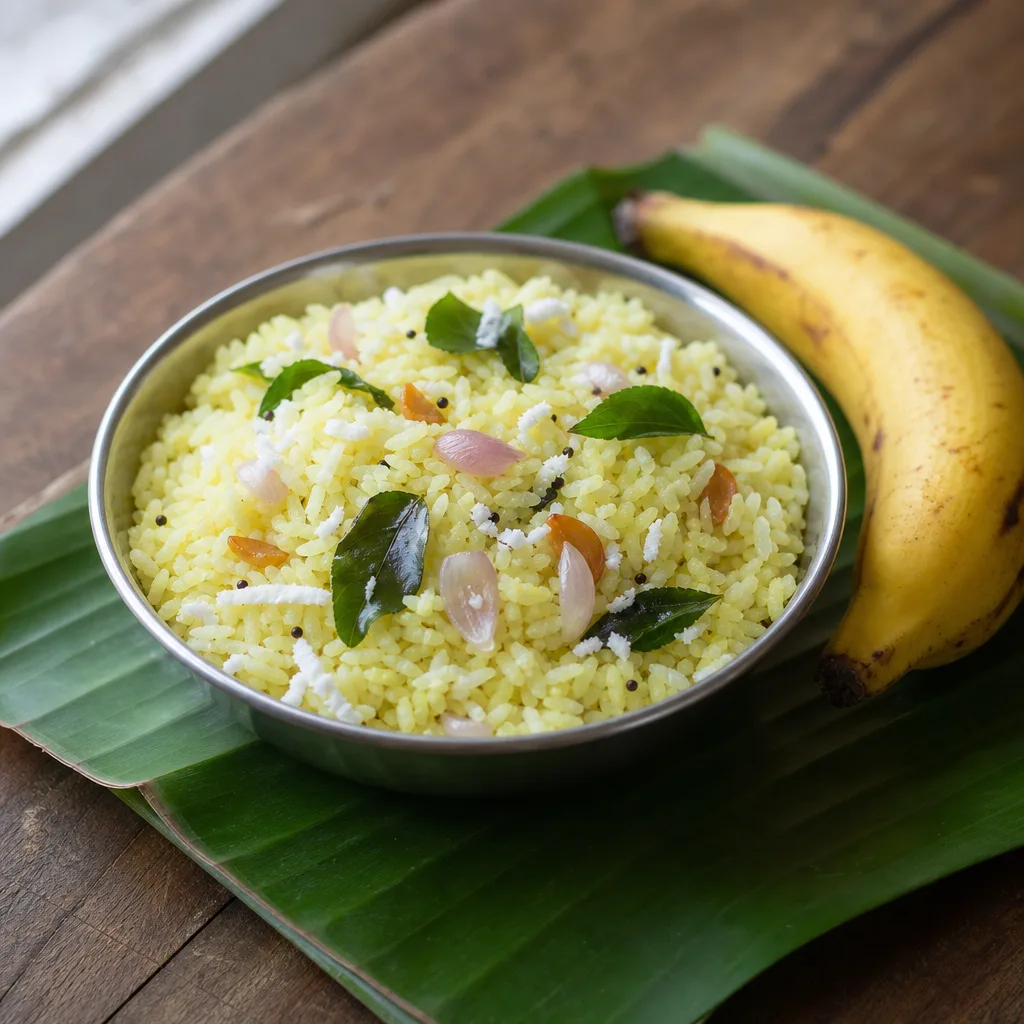
- Prep15 min
- Cook15 min
- Serves3
- DifficultyEasy
- DietVegetarian
Aval upma is a quick morning or evening dish made from thin or medium flattened rice. In Kerala homes it is eaten for breakfast or as a four o'clock snack, and it comes together in under half an hour. The flattened rice is rinsed briefly rather than soaked long, which keeps it from turning mushy. Fresh grated coconut stirred in at the end is what gives it a distinctly Keralite character.
Most households use the thin variety of aval for this dish because it softens the moment it meets moisture. Some cooks in central Kerala prefer the medium variety, which holds its shape a little better and gives a slightly chewier result. The tempering is done in coconut oil, and the proportion of shallots is generous enough that you taste them in every mouthful.
This is honest pantry food. The dish should be light and a little moist but not wet, with each grain of flattened rice separate. If it sits too long after cooking it tightens, so it is best eaten straight from the pan.
Ingredients (serves 3)
For the aval
For the tempering
Method
Rinse the aval
Put the aval in a wide sieve and hold it under cold running water for about 10 seconds, turning it with your hand. Shake the sieve well and set it aside. The aval should be just damp, not sitting in water. If it clumps together it is too wet; spread it out and let any excess moisture drain off for a few minutes.
Season with turmeric and salt
Transfer the drained aval to a bowl. Add the turmeric powder and salt and toss gently with your fingers until every flake is lightly coated. Set this aside while you prepare the tempering. Seasoning the aval before it goes into the pan means the flavour is even throughout.
Heat the oil and splutter the mustard
Place a wide heavy pan or cheenachatti over medium heat and add the coconut oil. When the oil is hot and shimmering, add the mustard seeds. Wait for them to splutter and pop fully before moving to the next step; if you add the shallots too early the mustard will not have released its flavour.
Add the dried chillies and curry leaves
Drop in the broken dried red chillies and curry leaves together. They will crackle loudly in the hot oil. Stir once and let them fry for about 20 seconds until the chillies darken slightly and the curry leaves crisp up. Stand back a little when the leaves go in.
Fry the shallots and green chillies
Add the sliced shallots and slit green chillies. Reduce the heat to medium-low. Cook, stirring often, for 6 to 8 minutes until the shallots turn soft, translucent and beginning to colour at the edges. Do not rush this; undercooked shallots taste sharp and raw in the finished dish.
Add the aval and fold together
Add the seasoned aval to the pan all at once. Using a wide spatula or a large spoon, fold everything together gently. Do not stir hard or the thin aval will break into powder. Keep the heat on low. The aval will warm through and absorb the oil and shallot flavours in about 2 minutes.
Check the texture
Press a small amount between your fingers. It should feel soft and just slightly moist, not gummy or wet. If the aval still feels dry or stiff, sprinkle 1 to 2 tablespoons of water over the surface, cover the pan with a lid, and leave on the lowest heat for one minute. Uncover and fold once more.
Stir in the fresh coconut and finish
Add the freshly grated coconut and fold it through evenly. Take the pan off the heat immediately after; the coconut needs only the residual warmth of the dish. Taste for salt and adjust. Serve at once.
How to serve
Ripe banana (particularly nendran or robusta), a cup of black tea or milky tea. Some households serve it with a small bowl of sweetened coconut milk or papadam on the side.
Served with: Ripe banana (particularly nendran or robusta), a cup of black tea or milky tea. Some households serve it with a small bowl of sweetened coconut milk or papadam on the side.
Cook's tips
Thin versus medium aval
Thin aval (mitha aval) softens the moment it is rinsed and is the most common choice for upma in Kerala. Medium aval can be used but needs 2 to 3 minutes of resting after rinsing to soften fully before it goes into the pan. Thick aval is not suitable here.
Do not soak
Soaking thin aval even for five minutes turns it to paste. A quick rinse and drain is all it needs. If your aval feels completely dry and hard after rinsing, rest it covered for two minutes, but no longer.
The coconut must be fresh
Desiccated or frozen coconut changes the character of the dish noticeably. Fresh grated coconut stirred in off the heat stays moist and slightly sweet. If you cannot get fresh coconut, omit it rather than substitute.
It does not keep well
Aval upma stiffens as it cools and does not reheat well. Make only what you will eat immediately. If you must reheat, sprinkle a few drops of water, cover, and warm on the lowest flame for a minute.
Regional variations
Karnataka has its own avlakki oggarane made with thick poha, grated coconut, and a heavier tempering of peanuts and curry leaves in gingelly oil; Tamil Nadu makes a version called aval upma with similar spicing but without fresh coconut.
Glossary
- Aval അവൽ
- Flattened or beaten rice, made by parboiling paddy and rolling it flat; the Kerala word for poha.
- Kunjulli കുഞ്ഞുള്ളി
- Small red shallots native to Kerala, sharper and more fragrant than large onions.
- Cheenachatti ചീനച്ചട്ടി
- A wide, shallow wok-like vessel used in Kerala kitchens, traditionally made of cast iron or aluminium.
- Nendran നേന്ത്രൻ
- A large, starchy variety of banana widely grown in Kerala, eaten ripe or cooked.
Two things decide whether this works: rinsing the aval correctly so it is damp but not wet, and cooking the shallots long enough that they are fully soft before the aval goes in. Get those two right and the dish takes care of itself.
More Breakfast & Tiffin recipes
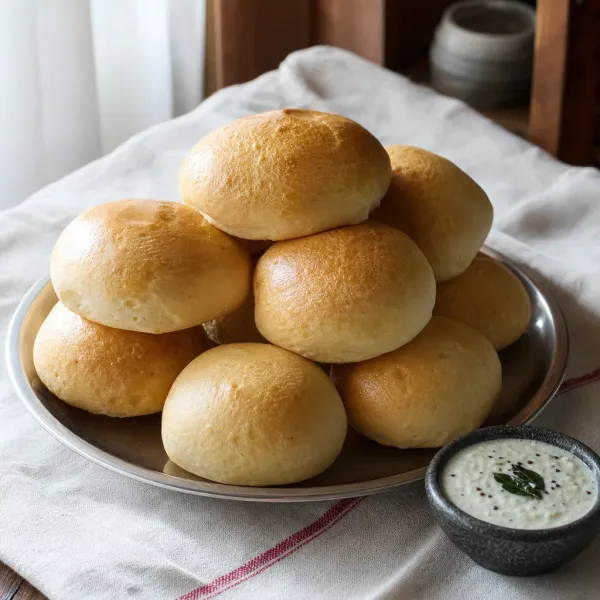
Mangalore Buns
Traditional Mangalore Buns from Konkani Catholic kitchens: ripe banana and curd dough rested overnight, rolled thick and fried until soft and golden.
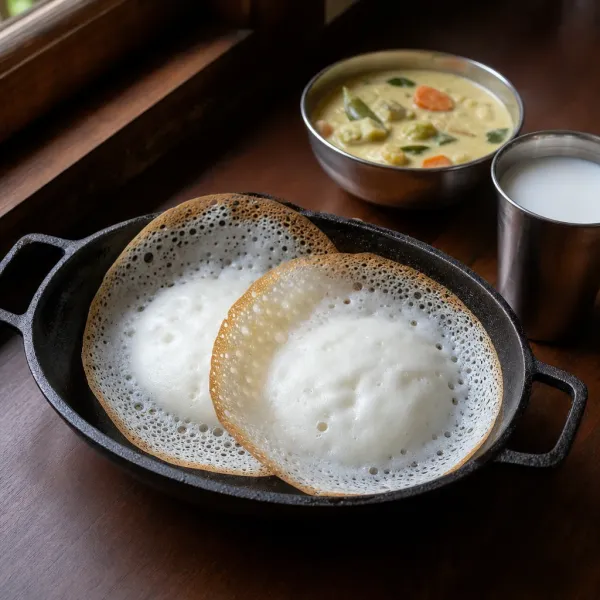
Appam
Traditional Kerala appam with toddy or yeast fermentation, ground fresh coconut, and cooked rice for a soft centre and lacy browned rim. Nasrani hous…
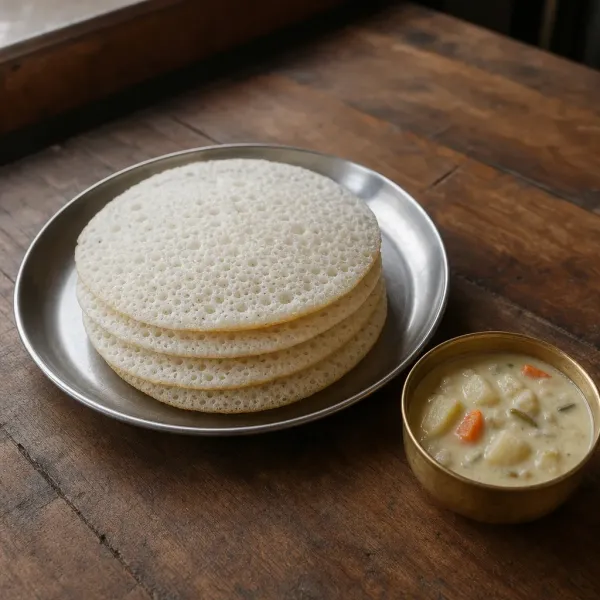
Kallappam
Traditional Kerala Nasrani kallappam made with fresh toddy and ground raw rice. Soft, spongy, overnight-fermented pancakes from the Syrian Christian…
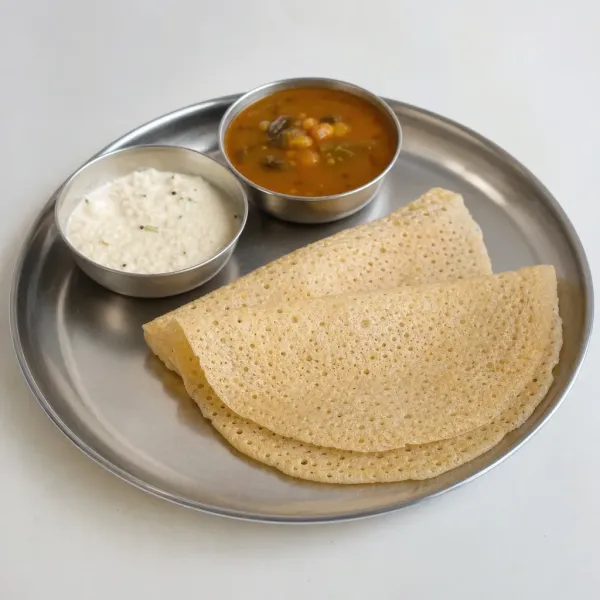
Godhuma Dosa
Quick Tamil Nadu-style godhuma dosa made with wheat flour and rice flour, no fermentation needed. Ready in under an hour, soft and lacy.
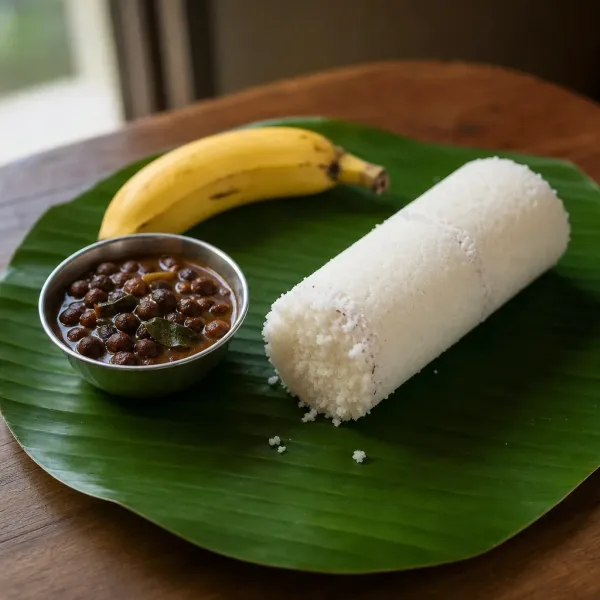
Kerala Puttu
Traditional Kerala puttu made with rice flour and fresh coconut, steamed in a puttu kutti. Step-by-step method with the correct flour texture explain…
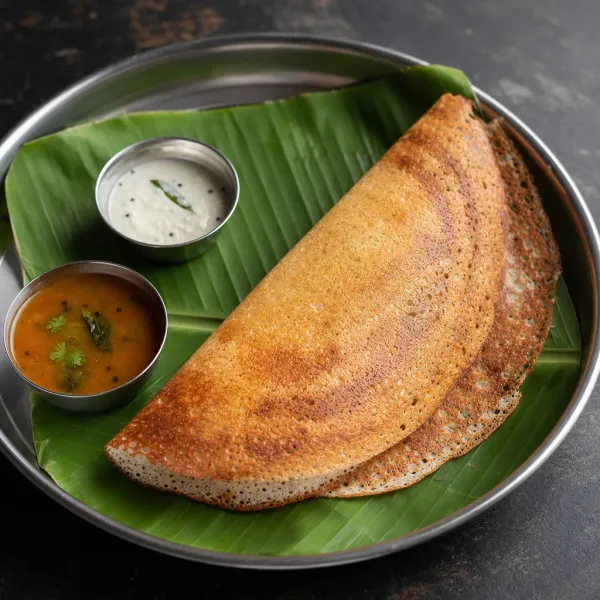
Plain Dosa
Traditional Tamil Iyer plain dosa: fermented rice and urad dal batter, spread thin on a cast-iron tawa with gingelly oil. Crisp, golden, and sour.