

Pazham Pradhaman Recipe
Malayalam പഴം പ്രഥമൻTamil பழம் பிரதமன்Kannada ಪಳಂ ಪ್ರಥಮನ್Telugu పళం ప్రథమన్
- Prep15 min
- Cook55 min
- Serves6
- DifficultyMedium
- DietVegetarian
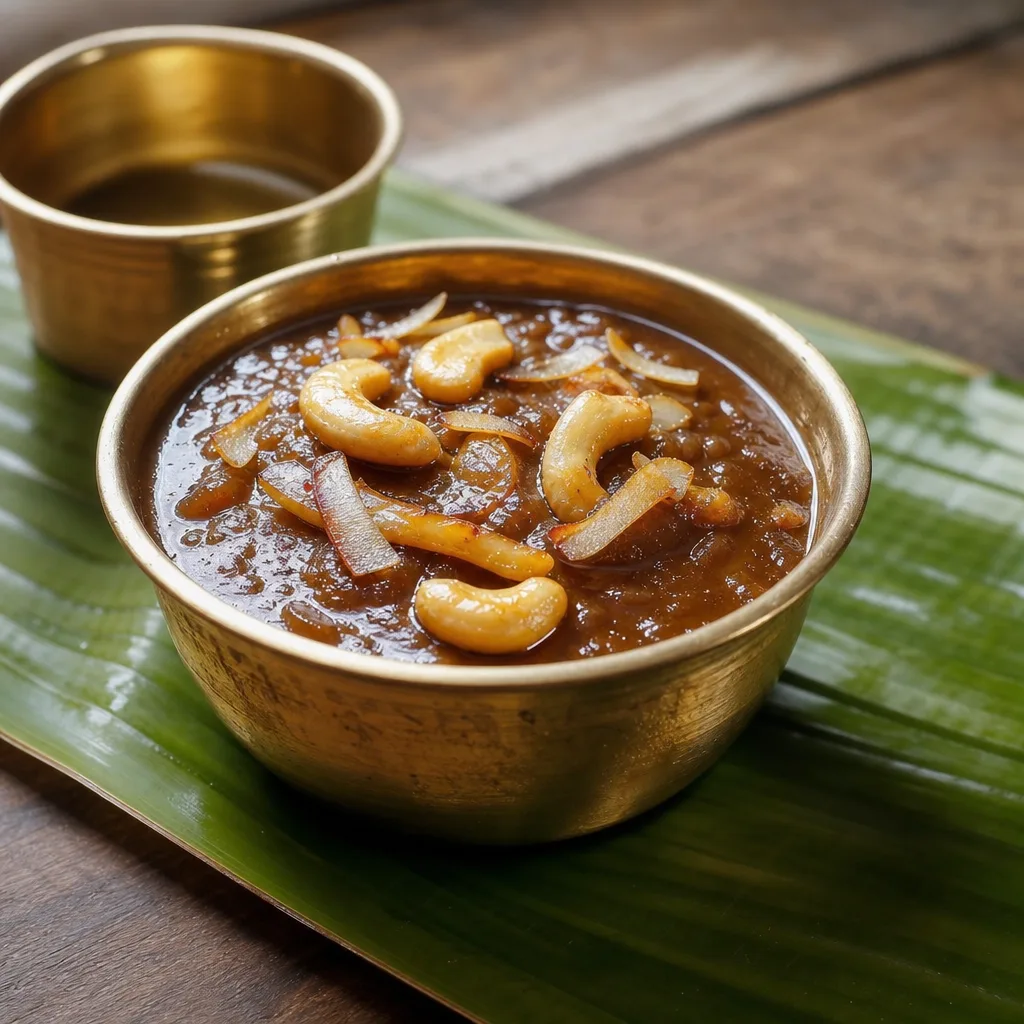
Pazham pradhaman is a Kerala payasam made from ripe nendran banana cooked down with jaggery and thin coconut milk, finished with thick coconut milk and tempered with ghee-fried coconut slivers and cashews. It belongs to the sadya, the grand feast served on banana leaf at Onam, Vishu, and weddings, where it appears as one of the two or three pradhamans that close the meal. It is also made at home for Thiruvathira and for any occasion when a bunch of nendran has ripened fully on the stem.
The colour of a good pazham pradhaman is a warm, deep amber-brown, not orange, not pale yellow. That colour comes from the jaggery and from the banana cooking slowly in it. Thin coconut milk goes in early and simmers with the banana and jaggery until the whole thing thickens and darkens. Thick coconut milk is added only at the very end, off the heat or on the lowest possible flame, because boiling it breaks the fat and makes the pradhaman greasy and grainy.
Households differ mainly in how they prepare the banana. Some steam the whole unpeeled nendran first, then peel and mash it. Others roast the peeled, sliced banana in a little ghee before adding jaggery, which deepens the flavour further. The version below follows the more common Travancore household method: the banana is cooked directly in the jaggery syrup without pre-steaming or pre-roasting, which gives a cleaner, more direct banana flavour.
Ingredients (serves 6)
For the pradhaman
For the tempering
Method
Extract the coconut milk
Grate 1 large mature coconut. Add 300 ml warm water and squeeze firmly through a cloth or fine strainer to get the thick first milk; set this aside. Add another 700 ml warm water to the same gratings, squeeze again, and collect this thinner second milk separately. Keep both covered. Fresh milk is essential here; the fat in the thick milk is what gives the pradhaman its body.
Melt and clarify the jaggery
Put the grated jaggery and 100 ml water in a small heavy pan over medium heat. Stir until fully dissolved, then let it boil for 2 minutes. Strain through a fine strainer into a bowl to remove any grit or impurities. This step matters because gritty jaggery will give the pradhaman a sandy texture.
Prepare the banana
Slice the peeled nendran into rounds about 1 cm thick, then roughly mash them with your hands or a fork. You want a coarse mash, not a smooth purée; small lumps are fine and will dissolve as the pradhaman cooks. A fully ripe banana will mash easily without effort.
Cook banana in jaggery syrup
Pour the strained jaggery syrup into a wide, heavy-bottomed uruli or thick-based pan over medium heat. Add the mashed banana and stir well to combine. Cook on medium heat, stirring frequently, for about 10 minutes until the banana breaks down completely into the syrup and the mixture thickens and begins to pull away from the sides of the pan. The colour will deepen to a dark reddish-brown.
Add thin coconut milk and simmer
Pour in the thin coconut milk, stir well, and bring to a gentle simmer over medium-low heat. Cook uncovered, stirring every few minutes, for 20 to 25 minutes. The pradhaman should reduce and thicken to a consistency that coats the back of a spoon. Do not rush this on high heat; a fast boil makes it taste raw and can cause the jaggery to crystallise.
Add the spice powders
Stir in the cardamom powder, dry ginger powder, and cumin powder. Mix well and cook for 2 more minutes. Taste at this point; the sweetness should be full but not cloying, and the banana flavour should be distinct. Remove from heat.
Stir in the thick coconut milk
With the pan off the heat, pour in the thick coconut milk slowly, stirring as you go. Return the pan to the lowest possible flame for no more than 1 to 2 minutes, just enough to warm through, stirring continuously. Do not let it boil. Boiling thick coconut milk causes the fat to separate and the pradhaman becomes oily on top and grainy underneath.
Fry the garnish in ghee
In a small pan, heat the ghee over medium heat. Add the coconut slivers and fry, stirring, until golden. Add the cashews and fry until they colour lightly. Add raisins if using and fry for 30 seconds until they puff. Pour the entire contents of the pan, ghee and all, over the pradhaman and stir gently.
Rest and serve
Let the pradhaman sit for 5 minutes before serving. It thickens further as it cools. Serve warm or at room temperature, never ice-cold, in small steel or brass cups or ladled directly onto the banana leaf as part of a sadya.
How to serve
Served as part of the Kerala sadya on banana leaf, typically after rice and curries. At home it is sometimes eaten on its own as a sweet at the end of a meal. No additional accompaniment is needed or traditional.
Served with: Served as part of the Kerala sadya on banana leaf, typically after rice and curries. At home it is sometimes eaten on its own as a sweet at the end of a meal. No additional accompaniment is needed or traditional.
Cook's tips
Choosing the banana
The nendran must be fully ripe, not just yellow. An under-ripe nendran has starch that does not break down properly and will leave the pradhaman with a raw, slightly bitter edge. If your bananas are not ripe enough, leave them at room temperature for another day or two.
Jaggery quantity
300 g gives a moderately sweet pradhaman. Ripe nendran is already sweet, so taste the banana before you start and reduce jaggery slightly if it is very sweet. Dark, unrefined Kerala sharkkara is not interchangeable with pale jaggery; it gives the characteristic deep colour and slightly smoky sweetness.
The thick coconut milk rule
This is the step most often mishandled. If the pradhaman boils after the thick milk goes in, the fat splits visibly and floats in yellow pools. There is no recovery from this. Take the pan fully off the flame, add the thick milk, then return to the lowest heat briefly only to warm it through.
Consistency
Pazham pradhaman thickens considerably as it cools. If it seems a little thin when hot, trust the process. If you cook it until it looks right when hot, it will be too thick when it reaches the table. Aim for a consistency slightly looser than you want in the finished dish.
Storing leftovers
It keeps refrigerated for 2 days. Reheat gently over very low heat with a splash of water, stirring constantly; do not microwave on high as the coconut fat splits easily. The flavour is actually better the next day.
Regional variations
Chakka pradhaman uses jackfruit; ada pradhaman uses rice ada instead of banana; some households add a small measure of cooked ada to pazham pradhaman for body.
Glossary
- Nendrapazham നേന്ത്രപ്പഴം
- The large, starchy Kerala cooking banana; when fully ripe it is sweet and fragrant and used in desserts and snacks.
- Pradhaman പ്രഥമൻ
- A class of Kerala payasam made with jaggery and coconut milk rather than sugar and cow's milk; always part of the sadya.
- Sharkkara ശർക്കര
- Unrefined dark jaggery made from coconut palm or cane; the standard sweetener in Kerala traditional sweets.
- Chukku ചുക്ക്
- Dry ginger powder; used in small quantities in several Kerala sweets and payasam to aid digestion and add warmth.
- Uruli ഉരുളി
- A wide, shallow, thick-walled brass or bell-metal cooking vessel traditional in Kerala kitchens; ideal for payasam because it distributes heat evenly.
- Sadya സദ്യ
- The elaborate Kerala feast served on banana leaf at festivals and celebrations; pradhaman is always its sweet finale.
Two things decide whether this pradhaman works: the ripeness of the nendran and the handling of the thick coconut milk. A fully ripe banana cooks down into the jaggery syrup and gives that deep amber colour and rounded sweetness; an under-ripe one fights you the whole way. And if the thick milk goes in over a high flame, the fat splits and no amount of stirring brings it back. Get those two things right and the rest of the recipe takes care of itself.
More Sweets & Payasam recipes
Pori Urundai
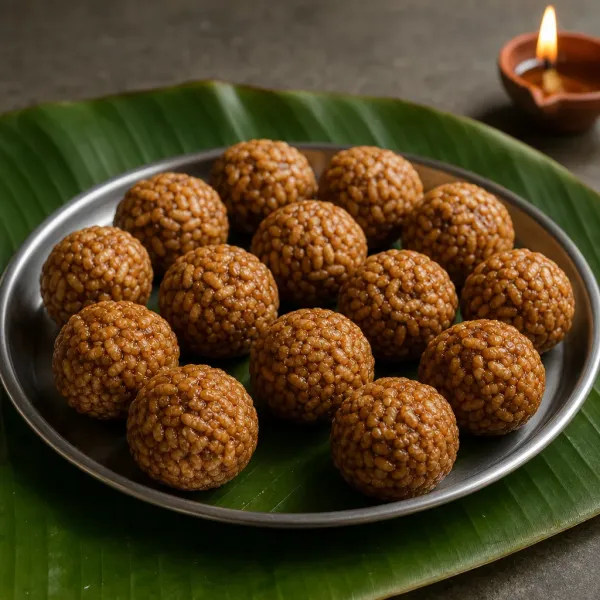
Traditional Tamil pori urundai made with puffed rice and dark jaggery syrup. Step-by-step method with soft-ball stage syrup test. A Karthigai Deepam…
Aval Payasam
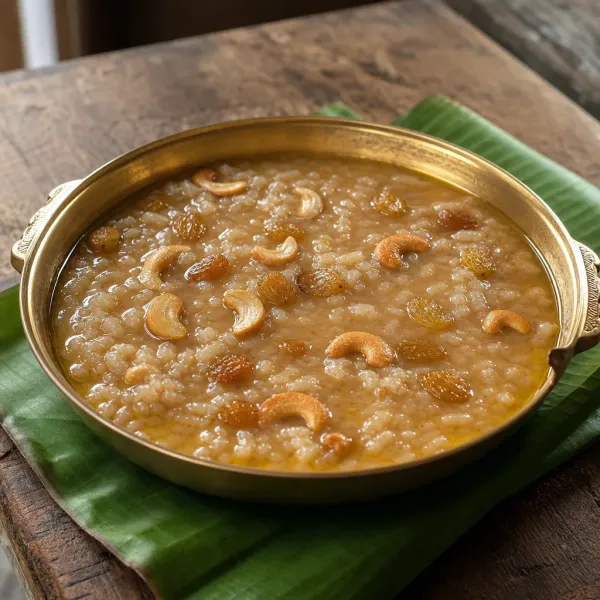
Traditional Kerala aval payasam made with thick beaten rice, full-fat milk, jaggery and ghee-fried cashews. A classic sadya sweet, ready in 40 minute…
Parippu Pradhaman (Moong Dal Payasam)
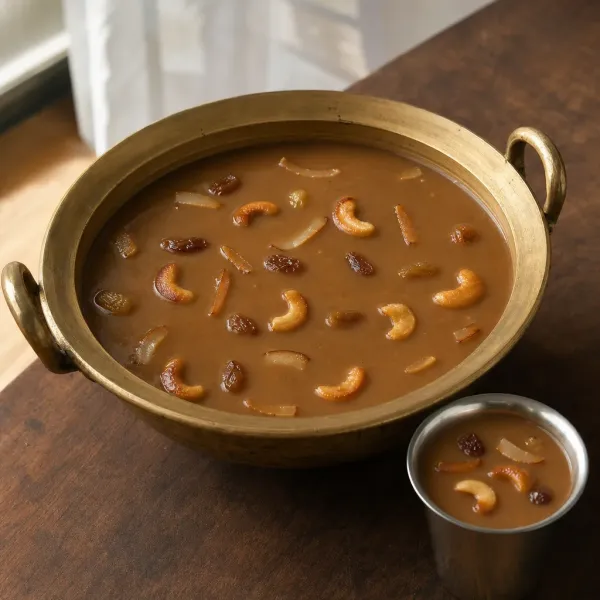
Traditional Kerala sadya pradhaman made with roasted moong dal, dark jaggery and fresh coconut milk. Step-by-step household recipe with cook's notes.
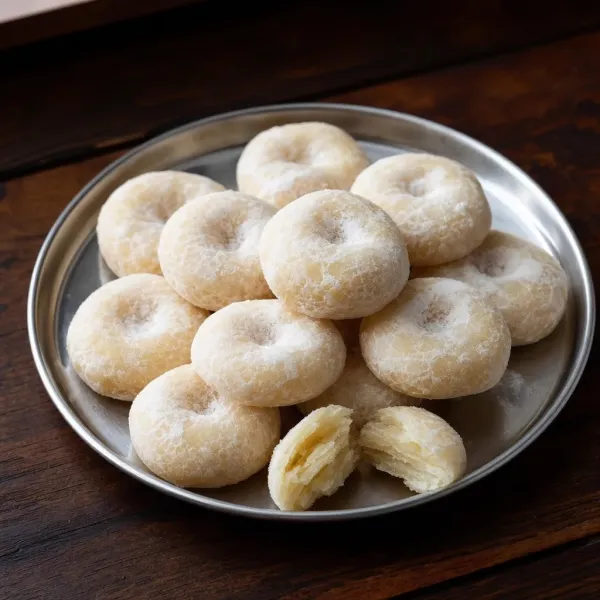
Badusha
Traditional badusha recipe: flaky maida dough fried low and slow, soaked in one-string sugar syrup. Step-by-step method with tips for the perfect gla…
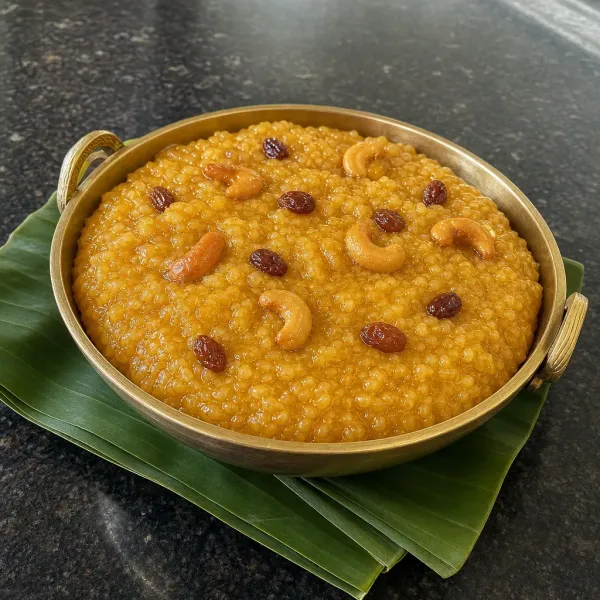
Sakkarai Pongal
Authentic Tamil Brahmin sakkarai pongal with jaggery, ghee and cardamom. Temple-style method with roasted moong dal and strained jaggery syrup.
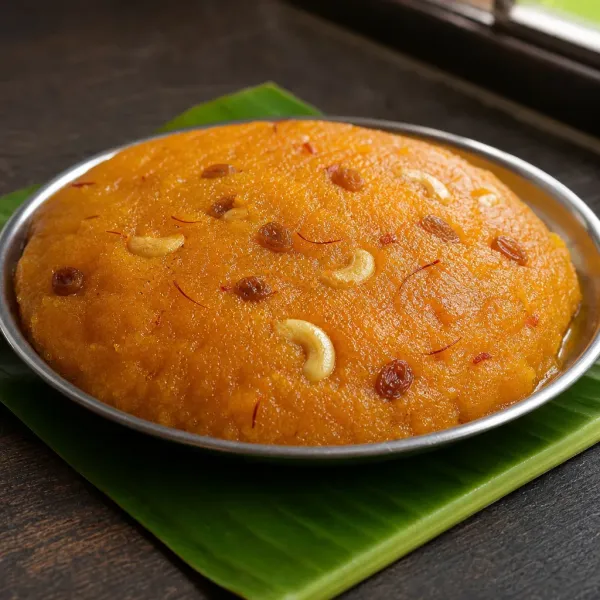
Rava Kesari
Classic Tamil Brahmin rava kesari made with semolina, saffron, and ghee. Soft, glossy, and cooked the traditional way with the correct water ratio.