

Maddur Vade Recipe
Malayalam മദ്ദൂർ വഡെTamil மத்தூர் வடைKannada ಮದ್ದೂರು ವಡೆTelugu మద్దూర్ వడె
- Prep20 min
- Cook40 min
- Serves4
- DifficultyMedium
- DietVegetarian
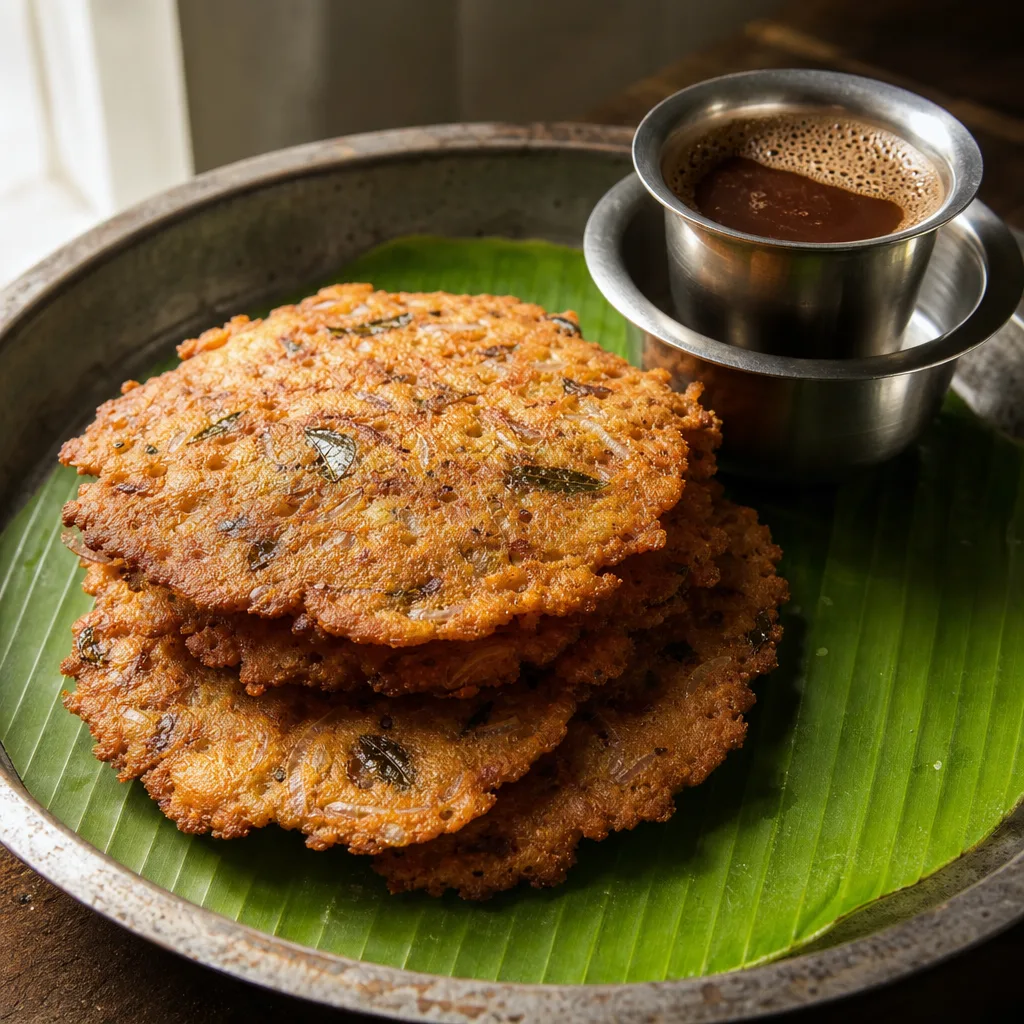
Maddur vade comes from the small town of Maddur on the Mysore–Bangalore highway in Mandya district. For decades it was sold from baskets and trays at Maddur railway station, and travellers came to associate the stop with the smell of hot oil and onion. It is a flat, thin, crisp disc — quite different from the thick, soft urad dal vada of a hotel breakfast plate.
The dough is built from three flours: fine rice flour, semolina, and a small amount of maida. This combination is what gives the vade its particular texture: shatteringly crisp at the rim, just a little yielding at the thick centre. Shallots and curry leaves go in raw, and they cook inside the oil, which is why you need to slice the shallots very thin. If they are too thick they stay sharp and raw-tasting at the centre.
At home in Mandya and Mysore, these are a tea-time snack, made in a batch and eaten the same afternoon. They hold their crispness for a few hours, which is why they travelled well on trains. Most households make them plain, without coconut, and fry in refined groundnut oil or sunflower oil rather than coconut oil, which is not the cooking fat of this region.
Ingredients (serves 4)
For the dough
Method
Combine the dry ingredients
Put the rice flour, semolina, and maida into a wide mixing bowl. Add the salt and cumin seeds and mix well with your hand so everything is evenly distributed. The semolina will feel coarser than the rice flour — that is correct and intentional.
Add the aromatics
Add the sliced shallots, chopped green chillies, curry leaves, and coriander to the dry flour mixture. Toss everything together so the shallots are coated in flour and separated. This coating helps them stay in place when you shape the vade.
Bring the dough together with hot water
Pour the hot water over the mixture a little at a time, mixing with a spoon first and then your hand once it is cool enough to touch. You want a firm, non-sticky dough — not soft like chapati dough, but firm enough to hold its shape when pressed flat. Add water cautiously; if the dough becomes soft it will absorb too much oil. Stop adding water the moment it comes together.
Rest the dough briefly
Cover the bowl with a plate and leave the dough to rest for 10 minutes. The semolina absorbs moisture slowly, and resting firms the dough slightly. Do not skip this — dough that goes straight into the oil often breaks at the edges.
Heat the oil
Pour the oil into a wide, heavy kadai to a depth of at least 6 cm. Heat over a medium flame until the oil reaches around 170°C. To test without a thermometer, drop a small pinch of dough into the oil — it should sink slightly, then rise and sizzle steadily. If it shoots straight to the surface and browns in seconds, the oil is too hot.
Shape the vade
Tear off a portion of dough roughly the size of a large lime — about 40 to 45 g. Place it on a square of banana leaf or a lightly oiled piece of plastic sheet. Flatten it with your palm and fingers into a round disc about 7 to 8 cm across and 4 to 5 mm thick. The edges will be slightly ragged and thinner than the centre — this is correct. Make a small hole in the centre with your finger if you like, though many households skip this.
Slide into the oil
Lift the shaped vade on the leaf or plastic and lower it close to the oil surface, then tip it in gently. Fry two or three at a time depending on the size of your kadai — do not crowd them. They will sink, then rise. Leave them undisturbed for the first minute.
Fry to deep gold
After the first minute, turn the vade carefully with a slotted spoon. Continue frying, turning once or twice more, for a total of 5 to 7 minutes over medium heat. They are ready when they are an even, deep golden brown all over and the sizzling has quietened noticeably — that quietening tells you the moisture has left. Do not rush this over high heat; the centre will stay doughy.
Drain and serve
Lift the vade with a slotted spoon and rest them on a plate lined with newspaper or a rack. Serve hot. They will crisp further as they cool for a few minutes. Shape and fry the remaining dough in batches.
How to serve
Strong filter coffee in a dabara and tumbler, or plain hot tea. Sometimes a small bowl of coconut chutney is set alongside at home, though the railway-stall version was always eaten plain.
Served with: Strong filter coffee in a dabara and tumbler, or plain hot tea. Sometimes a small bowl of coconut chutney is set alongside at home, though the railway-stall version was always eaten plain.
Cook's tips
Shallot thickness matters
Slice the shallots as thin as you can — a mandoline or a very sharp knife. Thick pieces do not cook through in the oil and leave a raw, sharp bite at the centre of the vade.
The dough stiffens as it sits
If you make a large batch, the semolina keeps absorbing moisture and the dough firms up. Add a few drops of water and knead briefly to bring it back. Do not add so much that it softens.
Oil temperature is the main risk
Too high and the outside browns before the inside cooks. Too low and the vade soaks up oil and turns heavy. Medium heat, steady and patient, is the only way.
Storage
These stay crisp for 3 to 4 hours at room temperature. After that they soften. They do not reheat well in a microwave — a dry pan over low heat for a minute on each side helps a little.
Maida can be reduced
Some cooks use only rice flour and semolina and leave out the maida entirely. The vade is slightly more fragile to shape but still works. The maida adds a little binding and helps the edges stay intact.
Regional variations
Some households in Mandya use a small proportion of wheat flour alongside the rice and semolina; a few add fresh coconut. These are household variations within the same tradition, not a separate regional version.
Glossary
- Akki hittu ಅಕ್ಕಿ ಹಿಟ್ಟು
- Rice flour in Kannada; akki is rice, hittu is flour.
- Chiroti rava ಚಿರೋಟಿ ರವೆ
- Very fine semolina used in Karnataka sweets and snacks; finer than the coarse rava used for upma.
- Vade / Vada ವಡೆ
- Fried savoury snack; the Kannada spelling is vade, the pan-Indian spelling is vada.
- Kadai ಕಡಾಯಿ
- Deep, wide, round-bottomed frying vessel used across South and North India.
- Dabara டபரா
- Wide, shallow metal cup used to drink filter coffee in South India, always paired with a tumbler.
Two things decide this vade: the firmness of the dough and the steadiness of the oil temperature. A dough that is too soft makes vade that drink oil and fall apart; an oil that is too hot makes vade that are dark outside and raw inside. Get those two right and the rest follows naturally.
More Snacks recipes
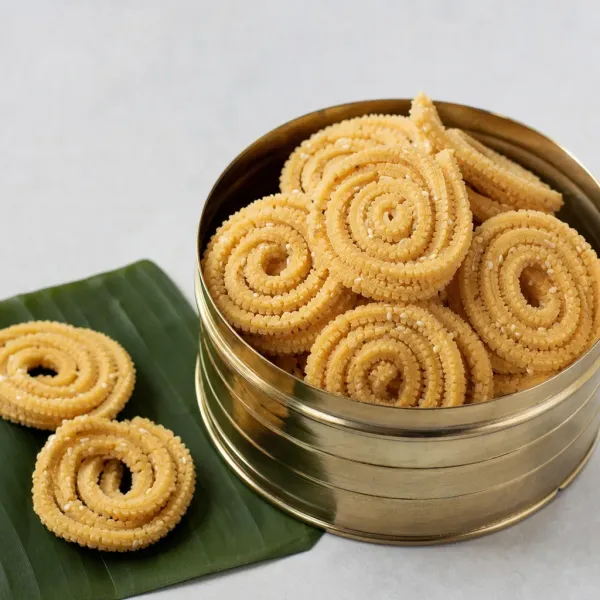
Murukku: Tamil Nadu Brahmin Household Recipe
Crisp rice flour murukku from a Tamil Iyer kitchen: the traditional ratio, the right dough consistency, and how to fry it pale gold all the way throu…
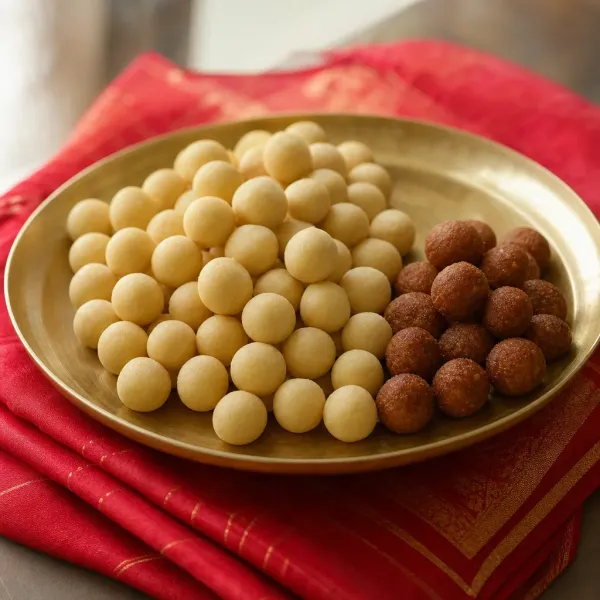
Uppu Seedai
Traditional Tamil Iyer uppu seedai for Gokulashtami: savoury deep-fried rice balls with roasted flour, butter, coconut and sesame. Step-by-step metho…
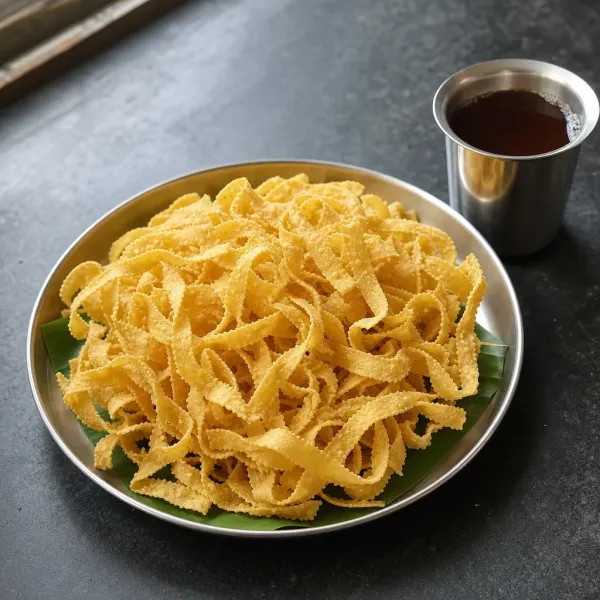
Ribbon Pakoda (Ola Pakoda)
Traditional Tamil Nadu ribbon pakoda made with rice flour, besan, butter and sesame. Step-by-step method for crisp, pale-golden Diwali snack strips.
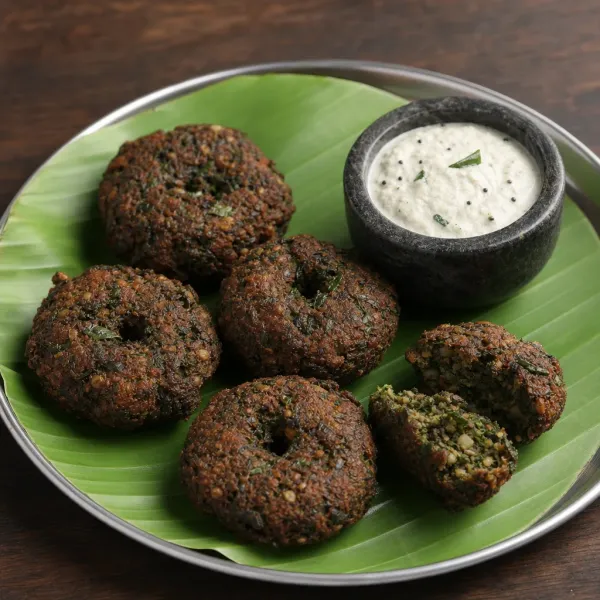
Keerai Vadai
Traditional Tamil Iyer keerai vadai made with coarsely ground chana dal, arai keerai, shallots and fennel. Crisp, vegan, fried in gingelly oil.
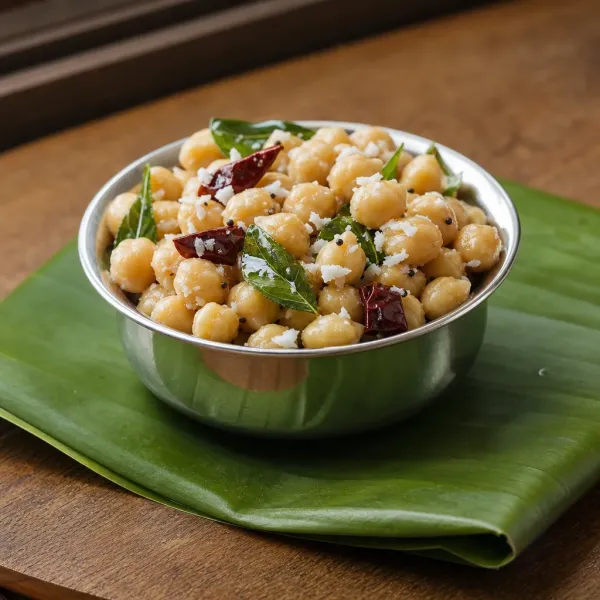
Kondakadalai Sundal
Traditional Tamil Brahmin kondakadalai sundal for Navratri. White chickpeas tempered with mustard, urad dal, dried chilli, and finished with fresh co…