

Kondakadalai Sundal Recipe
Malayalam കൊണ്ടക്കടല സുണ്ടൽTamil கொண்டக்கடலை சுண்டல்Kannada ಕಡಲೆ ಸುಂಡಲ್Telugu శనగల సుండల్
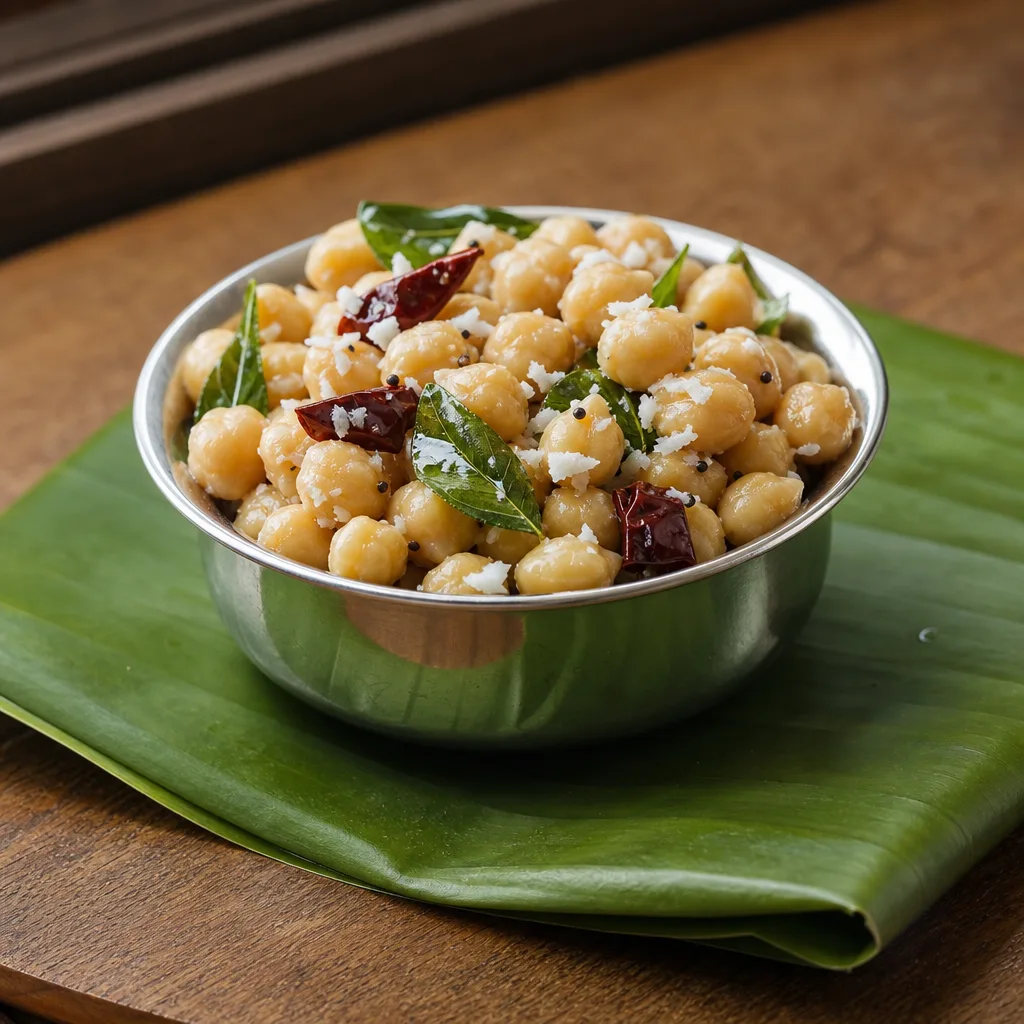
- Prep15 min
- Soak / ferment8 hr
- Cook25 min
- Serves4
- DifficultyEasy
- DietVegan
In Tamil Brahmin households across Tamil Nadu, sundal is the neivedyam — the offering placed before the goddess during Navratri. Every evening of the nine days, a different legume is cooked, tempered simply, finished with fresh grated coconut, and offered first before it reaches anyone's hands. Kondakadalai, the white chickpea, is the most commonly made and the one most people mean when they say sundal without qualification.
The dish is deliberately plain by design. It is prasad. There is no onion, no garlic, no tomato. The flavour comes from the chickpea itself, the dried red chilli in the tempering, and the coconut. Some households add a small piece of ginger or a few curry leaves; others keep it even simpler. What you will not find is any thickening, any masala powder, or any souring agent.
At home, people eat it as an evening snack with tea, but on the nine days it is distributed to visitors who come to see the golu — the display of dolls arranged on steps. The portions are small, served in a folded banana leaf or a small steel bowl. The chickpeas should be tender all the way through but holding their shape, not mushy, and the coconut should be fresh.
Ingredients (serves 4)
For the chickpeas
For the tempering
To finish
Method
Soak the chickpeas
Rinse the dried chickpeas twice in cold water, then cover with at least three times their volume of water. Leave them to soak at room temperature for 8 hours or overnight. In a warm Tamil Nadu kitchen this is enough; in a cooler climate give them the full overnight. They should have swollen noticeably and feel slightly yielding when you press one between your fingers.
Cook the chickpeas
Drain the soaked chickpeas and transfer them to a pressure cooker. Add fresh water to cover by about 5 cm and add salt. Close the cooker and cook on medium heat for 4 to 5 whistles, then turn the heat off and let the pressure release on its own. Open and test one chickpea: it should crush easily between your tongue and the roof of your mouth but still hold its round shape in the pot. If it is at all chalky inside, close and cook for one more whistle.
Drain and dry the chickpeas
Drain the cooked chickpeas through a colander. Shake the colander well and leave them for a few minutes. You want the surface moisture gone before they go into the pan; if they are wet the tempering will spit badly and the coconut will turn damp and clump.
Heat the oil and pop the mustard
Set a heavy kadai or wide pan over medium heat and add the gingelly oil. When the oil is hot — it will shimmer and you will catch the faint sesame smell — add the mustard seeds. Keep the heat at medium and wait. They will pop within 30 to 40 seconds. Do not rush this with high heat or the urad dal will burn before the mustard finishes.
Add the dal, chillies, and curry leaves
Once the mustard seeds have popped, add the urad dal. Stir and fry until it turns pale gold, about 30 seconds. Add the broken dried red chillies and the curry leaves — stand back, the leaves will splutter. Stir for another 10 to 15 seconds until the chillies darken slightly and the curry leaves are crisp.
Add the asafoetida
Push the tempering to one side of the pan and add the asafoetida directly to the oil for 5 seconds before stirring everything together. This blooms the asafoetida properly. If you add it on top of the dal and chillies it will not cook through and can taste raw.
Add the chickpeas and toss
Tip the drained chickpeas into the pan. Toss well so every chickpea picks up the tempered oil. Keep the heat at medium and stir for 2 to 3 minutes. You are not frying them further, only coating them evenly and warming them through. Taste and adjust salt now.
Finish with coconut and serve
Turn the heat off. Add the freshly grated coconut and toss once more. The coconut goes in off the heat — if you add it while the pan is still on the flame it will fry and lose its fresh, slightly sweet character. Serve immediately or within the hour. It is best warm.
How to serve
Offered as neivedyam during Navratri, then distributed as prasad. At other times eaten as an evening snack alongside a cup of hot tea (filter coffee in some households). No chutney or accompaniment is served with it.
Served with: Offered as neivedyam during Navratri, then distributed as prasad. At other times eaten as an evening snack alongside a cup of hot tea (filter coffee in some households). No chutney or accompaniment is served with it.
Cook's tips
Pressure cooker versus open pot
You can cook the chickpeas in an open pot with plenty of water for 60 to 90 minutes, but the pressure cooker is genuinely what most households use and gives more consistent results. The open-pot method is fine; just check the chickpeas from 45 minutes onward.
Why gingelly oil here
Gingelly oil (cold-pressed sesame oil) is the traditional fat for this dish in Tamil Brahmin cooking. It gives a faint nuttiness that coconut oil would not. Do not substitute refined oil; the flavour difference is significant.
The coconut must be fresh
Desiccated coconut gives a completely different result — dry, slightly sweet in the wrong way, and it does not cling to the chickpeas the same way. If you cannot get a fresh coconut, frozen grated coconut thawed and squeezed lightly is a reasonable household substitute. Desiccated is not.
Do not overcook the chickpeas
Mushy chickpeas will not toss cleanly with the tempering; they will break and turn the dish into a paste. If you are unsure, check after 3 whistles. You can always cook longer; you cannot uncook them.
Storing leftovers
Sundal keeps well in the fridge for a day. Reheat in a dry pan on low heat, not in the microwave, which makes the chickpeas rubbery. The coconut will not taste as fresh the next day but the dish is still good.
Regional variations
Verkadalai sundal (peanut), payaru sundal (green gram), mochai sundal (field beans), and karamani sundal (black-eyed peas) are all made during Navratri in Tamil Brahmin households; the tempering and coconut finish remain the same across them.
Glossary
- kondakadalai கொண்டக்கடலை
- White chickpea (Cicer arietinum); the large, cream-coloured variety used in this sundal.
- nallennai நல்லெண்ணெய்
- Gingelly oil; cold-pressed sesame oil used as a cooking fat in Tamil cuisine.
- perungayam பெருங்காயம்
- Asafoetida; the dried resin used in tiny quantities in Tamil Brahmin cooking in place of onion and garlic.
- neivedyam நைவேத்யம்
- Food offered to the deity before it is eaten; the ritual offering in Hindu worship.
- golu கொலு
- The display of dolls and figurines arranged on stepped platforms during Navratri in Tamil households.
- sundal சுண்டல்
- A category of dry-tossed legume preparations tempered with mustard, dried chilli, and finished with coconut; closely associated with Navratri in Tamil Nadu.
Two things decide whether this works. First, the chickpeas: they must be cooked until genuinely tender all the way through, because no amount of tossing in the pan will fix an undercooked centre. Second, the coconut: it must go in off the heat, and it must be fresh. Everything else in this dish is simple and forgiving.
More Snacks recipes
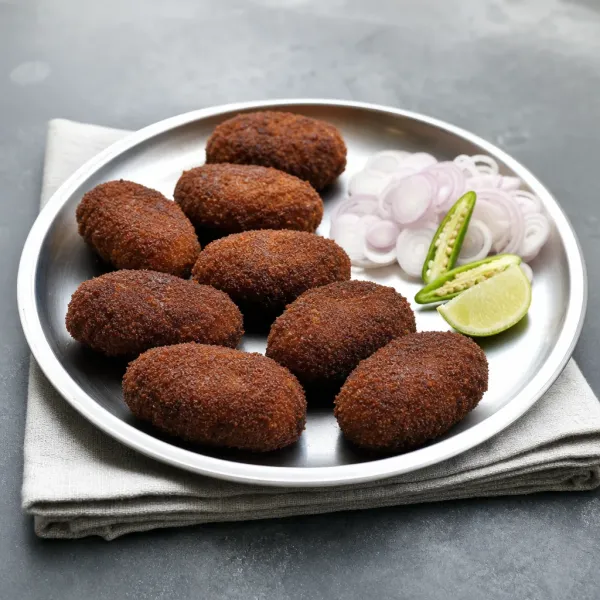
Kerala Beef Cutlet
Traditional Kerala Nasrani beef cutlet with shallots, black pepper and coconut oil. Crisp breadcrumb crust, soft spiced filling. Step-by-step method.
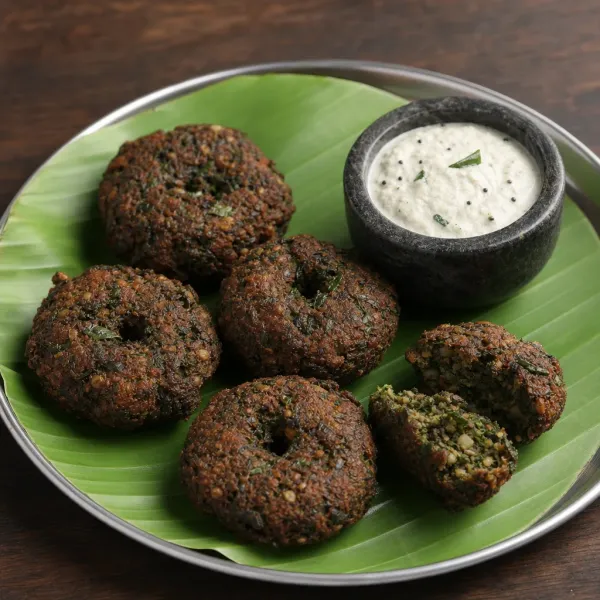
Keerai Vadai
Traditional Tamil Iyer keerai vadai made with coarsely ground chana dal, arai keerai, shallots and fennel. Crisp, vegan, fried in gingelly oil.
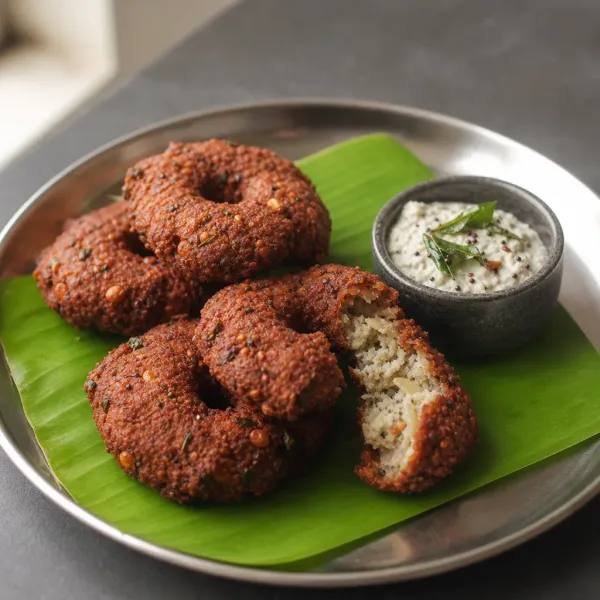
Vazhaipoo Vadai
Traditional Tamil Iyer-style vazhaipoo vadai made with chana dal and fresh banana blossom, fried in gingelly oil. Step-by-step home recipe.
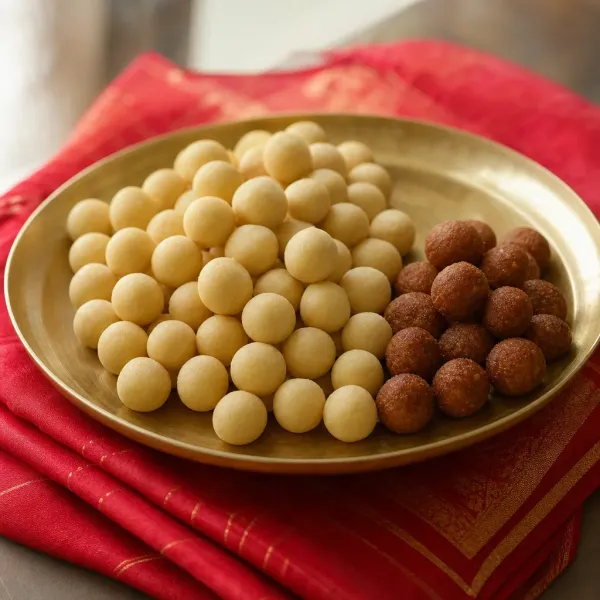
Uppu Seedai
Traditional Tamil Iyer uppu seedai for Gokulashtami: savoury deep-fried rice balls with roasted flour, butter, coconut and sesame. Step-by-step metho…
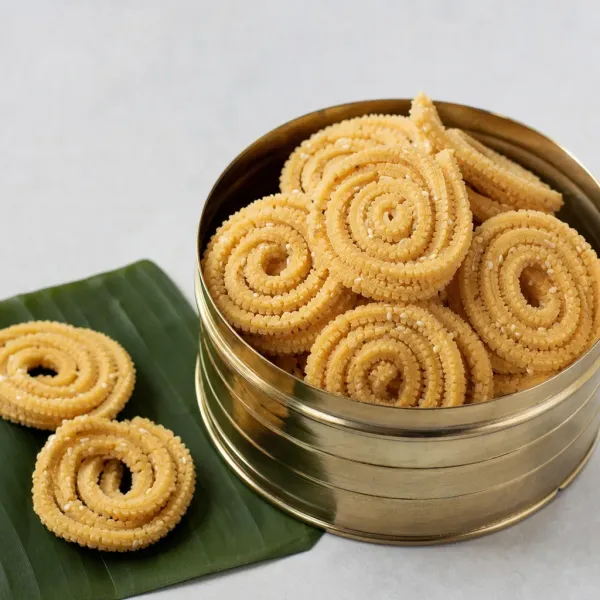
Murukku: Tamil Nadu Brahmin Household Recipe
Crisp rice flour murukku from a Tamil Iyer kitchen: the traditional ratio, the right dough consistency, and how to fry it pale gold all the way throu…