

Kerala Beef Cutlet Recipe
Malayalam ബീഫ് കട്ലറ്റ്Tamil கேரள பீஃப் கட்லெட்Kannada ಕೇರಳ ಬೀಫ್ ಕಟ್ಲೆಟ್Telugu కేరళ బీఫ్ కట్లెట్
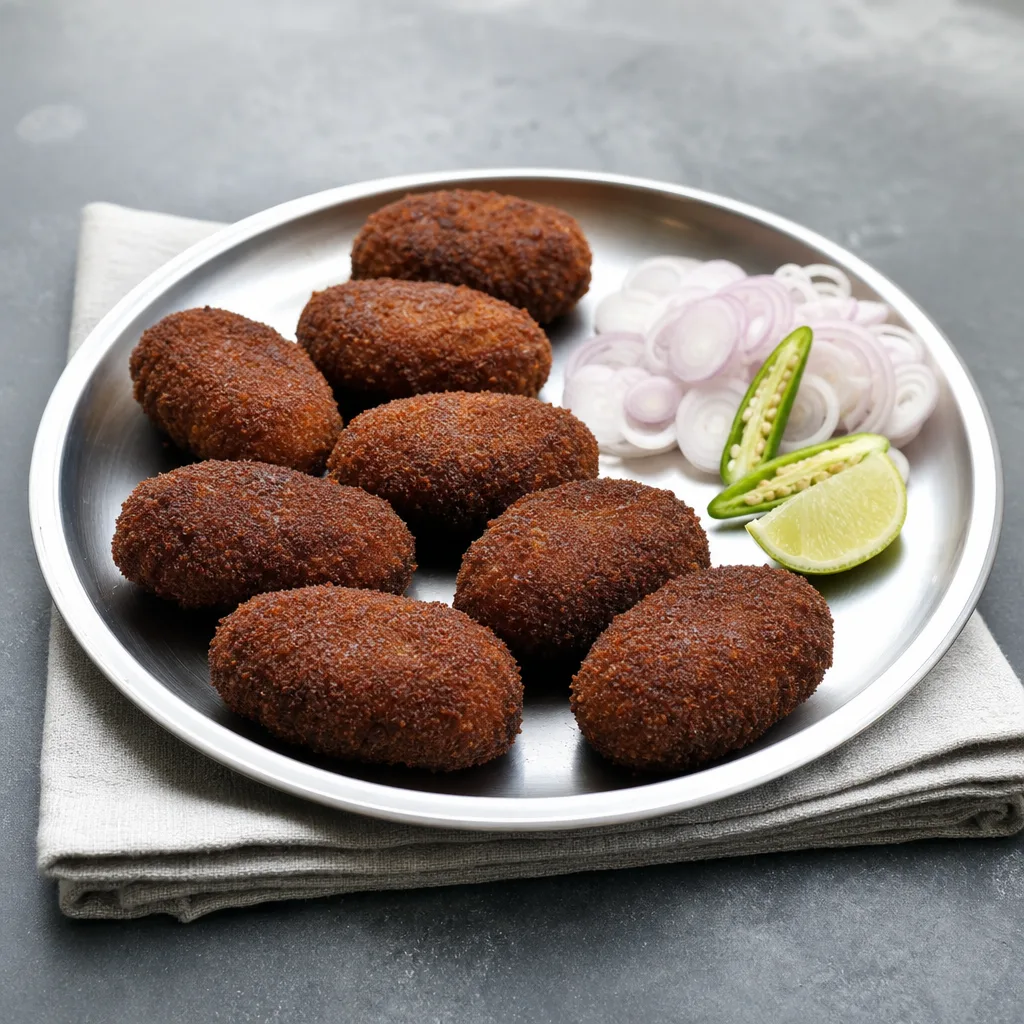
- Prep30 min
- Cook45 min
- Serves4
- DifficultyMedium
- DietNon-vegetarian
The beef cutlet is one of the most recognisable things to come out of a Nasrani kitchen. It appears at family teas, on the table at weddings, tucked into a bag for a train journey. The outside is dark and crisp from the breadcrumbs; inside it is soft and deeply spiced, the beef cooked down until nearly dry before it is shaped.
Every household has its own small preference: some add a little grated coconut to the filling, some do not. Some use only shallots, others add a small amount of onion alongside. The spicing is always warm rather than fiery — pepper does the heat, not chilli. The egg wash and breadcrumb coating is standard, and the cutlets are shallow-fried in coconut oil.
It is eaten as a snack with tea, or as a starter before a rice meal. At the table it usually comes with sliced shallots, green chillies and a wedge of lime set alongside.
Ingredients (serves 4)
For the beef filling
For pressure-cooking the beef
For shaping and coating
Method
Cook the beef
Put the beef pieces in a pressure cooker with 100 ml water, ½ tsp salt, ½ tsp whole pepper and ¼ tsp turmeric. Cook on medium heat for 4 to 5 whistles, then lower the flame and cook for a further 10 minutes. Let the pressure release naturally. The beef should be completely tender and easy to shred. If any liquid remains in the cooker, drain it and set it aside — you can add a spoonful back if the filling feels dry.
Shred the beef finely
Once cool enough to handle, shred the beef with two forks or pulse it twice in a mixer — you want fine shreds, not a paste. The texture of the filling depends on this: too coarse and the cutlets break apart, too fine and the inside feels dense. Set aside.
Fry the aromatics
Heat 2 tbsp coconut oil in a wide pan over medium heat. Add the shallots and cook, stirring often, for 8 to 10 minutes until they are soft and beginning to turn golden at the edges. Add the ginger, garlic and green chillies and fry for 2 minutes more until the raw smell is gone. Add the curry leaves and stir for 30 seconds.
Add the spices and beef
Lower the heat. Add the black pepper, coriander powder, fennel powder and turmeric to the pan and stir for 1 minute — the spices should smell fragrant but not burnt. Add the shredded beef and mix everything together thoroughly. Taste for salt. Cook on low heat, stirring, for 3 to 4 minutes until the mixture is completely dry. There should be no moisture left or the cutlets will not hold their shape. Spread onto a plate and cool completely.
Combine beef and potato
Add the mashed potato to the cooled beef mixture. The potato should be dry — if it was boiled with too much water, drain it well and let steam escape before mashing. Mix with your hands until the potato and beef are evenly combined. The mixture should hold its shape when pressed into a ball without cracking. If it feels too wet, the filling was not dried enough in the pan.
Shape the cutlets
Divide the mixture into 14 to 16 equal portions, each roughly 50 g. Roll each into a ball, then flatten gently between your palms into an oval about 1.5 cm thick. Set them on a plate. Refrigerate for 20 minutes — chilled cutlets coat more cleanly and hold together better in the oil.
Coat in egg and breadcrumbs
Beat the eggs in a shallow bowl with a pinch of salt. Spread the breadcrumbs on a plate. Dip each cutlet into the beaten egg, letting the excess drip off, then press firmly into the breadcrumbs on both sides and the edges. The coating should be even and without bare patches. Set the coated cutlets back on the plate.
Shallow fry
Heat coconut oil in a wide, heavy pan — enough to come halfway up the sides of the cutlets, roughly 1 cm deep. Bring to medium-high heat. To test, drop a breadcrumb in: it should sizzle immediately. Fry the cutlets in batches of 4 or 5, without crowding. Cook for 2 to 3 minutes on the first side until deep golden-brown, then turn carefully and cook for 2 minutes more. The crust should be firm and dark; pale cutlets have not developed the right texture. Drain on paper and serve hot.
How to serve
Sliced raw shallots, sliced green chillies and lime wedges set alongside on the plate. Often served with Kerala porotta at dinner, or with tea as a snack.
Served with: Sliced raw shallots, sliced green chillies and lime wedges set alongside on the plate. Often served with Kerala porotta at dinner, or with tea as a snack.
Cook's tips
Drying the filling is the critical step
If the beef-and-shallot mixture has any moisture left when it goes into the potato, the cutlets will crack during shaping and fall apart in the oil. Cook the filling until you can press it against the side of the pan and it leaves no wet mark.
Potato variety matters
Use a floury potato rather than a waxy one. Waxy potatoes stay sticky and make the mixture hard to shape. Boil the potatoes whole in their skins, peel while hot, and mash without adding anything — no butter, no milk.
Chilling before frying
Do not skip the refrigerator rest after shaping. At room temperature, especially in a Kerala kitchen, the cutlets soften and the coating slips. Twenty minutes in the fridge firms everything up.
Breadcrumbs
Homemade breadcrumbs from day-old white bread give a finer, more even crust than commercial ones. Dry the bread in a low oven, then blitz. Store-bought fine breadcrumbs work but the crust is slightly thicker.
Making ahead
The shaped, uncoated cutlets can be frozen on a tray and transferred to a bag once firm. Coat from frozen and fry directly — add 1 extra minute per side. The filling can also be made a day ahead and refrigerated.
Regional variations
Mappila households in Malabar make a similar cutlet spiced with fennel and star anise; a vegetable version using potato and beetroot is common across all communities.
Glossary
- Cheriya ulli ചെറിയ ഉള്ളി
- Small red shallots native to Kerala, sharper and more fragrant than large onions; used throughout Keralite cooking.
- Kudampuli കുടംപുളി
- Gamboge or Malabar tamarind, the souring agent used in Kerala fish curries; not used in this dish but often confused with tamarind in recipes.
- Porotta പൊറോട്ട
- Layered flatbread made from maida, a common accompaniment to beef dishes in Kerala.
Two things decide whether a beef cutlet is worth eating: the filling must be completely dry before the potato goes in, and the crust must be fried to a genuine dark gold. Rush either of those and you get a soft, greasy patty that falls apart. Get both right and the contrast between the crisp outside and the soft, peppery inside is exactly what it should be.
More Snacks recipes
Kondakadalai Sundal
Traditional Tamil Brahmin kondakadalai sundal for Navratri. White chickpeas tempered with mustard, urad dal, dried chilli, and finished with fresh co…
Vazhaipoo Vadai
Traditional Tamil Iyer-style vazhaipoo vadai made with chana dal and fresh banana blossom, fried in gingelly oil. Step-by-step home recipe.
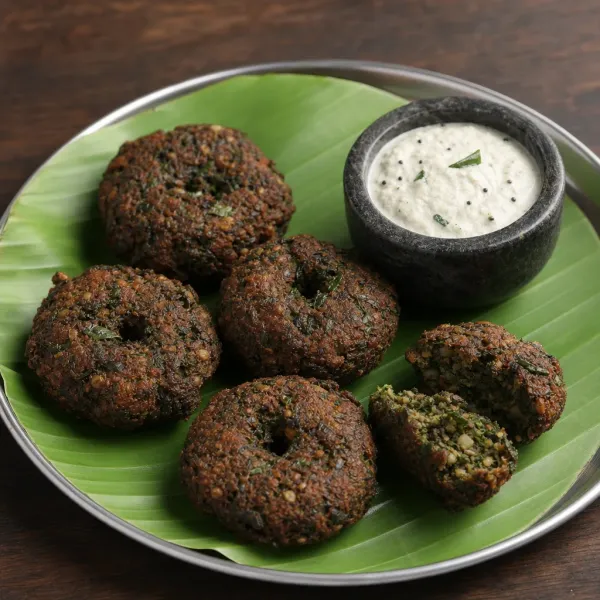
Keerai Vadai
Traditional Tamil Iyer keerai vadai made with coarsely ground chana dal, arai keerai, shallots and fennel. Crisp, vegan, fried in gingelly oil.
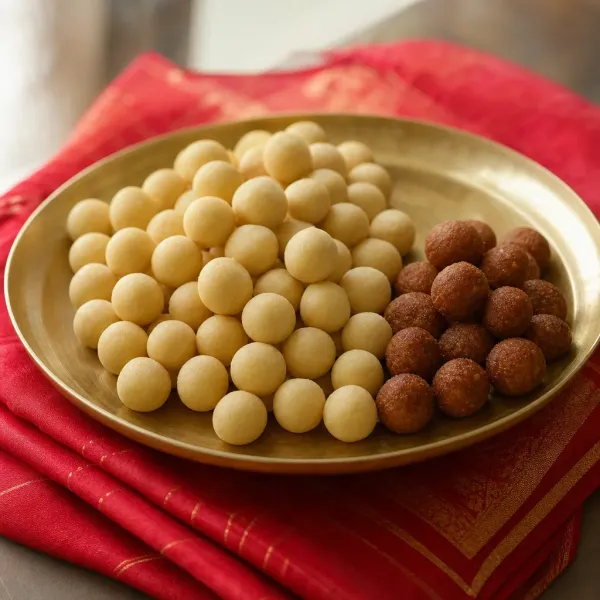
Uppu Seedai
Traditional Tamil Iyer uppu seedai for Gokulashtami: savoury deep-fried rice balls with roasted flour, butter, coconut and sesame. Step-by-step metho…
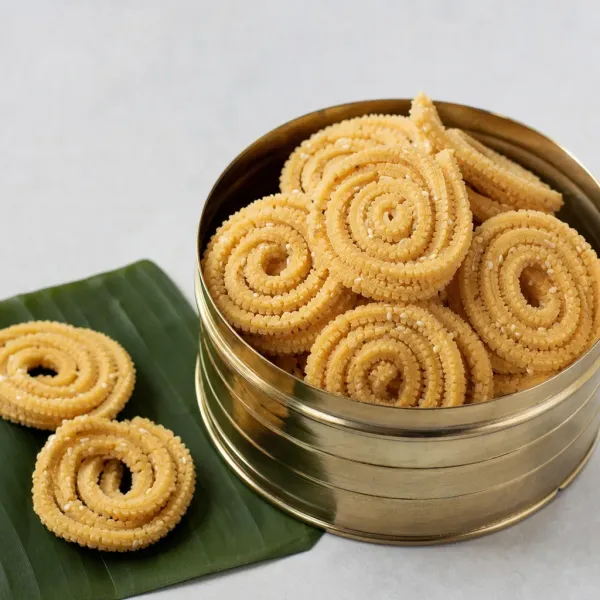
Murukku: Tamil Nadu Brahmin Household Recipe
Crisp rice flour murukku from a Tamil Iyer kitchen: the traditional ratio, the right dough consistency, and how to fry it pale gold all the way throu…