

Coin Parotta Recipe
Malayalam കോയിൻ പറോട്ടTamil காயின் பரோட்டாKannada ಕಾಯಿನ್ ಪರೋಟTelugu కాయిన్ పరోటా
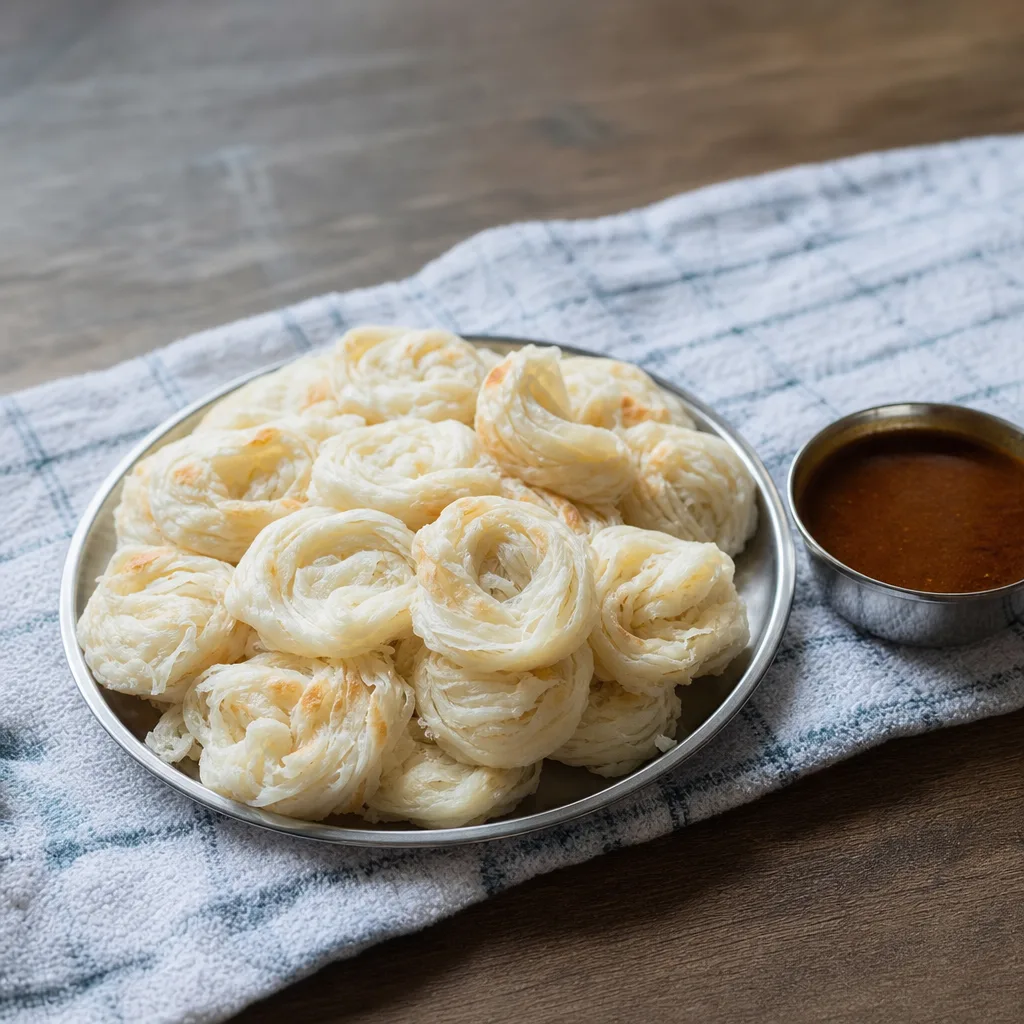
- Prep30 min
- Soak / ferment1 hr
- Cook40 min
- Serves4
- DifficultyMedium
- DietVegetarian
Coin parotta begins as an ordinary layered parotta. Once cooked, each parotta is sliced into small rounds — the coins — and then beaten between two palms or clapped between cupped hands to separate and fluff the layers. The result is a pile of soft, shredded, layered pieces that are tossed briefly on a hot tawa with a little oil. The layers open up, the edges get just a touch of colour, and the texture becomes something between a flaky bread and a soft noodle.
In Tamil Nadu this is home cooking as much as it is street food. A household that makes parottas for dinner will sometimes set aside two or three and make coin parotta the next morning for breakfast, or make the whole batch as coin parotta from the start. It is eaten with salna — a thin, spiced gravy — or with a simple onion kurma. The beating step is the one children in the kitchen are always asked to help with.
The dough here uses maida with a little egg-free fat enrichment from oil. Some cooks use a small amount of milk in the dough to keep it supple; others use only water. Both are genuine. The resting time matters more than which liquid you use.
Ingredients (serves 4)
For the dough
Method
Make the dough
Put the maida, salt and sugar in a wide bowl and mix. Add 2 tablespoons of oil and rub it in with your fingers until the flour looks like damp sand. Add lukewarm water a little at a time, mixing as you go, until the dough just comes together. It should not be sticky. Knead firmly for 8 to 10 minutes until smooth and slightly elastic. The dough should spring back slowly when you press a finger in.
Rest the dough
Rub the remaining 1 tablespoon of oil over the dough ball, cover the bowl tightly with a damp cloth or plate and leave it to rest for at least 1 hour at room temperature. This is not optional — an under-rested dough will tear when you stretch it and the layers will be thick and doughy rather than fine and flaky.
Divide and roll into ropes
Divide the rested dough into 8 equal portions, each roughly 70 to 75 g. Take one portion and roll it between your palms into a smooth ball, then on a lightly oiled surface roll it out into a long thin rope about 40 cm long and as thin as your little finger. Brush or drizzle a little oil along the rope.
Coil into a disc
Starting from one end, wind the rope into a tight flat coil, tucking the outer end firmly underneath. Press the coil gently with your palm to flatten it slightly. Set it aside and repeat with all 8 portions. Cover the coils with the damp cloth and let them rest for 10 minutes — they relax and roll out more evenly after this second rest.
Roll out the parottas
On a lightly oiled surface, roll each coil out into a round disc about 15 to 16 cm across. Do not use dry flour here; oil keeps the surface from sticking and does not tighten the gluten the way flour does. Roll gently and evenly; if the disc springs back, leave it for two minutes and try again.
Cook the parottas
Heat a tawa over medium-high heat until hot. Place one parotta on the dry tawa — no oil yet. Cook for about 1 minute until the surface looks dry and pale blisters begin to form underneath. Flip it, drizzle about half a teaspoon of oil around the edges and on top, and press gently with a folded cloth or the back of a spatula. Cook another minute. Flip once more, add a little more oil, and cook until both sides have light golden-brown patches and the parotta is cooked through. It should feel firm but not stiff. Cook all 8 this way and stack them as they come off.
Slice into coins
Let the cooked parottas cool for just 2 to 3 minutes — enough that you can handle them but still warm. Stack two or three together and use a sharp knife to cut them into rounds about 3 to 4 cm across, the way you would slice a roll. You will get roughly 6 to 8 coins from each parotta depending on its size.
Beat the coins
Take a small handful of the sliced coins and clap them firmly between both palms several times, or press and rub them between your hands. The layers will separate and the coins will become fluffy, shredded and light. Do this in small batches so every coin gets beaten. This is the step that defines the dish — coins that are not beaten stay compressed and chewy.
Toss on the tawa
Heat the tawa again over high heat and add 1 teaspoon of oil. Tip in all the beaten coins and spread them out. Toss and stir constantly for 2 to 3 minutes. You want the edges of the pieces to just catch a little heat — a few of them will get a pale golden edge — but the bulk should stay soft and white. Do not leave them sitting still or they will harden on the bottom. Remove from heat as soon as they are hot through and the texture is loose and fluffy.
How to serve
Salna (a thin, spiced tomato and onion gravy without coconut), or a simple vegetable kurma. Some households serve it with a small bowl of sweetened milk for children.
Served with: Salna (a thin, spiced tomato and onion gravy without coconut), or a simple vegetable kurma. Some households serve it with a small bowl of sweetened milk for children.
Cook's tips
The resting time
One hour is the minimum. If your kitchen is cool or the flour is stiff, rest for 90 minutes. Dough that has not rested enough tears at the coil stage and the layers come out uneven.
Oil on the surface, not flour
Rolling with dry flour closes the layers together. Always use oil on the board and your hands when working with parotta dough.
The beating step
Do not skip it and do not do it when the parottas are still hot — they compress instead of fluffing. Two to three minutes of cooling first makes all the difference.
Making ahead
You can cook the parottas, wrap them and refrigerate overnight. Slice, beat and toss on the tawa the next morning. The texture is actually very good the next day.
Tawa temperature
The final toss needs a hot tawa. On a cool tawa the coins steam and go soggy rather than separating into light, distinct pieces.
Regional variations
Kerala hotels serve a similar beaten-and-tossed version using Kerala-style parotta dough (slightly different fat ratio); some cooks add egg on the tawa after slicing, making it a street-food egg coin parotta.
Glossary
- Maida மைதா
- Refined wheat flour, finely milled with the bran and germ removed; the standard flour for parotta dough.
- Tawa தவா
- A flat or slightly concave iron griddle used for cooking flatbreads; a thick cast-iron tawa holds heat well for parotta.
- Salna சால்னா
- A thin, spiced gravy from Tamil Nadu, made with onion, tomato and whole spices; the classic accompaniment to parotta.
- Parotta பரோட்டா
- A flaky, layered South Indian flatbread made from maida, distinct from the North Indian paratha in technique and texture.
Two things decide whether coin parotta works: the dough must rest long enough to become extensible so the coil rolls thin without tearing, and the coins must be beaten thoroughly while still warm so the layers open up into that characteristic fluffy, shredded texture. Rush either of those and you have sliced parotta, not coin parotta.
More Breads & Staples recipes
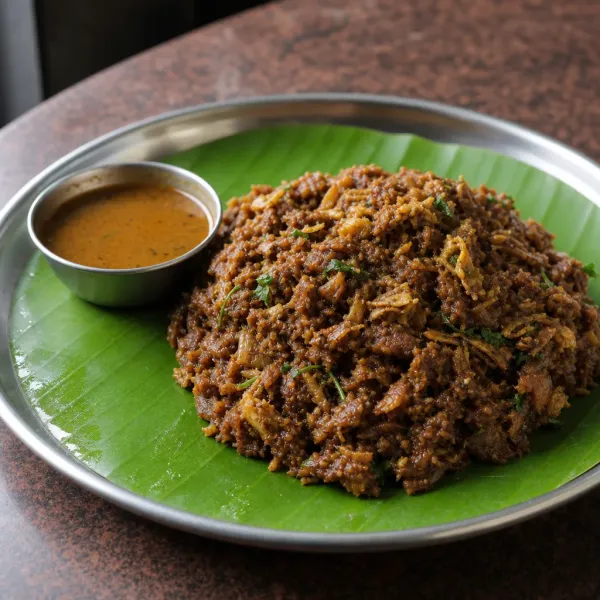
Kothu Parotta with Egg and Masala
Authentic Tamil Nadu kothu parotta with egg and shallot masala. Traditional tawa method, gingelly oil, step-by-step for home cooks.
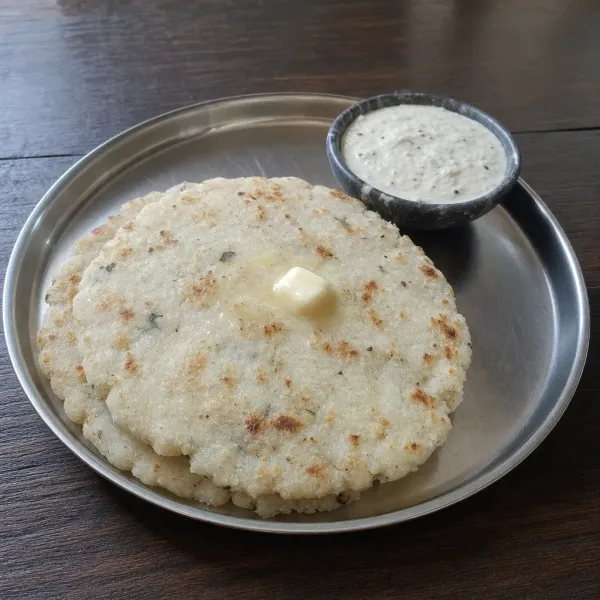
Akki Roti
Authentic Karnataka akki roti with dill, shallots and cumin, patted by hand on a cold tawa. Traditional household method with step-by-step instructio…
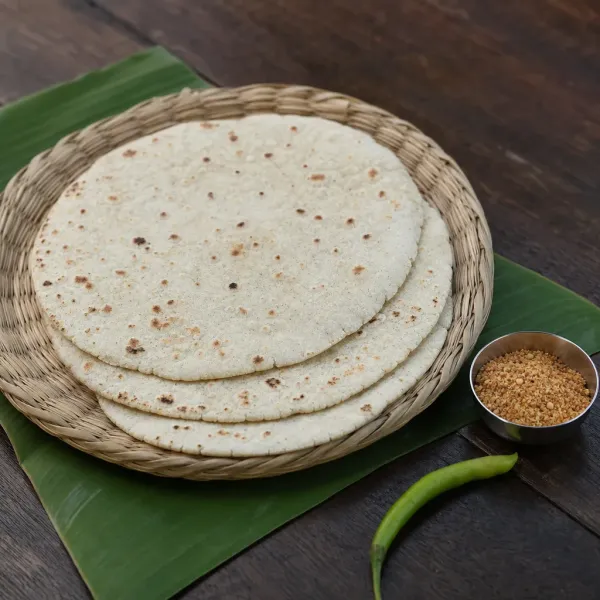
Jolada Rotti
Authentic North Karnataka jolada rotti made with jowar flour and boiling water, shaped by hand on a damp cloth and finished over an open flame. Vegan…
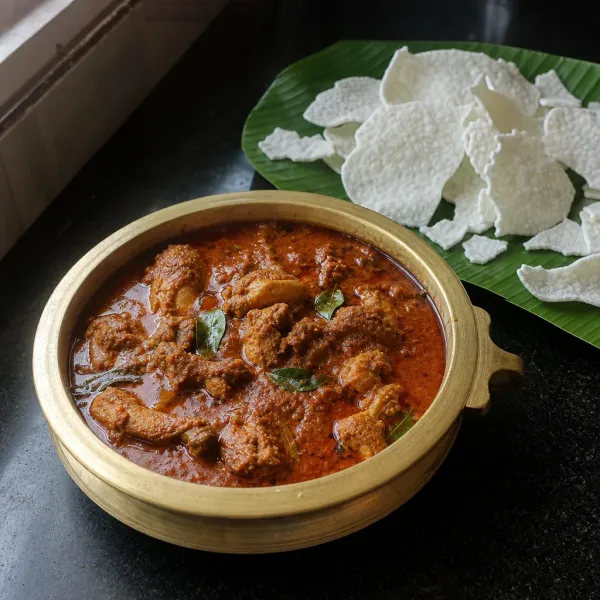
Kori Rotti: Mangalorean Crisp Rice Wafers with Chicken Gassi
Traditional Tulu-style kori rotti from coastal Karnataka: crisp dried rice wafers served with deep red coconut chicken gassi. Home recipe with fresh-…
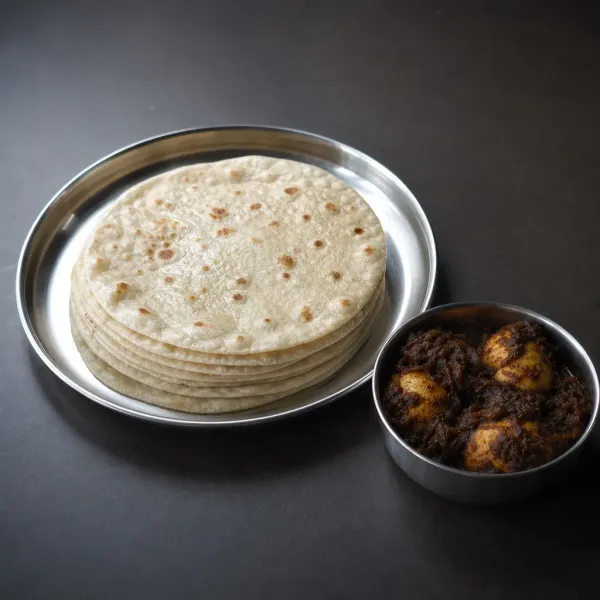
Chapati
Traditional Mappila chapati from Malabar Kerala: soft whole wheat flatbread cooked on a hot tawa with coconut oil, eaten with egg roast or beef curry.
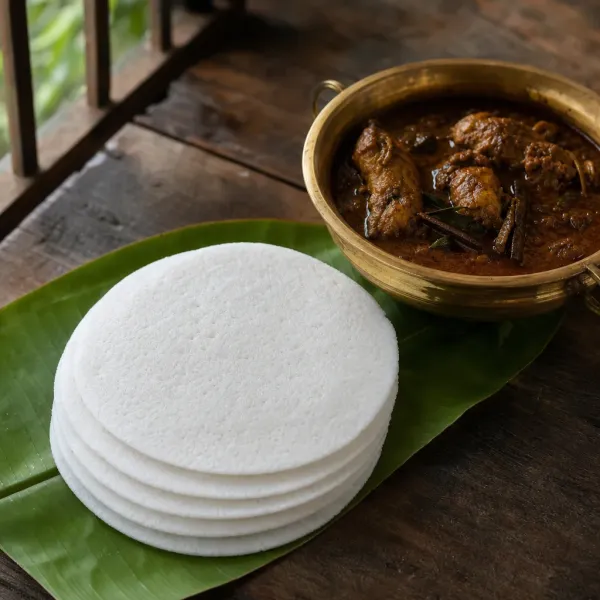
Pathiri
Traditional Mappila pathiri from Malabar: thin, soft, white rice flour flatbread cooked dry on a tawa. Step-by-step Kerala home recipe.