

Chow Chow Poriyal (Chayote Stir-Fry) Recipe
Malayalam ചൗ ചൗ തോരൻTamil சௌ சௌ பொரியல்Kannada ಚೌ ಚೌ ಪಲ್ಯTelugu చౌ చౌ వేపుడు
- Prep15 min
- Cook15 min
- Serves4
- DifficultyEasy
- DietVegan
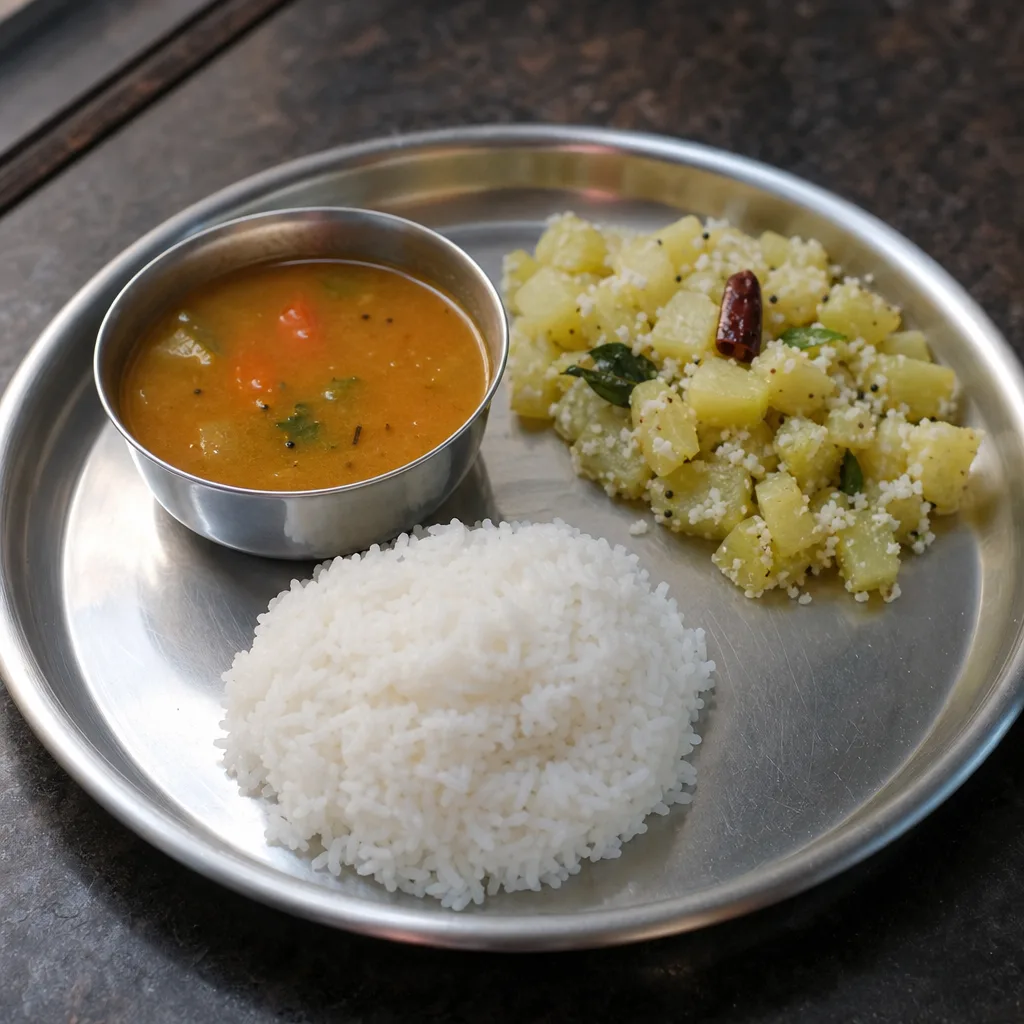
Chow chow poriyal is a quiet, everyday vegetable dish from Tamil Brahmin kitchens, particularly common in Kongunad homes where chayote grows in abundance and appears on the table two or three times a week. The vegetable is mild and slightly sweet, and the dish stays dry, with fresh grated coconut stirred in at the end to add body without making it wet. It is not a dish that announces itself; it does its job alongside sambar and rice and a pickle.
In most Iyer households the chayote is peeled, cored, and cut into small cubes — not strips, not thin slices. The tempering is simple: mustard seeds, urad dal, dried red chillies, curry leaves, and a pinch of asafoetida in gingelly oil. Some cooks add a little green chilli for a sharper heat. The coconut goes in last, off or almost off the heat, so it stays fresh-tasting rather than frying.
There is not much variation within this tradition. Some households skip the coconut entirely if the vegetable is being packed into a lunch box, since coconut shortens shelf life in warm weather. A very few add a small amount of chana dal to the tempering for texture. But the core method is stable across Iyer kitchens.
Ingredients (serves 4)
Main vegetable
For tempering
Seasoning and finish
Method
Prepare the chayote
Peel the chayote with a vegetable peeler — the skin is thin but slightly waxy. Cut each one in half lengthwise and scoop out the soft central seed and the thin fibrous core around it with a spoon. Cut into cubes of about 1 cm. Do not cut them smaller or they will turn to mush before they are cooked through.
Heat the oil and pop the mustard seeds
Set a kadai or heavy pan over medium heat. Add the gingelly oil and let it warm for about 30 seconds. Add the mustard seeds. Wait without stirring until they pop and sputter — this takes about 20 to 30 seconds. If you add the next ingredients before the mustard pops, the tempering will taste flat.
Add the dal, chillies, and curry leaves
Add the urad dal and stir it continuously for about 20 seconds until it turns pale gold. Add the dried red chillies, curry leaves, and asafoetida in quick succession. The curry leaves will splatter — stand back briefly. Stir once or twice. Add the slit green chilli now if you are using it.
Add the chayote and turmeric
Tip in the cubed chayote and add the turmeric. Stir well so every piece is coated in the tempered oil. The chayote will look pale yellow from the turmeric.
Season and cook covered
Add salt, stir once more, then cover the pan with a lid. Cook on medium-low heat for 8 to 10 minutes. The chayote releases a little moisture as it cooks, which is enough to steam it through. Do not add water — the dish should stay dry.
Check for doneness
Lift the lid and test a cube with the back of a spoon or your fingernail. It should yield easily but still hold its shape — not mushy, not raw and squeaky. If it needs another minute or two, replace the lid. If there is any moisture pooled at the bottom of the pan, turn the heat up to medium for a minute with the lid off to drive it off.
Stir in the coconut and finish
Turn the heat down to the lowest setting or take the pan off the heat entirely. Add the freshly grated coconut and stir it through gently. Taste for salt. The coconut should smell fresh and not fry in the pan — that is why the heat comes down first. Serve immediately.
How to serve
Hot rice, sambar, and a small amount of pickle (such as lemon or mango). In a full Iyer meal it sits alongside one or two other vegetable dishes and papad.
Served with: Hot rice, sambar, and a small amount of pickle (such as lemon or mango). In a full Iyer meal it sits alongside one or two other vegetable dishes and papad.
Cook's tips
Choosing the chayote
Pick firm, pale green chayotes with no soft spots. Very large ones can be starchy and fibrous at the core; medium-sized ones are sweeter and cook more evenly.
The sticky sap
Chayote releases a slightly sticky, clear sap when cut, especially near the seed. It is harmless but can make your hands feel stiff. Rinse your hands under running water immediately after cutting. Some cooks peel the chayote under running water to reduce this.
Why gingelly oil matters
Gingelly oil (cold-pressed sesame oil) gives Tamil poriyal its characteristic background flavour. Refined vegetable oil produces a blander result. Do not use toasted sesame oil — it is a different product with a much stronger, roasted flavour that does not belong here.
Coconut shelf life
If you are packing this into a lunch box, you can omit the coconut. Fresh coconut makes the dish spoil faster in warm weather. The poriyal without coconut keeps in the fridge for a day; with coconut, eat it the same day.
Common mistake
Adding water to speed up the cooking. The chayote has enough internal moisture to cook through on its own. Added water makes the poriyal wet and the coconut at the end turns soggy.
Regional variations
Kerala households make a similar dish as chow chow thoran with grated coconut and curry leaves in coconut oil; Karnataka versions (chow chow palya) use less coconut and may add a small piece of jaggery.
Glossary
- Poriyal பொரியல்
- Tamil term for a dry stir-fried vegetable dish, typically finished with grated coconut.
- Kadugu கடுகு
- Mustard seeds; used whole in the tempering where they are allowed to pop in hot oil before other ingredients are added.
- Perungayam பெருங்காயம்
- Asafoetida; a dried resin used in very small quantities in Brahmin cooking, where it replaces onion and garlic.
- Nallennai நல்லெண்ணெய்
- Gingelly oil; cold-pressed sesame oil used as the cooking fat in Tamil Nadu for vegetable dishes, pickles, and kuzhambu.
- Ulutham paruppu உளுத்தம் பருப்பு
- Urad dal; split black gram used in tempering, where it fries to a pale gold and adds a nutty crunch.
Two things decide this dish: keeping the heat low enough after the lid goes on so the chayote steams in its own moisture rather than frying dry, and adding the coconut only when the pan is off or nearly off the heat so it stays fresh and fragrant. Get those two right and the rest takes care of itself.
More Dry Vegetable Sides recipes
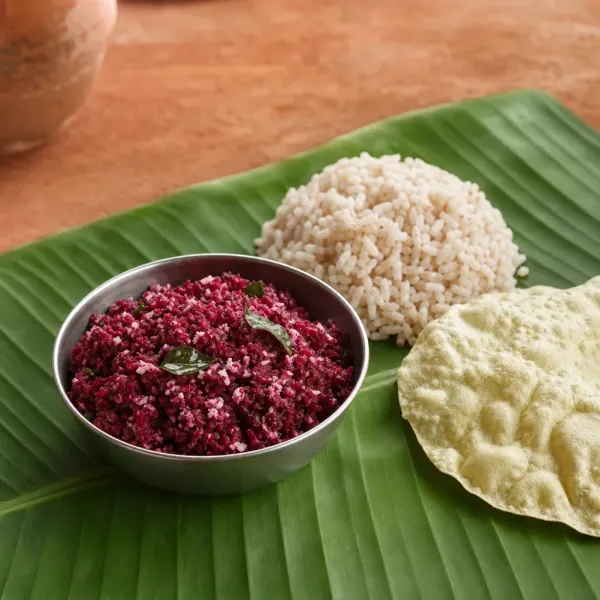
Beetroot Thoran
Traditional Kerala beetroot thoran with fresh grated coconut, shallots and curry leaves. Dry, vivid and ready in 30 minutes. A daily rice-meal staple.
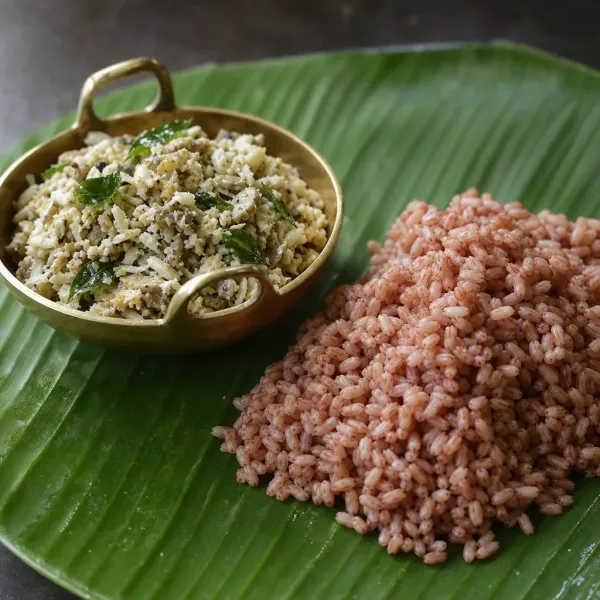
Mushroom Thoran
Traditional Kerala mushroom thoran with fresh grated coconut, cumin, and curry leaves. A dry, fragrant side dish for matta rice and sadya.
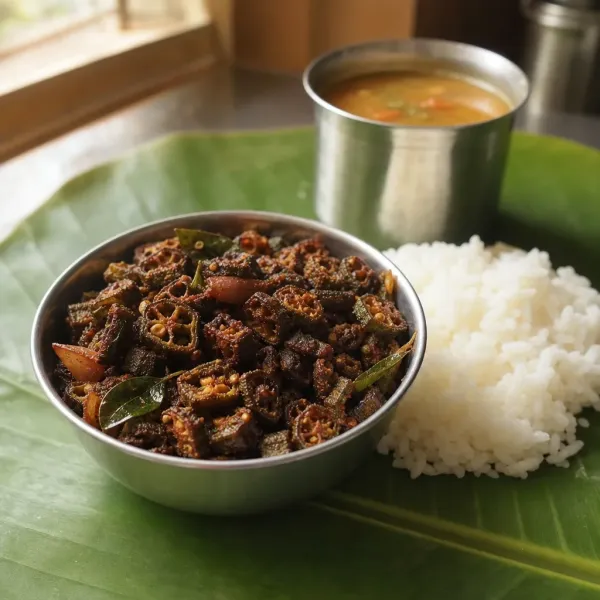
Vendakkai Fry
Traditional Tamil Brahmin vendakkai fry in gingelly oil with shallots, curry leaves and dry masala. Crisp, dry and slimy-free every time.
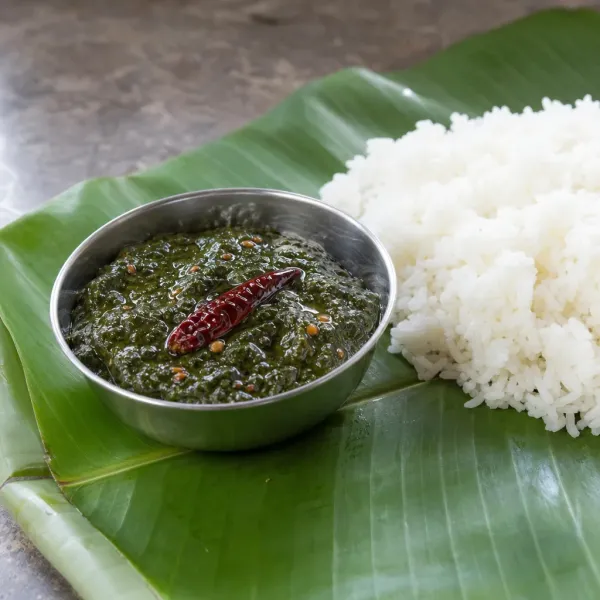
Keerai Masiyal
Traditional Tamil Brahmin keerai masiyal made with arai keerai, garlic, pepper and a gingelly oil tempering. Served hot on plain rice.
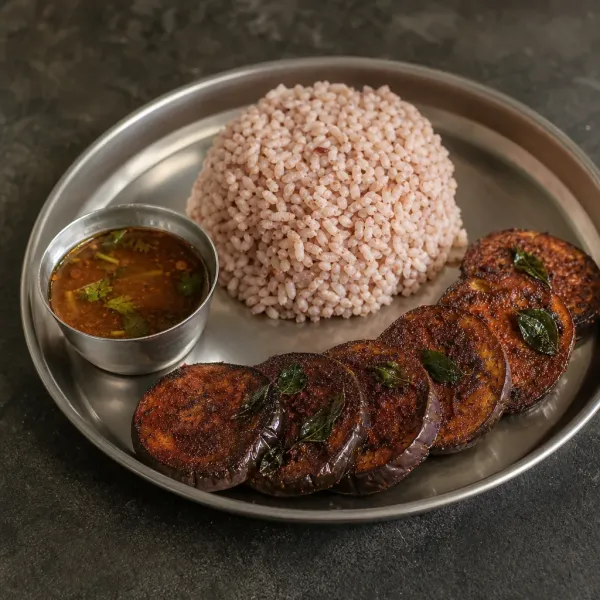
Kathirikai Varuval
Authentic Tamil kathirikai varuval: brinjal rounds shallow-fried in gingelly oil with a tamarind-spice coating. Traditional Kongunad household recipe.
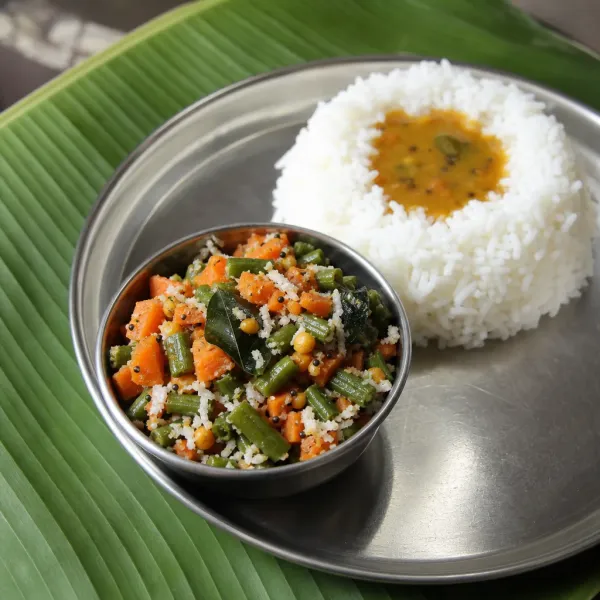
Carrot Beans Palya
Traditional Karnataka carrot beans palya with mustard seeds, curry leaves, chana dal, and fresh grated coconut. Dry stir-fry ready in 30 minutes.