

Semiya Payasam Recipe
Malayalam സേമിയ പായസംTamil சேமியா பாயசம்Kannada ಸೇವಿಗೆ ಪಾಯಸTelugu సేమియా పాయసం
- Prep5 min
- Cook30 min
- Serves4 to 6
- DifficultyEasy
- DietVegetarian
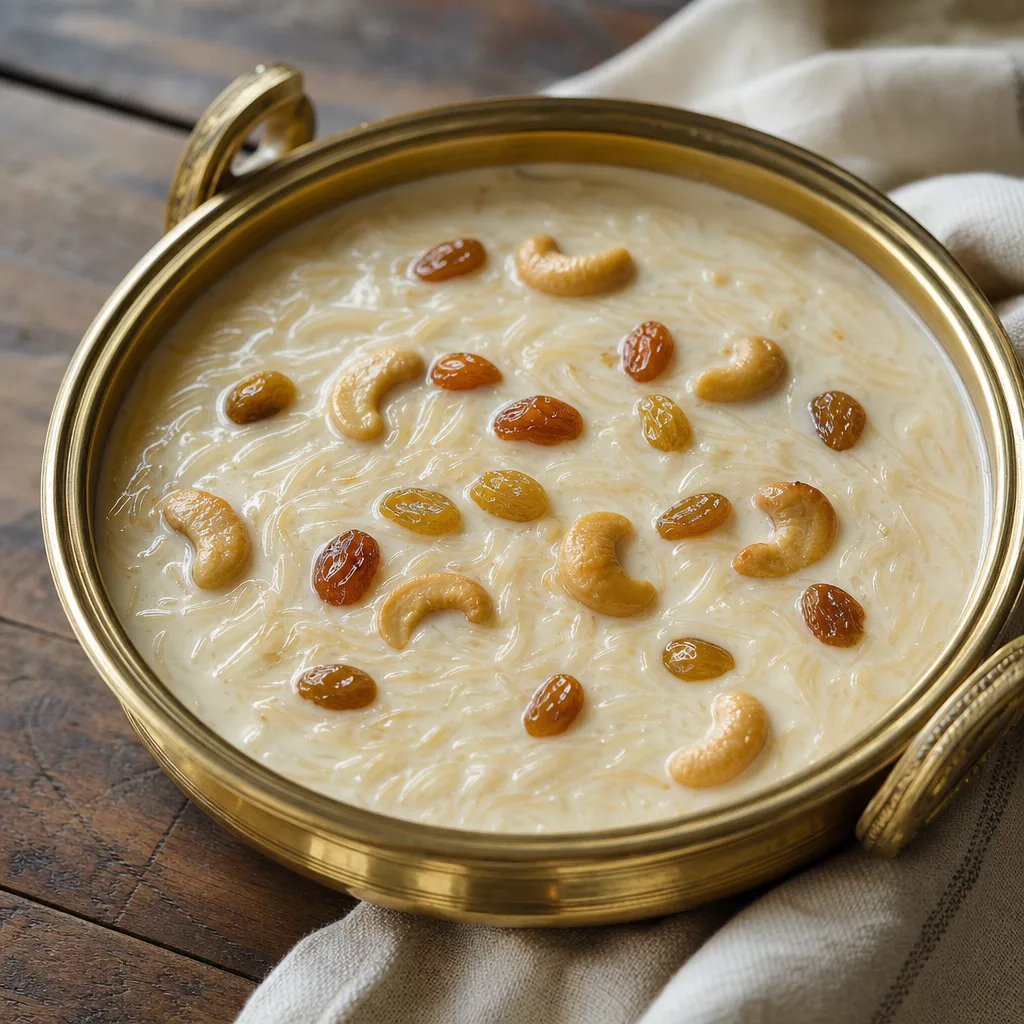
Semiya payasam is the payasam most Kerala households make on a weekday festival or when guests arrive without warning. It asks for nothing that is not already in the kitchen, and it comes together in under half an hour. The result is a pale, ivory-coloured, lightly thickened milk pudding with vermicelli threads that are soft but not collapsed, carrying the fragrance of cardamom and ghee-fried cashews.
In Travancore homes the milk is reduced properly on the flame before the vermicelli goes in, which gives the payasam a gentle creaminess without condensed milk. Sugar is the sweetener here, not jaggery. The finished payasam is thinner than a north Indian kheer and is served warm, sometimes even slightly runny, because it thickens further as it cools. Families who like it thicker simply let it sit for ten minutes before serving.
The only real household variation is in the garnish. Some add raisins fried in ghee alongside the cashews; some skip raisins entirely. A few cooks add a small measure of thin coconut milk at the very end for a subtle coconut note, though the plainer milk-only version is more common in Travancore. Both are correct.
Ingredients (serves 4 to 6)
For the payasam
Method
Reduce the milk
Pour the milk into a wide, heavy-bottomed vessel and bring it to a full boil over medium heat, stirring occasionally so the bottom does not scorch. Once it boils, lower the heat and let it simmer uncovered for 12 to 15 minutes, stirring every two or three minutes, until it has reduced by roughly one-fifth. The milk should look slightly thicker and coat the back of a spoon lightly. This step is what gives the payasam its body.
Fry the cashews and raisins
While the milk reduces, warm the ghee in a small pan over low heat. Add the cashew halves and fry, stirring constantly, until they are a light golden colour, about two minutes. If using raisins, add them now and fry for thirty seconds until they puff up. Remove from the heat immediately and set aside with all the ghee. Do not walk away during this step; cashews go from golden to burnt quickly.
Add the vermicelli
Once the milk has reduced, add the roasted vermicelli directly to the simmering milk. Stir immediately so the strands separate and do not clump. Cook over medium-low heat for 8 to 10 minutes, stirring frequently, until the vermicelli is completely soft and has absorbed some of the milk. The liquid will thicken noticeably. If the vermicelli was unroasted, it will take a minute or two longer.
Add the sugar
Add the sugar and stir until it dissolves fully, about one minute. Taste at this point and adjust. The payasam will loosen slightly when the sugar goes in; this is normal. Continue to cook for two more minutes on low heat so the sugar is fully incorporated and the consistency returns.
Add the cardamom
Take the vessel off the heat. Stir in the crushed cardamom. Adding cardamom off the heat preserves its fragrance; if it goes in too early it turns faintly bitter.
Finish with the ghee garnish
Pour the fried cashews, raisins, and all the ghee from the pan over the payasam and stir gently once. Serve warm. If the payasam looks thinner than you want, let it sit covered for five to ten minutes; the vermicelli continues to absorb milk as it rests and the consistency will tighten.
How to serve
Served on its own as a sweet course at the end of a Kerala sadya, or offered as prasadam during festivals. Some households serve it alongside banana chips or papadam as a contrast, but the payasam itself needs no accompaniment.
Served with: Served on its own as a sweet course at the end of a Kerala sadya, or offered as prasadam during festivals. Some households serve it alongside banana chips or papadam as a contrast, but the payasam itself needs no accompaniment.
Cook's tips
Unroasted vermicelli
If your vermicelli is unroasted (pale white rather than golden), dry-roast it in the vessel before adding the milk. Stir over medium heat for three to four minutes until it turns a light golden colour and smells nutty. Then proceed with the recipe. Unroasted vermicelli added directly to milk can turn gluey.
Milk scorching
Once the vermicelli is in, the payasam sticks to the bottom very easily. Keep the heat on medium-low and stir every minute or so, reaching the corners of the vessel with the spoon. A thick-bottomed vessel is not optional here; a thin pan will scorch before you notice.
Consistency on cooling
Semiya payasam thickens considerably as it cools. If you are making it ahead, pull it off the heat while it still looks slightly thinner than you want. Reheat gently with a splash of warm milk to loosen it back to the right consistency.
Sugar timing
Do not add sugar before the vermicelli is fully cooked. Sugar firms up the strands and they will not soften properly if sweetened too early. Always cook the vermicelli in plain reduced milk first.
Regional variations
Tamil Nadu version uses condensed milk and is thicker; Karnataka version (sevigebele payasa) sometimes includes jaggery instead of sugar; Andhra households add a pinch of edible camphor.
Glossary
- Semiya സേമിയ
- Thin vermicelli, sold roasted (golden) or unroasted (white) in Kerala markets.
- Payasam പായസം
- Kerala term for a milk- or coconut-milk-based sweet pudding served at festivals and sadya.
- Kudampuli കുടംപുളി
- Gamboge or Malabar tamarind; not used in this dish but included here as a commonly confused regional souring agent.
- Sadya സദ്യ
- The traditional Kerala feast served on a banana leaf, of which payasam is the final sweet course.
Two things decide this payasam. The first is reducing the milk properly before the vermicelli goes in; skipping this step gives you a watery, thin result that no amount of extra sugar will fix. The second is adding the cardamom off the heat so its fragrance stays clean and bright rather than cooking away into the background.
More Sweets & Payasam recipes
Elaneer Payasam
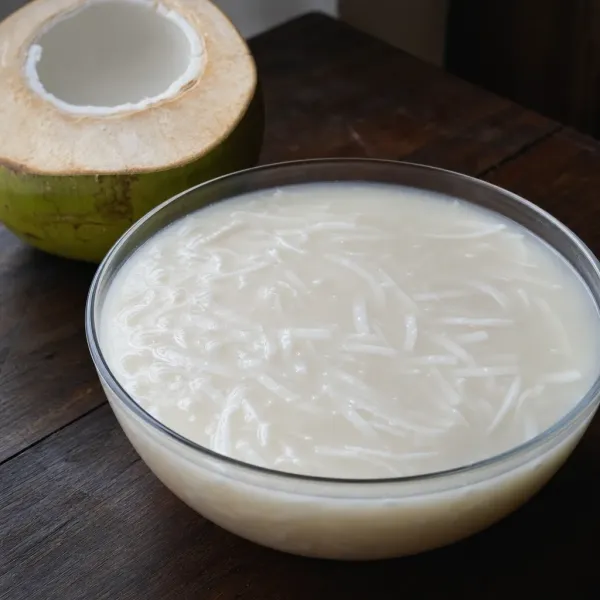
Traditional Kerala elaneer payasam made with fresh tender coconut water, soft malai and reduced full-fat milk. Chilled, light and simply flavoured.
Rava Ladoo
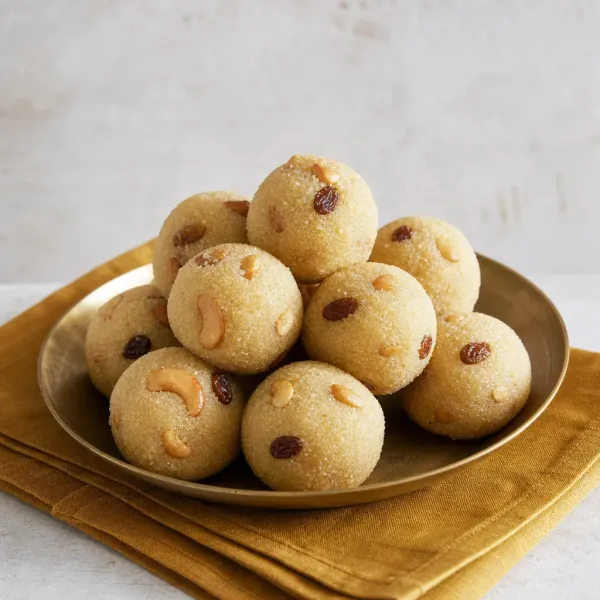
Classic Karnataka rava ladoo with fresh coconut, ghee, cashews and raisins. Traditional household method, roasted on the stovetop, shaped by hand.
Ellu Urundai
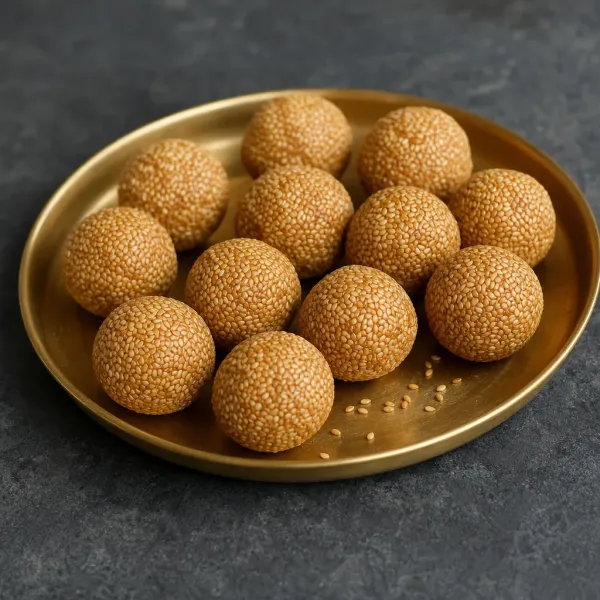
Traditional Tamil Nadu recipe for ellu urundai: roasted sesame seeds bound with dark jaggery syrup, rolled into firm, fragrant balls for Karthigai De…
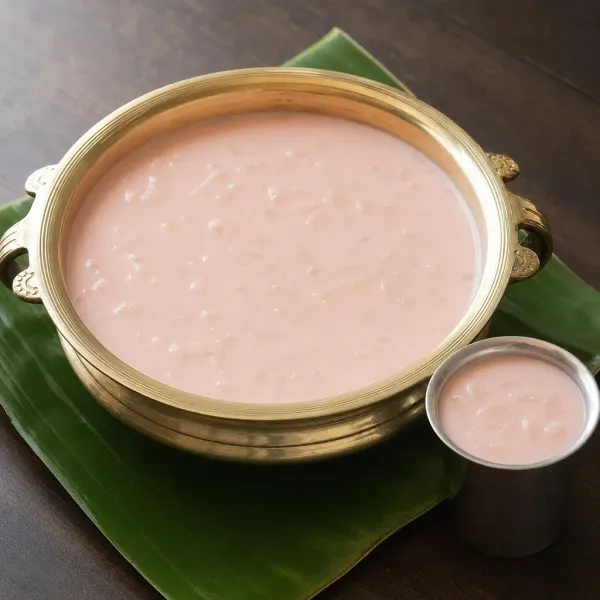
Palada Payasam
Traditional Kerala palada payasam made with full-fat milk, rice ada and sugar. Slow-cooked to a blush pink for the Onam sadya. Step-by-step method.
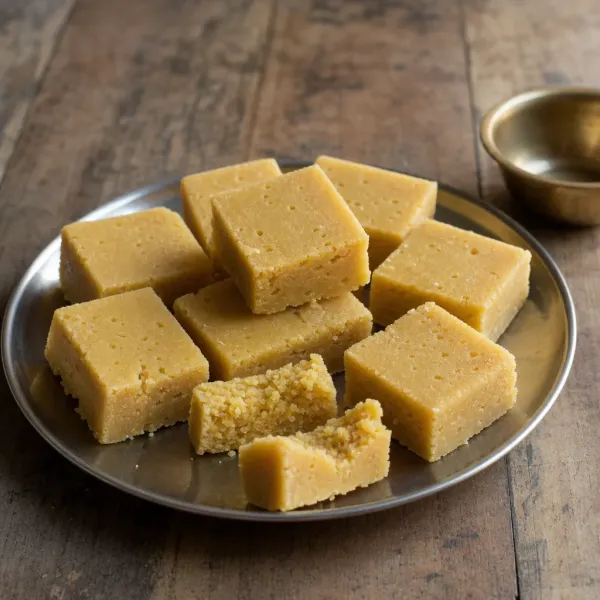
Mysore Pak
Classic Mysuru household Mysore Pak with besan, sugar and pure ghee. Porous, crumbly, melt-in-the-mouth texture. Step-by-step traditional method.
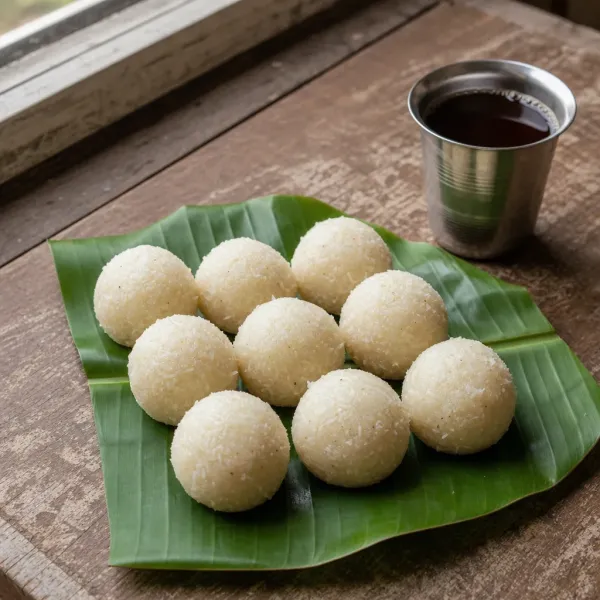
Avalose Unda
Traditional Kerala avalose unda recipe: roasted rice flour, fresh coconut and dark jaggery pressed into soft, crumbly balls. A classic Travancore sna…