

Elaneer Payasam Recipe
Malayalam ഇളനീർ പായസംTamil இளநீர் பாயசம்Kannada ಎಳನೀರು ಪಾಯಸTelugu ఇళనీరు పాయసం
- Prep15 min
- Cook30 min
- Serves4
- DifficultyEasy
- DietVegetarian
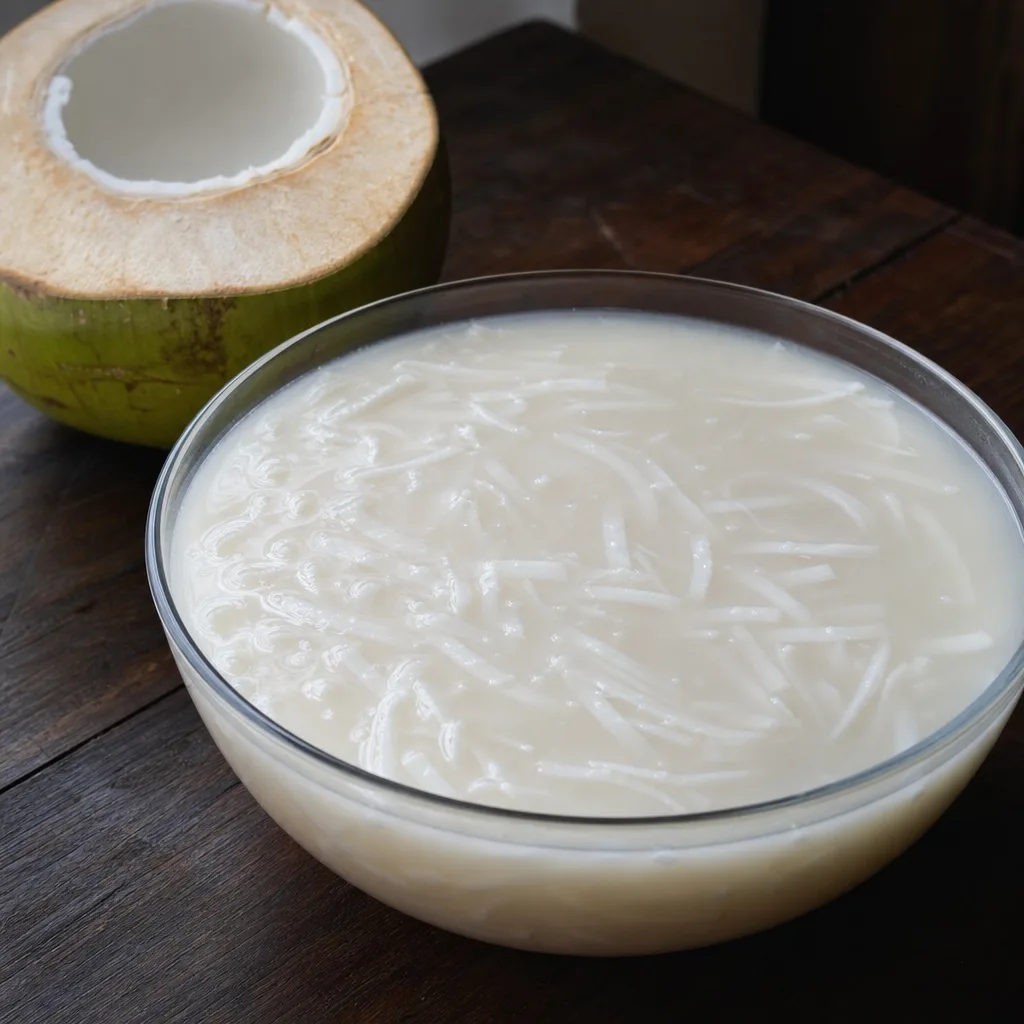
This is a cold payasam, served chilled, and it belongs to the warm months when tender coconuts are plentiful and the kitchen does not need another dish on the fire for long. It is light where most payasams are heavy, and the flavour is almost entirely the elaneer itself — that faintly sweet, faintly grassy water and the soft, translucent flesh that comes away from the shell in thin scoops.
In Travancore households it typically appears at the end of a sadya as an alternative to the richer ada pradhaman or parippu pradhaman, or it is served on its own on a hot afternoon. It does not need a festival occasion. If there are good tender coconuts, this gets made.
Households differ mainly in the dairy base. Older recipes reduce full-fat cow's milk down until it thickens slightly before adding the elaneer. Younger cooks often reach for condensed milk instead, which shortens the cooking considerably. Both are honest household practices. This recipe uses the reduced-milk method because the flavour is cleaner and less cloying, but the condensed milk shortcut is noted separately.
Ingredients (serves 4)
For the payasam
Method
Open and prepare the tender coconuts
Open both tender coconuts carefully. Pour the water through a fine sieve into a clean bowl and set aside. Use a large spoon to scrape the soft flesh from the inner shell in long, gentle strokes. The flesh should come away in thin, translucent sheets. If any brown shell clings to the flesh, trim it off. Keep the flesh and water separate for now.
Slice the flesh
Cut the tender coconut flesh into thin strips or small irregular pieces roughly 2 to 3 cm long. Do not blend it at this stage. The pieces should be visible in the finished payasam, giving it texture. Set aside.
Reduce the milk
Pour the full-fat milk into a wide, heavy-bottomed pan and place it over medium heat. Stir frequently as it heats so a skin does not form and stick to the bottom. Once it comes to a rolling boil, reduce the heat to medium-low and let it simmer, stirring every few minutes, until it reduces to roughly 400 ml. This takes about 20 to 25 minutes. The milk will thicken slightly and turn a shade more ivory. Do not rush this on high heat or the milk will scorch.
Add the sugar
Add the sugar to the reduced milk while it is still on low heat. Stir until dissolved completely, about 2 minutes. Taste the milk at this point; it should be noticeably sweet because the elaneer water you add next will dilute it. Remove from heat and allow to cool to room temperature.
Combine milk and elaneer water
Once the sweetened milk has cooled to room temperature, stir in the strained tender coconut water. Do not add the elaneer water to hot milk; the heat will dull its fresh flavour. Stir gently to combine.
Add the flesh and cardamom
Add the sliced tender coconut flesh and the ground cardamom powder. Stir once. If using rose water, add it now. Taste and adjust sugar if needed, keeping in mind the payasam will taste slightly less sweet once it is cold.
Chill before serving
Transfer to a clean bowl or individual serving glasses. Cover and refrigerate for at least 2 hours. The payasam thickens slightly as it chills. Serve cold. It does not improve beyond the first day; the elaneer water loses its freshness quickly.
How to serve
Served on its own, chilled, at the end of a meal or as an afternoon refreshment. At a sadya it may follow the heavier pradhaman.
Served with: Served on its own, chilled, at the end of a meal or as an afternoon refreshment. At a sadya it may follow the heavier pradhaman.
Cook's tips
Condensed milk shortcut
Replace the full-fat milk and sugar with one 400 g tin of sweetened condensed milk thinned with 200 ml of water. Skip the reduction step entirely. Combine with the elaneer water once the condensed milk mixture is at room temperature. The result is richer and sweeter; reduce the condensed milk to 300 g if the elaneer is already sweet.
Choosing the right tender coconut
The flesh must be soft enough to cut with a spoon. Overripe tender coconuts have thick, rubbery flesh that turns unpleasant in a cold payasam. When you shake the coconut it should sound full of water. The flesh should be no more than 5 to 6 mm thick.
Do not blend the flesh
Blending the coconut flesh makes the payasam starchy and slightly gluey. The thin sliced pieces are part of what makes this light.
Storage
Consume within 24 hours. The elaneer water begins to ferment and the fresh flavour is gone by the second day even when refrigerated.
Regional variations
A dairy-free version uses thick coconut milk as the base in place of reduced cow's milk; Tamil Nadu households make a similar preparation sometimes thickened with sago.
Glossary
- Elaneer ഇളനീർ
- Tender coconut; both the water inside and the soft flesh are referred to by this word.
- Malai മലൈ
- The soft, jelly-like flesh of a young tender coconut, distinct from the hard flesh of a mature coconut.
- Payasam പായസം
- A Kerala sweet preparation, usually milk-based, served at the end of a meal or at festivals; equivalent to kheer in North India but with distinct regional forms.
- Sadya സദ്യ
- A traditional Kerala vegetarian feast served on a banana leaf, most commonly at Onam and weddings.
- Pradhaman പ്രഥമൻ
- A richer class of Kerala payasam made with coconut milk rather than cow's milk, often with ada, parippu or banana.
Two things decide this payasam: the quality of the tender coconuts and the temperature at which you combine the elaneer water with the milk. Use young coconuts with genuinely soft flesh and water that tastes clean and lightly sweet, and make sure the milk has cooled fully before the elaneer goes in. Get those two things right and the payasam almost makes itself.
More Sweets & Payasam recipes
Rava Ladoo
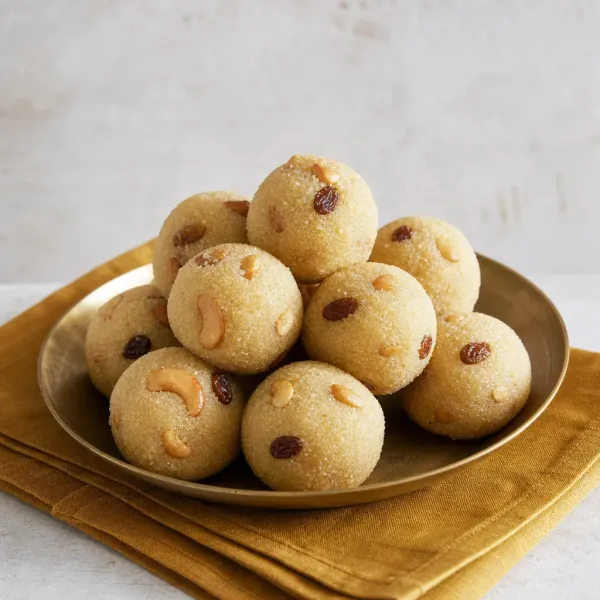
Classic Karnataka rava ladoo with fresh coconut, ghee, cashews and raisins. Traditional household method, roasted on the stovetop, shaped by hand.
Semiya Payasam
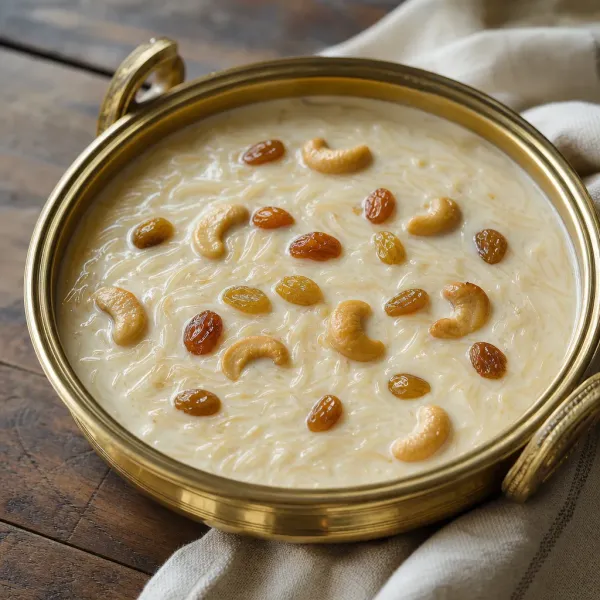
Traditional Kerala semiya payasam made with reduced whole milk, roasted vermicelli, sugar, cardamom and ghee-fried cashews. Ready in 30 minutes.
Ellu Urundai
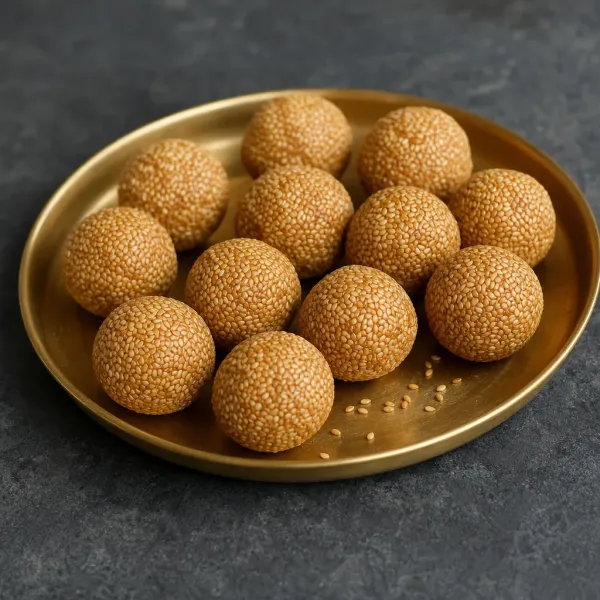
Traditional Tamil Nadu recipe for ellu urundai: roasted sesame seeds bound with dark jaggery syrup, rolled into firm, fragrant balls for Karthigai De…
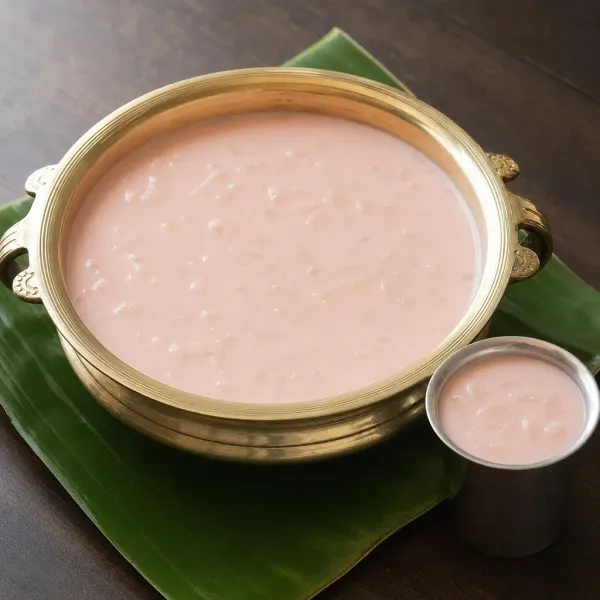
Palada Payasam
Traditional Kerala palada payasam made with full-fat milk, rice ada and sugar. Slow-cooked to a blush pink for the Onam sadya. Step-by-step method.
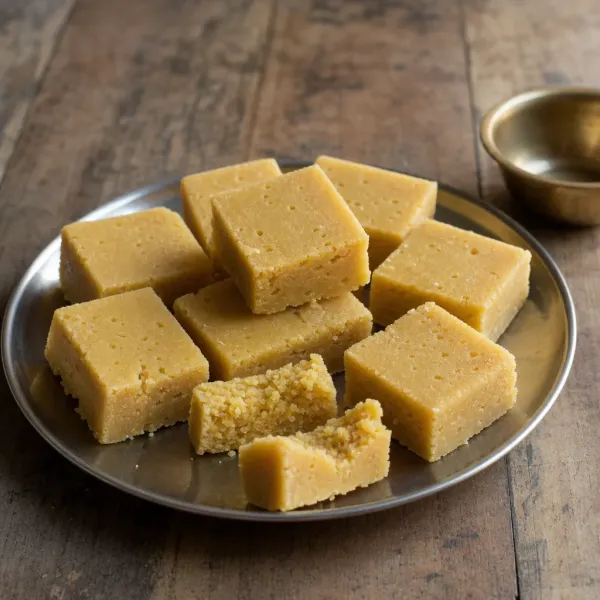
Mysore Pak
Classic Mysuru household Mysore Pak with besan, sugar and pure ghee. Porous, crumbly, melt-in-the-mouth texture. Step-by-step traditional method.
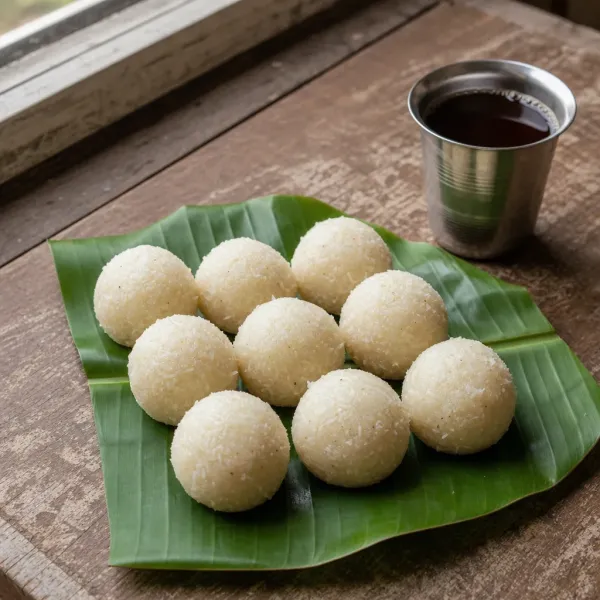
Avalose Unda
Traditional Kerala avalose unda recipe: roasted rice flour, fresh coconut and dark jaggery pressed into soft, crumbly balls. A classic Travancore sna…