

Ellu Urundai Recipe
Malayalam എള്ള് ഉരുണ്ടTamil எள்ளு உருண்டைKannada ಎಳ್ಳು ಉಂಡೆTelugu నువ్వుల ఉండలు
- Prep10 min
- Cook20 min
- Serves20 to 22 balls
- DifficultyEasy
- DietVegan
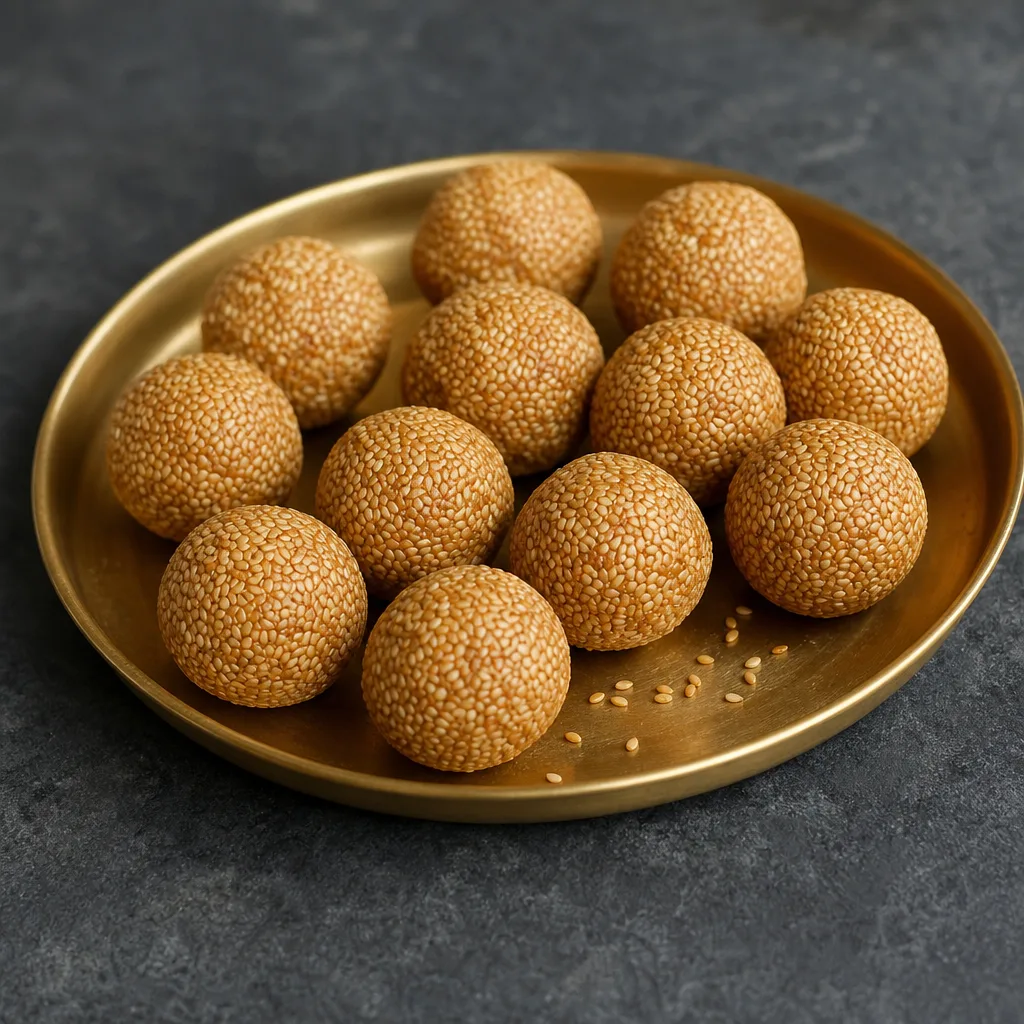
Ellu Urundai is one of those sweets that belongs to the home and to the festival calendar, not to the sweet shop. In Tamil Nadu it is made for Karthigai Deepam, for Makar Sankranti, and whenever sesame is pressed into service as an offering. The balls are small, dense, and darkly fragrant, with the roasted bitterness of sesame held in check by the deep caramel of vellam.
The method is simple but unforgiving in one place: the jaggery syrup. Pull it off the heat a moment too soon and the balls will not hold. Let it go a moment too long and the mixture seizes before you can roll it. Every cook in a Tamil household has a feel for the right stage, which they will describe as a soft ball in water, and that is exactly what you should test for.
Households differ on the sesame: some use only white sesame, some use only black, and many use both together. Black sesame gives a stronger, slightly more bitter flavour and a darker ball; white sesame is milder and produces a paler, more golden urundai. The recipe below uses white sesame, which is the more common household choice, but the method is identical for black or a mix.
Ingredients (serves 20 to 22 balls)
For the urundai
Method
Dry-roast the sesame
Put the sesame seeds into a wide, heavy kadai over medium-low heat. Stir or shake the pan constantly. The seeds will begin to pop and jump after three to four minutes. Keep going until they are a shade darker and smell nutty and toasted, not bitter — another two minutes or so. Tip them immediately onto a wide plate or tray to stop the cooking. Do not leave them in the hot pan.
Cool the sesame completely
Spread the roasted seeds in a single layer and let them cool to room temperature. This is not a step to rush. Warm sesame added to hot jaggery syrup will cause the syrup to cool unevenly and the mixture will be difficult to roll.
Dissolve the jaggery
Put the grated jaggery and the 60 ml of water into a small, heavy-bottomed pan over medium heat. Stir until the jaggery is fully dissolved. If your jaggery has grit or impurities, strain the liquid through a fine sieve into a clean pan now.
Cook the syrup to soft-ball stage
Bring the strained jaggery liquid to a boil over medium heat without stirring. Let it bubble steadily. After four to five minutes, drop a small amount of syrup into a bowl of cold water. If it forms a soft, pliable ball that holds its shape briefly before dissolving, the syrup is ready. If it disperses immediately in threads, cook for another minute and test again. This is the critical moment — do not walk away from the pan.
Add the spices
Remove the pan from the heat. Add the cardamom powder and the dry ginger powder if using. Stir once to combine.
Add the sesame and mix
Pour the roasted sesame seeds into the syrup all at once. Stir quickly and firmly with a wooden spoon or spatula until every seed is coated and the mixture comes together into a rough, sticky mass. Work fast — the mixture cools and stiffens within a few minutes.
Roll into balls
Grease your palms lightly with a drop of coconut oil or ghee. Pinch off a small amount of the mixture — roughly the size of a large marble, about 25 to 30 g — and press and roll it firmly between your palms into a compact ball. The mixture should be warm enough to hold together but cool enough to handle. If it sticks too much, wait thirty seconds; if it crumbles, work faster or press harder. Set each ball on a plate as you go.
Cool and set
Leave the finished balls undisturbed at room temperature for twenty to thirty minutes. They will firm up as they cool. Do not refrigerate them — the jaggery will sweat and the balls will become sticky.
How to serve
Eaten on their own as a festival sweet or afternoon snack. Traditionally offered as prasadam during Karthigai Deepam. No accompaniment is needed or usual.
Served with: Eaten on their own as a festival sweet or afternoon snack. Traditionally offered as prasadam during Karthigai Deepam. No accompaniment is needed or usual.
Cook's tips
The syrup stage is everything
If the syrup is undercooked, the balls will not hold their shape and will flatten within minutes. If overcooked, the mixture will harden in the pan before you finish rolling. Test in cold water every thirty seconds once the syrup has been boiling for four minutes. A soft, pliable ball in the water is the target.
Work in small batches if needed
If this is your first time, make a half batch. The rolling window is short — about three to four minutes — and a smaller quantity is easier to manage before it sets.
Black sesame version
Replace white sesame with black sesame in the same quantity and method. The balls will be darker and more strongly flavoured. Some cooks use half white and half black for a balanced result.
Storage
Store in an airtight tin at room temperature. They keep well for five to six days in a cool kitchen. Do not refrigerate.
Jaggery quality matters
Pale, refined jaggery will give a weaker flavour and a syrup that is harder to judge. Use dark, unrefined vellam — the kind that smells of molasses. Avoid jaggery powder for this recipe; it behaves differently in syrup.
Regional variations
Karnataka households make a similar ball called Ellu Unde with slightly different jaggery ratios and sometimes add roasted groundnuts; Kerala makes Ellu Mittai which is a harder brittle-style sweet rather than a soft ball.
Glossary
- Ellu எள்ளு
- Sesame seeds; in Tamil usage refers to both white and black varieties.
- Urundai உருண்டை
- A ball-shaped sweet or savoury preparation; the shape gives the item its name.
- Vellam வெல்லம்
- Jaggery; unrefined cane sugar sold in blocks or rounds, darker and more complex than refined sugar.
- Chukku podi சுக்கு பொடி
- Dry ginger powder; used in small quantities in sweets for warmth and to aid digestion.
- Karthigai Deepam கார்த்திகை தீபம்
- A Tamil festival of lights celebrated in the month of Karthigai (November–December) during which sesame sweets are traditionally made and offered.
Two things decide this sweet: the roast on the sesame and the stage of the jaggery syrup. Under-roasted sesame tastes raw and flat; over-roasted turns bitter and overwhelms the jaggery. Syrup pulled at the right soft-ball stage gives balls that are firm, chewy, and hold together for days. Miss that stage in either direction and no amount of pressing will save them.
More Sweets & Payasam recipes
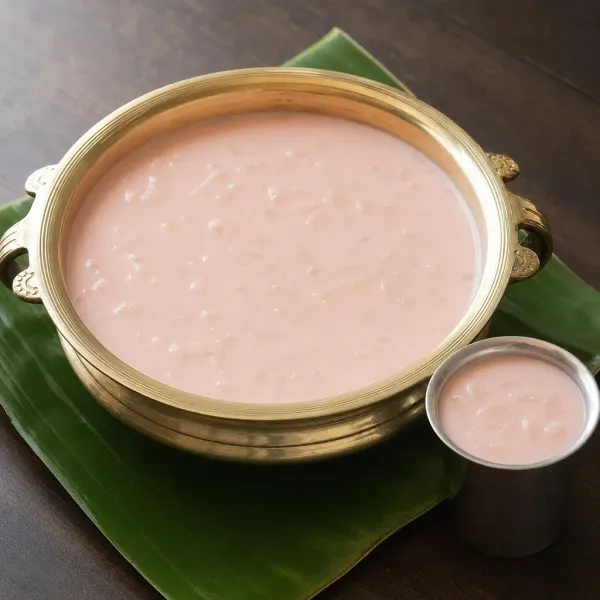
Palada Payasam
Traditional Kerala palada payasam made with full-fat milk, rice ada and sugar. Slow-cooked to a blush pink for the Onam sadya. Step-by-step method.
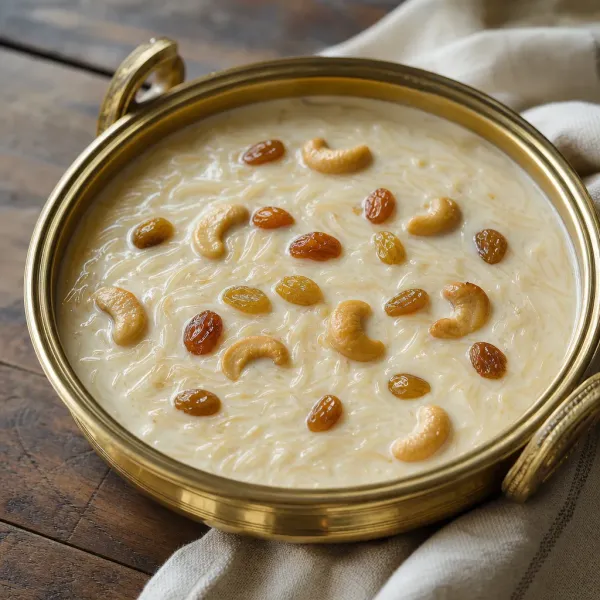
Semiya Payasam
Traditional Kerala semiya payasam made with reduced whole milk, roasted vermicelli, sugar, cardamom and ghee-fried cashews. Ready in 30 minutes.
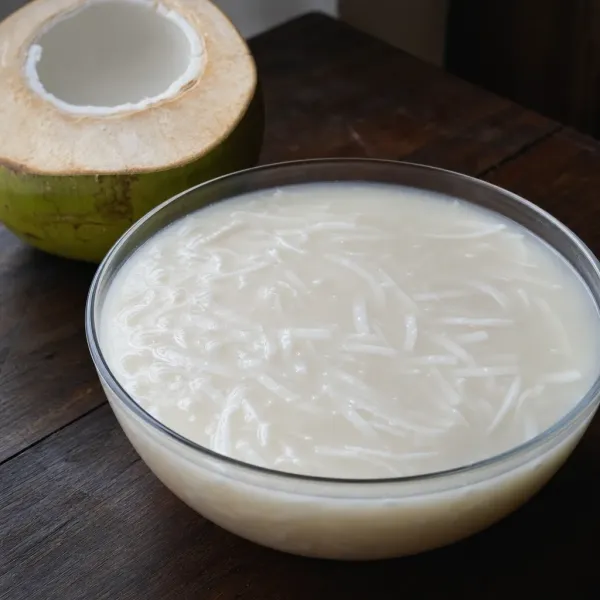
Elaneer Payasam
Traditional Kerala elaneer payasam made with fresh tender coconut water, soft malai and reduced full-fat milk. Chilled, light and simply flavoured.
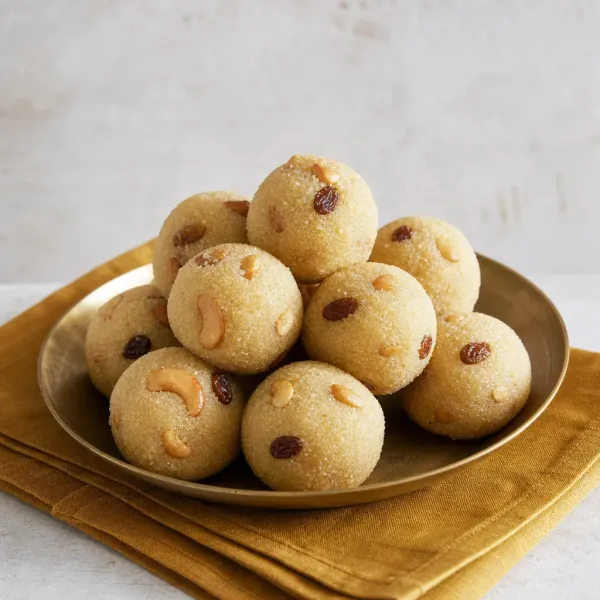
Rava Ladoo
Classic Karnataka rava ladoo with fresh coconut, ghee, cashews and raisins. Traditional household method, roasted on the stovetop, shaped by hand.
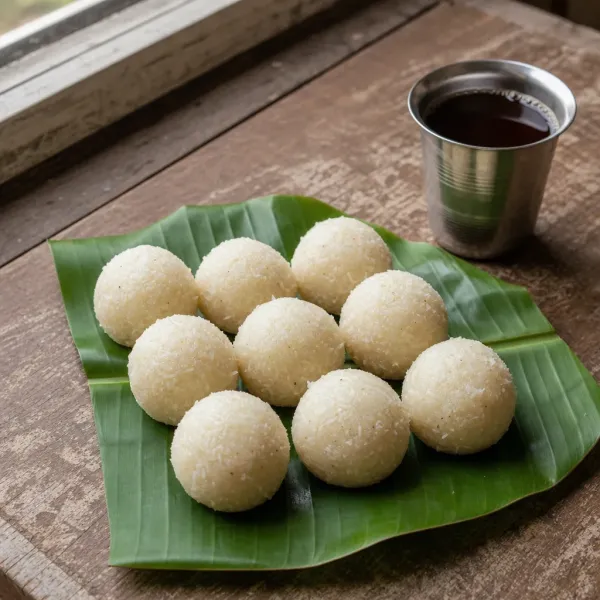
Avalose Unda
Traditional Kerala avalose unda recipe: roasted rice flour, fresh coconut and dark jaggery pressed into soft, crumbly balls. A classic Travancore sna…
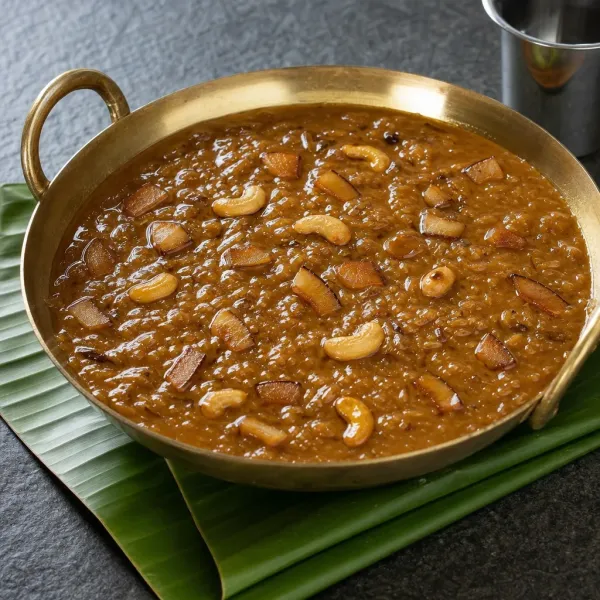
Chakka Pradhaman
Traditional Kerala chakka pradhaman made with chakka varatti, fresh coconut milk and jaggery. A sadya payasam recipe with step-by-step method and coo…