

Chakka Pradhaman Recipe
Malayalam ചക്ക പ്രഥമൻTamil சக்கை பிரதமன்Kannada ಚಕ್ಕ ಪ್ರಥಮನ್Telugu చక్క ప్రధమన్
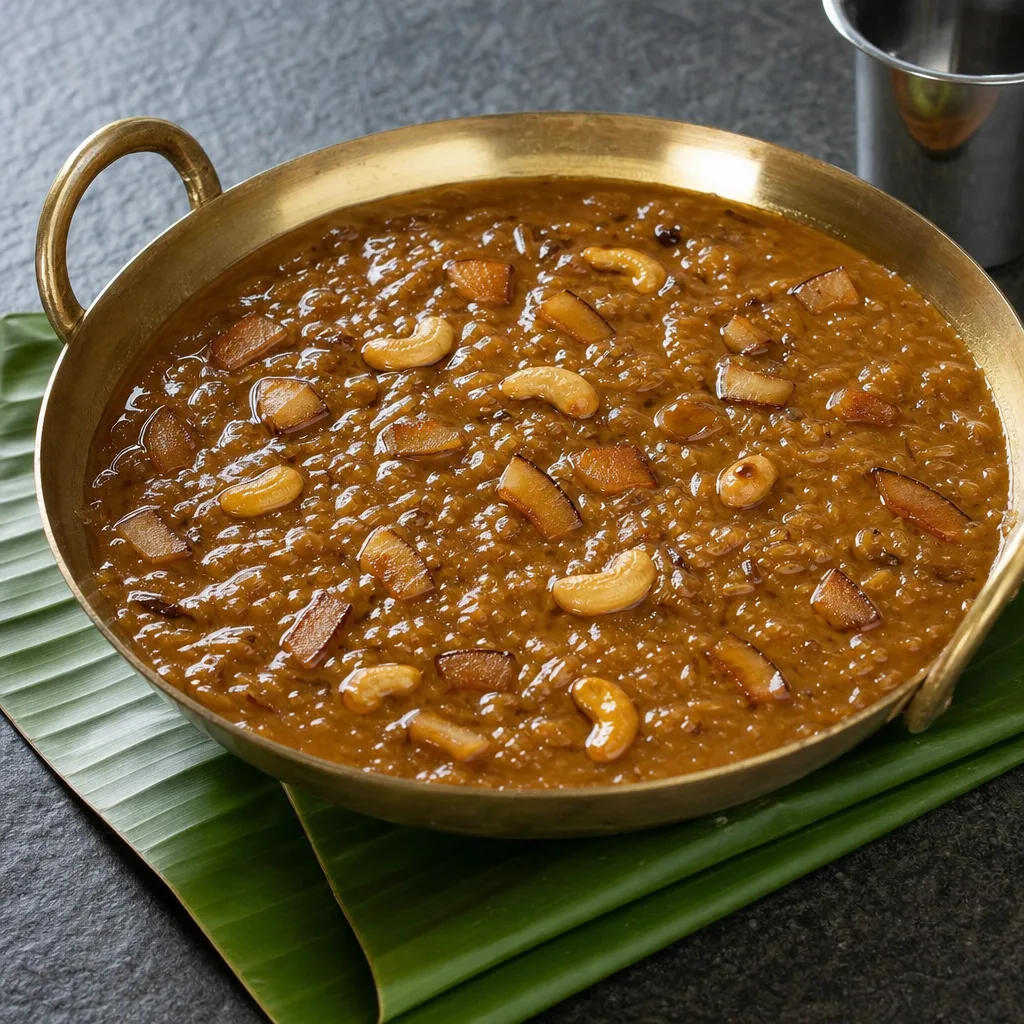
- Prep15 min
- Cook50 min
- Serves6
- DifficultyMedium
- DietVegetarian
Chakka pradhaman is a Kerala payasam built on chakka varatti, the thick, slow-cooked preserve of ripe jackfruit and jaggery that every household either makes at the height of the season or buys from a trusted source. Because the varatti already carries the sweetness and the deep jackfruit flavour, the payasam comes together with very few ingredients. It is a sadya dish, served in a small quantity at the end of the banana-leaf meal, and it appears at Onam, Vishu, and any occasion important enough to warrant a full feast.
The liquid base is thin and thick coconut milk drawn from fresh coconut. The thin milk does the cooking; the thick milk goes in at the very end, off the heat or on the lowest possible flame. Rushing the coconut milk stage or letting it boil hard will break the fat and leave you with a greasy, curdled payasam. The finishing tempering of dried coconut pieces and cashews in ghee is not optional; it is where the texture comes from.
Households differ mainly in how sweet their varatti is and how thick they like the final payasam. Some cooks add a small piece of edible camphor (pachakappooru) at the very end; others do not. The cardamom is always there. Dry ginger powder appears in some Travancore households as a second spice; it is genuinely traditional and worth including if you have it.
Ingredients (serves 6)
For the payasam
Method
Melt the jaggery
Put the grated jaggery in a small heavy pan with 3 tbsp water over medium heat. Stir until it dissolves completely, then strain through a fine sieve to remove any grit. Set aside. Do not reduce it to a syrup; you only need it liquid and clean.
Loosen the varatti
Spoon the chakka varatti into a wide, heavy-bottomed uruli or deep pan. Add about 100 ml of the thin coconut milk and set the pan over low heat. Stir steadily until the varatti softens and blends into the milk smoothly, with no lumps remaining. This takes 5 to 7 minutes. The mixture will look like a thick, dark paste at this stage.
Add the jaggery
Pour the strained jaggery liquid into the loosened varatti and stir well. Taste now. Chakka varatti varies in sweetness; if yours is already very sweet, hold back some of the jaggery. The mixture should taste noticeably sweeter than you want the finished payasam, because the coconut milk will balance it.
Cook with thin coconut milk
Pour in the remaining thin coconut milk and raise the heat to medium. Stir continuously. The payasam will bubble gently and thicken over 20 to 25 minutes. Keep stirring so the bottom does not catch. It is ready when it coats the back of a spoon and has reduced by roughly a quarter. The colour will be a deep amber-brown.
Add spices
Lower the heat to the smallest flame. Stir in the crushed cardamom and the dry ginger powder if using. Let it cook for one more minute so the spices bloom into the payasam.
Add thick coconut milk
Take the pan off the heat entirely, or keep it on the very lowest flame your stove allows. Pour in the thick coconut milk in a slow, steady stream, stirring as you go. Do not let the payasam boil after this point. Boiling thick coconut milk will split it and the fat will separate to the surface. Stir gently for two minutes on residual heat; the payasam will thicken a little more as it sits.
Fry the garnish
Heat the ghee in a small pan over medium heat. Add the coconut pieces first; fry, stirring, until they are golden and beginning to brown at the edges, about 3 to 4 minutes. Add the cashew halves and fry until they colour to a pale gold, another 1 to 2 minutes. Pour the entire contents of the pan, ghee and all, over the payasam and stir through.
Rest and serve
Let the payasam sit for 5 minutes before serving. It thickens as it cools. Serve warm, not piping hot. A payasam that is too hot will mask the jackfruit flavour.
How to serve
Served as part of a Kerala sadya on a banana leaf, after the savoury courses. It follows any milk-based payasam (paal payasam) in the traditional serving order, and is eaten last or second to last.
Served with: Served as part of a Kerala sadya on a banana leaf, after the savoury courses. It follows any milk-based payasam (paal payasam) in the traditional serving order, and is eaten last or second to last.
Cook's tips
Judging your varatti's sweetness
Good homemade varatti made with the correct ratio of jaggery is already very sweet. Taste it before you begin and reduce the added jaggery accordingly. Commercial varatti varies widely; some brands are undersweetened, others are cloying.
Extracting coconut milk at home
Grate one large coconut. Blend with 150 ml warm water, squeeze through a cloth: this is your thick milk. Return the squeezed gratings to the blender with 600 ml warm water, blend again, squeeze: this is your thin milk. The distinction matters; do not combine them.
The coconut milk will not curdle if
You add thick milk only after removing from heat, and you stir gently rather than vigorously. If you see the fat beginning to separate, take the pan off heat immediately and stir in a tablespoon of cold water.
Storing leftovers
Chakka pradhaman keeps refrigerated for two days. Reheat very gently over low heat with a splash of water, and do not let it boil. The texture will not be quite as silky as freshly made, but the flavour holds well.
Pachakappooru
A tiny pinch of edible camphor, added with the cardamom, is used in some Travancore households. It gives a faint, distinctive aroma. Use no more than a grain the size of a mustard seed; too much is medicinal and unpleasant.
Regional variations
Some households make a fresh-chakka version during jackfruit season by cooking ripe jackfruit pods directly with jaggery and coconut milk, skipping the varatti altogether; the varatti-based version is the year-round standard.
Glossary
- Chakka varatti ചക്ക വറട്ടി
- A thick, dark preserve made by cooking ripe jackfruit flesh with jaggery over low heat for several hours until it forms a dense, spoonable paste. Made during jackfruit season and stored for months.
- Pradhaman പ്രഥമൻ
- A category of Kerala payasam made with coconut milk rather than cow's milk. Distinguished from paal payasam by its coconut milk base and typically served at sadya.
- Sharkkara ശർക്കര
- Jaggery in Malayalam, specifically the dark, unrefined palm or cane sugar used in Kerala sweets. The Travancore variety is often darker and more strongly flavoured than the pale Malabar type.
- Chukku ചുക്ക്
- Dry ginger powder. Used in small quantities in some Kerala payasams and in many Ayurvedic preparations; adds a faint warmth that cuts the richness of coconut milk.
- Thenga kothu തേങ്ങ കൊത്ത്
- Small, thin pieces of fresh coconut kernel, fried in ghee as a garnish for payasam and certain Kerala curries.
- Uruli ഉരുളി
- A wide, shallow, heavy brass or bell-metal cooking vessel traditional to Kerala kitchens, used for making payasam, frying, and slow cooking.
- Pachakappooru പച്ചക്കർപ്പൂരം
- Edible camphor, used in tiny amounts as a flavouring in some Kerala sweets and temple offerings. Distinct from the camphor used for burning.
Two things decide this payasam: the quality of the chakka varatti, which carries all the jackfruit depth, and the handling of the thick coconut milk at the end. Get those right and the rest follows. A good varatti made at the height of the season, from the sweetest ripe jackfruit, will produce a pradhaman that no amount of technique can replicate with a poor-quality one.
More Sweets & Payasam recipes
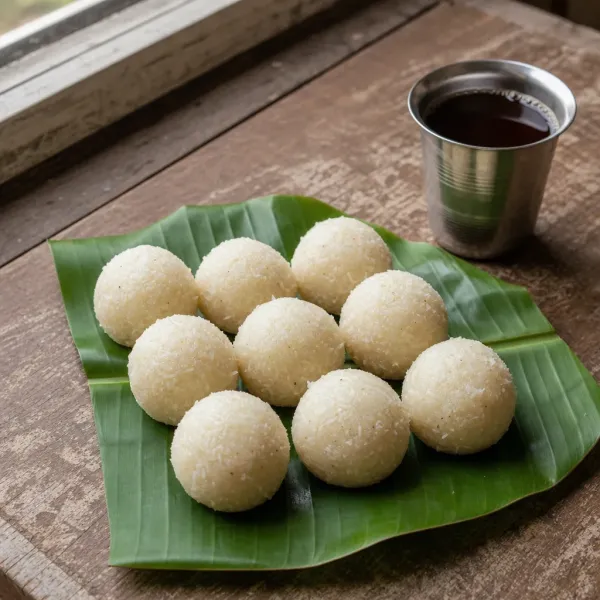
Avalose Unda
Traditional Kerala avalose unda recipe: roasted rice flour, fresh coconut and dark jaggery pressed into soft, crumbly balls. A classic Travancore sna…
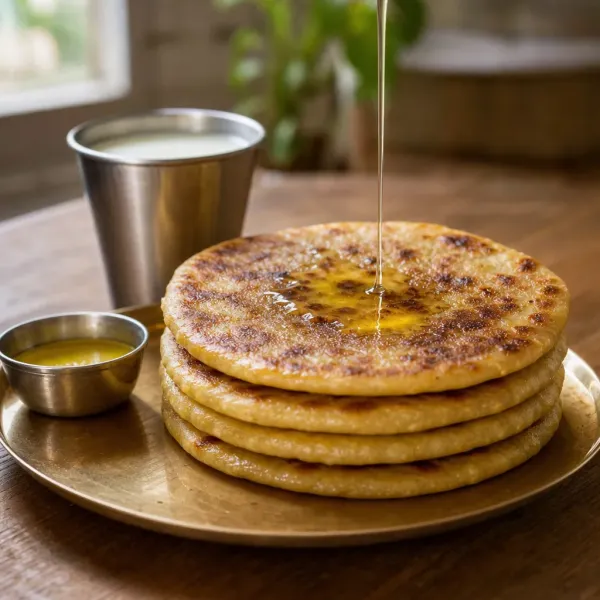
Obbattu (Chana Dal and Jaggery Stuffed Flatbread)
Traditional Karnataka obbattu with chana dal and jaggery filling. Step-by-step household recipe with tips on the oil-rested dough and dry poornam fil…
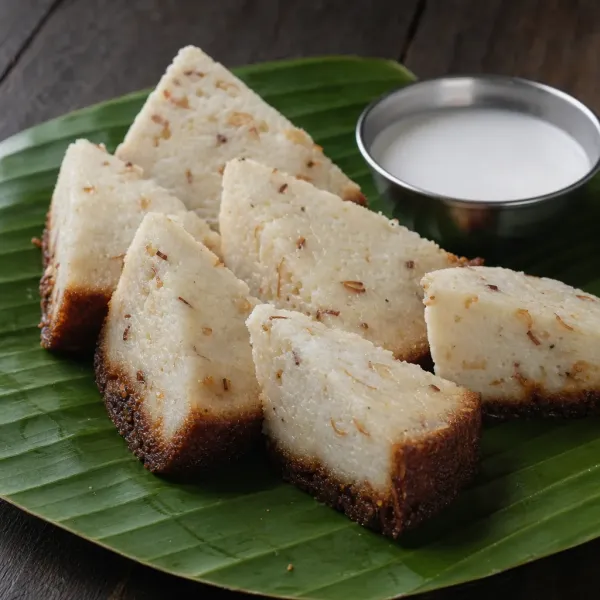
Kalathappam
Traditional Mappila kalathappam from Malabar: fermented rice and coconut batter with fried shallots, jaggery and cumin, baked slow in a heavy vessel.
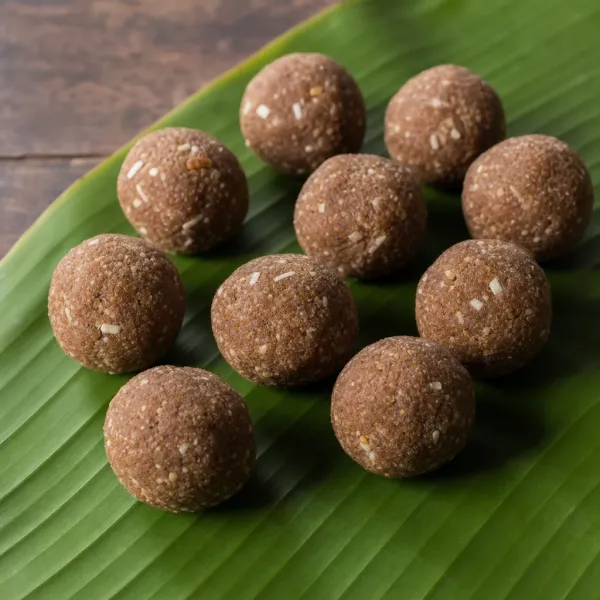
Ari Unda
Traditional Kerala Ari Unda made with roasted raw rice, dark jaggery and fresh coconut. Step-by-step method with tips on roasting and syrup consisten…
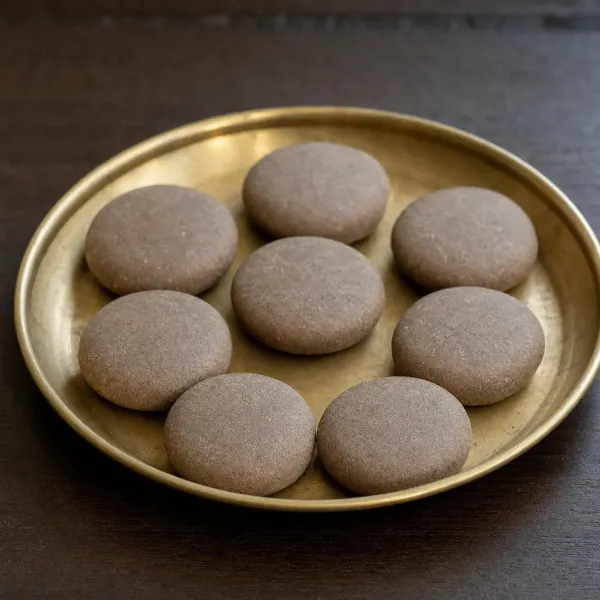
Dharwad Peda
Authentic Dharwad peda made at home with khoya and sugar. The traditional Karnataka sweet with its signature brownish-grey colour, step by step.
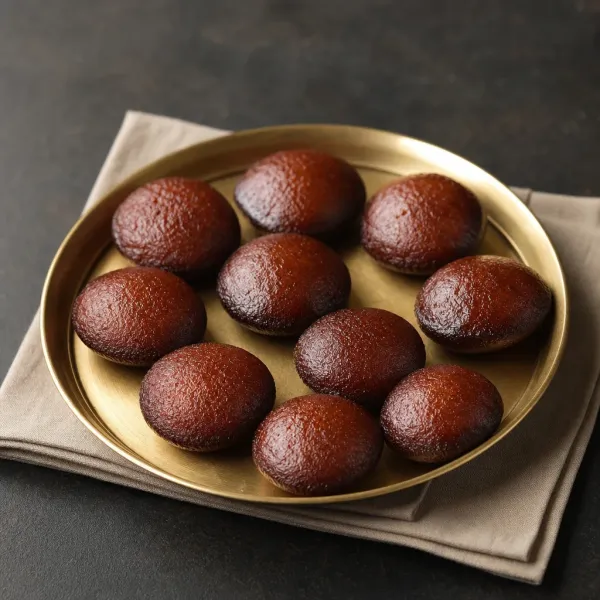
Neyyappam
Traditional Kerala neyyappam made with soaked raw rice, dark jaggery, and pure ghee. Step-by-step temple-style recipe with tips on batter and heat.