

Paal Kova Recipe
Malayalam പാൽ കോവTamil பால் கோவாKannada ಪಾಲ್ ಕೋವಾTelugu పాల్ కోవా
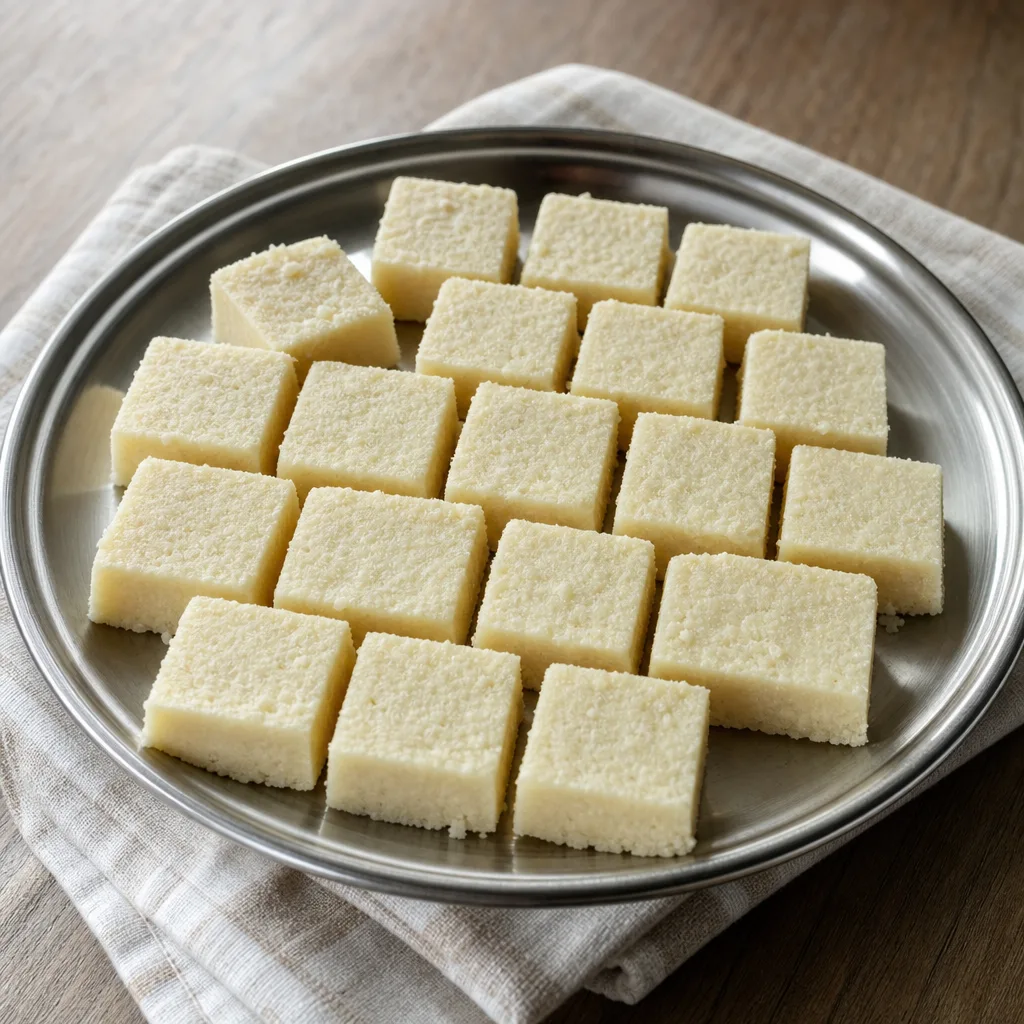
- Prep5 min
- Cook1 hr 30 min
- Serves8
- DifficultyHard
- DietVegetarian
Paal kova is nothing more than full-fat milk and sugar cooked together until the water is driven off and what remains is soft, grainy, ivory-coloured fudge. The colour is pale cream to pale gold — never brown, never caramel. It does not set hard; at room temperature it holds its shape but yields when pressed. The grain in the texture comes from the milk solids crystallising as the mixture cools, and that grain is the mark of a well-made batch.
In Kongunad homes this is made for festivals, for visitors, and whenever a household has excess milk from their own animals. The quantity is usually large — two or three litres at a time — because the effort of standing at the stove for ninety minutes is not worth less. It is eaten on its own, a small spoonful at a time, or pressed into a steel plate, cut into squares, and put out on a tray for guests.
The only real variable among households is sugar: some families use slightly less and get a softer, more moist result that must be eaten within a day; others use the full measure and get a firmer piece that keeps for three or four days at room temperature in cool weather. Both are correct. What is not negotiable is the milk — it must be full-fat and it must be fresh.
Ingredients (serves 8)
For the paal kova
Method
Prepare the kadai
Choose a wide, heavy-bottomed kadai or uruli — the wider the pan, the faster the evaporation and the less likely the milk is to scorch. Rub the inside of the kadai with the ghee before you pour in the milk. This thin film of fat on the base slows scorching in the early stages.
Bring the milk to a boil
Pour in the milk and set the flame to medium-high. Stir every minute or two with a flat ladle or a wooden spatula, scraping the sides and base. Let it come to a full rolling boil. Do not walk away at this stage — milk boils over fast.
Reduce on a steady medium flame
Once boiling, reduce the flame to medium. Keep stirring every two to three minutes, scraping the cream and solids that collect on the sides back into the centre. The milk will slowly thicken and reduce in volume. This stage takes forty to fifty minutes. Rushing it with high heat scorches the base and turns the kova brown and bitter.
Watch for the halfway mark
After thirty to thirty-five minutes the milk will have reduced to roughly half its original volume and will look creamy and slightly yellowish. The bubbles will be slower and larger. This is the halfway point. From here, stir more frequently — every minute or so — because the thicker milk catches on the base much more easily.
Add the sugar
When the milk has reduced to about one-third of its original volume and looks thick and pale — almost like a soft porridge — add the sugar all at once. Stir well. The mixture will loosen momentarily as the sugar dissolves; this is normal. Keep the flame at medium.
Cook out the sugar
Continue stirring constantly now. The sugar will dissolve and the mixture will bubble actively again. Keep cooking and stirring, scraping the base and sides without stopping. The mixture will thicken again over the next ten to fifteen minutes. If you see any sign of sticking or darkening at the base, lower the flame immediately and stir harder.
Test for readiness
The kova is ready when it pulls away from the sides of the kadai as you stir, moves as a single soft mass, and leaves the base of the pan clean for a second before the next stir. Drop a small amount on a cool steel plate — it should hold its shape without spreading and feel slightly grainy when you rub it between your fingers. The colour should be pale ivory to very light cream, not brown.
Finish with ghee and remove from heat
Add the remaining ghee (about half a teaspoon), stir it through quickly, and take the kadai off the flame. The mixture will firm up further as it cools, so remove it while it still looks slightly softer than your target texture.
Set and cool
Transfer immediately to a greased steel plate or tray and spread to an even thickness of about 2 cm. Leave it undisturbed at room temperature for thirty minutes. It will develop a slight grain as it cools — that is the texture you want. Do not refrigerate while warm.
Cut and serve
Once fully cooled and set, cut into small squares or diamonds with a greased knife. Serve at room temperature. The kova should be soft, pale, and mildly grainy — it should melt on the tongue without being sticky.
How to serve
Eaten on its own as a sweet. Often placed on a banana leaf or in small steel katoris as part of a festival spread. No accompaniment is traditional.
Served with: Eaten on its own as a sweet. Often placed on a banana leaf or in small steel katoris as part of a festival spread. No accompaniment is traditional.
Cook's tips
The pan matters
A thin-bottomed pan will scorch the milk even on medium flame. A heavy iron kadai or a thick stainless uruli gives you the most control. If all you have is a thin pan, use a heat diffuser or keep the flame lower than you think necessary.
Do not substitute condensed milk
Condensed milk shortcuts produce a different texture and a much sweeter, stickier result. The grain and the pale colour that define paal kova come only from slowly reducing fresh milk.
Colour is your warning
If the kova starts turning beige or light brown before it has reached the right consistency, the flame is too high or you stopped stirring. Lower the heat and stir harder. A brown kova is not ruined — it is simply a different sweet — but it is not paal kova.
Storage
In cool weather it keeps well for three days at room temperature, covered. In humid or hot weather, refrigerate after the first day and bring back to room temperature before serving. Cold kova loses its soft grain.
Cardamom
Some families stir in a pinch of cardamom powder at the very end with the ghee. This is a genuine household variation, not an error. If you use it, use very little — two or three pods' worth of powder for this quantity — so it does not overpower the milk flavour.
Regional variations
Srivilliputhur palkova is a GI-tagged version from Virudhunagar district made with buffalo milk and a slightly drier, firmer texture; Andhra versions sometimes add a pinch of cardamom or saffron.
Glossary
- Paal kova பால் கோவா
- Reduced milk fudge; paal means milk in Tamil, kova (also khoa or mawa) refers to the dried milk solid.
- Kadai கடாய்
- A wide, deep, round-bottomed cooking pan used across South India; the wide surface area helps milk reduce evenly.
- Uruli ഉരുളി
- A wide, shallow brass or bronze vessel traditional to Kerala and parts of Tamil Nadu; excellent for slow reduction.
- Ghee நெய்
- Clarified butter; used here in a very small quantity to grease the pan and finish the kova.
Two things decide this: the patience to hold the flame at medium for the full ninety minutes, and the attention to keep stirring and scraping so the milk solids never sit still long enough to scorch. Get those right and the pale, grainy, melt-in-the-mouth texture takes care of itself.
More Sweets & Payasam recipes
Neyyappam
Traditional Kerala neyyappam made with soaked raw rice, dark jaggery, and pure ghee. Step-by-step temple-style recipe with tips on batter and heat.
Dharwad Peda
Authentic Dharwad peda made at home with khoya and sugar. The traditional Karnataka sweet with its signature brownish-grey colour, step by step.
Ari Unda
Traditional Kerala Ari Unda made with roasted raw rice, dark jaggery and fresh coconut. Step-by-step method with tips on roasting and syrup consisten…
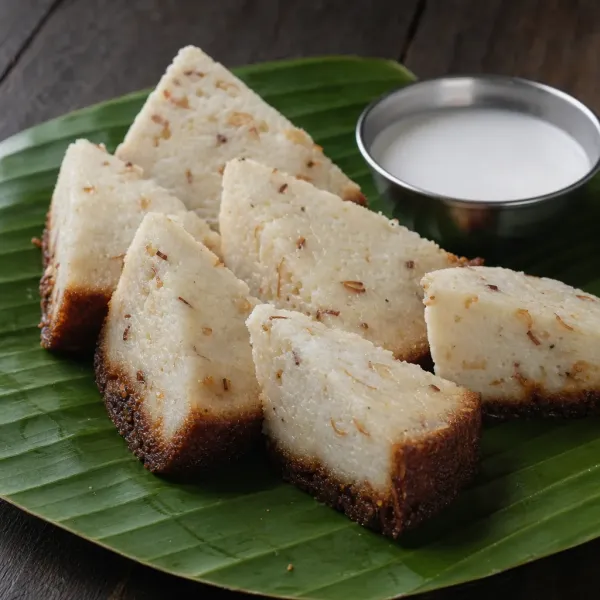
Kalathappam
Traditional Mappila kalathappam from Malabar: fermented rice and coconut batter with fried shallots, jaggery and cumin, baked slow in a heavy vessel.
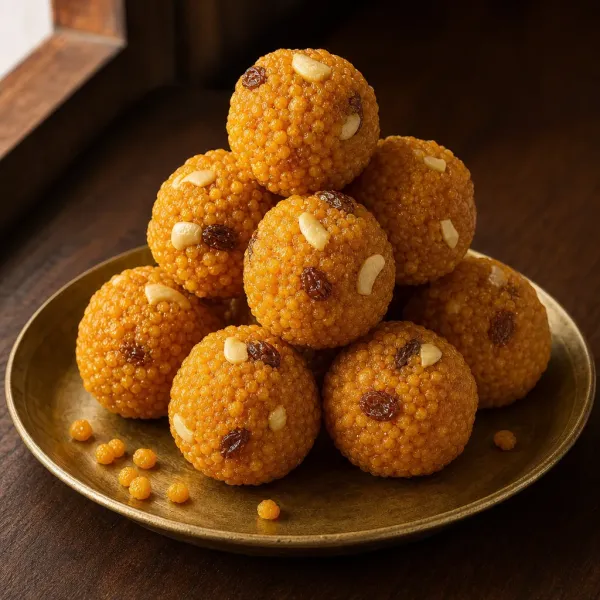
Boondi Ladoo
Traditional Telangana boondi ladoo with one-thread sugar syrup, cardamom, cloves and edible camphor. Step-by-step method for firm, festival-ready lad…
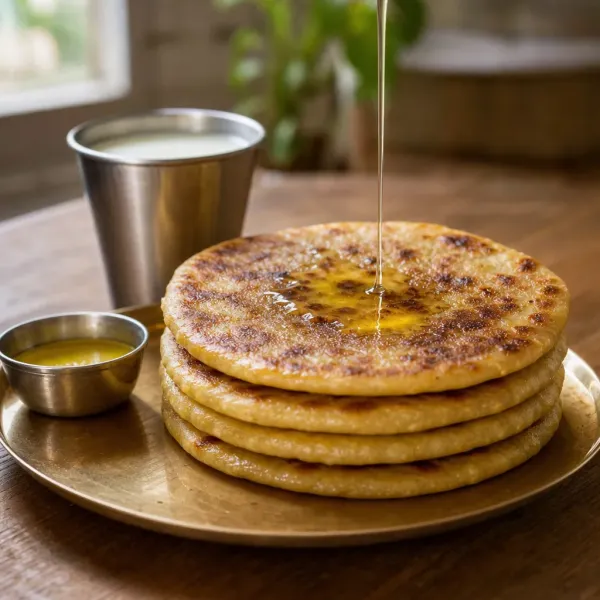
Obbattu (Chana Dal and Jaggery Stuffed Flatbread)
Traditional Karnataka obbattu with chana dal and jaggery filling. Step-by-step household recipe with tips on the oil-rested dough and dry poornam fil…