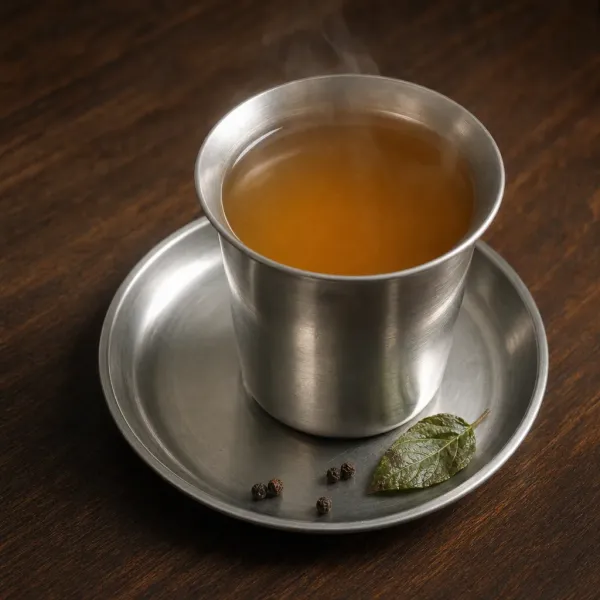
Nannari Sharbat: Sarsaparilla Root Syrup Drink Recipe
Malayalam നന്നാരി ശർബത്ത്Tamil நன்னாரி சர்பத்Kannada ನನ್ನಾರಿ ಶರ್ಬತ್Telugu నన్నారి షర్బత్
- Prep20 min
- Soak / ferment2 hr
- Cook40 min
- Servesmakes approximately 500 ml syrup, enough
- DifficultyMedium
- DietVegan
Nannari sharbat is a cooling drink made from the dried roots of Hemidesmus indicus, a climbing plant that grows across peninsular India. In Tamil Nadu it has been a summer staple long before refrigeration arrived, sold by street vendors who kept clay pots of the diluted syrup cold through the heat of the day. The root carries a distinctive fragrance, earthy and faintly sweet, that no other ingredient replicates.
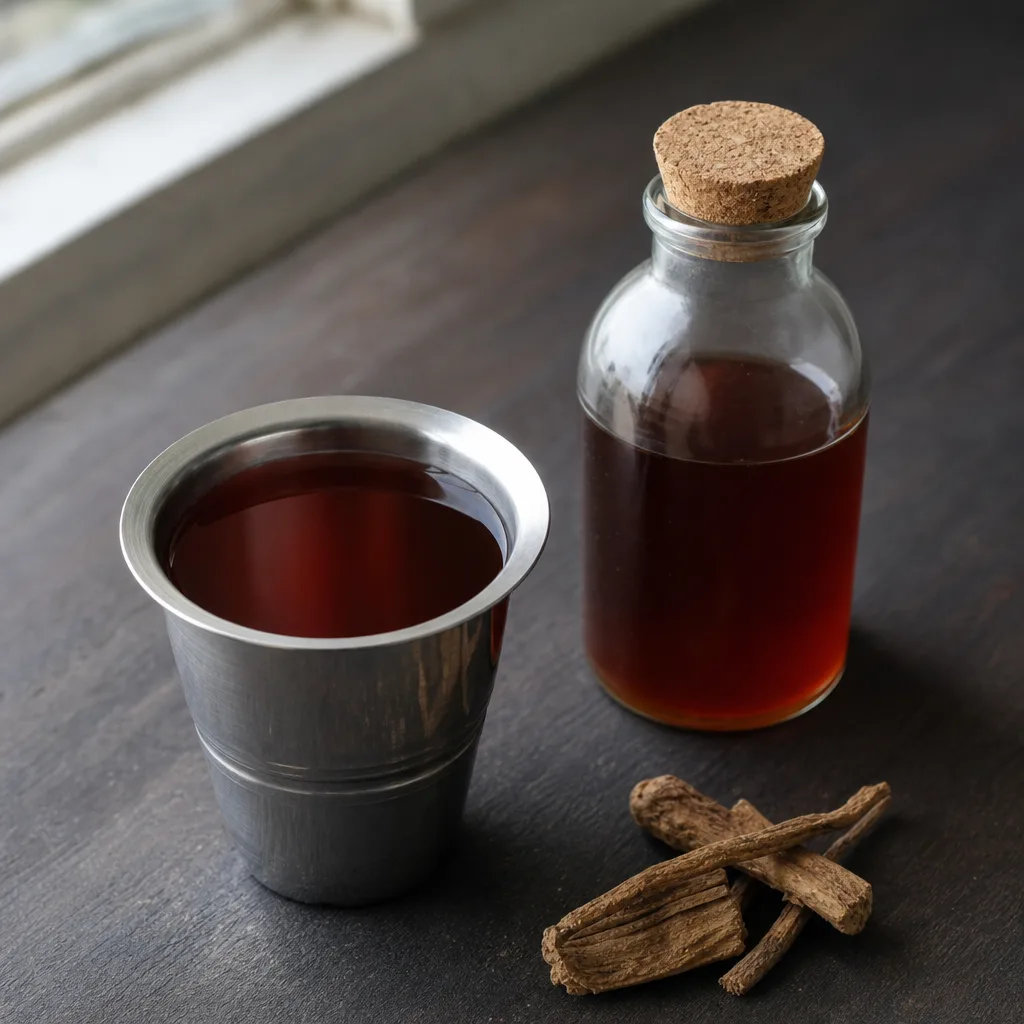
Most Tamil households make this as a concentrated syrup and store it in a glass bottle. When someone wants a glass, they spoon a few tablespoons of syrup into cold water and stir. The syrup keeps for two to three weeks without refrigeration in a cool kitchen, longer in the fridge. The colour of a properly made syrup is a deep reddish brown, close to strong tea.
The only real variation between households is whether the roots are pounded before soaking or left whole and cracked, and how long the soaking goes. Longer soaking pulls more fragrance from the root. The sugar quantity is generous because this is a syrup meant to be diluted, not drunk straight.
Ingredients (serves makes approximately 500 ml syrup, enough)
For the syrup
Method
Break and rinse the root
Rinse the dried nannari root under cold water to remove any dust or grit. Break or roughly pound the pieces into smaller fragments, each about 2 to 3 cm, using a stone or the back of a heavy vessel. You are not grinding it to powder; you just want to crack it open so the water reaches the interior. The root smells strongly and pleasantly at this point.
Soak in cold water
Place the cracked root in a clean vessel and pour 500 ml of cold water over it. Leave it to soak at room temperature for at least 2 hours, or up to 4 hours if your kitchen is cool. The water will turn a pale brownish pink. Do not discard this water; it goes into the pot along with the root.
Simmer the root
Transfer the root and its soaking water to a heavy-bottomed vessel. Add the remaining 250 ml of water. Bring to a gentle boil on medium heat, then reduce to a low simmer. Simmer uncovered for 25 to 30 minutes. The liquid will deepen in colour to a reddish brown and reduce by roughly a third. The fragrance will be strong throughout the kitchen.
Strain the liquid
Remove from heat and strain the liquid through a fine-mesh strainer or a piece of clean muslin cloth into a clean vessel. Press the root pieces firmly to extract all the liquid. Discard the spent root. You should have roughly 350 to 400 ml of strained liquid.
Dissolve the kalkandu
Return the strained liquid to the vessel on low heat. Add the kalkandu and stir steadily until every crystal has dissolved completely, which takes about 5 to 8 minutes. Do not let it boil hard at this stage; a gentle heat is enough. If any scum rises, skim it off with a spoon.
Cook to syrup consistency
Once the sugar has dissolved, raise the heat slightly to medium-low and cook the syrup for another 8 to 10 minutes, stirring occasionally. You are not making a one-string syrup; you want it thicker than plain water but still pourable, like a light sugar syrup. To check, drop a small amount on a cool plate: it should coat the plate lightly and not spread immediately like water. The colour at this point is a deep reddish brown.
Cool and bottle
Remove from heat and allow the syrup to cool completely at room temperature. Do not cover while it is hot, as condensation will drip back and thin the syrup. Once fully cool, pour into a clean, dry glass bottle with a tight lid. The syrup will thicken slightly more as it cools.
How to serve
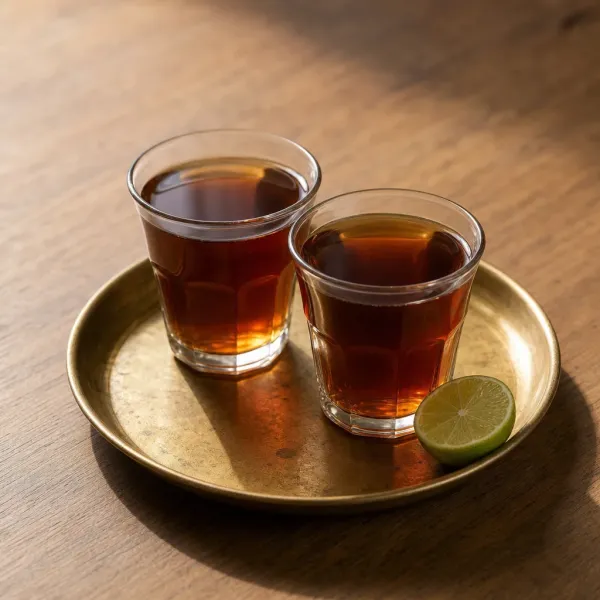
To serve, stir 3 to 4 tablespoons of syrup into a glass of cold water (about 200 ml) and mix well. Taste and adjust the syrup quantity. Serve in a steel tumbler or glass over ice if available. Some families add a squeeze of fresh lime at the table.
Served with: To serve, stir 3 to 4 tablespoons of syrup into a glass of cold water (about 200 ml) and mix well. Taste and adjust the syrup quantity. Serve in a steel tumbler or glass over ice if available. Some families add a squeeze of fresh lime at the table.
Cook's tips
Finding the root
Look for nannari ver at Tamil grocery shops, ayurvedic pharmacies, or shops selling nattu marundhu (country medicines). The root should smell fragrant when you scratch it. If it has no smell, it is too old and the syrup will be weak. Avoid the powder form for this recipe; the texture and extraction are different.
Kalkandu versus white sugar
Rock sugar gives the syrup a cleaner, less cloying sweetness and a slightly warmer colour. If you cannot find it, use raw cane sugar (nattu sakkarai) as a second choice. Refined white sugar works but the flavour is noticeably flatter.
Storage
The syrup keeps for 2 to 3 weeks in a cool kitchen in a tightly sealed glass bottle. In the refrigerator it keeps for up to 6 weeks. If you see any cloudiness or off smell, discard it. Always use a dry spoon to measure out the syrup.
Syrup too thin
If the syrup is too thin after cooling, return it to the heat and simmer for another 5 minutes. This usually happens when the root was soaked in too much water or the simmering time was cut short.
Adjusting sweetness
400 g of kalkandu to 350 to 400 ml of root liquid makes a syrup on the sweeter side, which is traditional because it is always diluted before drinking. If you prefer a less sweet syrup, reduce to 300 g, but store it in the refrigerator and use within two weeks.
Regional variations
A lime-soda version common at Tamil Nadu street stalls adds fresh lime juice and soda water to the diluted syrup at serving time. A Kerala variant uses the same root but is less commonly made at home, with the syrup more often bought ready-made.
Glossary
- Nannari ver நன்னாரி வேர்
- The dried root of Hemidesmus indicus, used to make the cooling syrup; ver means root in Tamil.
- Kalkandu கல்கண்டு
- Rock sugar; large crystallised sugar with a mild, clean sweetness, used in Tamil cooking and traditional medicine.
- Nattu marundhu நாட்டு மருந்து
- Country medicine or traditional herbal remedy; shops selling these items commonly stock nannari root.
- Sharbat شربت
- From the Persian and Arabic word for a sweetened drink; used across South Asia to describe concentrated fruit or herb syrups diluted with water.
Two things decide this syrup: the quality and freshness of the root, and giving the soaking and simmering enough time. A root that has lost its fragrance cannot be rescued by longer cooking. And if you rush the soak to under an hour, the syrup will taste of sugar water with only a faint trace of the root. Get those two right and the rest is straightforward.
More Beverages recipes
Sukku Malli Coffee
Traditional Kongunad sukku malli coffee made with dry ginger, coriander seeds and jaggery. A warming medicinal drink, ready in 15 minutes.
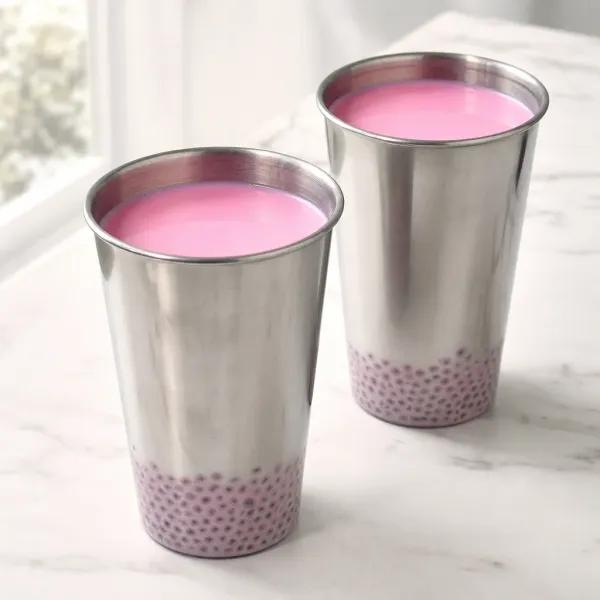
Rose Milk (Roja Paal)
Classic Tamil Nadu rose milk made with a from-scratch rose syrup, full-fat chilled cow's milk, and optional sabja seeds. Simple, cold, and properly p…
Madurai Jigarthanda
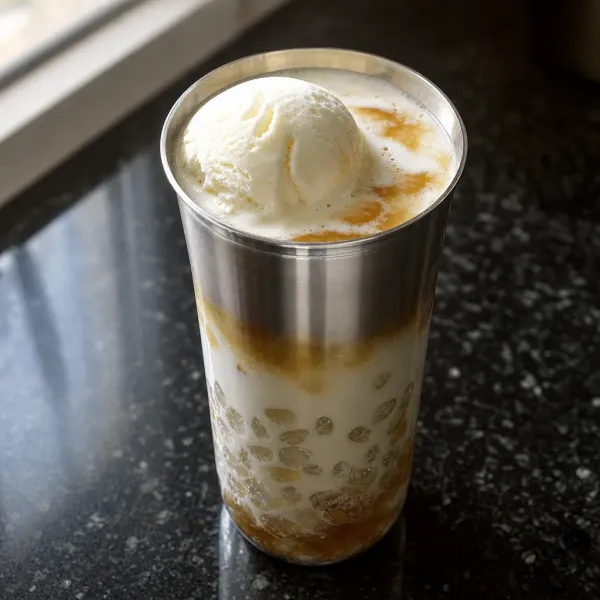
Traditional Madurai Jigarthanda with slow-reduced milk, soaked badam pisin, nannari syrup and milk ice cream. Authentic Tamil Nadu summer drink recip…