

Kuzhi Paniyaram Recipe
Malayalam കുഴി പണിയാരംTamil குழி பணியாரம்Kannada ಕುಳಿ ಪಣಿಯಾರTelugu కుళి పణియారం
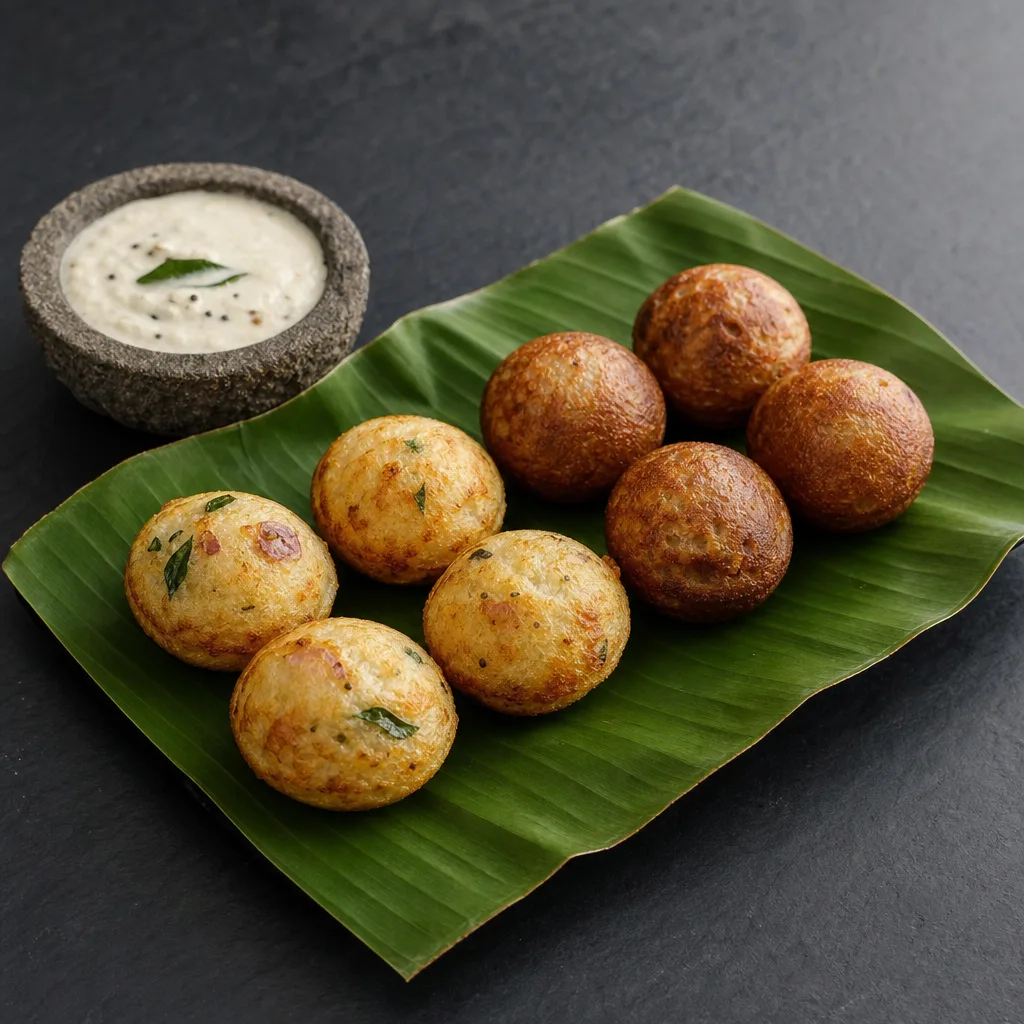
- Prep20 min
- Soak / ferment8 hr
- Cook40 min
- Serves4
- DifficultyEasy
- DietVegetarian
Kuzhi paniyaram is a Chettinad breakfast and tiffin staple, cooked in a heavy cast-iron or seasoned stone pan with shallow, hemispherical moulds. The batter is the same fermented rice-and-urad base used for idli and dosa, which means any household that keeps a batter jar going can have paniyaram ready in under twenty minutes. The pan does the shaping; the cook's only job is to manage the heat and turn them at the right moment.
Chettinad households make two kinds back to back from the same batter: the savoury version seasoned with mustard, curry leaves, ginger, green chilli and shallots; and the sweet version with jaggery and a little grated coconut stirred in. Both are cooked in gingelly oil, which gives the outside a thin, faintly nutty crust while the inside stays soft and slightly spongy. The sweet ones are made first, before the pan picks up any savoury residue, or the pan is wiped and reheated between batches.
Household variation is mostly in the additions: some cooks add finely chopped coriander, some add a pinch of asafoetida to the savoury batter, and a few add a small amount of chana dal that has been soaked and left to soften. The ratio of rice to urad, and the fermentation, are not negotiated — get those right and the rest follows.
Ingredients (serves 4)
For the batter (makes batter for both sweet and savoury)
For the savoury seasoning (stirred into half the batter)
For the sweet addition (stirred into the other half of the batter)
For cooking
Method
Soak the rice and dal
Soak the raw rice in plenty of cold water for 6 hours. Soak the urad dal separately for 4 hours. The dal will swell and feel slightly slippery when rubbed between your fingers; that is when it is ready to grind. Do not soak them together or the dal will take on colour from the rice.
Grind the dal first
Drain the urad dal and grind it in a wet grinder or stone grinder, adding cold water a little at a time — no more than 100 ml in total. Grind for 20 to 25 minutes until the batter is very white, light and airy, almost like a thick whipped cream. When you drop a small ball of it into a bowl of water, it should float. This aeration is what makes the paniyaram soft inside.
Grind the rice
Drain the soaked rice and add it to the grinder along with the cooked rice. Grind to a slightly coarse, grainy batter — not as smooth as the dal. A little texture in the rice batter is correct; it gives the paniyaram body. Add water sparingly; the combined batter should be thick enough to hold its shape briefly when dropped from a spoon.
Combine and ferment
Mix the dal batter and rice batter together thoroughly using your hand or a large spoon, folding from the bottom. The warmth of your hand helps start fermentation. The combined batter should be thick but pourable, similar to a soft idli batter. Cover loosely — not airtight — and leave in a warm corner of the kitchen for 8 hours or overnight. In a hot Tamil Nadu kitchen this is usually enough; in cooler weather, 10 to 12 hours may be needed. The batter is ready when it has risen noticeably, smells pleasantly sour, and has a slightly porous surface. Add salt and stir gently.
Divide and flavour the batter
Divide the fermented batter equally between two bowls. Set one aside for the sweet version. For the sweet bowl, stir in the strained jaggery liquid, grated coconut and cardamom powder. Mix gently so you do not knock out all the air. Taste — the batter should be clearly sweet but not cloying.
Make the savoury tempering
Heat 1 tsp gingelly oil in a small pan over medium heat. Add the mustard seeds and wait for them to pop fully. Add the shallots and cook, stirring, for 2 minutes until they are soft and just beginning to colour at the edges. Add the green chilli, ginger, curry leaves and asafoetida if using, and stir for 30 seconds. Take off the heat and let it cool for 2 minutes, then stir this tempering into the savoury batter bowl.
Heat the paniyaram pan
Place the paniyaram pan (kal paniyaram chatti) over medium-low heat. When the pan is hot — hold your hand 5 cm above it and you should feel clear heat — add a few drops of gingelly oil into each mould using a spoon or a small piece of cloth. Let the oil heat until it shimmers. A drop of batter dropped into a mould should sizzle immediately.
Cook the sweet paniyaram first
Fill each mould three-quarters full with the sweet batter. Do not overfill; the batter will puff as it cooks. Cover with a lid and cook on medium-low for 3 to 4 minutes. The edges will set and turn pale, and the surface will look mostly dry with just a slightly wet centre. If you see browning on the sides within the first minute, your heat is too high — lower it.
Turn and finish
Use a thin wooden skewer or the pointed end of a coconut midrib to turn each paniyaram. Slide the skewer down one side, lever it gently and flip. The turned side should be a very pale golden, not dark brown. Cook uncovered for another 2 to 3 minutes until the second side matches. Press one lightly — it should feel firm and spring back. Remove and set on a plate. Wipe the moulds clean with a dry cloth before the next batch.
Cook the savoury paniyaram
Add fresh oil to the moulds, let it heat, and fill with the savoury batter in the same way. Cover and cook on medium-low for 3 to 4 minutes, then turn and cook uncovered for 2 to 3 minutes more. The finished savoury paniyaram should be pale golden outside and fully cooked through — break one open to check the first batch. The inside is soft, slightly spongy and white, not gummy or raw-smelling.
Continue in batches
Keep the heat steady throughout. The pan will retain heat and subsequent batches will cook a little faster. If the oil smokes before you add batter, lower the heat and wait 30 seconds. Between sweet and savoury batches, wipe the pan thoroughly so the jaggery residue does not burn in the moulds.
How to serve
Savoury paniyaram: coconut chutney, tomato chutney, or a thin sambar. Sweet paniyaram: served as is, sometimes with a small bowl of fresh coconut chutney on the side, though many households eat the sweet ones plain.
Served with: Savoury paniyaram: coconut chutney, tomato chutney, or a thin sambar. Sweet paniyaram: served as is, sometimes with a small bowl of fresh coconut chutney on the side, though many households eat the sweet ones plain.
Cook's tips
The pan matters
A well-seasoned cast-iron paniyaram pan releases cleanly and gives an even crust. A new pan should be seasoned with oil over low heat several times before use. Non-stick versions work but do not give the same thin crust.
Batter consistency
If the batter has over-fermented and become very sour and thin, the paniyaram will spread in the mould and not hold its dome shape. Use it the same day once it has risen. Batter kept in the refrigerator after fermentation can be used the next morning but will be slightly denser.
Jaggery and the batter
Always dissolve and strain the jaggery before adding it to the batter. Undissolved lumps will cause uneven sweetness and can make the batter too wet in patches. If the sweet batter looks thinner than the savoury, add a spoonful of plain batter to balance it.
Shortcut for weekday mornings
Many households keep a jar of fermented idli–dosa batter in the refrigerator and use that directly for paniyaram. Bring the batter to room temperature for 30 minutes before cooking. The result is slightly less airy than freshly ground batter but entirely acceptable.
Heat control is everything
Medium-low heat throughout is the rule. Too high and the outside burns before the inside sets; too low and the paniyaram absorbs oil and becomes greasy. If your stove runs hot, use a heat diffuser or a tawa under the paniyaram pan.
Regional variations
Udupi–Mangalore households make a similar paniyaram from dosa batter, often with grated coconut and jaggery for the sweet version; Kerala makes a distinct kuzhalappam and unniappam which are different preparations entirely.
Glossary
- Pacharisi பச்சரிசி
- Raw (unboiled) white rice used for grinding batters; distinct from boiled or parboiled rice.
- Nallennai நல்லெண்ணெய்
- Gingelly oil; cold-pressed sesame oil traditional to Tamil Nadu cooking, used for frying and tempering.
- Vellam வெல்லம்
- Jaggery; unrefined cane sugar sold in solid blocks, dissolved and strained before use in batters.
- Chinna vengayam சின்ன வெங்காயம்
- Small shallots; the preferred allium in Tamil Nadu cooking, sharper and more aromatic than large onions.
- Perungayam பெருங்காயம்
- Asafoetida; the dried resin used in small quantities as a digestive and flavouring agent.
- Kal paniyaram chatti கல் பணியாரச் சட்டி
- The heavy cast-iron or stone pan with hemispherical moulds used to cook paniyaram; 'kal' means stone.
Two things decide this dish: the batter and the heat. The batter must be properly fermented and aerated — if the urad dal is not ground long enough, or if the batter is used before it has risen, the paniyaram will be dense and flat rather than soft and domed inside. And the heat under the pan must stay at medium-low from the first batch to the last; this is not a dish that responds well to impatience.
More Breakfast & Tiffin recipes
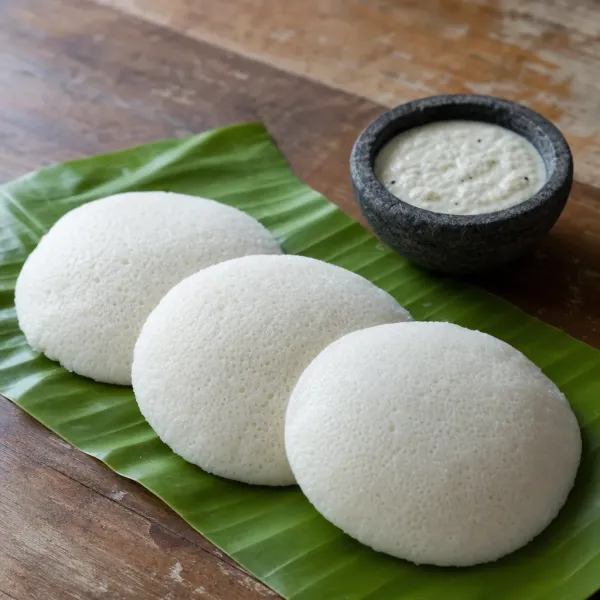
Ramassery Idli
Traditional Ramassery idli from Palakkad: raw rice batter, no urad dal, steamed on damp muslin. Soft, pale, and delicate. Step-by-step home recipe.
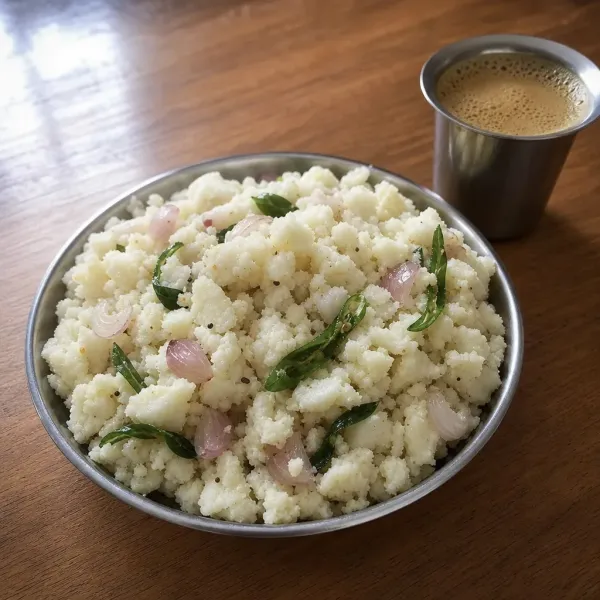
Idli Upma
A traditional Tamil Iyer recipe for idli upma made from cold leftover idlis, tempered in gingelly oil with shallots, green chilli and curry leaves.
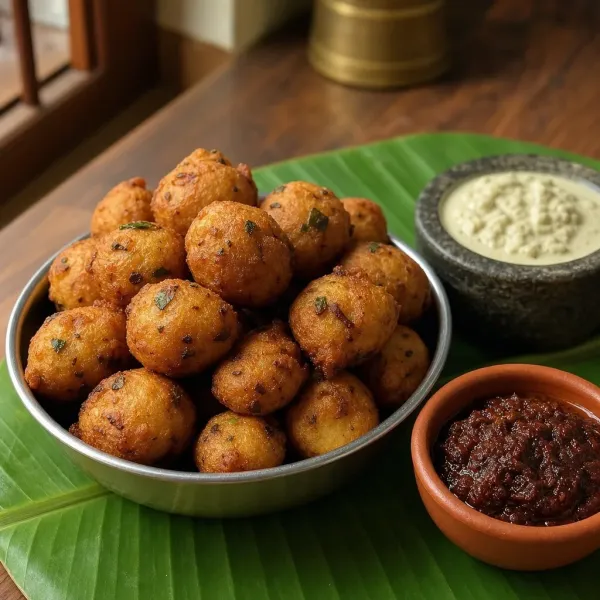
Punugulu
Traditional Andhra punugulu made from fermented dosa batter with shallots, green chilli and curry leaves, deep-fried to a golden crust. Step-by-step…
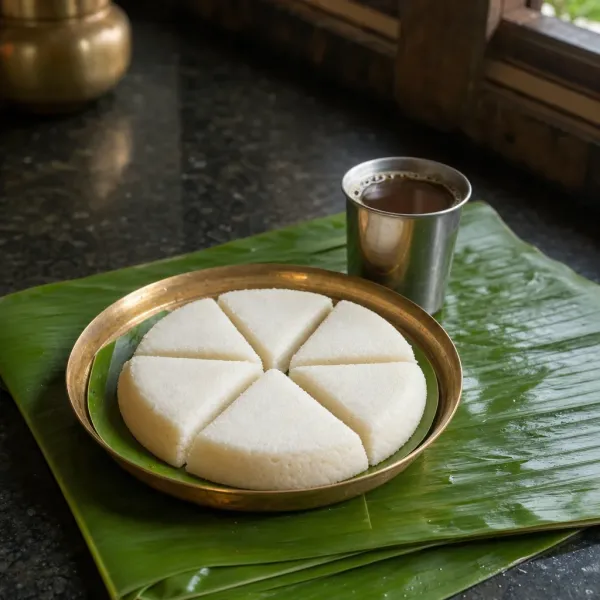
Kinnathappam
Traditional Nasrani kinnathappam: steamed rice cake with fresh coconut milk and jaggery. Soft, pale, and mildly sweet. Step-by-step household method.
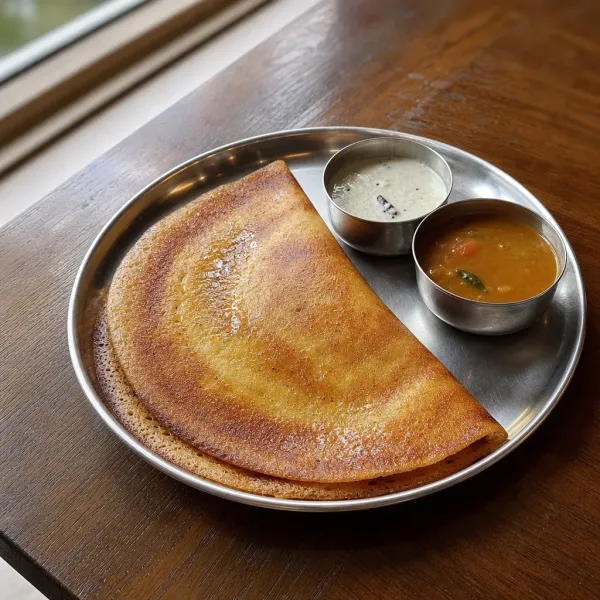
Ghee Roast Dosa
Traditional Udupi ghee roast dosa with fermented rice-urad batter, cooked on one side on a hot iron tawa with generous cow's ghee until deep golden.
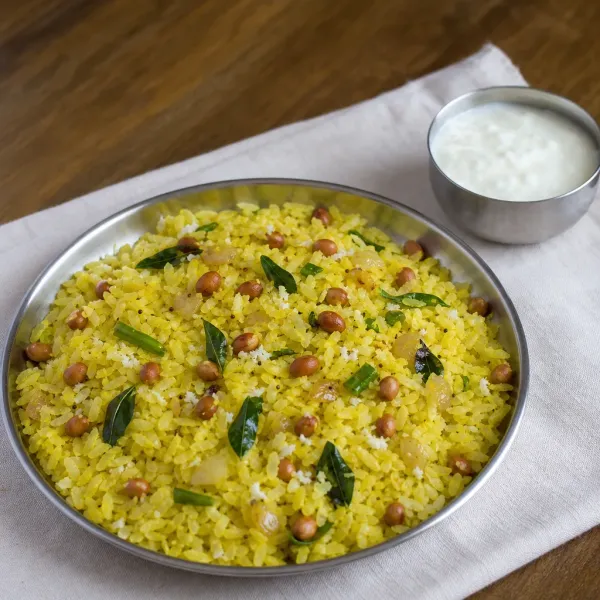
Avalakki Oggarane
Traditional Karnataka avalakki oggarane recipe — medium poha tempered with mustard, shallots, curry leaves and groundnuts. Ready in 20 minutes.